Use straight bar for formal looks; criss-cross or lock-lace for comfort and fit.
I’ve laced hundreds of pairs of dress shoes for clients, events, and daily wear. This guide shows exactly how to lace men's dress shoes for fit, comfort, and style. I combine hands-on tips, proven methods, and simple steps so you can pick the right technique and do it quickly. Read on for clear, expert-backed instructions and practical examples you can use today.
Why proper lacing matters
Proper lacing does more than look tidy. It controls fit, reduces heel slip, and protects leather from stress. Knowing how to lace men's dress shoes helps you get a sharper silhouette and better comfort.
Good lacing also extends lace and eyelet life. A balanced tension prevents creasing and rubbing. Shoemakers and tailors consider lacing a small detail that changes the whole look.
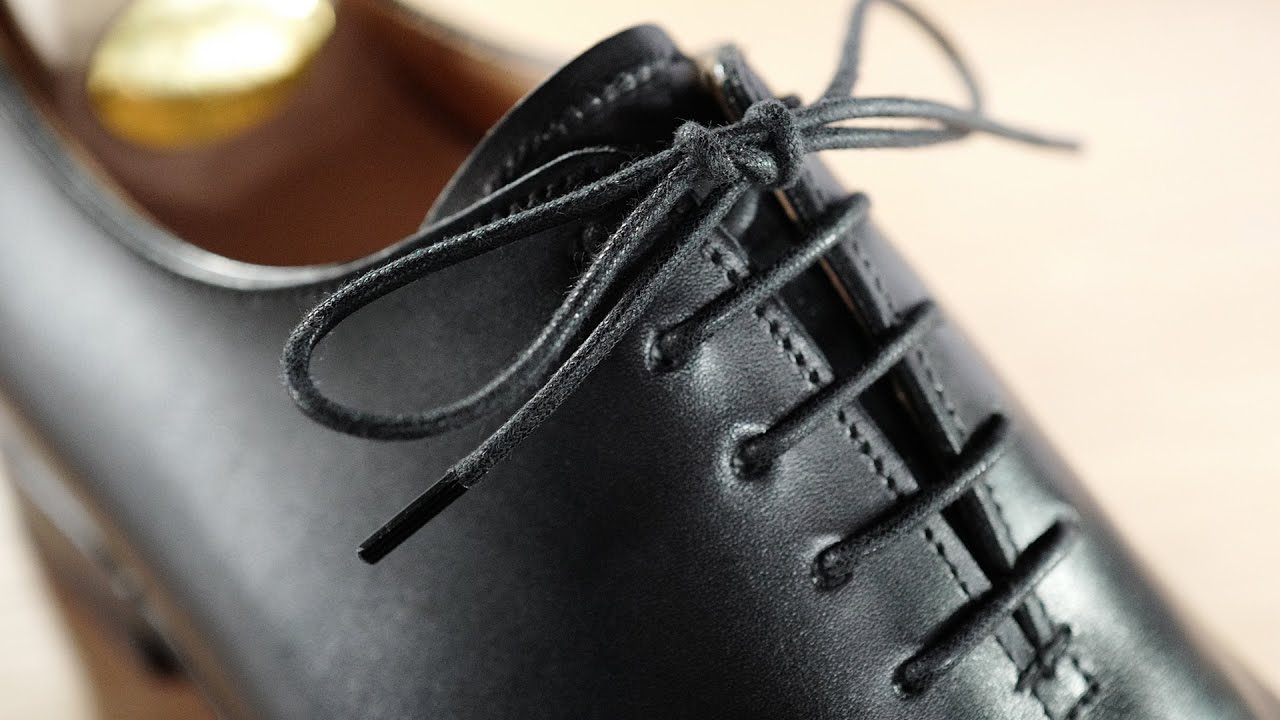
Tools and preparation
Before you start, gather a few simple things. Proper tools and prep make lacing smooth and repeatable.
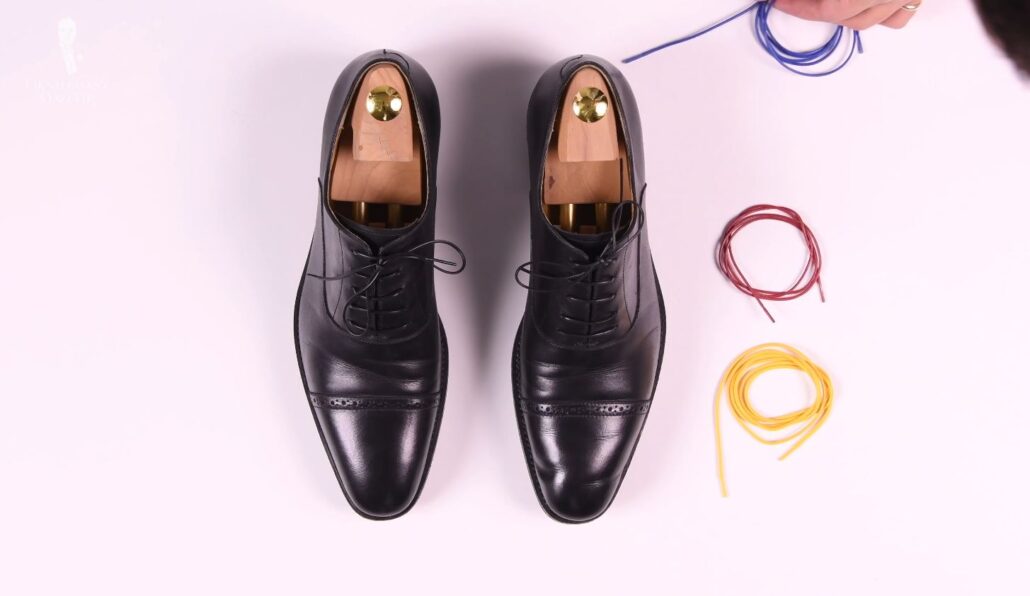
- Shoelaces: choose flat waxed laces for oxfords and round waxed for derbies.
- Lace length guide: measure by eyelets; most oxfords need 27–36 inches depending on eyelets.
- Clean shoes: remove old laces and wipe eyelets and tongue.
- Mirror and good light: helps you see symmetry and tightness.
Measure once and note the length for future buys. Selecting the right lace type is part of learning how to lace men's dress shoes well.
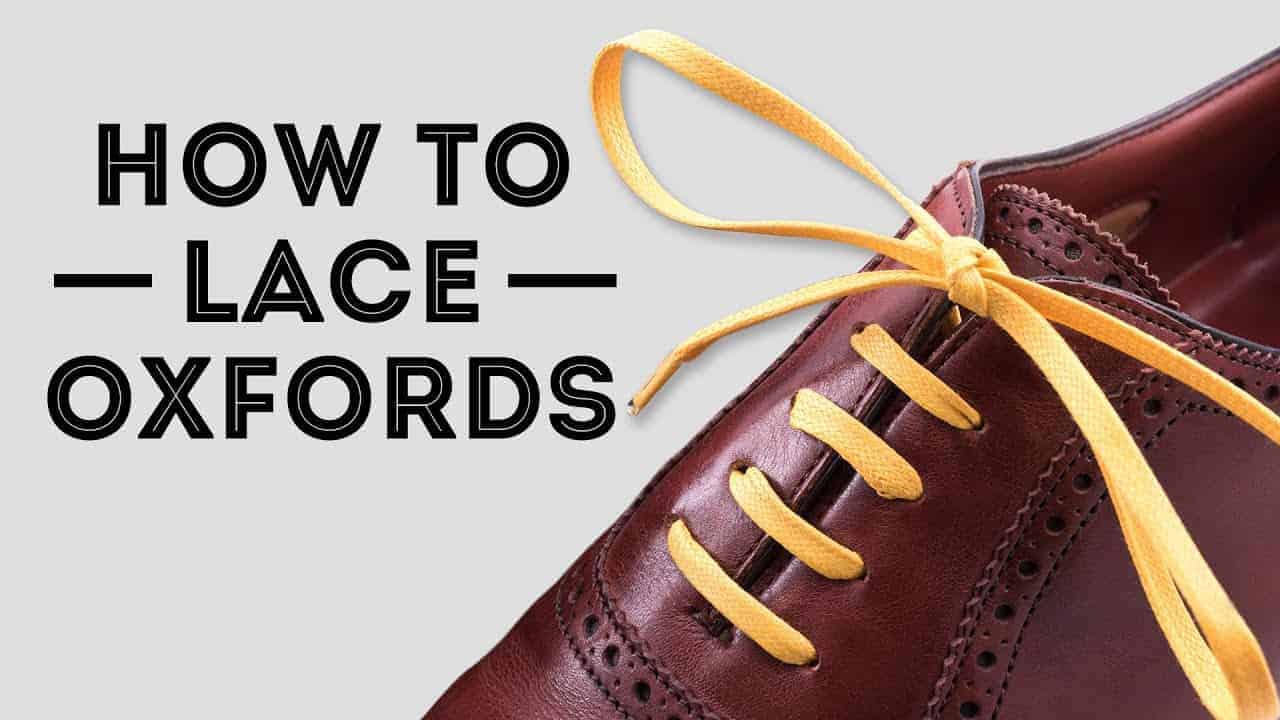
Common lacing styles for dress shoes
Different styles suit different shoes and purposes. Below are the most useful methods when learning how to lace men's dress shoes.
Straight bar (fashion / formal)
Pros: Clean, formal look. Ideal for oxfords and tuxedo shoes.
Steps:
- Insert lace horizontally across the bottom inside to outside.
- Run each side vertically up to the next eyelet and cross behind.
- Keep bars parallel and even.
Criss-cross (classic and flexible)
Pros: Strong hold, easy to tighten. Works for derbies and daily wear.
Steps:
- Start under the bottom eyelets.
- Cross laces and feed into opposite eyelets.
- Adjust tension up the shoe.
Balmoral (hidden knot / dress knot)
Pros: Knot hidden under the tongue for ultra-clean front. Best for formal oxfords.
Steps:
- Lace straight bars up to the midpoint.
- Tie central knot under the tongue with minimal bulk.
- Finish with hidden ends tucked under the tongue.
Heel-lock (locker / runner’s lock) for heel grip
Pros: Locks heel to reduce slip without extra tightness. Useful for narrow heels.
Steps:
- Lace normally up to second-to-top eyelet.
- Instead of crossing, feed each lace into the same-side top eyelet to create loops.
- Cross laces through loops and pull tight to lock.

Step-by-step: How to lace men's dress shoes (practical guide)
Here is a simple routine you can follow when learning how to lace men's dress shoes. I use this method with clients who want a reliable, neat result.
- Choose the right lace length and type for your shoe.
- Start with even ends; insert the lace through the bottom eyelets from the inside so ends are outside.
- Select your style (straight bar for formal, criss-cross for daily wear).
- Work one pair of eyelets at a time. Keep tension even with small pulls.
- Finish with a neat knot or tuck the ends for a cleaner look.
Personal tip: I always tighten the lower eyelets a bit firmer than the top. That eases foot pressure and reduces heel lift. I learned this after a wedding where a groomsman kept slipping out of his shoes. The heel-lock saved the day.
PAA-style question 1: How long should dress shoe laces be?
Most dress shoes use 27–36 inch laces depending on eyelet count. Count eyelets and add a few inches for knots and style.
PAA-style question 2: Should dress shoe laces match the shoe color?
Matching color is safest for formal wear. A subtle contrast can work if the outfit is smart-casual.
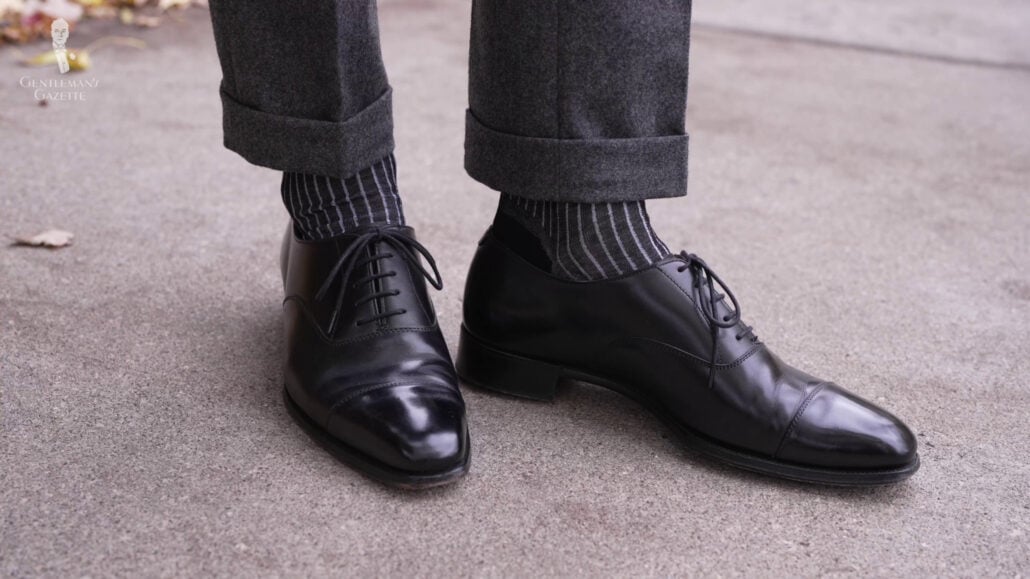
Maintenance and lacing care
Caring for laces and eyelets keeps shoes looking sharp and lasts longer.
- Replace frayed laces early to avoid sudden breaks.
- Clean waxed laces with a damp cloth; avoid soaking.
- Rotate laces by loosening from the top, not by pulling the knot.
- Inspect eyelets and reinstate stitching or repair when metal eyelets loosen.
Changing laces seasonally refreshes your look and maintains fit. I recommend storing spare laces in your shoe care kit.
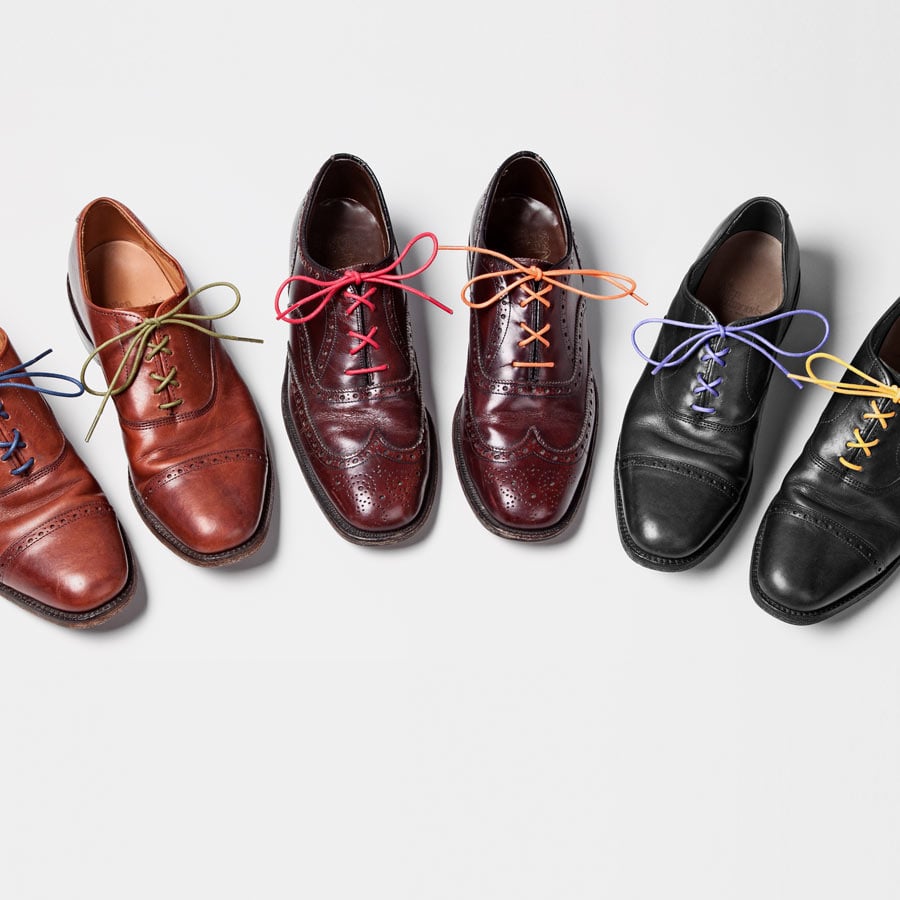
Styling tips and matching laces to outfits
Small details shape perceived formality. Use these quick rules when deciding how to lace men's dress shoes.
- Formal events: straight bar lacing and flat waxed laces in the same color as the shoe.
- Office wear: criss-cross with thin round or slightly textured laces.
- Smart-casual: experiment with slightly contrasting laces or thin patterned ones.
- Length guide: 3–4 eyelets usually need 27–30 inches; 5–6 eyelets need 30–36 inches.
Style note: For tuxedos, always tuck away lace ends and hide knots. The cleaner the front, the more formal the outfit.

Frequently Asked Questions of how to lace men's dress shoes
What is the best lacing style for formal oxfords?
Straight bar lacing is the best for formal oxfords because it creates a clean, uninterrupted front that reads as elegant and proper.
How do I stop my heel from slipping in dress shoes?
Use a heel-lock lacing method to secure the heel. Also check insole fit and consider thin heel pads if slipping continues.
How often should I replace dress shoe laces?
Replace laces when fraying or losing texture. For daily wear, expect to replace them every 6–12 months; less often for occasional use.
Can I use athletic laces on dress shoes?
You can, but athletic laces are often too casual. Opt for thin, waxed laces for dress shoes to keep the formal look intact.
How do I choose the right lace length?
Count eyelets and use a length chart or measure an existing lace. If in doubt, choose a slightly longer lace to allow for knots and tuck-ins.
Conclusion
Mastering how to lace men's dress shoes gives you comfort, function, and a cleaner look. Pick the right lace type, use the technique that matches your shoe and needs, and maintain laces to extend their life. Try one new method this week—switch to straight bar for a formal event or use a heel-lock for a better fit—and see the difference.
If you found this useful, try the methods on your next pair and share which worked best. Leave a comment or subscribe for more practical shoe and style advice.
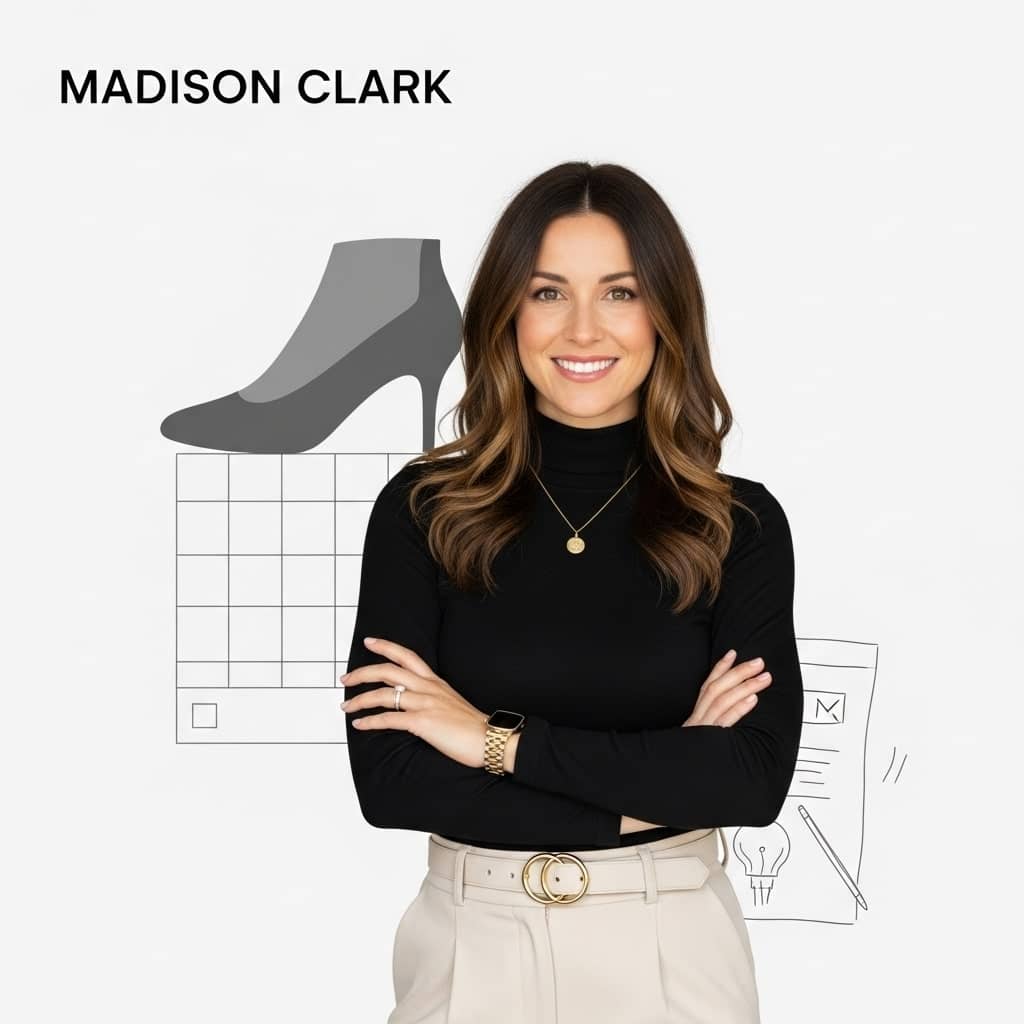
Madison Clark is a footwear expert and the voice behind MyStyleGrid.com. She specializes in honest shoe reviews, style tips, and practical guides to help readers find the perfect pair for any occasion. With years of experience in blogging and content creation, Madison makes footwear knowledge simple, stylish, and easy to follow.