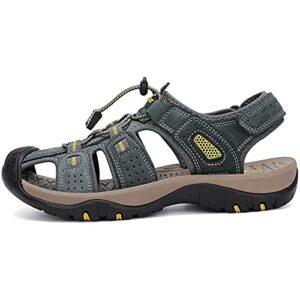
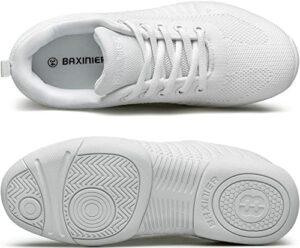
Most courts discourage sandals; closed-toe, conservative shoes are usually the safe choice.
I’ve spent years working around courtrooms and advising people on courtroom etiquette. This guide answers whether can you wear sandals to court, explains the rules that matter, and gives clear, practical tips so you walk into court with confidence. Read on for simple rules, real examples, and what to do if your only shoes are sandals.

Court dress code basics
Courts expect a certain level of decorum. Dress codes are not always written, but judges and clerks expect respectful attire. A courtroom is a formal place. Your clothing and footwear help shape how others see you.
Key points courts look for:
- Professional look that shows respect for the process.
- Clothing and shoes that are neat, clean, and modest.
- No offensive logos or overly casual items like ripped jeans or beachwear.
Many courts defer to judge discretion. That means one judge might be strict about shoes while another is more relaxed. Always check local court rules or the court’s website when possible. When in doubt, pick conservative footwear.

Can you wear sandals to court? Rules and nuance
Short answer: it depends on jurisdiction, the type of sandals, and the role you play in court. Some courts allow dress sandals that look professional. Others may ban open-toe shoes for safety or decorum.
Factors that affect whether can you wear sandals to court:
- Local rules — some courts post dress rules online or in the clerk’s office.
- Role — attorneys often must follow a stricter professional dress code than witnesses or spectators.
- Type of sandals — leather dress sandals with straps look more formal than flip-flops.
- Security and safety — some courthouses restrict open-toe shoes for safety reasons.
- Judge preference — judges can ask someone to change shoes or leave.
Examples of common outcomes:
- A juror in flip-flops may be asked to change or might be allowed to stay if the judge is lenient.
- An attorney in casual sandals may face informal rebuke or a stern look from the bench.
- A witness in neat, closed sandals could be allowed, but a security guard might raise concerns.
If you need clarity, call the court clerk before your appearance. That small step avoids surprise and stress.

Practical tips for footwear when attending court
Aim for neat, simple, and conservative shoes. Small choices can make a big difference in how you are perceived.
Practical tips:
- Bring closed-toe shoes if possible. They are the safest choice for most courts.
- Avoid flip-flops and beach sandals. They read as too casual.
- Choose neutral colors like black, brown, gray, or navy.
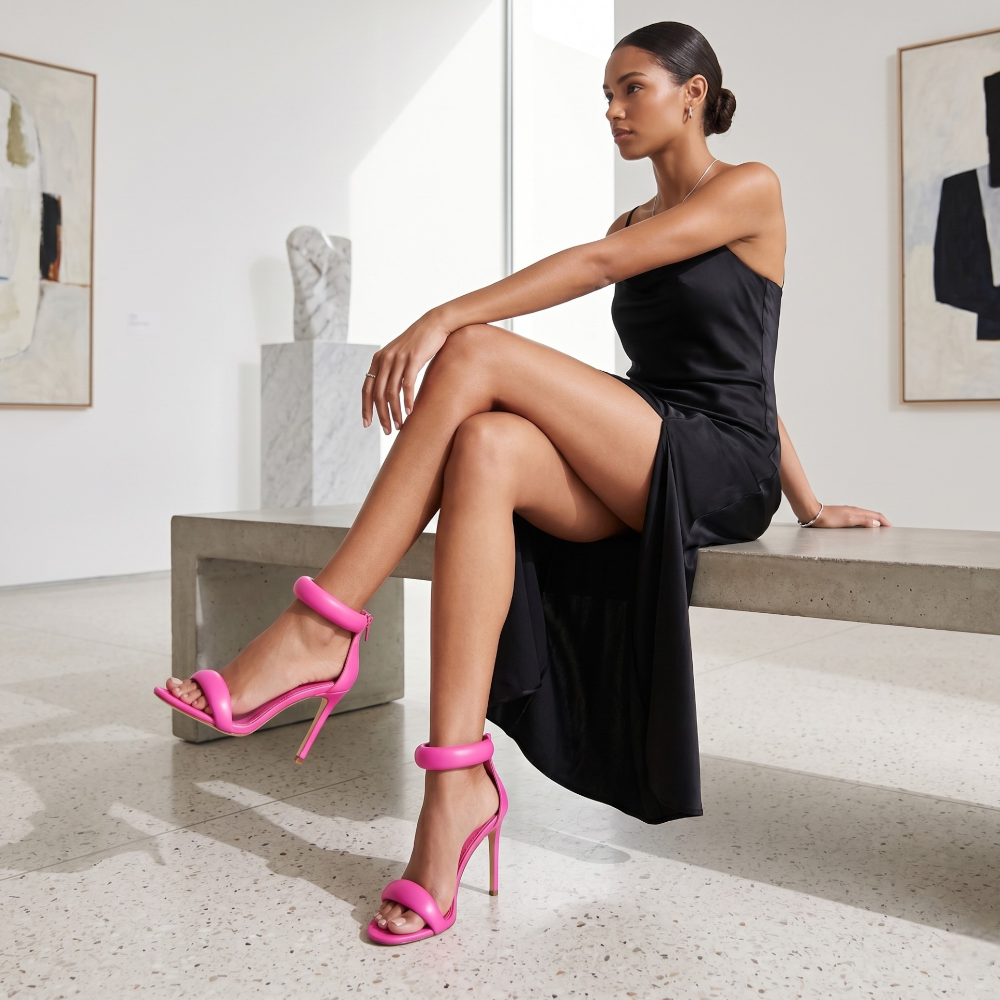
- Keep heel height moderate. Very high heels can be distracting or unsafe.
- Pack a backup pair in your car or bag if you must wear sandals to court.
- Wear socks or low-profile hosiery if sandals look too casual without them.
If you want to test a shoe in advance, stand and walk in it for 20 minutes. If it feels unstable, pick something else. Comfort matters, especially for long hearings.
Special roles: attorneys, jurors, witnesses, and defendants
Rules vary by role. Your position in the courtroom affects expectations about footwear.
Attorneys:
- Expected to dress professionally. Many courthouses expect closed-toe dress shoes.
- Client impressions and judge perceptions matter. Conservative shoes help.
Jurors:
- Often allowed more casual clothes than attorneys, but they still must appear respectful.
- Some courts give jurors specific guidance on footwear.
Witnesses:
- Should dress respectfully. Sandals may be acceptable if they look neat and professional.
- Avoid anything that draws attention away from testimony.
Defendants:
- Courts often expect defendants to look respectful at hearings and sentencing.
- Judges sometimes view casual footwear negatively when weighing credibility.
Remote appearances by video often relax footwear rules, but you should still dress from head to toe as if in person.

What to do if you only have sandals on arrival
If you arrive and your only shoes are sandals, stay calm. There are polite, practical moves to handle it.
Steps to take:
- Ask the court clerk about the dress policy. They can give quick guidance.
- If the court objects, request a short break to retrieve different shoes or change.
- Offer to remain in the lobby or reschedule if footwear is a real issue.
- Be respectful and concise. Judges and staff respond better to calm cooperation.
I once saw a witness arrive in bright flip-flops. The clerk asked them to wait while a family member brought a different pair. The hearing started late but there was no penalty. Small gestures of respect go a long way.

Legal and cultural considerations
Beyond formal rules, social norms shape courtroom dress. Footwear can affect perceived credibility and respect. Understanding cultural signals helps you make better choices.
Considerations to remember:
- First impressions matter. Shoes are a visual cue about seriousness.
- Some cultures have different norms about open-toe shoes. When in doubt, defer to local court norms.
- Judges have wide discretion. They may react to footwear in ways that affect tone, but rarely affect legal outcomes directly.
Always verify rules ahead of time. That reduces risk and shows you respect the court’s authority.
Personal experience and lessons learned
I’ve escorted clients to dozens of hearings. I learned that small prep pays off. One client wore sandals to an arraignment and felt judged. We later switched to derby shoes for a sentencing. The room felt different. The judge nodded; the client felt calmer.
Lessons I share with clients:
- Never assume sandals are fine. Verify first.
- Pack a simple pair of loafers or flats as backups.
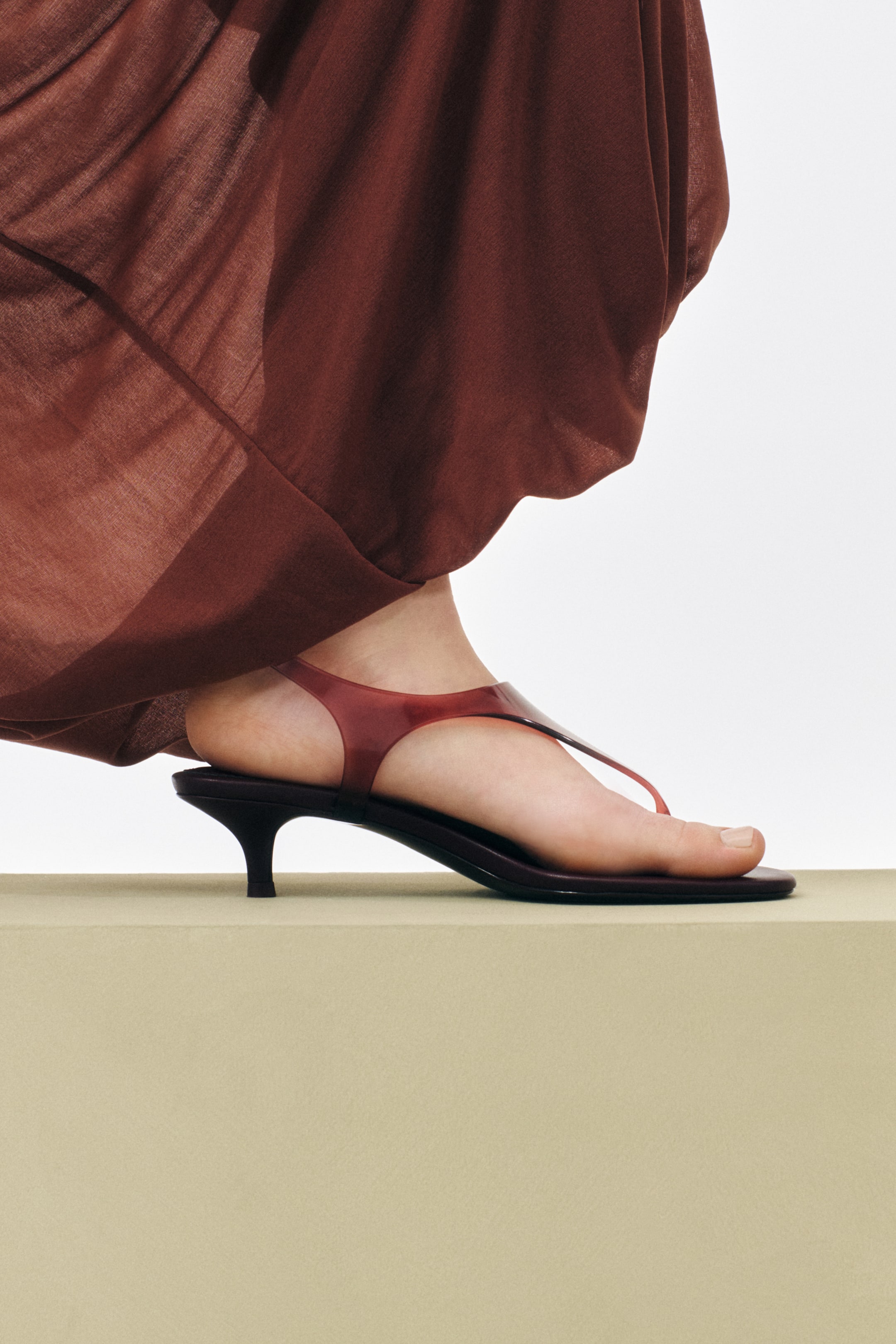
- If you must wear sandals, choose the most polished pair and pair them with neat clothes.
- Stay humble and respectful if asked to change. Compliance is better than confrontation.
These steps keep stress low and show respect for the process.
Frequently Asked Questions of can you wear sandals to court
Can you wear sandals to court as a juror?
Many courts allow jurors to wear sandals if they are neat and not beach-style. Still, closed-toe shoes are safer and often recommended.
Are flip-flops allowed in court?
Flip-flops are usually discouraged and can be denied entry in some courthouses. They are seen as too casual for courtroom decorum.
Can attorneys wear sandals to court?
Attorneys should avoid sandals in most courtrooms. Professional rules and judge expectations favor closed-toe dress shoes.
What happens if the judge objects to my sandals?
The judge or clerk may ask you to change shoes, wait outside, or reschedule the appearance. Staying polite and cooperative prevents escalation.
Is it different for remote hearings?
Remote hearings are more relaxed about footwear, but you should still present professionally from head to toe. This helps maintain credibility on camera.
Should I call the court ahead of time about footwear?
Yes. A quick call to the court clerk can clarify rules and save you trouble on the day of the hearing.
Conclusion
Courtrooms value respect, clarity, and decorum. When you ask can you wear sandals to court, the short answer is that it depends — but conservative, closed-toe shoes are the safest choice. Plan ahead, check local rules, and bring a backup pair when possible. That simple prep protects your dignity and helps your case proceed without distraction.
Take one step now: check the court’s website or call the clerk before your next appearance. If you found these tips helpful, leave a comment or share your courtroom footwear story.

Madison Clark is a footwear expert and the voice behind MyStyleGrid.com. She specializes in honest shoe reviews, style tips, and practical guides to help readers find the perfect pair for any occasion. With years of experience in blogging and content creation, Madison makes footwear knowledge simple, stylish, and easy to follow.