The best hiking shoes for scrambling balance sticky grip, firm support, low weight, and enough comfort for long mountain days.
You know the moment: the trail fades, the path turns steep, and every step needs care. A soft running shoe may slip on rock, while a stiff boot can feel clumsy on easy ground. The right scrambling shoe bridges that gap. I looked at grip, foot control, protection, fit, weather use, and value across these Amazon options. This guide helps you choose a pair that feels steady on ledges, tracks well on loose trails, and still stays comfortable when the route runs longer than planned.

Men’s Trail Running Shoes Waterproof…
Waterproof – Waterproof fabric effectively blocks water and moisture, keeping feet dry during outdoor hiking and trekking Lightweight Support – Lightweight structure eases foot fatigue, offering long-lasting comfort for long-distance…
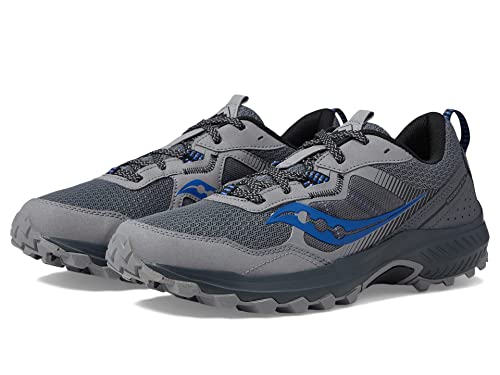
Saucony Men’s Excursion Tr16 Hiking…
VERSARUN cushioning keeps you moving in balanced comfort all day long. Grippy carbon-rubber lugs provide the best traction, so no matter what kind of terrain you cross, you’ll feel unstoppable….

NORTIV 8 Women’s Lightweight Hiking…
Lightweight Design: Weighing only 9.7 oz, these women’s hiking shoes are comfortable for light hikes, casual outings, and city walks. These lightweight hiking shoes are a practical choice for travelers…
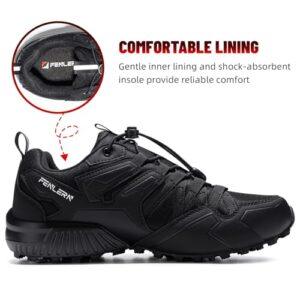
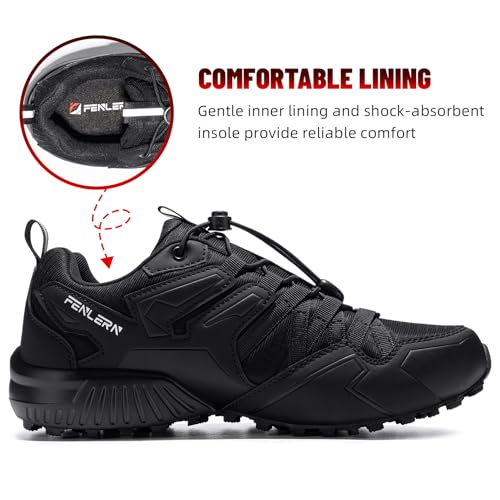
Men’s Trail Running Shoes Waterproof Hiking Sneakers

This waterproof trail shoe is a practical pick for hikers who want a light feel on mixed terrain. Its low-cut shape allows natural ankle movement, which helps when you step across slabs or climb short rock bands. The trail-style sole should give more bite than a standard road sneaker. I also like the simple black design for daily use beyond the trail.
The shoe makes the most sense for day hikes, wet paths, and mild scrambling where speed and comfort matter more than heavy armor. Waterproof coverage can help in shallow puddles and damp grass, but it will not replace a high boot in deep water. As with any online shoe, I would check the size chart and leave room for hiking socks. It is a budget-friendly way to test whether low shoes suit your mountain style.
Pros:
- Waterproof design helps on wet trails
- Light build reduces foot fatigue
- Flexible shape supports natural movement
- Trail sole offers useful traction on dirt and rock
- Low-cut profile feels quick on steep paths
Cons:
- Less ankle support than a mid-height boot
- May not provide enough protection for sharp talus
- Waterproof shoes can feel warm in hot weather
My Recommendation
I recommend this pair for newer scramblers, casual hikers, and anyone who spends most days on trails with only short rocky sections. It is a sensible choice if you value low weight and wet-weather coverage. It may not be the best hiking shoes for scrambling on exposed alpine routes, but it can work well on beginner terrain. Its main value comes from its approachable price and easy, sneaker-like feel.
Saucony Excursion TR16 Hiking Shoe

The Saucony Excursion TR16 brings trail-running comfort to hiking. Its cushioned platform helps soften repeated impact on hard paths, while the lugged outsole gives useful traction on dirt, roots, and small stones. I find this kind of shoe helpful when a route includes long approach miles before the scrambling starts. The Gravel and Lapis color also hides trail dust better than very light fabric.
This is not a technical climbing shoe, and that matters when setting expectations. It suits low-angle scrambling, forest trails, and dry mountain routes where comfort comes first. The roomy toe area can help on descents, yet you should still check that your heel stays locked. For many hikers, the Excursion TR16 is a more comfortable daily option than a rigid approach shoe.
Pros:
- Comfortable cushioning for long approach walks
- Trail lugs improve grip on loose ground
- Breathable build suits warm day hikes
- Wide, stable base helps on uneven paths
- Useful crossover design for running and hiking
Cons:
- Not designed for technical climbing moves
- Fabric may absorb water in rain
- Soft cushioning can feel less precise on tiny holds
My Recommendation
I would choose the Excursion TR16 for hikers who cover many miles and only scramble now and then. It is especially good for trail users who dislike stiff footwear and want a forgiving ride. Among the best hiking shoes for scrambling, it is better suited to moderate terrain than exposed rock. It offers strong everyday value when comfort and mileage matter more than maximum edging control.
NORTIV 8 Women’s Lightweight Hiking Shoes

This women’s NORTIV 8 hiking shoe uses a quick-lace style that makes it easy to adjust on the move. That small detail matters when your feet swell during a long climb or when you change from thin to thick socks. The lightweight build keeps the shoe from feeling like a brick at the end of the day. Its gray and pink color adds a bright look without changing its trail purpose.
The shoe is a good match for day hikes, park trails, and simple scrambling routes. A low shoe lets your ankle flex as you climb over rocks, but it also asks you to place each foot with care. I would use it on dry or mildly damp terrain rather than wet, technical rock. New hikers may appreciate its easy entry and low learning curve.
Pros:
- Quick-lace system allows fast adjustments
- Lightweight feel supports long walks
- Flexible upper encourages easy ankle movement
- Traction suits common hiking surfaces
- Women’s sizing and shape improve fit options
Cons:
- Low collar gives limited ankle protection
- May lack precision for advanced scrambling
- Quick laces may need occasional retightening
My Recommendation
This NORTIV 8 is best for women who want an affordable, light hiking shoe for local trails and easy rock work. I like it for hikers who often stop to adjust their fit or share shoes between different trail conditions. It is not my first choice for wet slabs or steep alpine terrain. Still, it can be one of the best hiking shoes for scrambling beginners who value comfort, speed, and simple fit control.
SCARPA Crux Approach Shoes

The SCARPA Crux is the most purpose-built approach shoe in this group. SCARPA designed the Crux line for the space between hiking and climbing, so the shoe focuses on edging, foot control, and rock-friendly movement. Its firm feel can make small ledges feel more trustworthy than they would under a soft trail runner. The rugged upper also gives better defense against rough stone and repeated toe bumps.
This shoe shines on rocky approaches, boulder fields, and moderate scrambling. It may feel less plush during a long road walk, but that trade-off is part of its design. The low profile helps you sense the ground, much like a firm steering wheel gives better feedback on a winding road. Break it in before a major trip, and wear it with socks that do not bunch at the heel.
Pros:
- Precise feel for edging on rock
- Approach-shoe design supports scrambling
- Rugged upper handles abrasion well
- Stable platform improves foot control
- Strong choice for rocky mountain approaches
Cons:
- Firmer feel takes time to break in
- Less cushioned than a trail-running shoe
- May feel warm during hot summer hikes
My Recommendation
I recommend the SCARPA Crux for experienced hikers who spend real time on rock. It is best for climbers, peak baggers, and scramblers who want a precise toe and a firm base. If your route has slabs, ledges, and rough approaches, this is among the best hiking shoes for scrambling in this review. Its higher price makes sense for users who will use its technical strengths often.
NORTIV 8 Men’s Waterproof Leather Hiking Shoes

This NORTIV 8 model adds leather to a traditional waterproof hiking-shoe build. Leather can resist scuffs from brush and rock better than thin mesh, which is useful on rough trails. The waterproof design helps keep feet dry through wet grass, shallow mud, and light rain. Its wider 10.5W size may also appeal to hikers who need more room across the forefoot.
The shoe feels more protective than a basic trail runner, though it also carries more weight. I would use it for wet day hikes, muddy routes, and moderate scrambling where durability matters. It is not as nimble as a dedicated approach shoe on tiny rock edges. For hikers who want one sturdy shoe for chores, trails, and weekend trips, it offers a useful mix.
Pros:
- Waterproof construction helps in wet conditions
- Leather upper resists common trail scuffs
- Wide fit gives extra forefoot space
- Protective build suits rough day hikes
- Versatile style works on and off the trail
Cons:
- Heavier than lightweight mesh shoes
- Leather needs care to stay flexible
- Can feel warm in dry summer weather
My Recommendation
This pair is best for men who hike in wet places and want a durable shoe with a roomy fit. It suits forest routes, muddy access trails, and moderate scrambling more than technical climbing. In my view, it is one of the best hiking shoes for scrambling for budget-minded hikers who prefer protection over speed. Check the fit carefully, especially if you usually wear a narrow shoe.
Columbia Women’s Crestwood Hiking Shoe

The Columbia Crestwood is a familiar, no-nonsense hiking shoe for women. It offers the support and traction many hikers want without the bulk of a tall boot. The low design makes it easy to move on rolling trails and short rocky climbs. Columbia also gives this model a clean, simple look that works well for daily outdoor use.
I see the Crestwood as a comfortable trail shoe first and a scrambling shoe second. It can handle dry rocks, roots, and uneven ground, but it will not offer the sharp edging feel of an approach model. Its support feels reassuring for new hikers who are still building foot strength. Choose it for moderate routes where comfort, stability, and proven outdoor use matter.
Pros:
- Balanced support for day hiking
- Low-cut shape allows easy movement
- Traction handles dirt, roots, and light rock
- Comfortable choice for new hikers
- Versatile design works for travel and daily wear
Cons:
- Not ideal for technical scrambling
- May feel less flexible than a trail runner
- Fit can vary, so careful sizing matters
My Recommendation
I recommend the Crestwood for women who want a dependable first hiking shoe. It is well suited to maintained trails, rocky day hikes, and simple scrambling sections. It may not be the best hiking shoes for scrambling experts, but it is a safe starting point for people who want more structure than a sneaker. Columbia’s broad availability also makes replacement and size exchanges easier.
Saucony Excursion TR16 Wide Hiking Shoe

The wide version of the Saucony Excursion TR16 solves a common hiking problem: a shoe that feels fine at the trailhead but squeezes the toes after several hours. Its roomy shape gives the forefoot more freedom, while the cushioned midsole keeps the ride soft on hard ground. The trail outsole adds grip for dirt, gravel, and light rock. This makes it a strong choice for long approaches and fast-moving day hikes.
A wide shoe still needs a secure heel, so I would walk on an incline before keeping it. When the fit works, the extra space can reduce hot spots and pressure on descents. The flexible sole is comfortable, but it does not give the precise edge control needed for serious scrambling. Think of it as a trail-mile specialist that can handle occasional easy rock.
Pros:
- Wide fit helps reduce toe pressure
- Cushioning supports high-mileage hikes
- Light weight suits fast day trips
- Trail outsole grips common mixed surfaces
- Comfortable option for swollen feet
Cons:
- Wide fit may feel loose on narrow feet
- Limited protection on sharp talus
- Soft sole is less exact on small holds
My Recommendation
This is the best match for men with wide feet who need comfort over long approach trails. It also suits hikers who often deal with toe pressure, bunions, or swelling. While it is not a technical option, it can rank among the best hiking shoes for scrambling on low-risk terrain because it keeps feet fresh. Its value is strongest when fit and mileage are your top concerns.
Arc’teryx Konseal Approach Shoe

The Arc’teryx Konseal is built for hikers who want an approach shoe with a clean, modern shape. It offers a closer, more controlled fit than a casual hiking sneaker. That close fit helps reduce foot movement when you stand on angled rock or climb short steps. The Forage and Black colorway also looks at home in town after a day outside.
I would choose the Konseal for rocky approaches, scrambling, bouldering access, and mountain travel. It should feel more confident than a soft runner when you need to edge or smear. The trade-off is less plush comfort on flat pavement and a fit that may feel snug at first. Give your toes enough room, because precision should never mean numbness.
Pros:
- Approach-focused shape improves foot control
- Good choice for rock-heavy routes
- Close fit limits unwanted foot movement
- Useful for bouldering and scrambling access
- Durable styling works for everyday wear
Cons:
- May feel firm during long flat walks
- Snug fit requires careful sizing
- Costs more than basic hiking sneakers
My Recommendation
The Konseal is best for climbers and experienced scramblers who want one shoe for the trail-to-rock transition. It offers more control than a typical hiking shoe while staying easier to walk in than a climbing shoe. For many users, it belongs on a shortlist of the best hiking shoes for scrambling. Buy it when precise movement matters enough to justify its higher cost.
Arc’teryx Konseal Rugged Approach Shoe
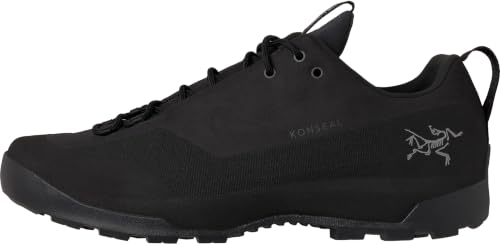
This rugged Konseal version targets users who need more protection and support from an approach shoe. The build is suited to mountain travel, bouldering, hiking, and scrambling, as the product description makes clear. Its structured upper helps shield the foot from rough rock and trail debris. Arch support can also make long approach days feel less tiring for some hikers.
The shoe is most at home where the trail becomes broken, steep, and rocky. A firm approach platform helps you place the toe with care instead of letting the shoe fold under pressure. It may feel too much for an easy park walk, and its rugged build can take longer to soften. I would pair it with a thin, smooth sock and test it on short outings first.
Pros:
- Rugged build protects feet on rough terrain
- Approach design supports controlled scrambling
- Arch support may improve long-day comfort
- Stable base helps on steep rock
- Works for hiking, bouldering, and mountain use
Cons:
- More shoe than casual hikers may need
- Firm construction requires a break-in period
- Premium price may not suit every budget
My Recommendation
I recommend this Konseal to serious hikers who want a rugged shoe for frequent rock travel. It is a strong fit for climbers, guides, and scramblers who carry gear and need steady foot placement. It may be one of the best hiking shoes for scrambling when protection and support outrank softness. Its value is highest for people who will use its technical build many times each season.
La Sportiva TX4 EVO Leather Approach Shoe

The La Sportiva TX4 EVO Leather is a serious women’s approach shoe for rocky travel. Its leather upper offers a sturdy feel and helps protect against sharp edges, brush, and repeated contact with stone. The approach-shoe design supports precise movement on slabs and broken ground. It also has the kind of durable construction that experienced users expect from a mountain-focused model.
This shoe works best when the approach is part of the adventure, not just a short walk to a viewpoint. It gives more control than a soft hiking sneaker and more comfort than a dedicated climbing slipper. Leather can feel stiff before it molds to your foot, so break-in time is important. I would use it for scrambling, climbing approaches, and demanding day routes where reliability matters.
Pros:
- Leather upper gives strong abrasion resistance
- Precise approach fit supports rock movement
- Protective build handles rough mountain terrain
- Durable choice for repeated outdoor use
- Good balance of hiking comfort and climbing control
Cons:
- Leather needs care and break-in time
- Heavier than a lightweight trail shoe
- Premium cost may be high for casual use
My Recommendation
The TX4 EVO Leather is best for women who want a durable, technical shoe for regular mountain use. I would pick it for rocky approaches, exposed scrambling, and routes where a secure edge matters. It is among the best hiking shoes for scrambling when you need a balance of protection, control, and long-term wear. It is an investment, but a good one for active users who care about build quality.
Best Features at a Glance
| Best for | Why |
|---|---|
| Long trail approaches | Saucony Excursion TR16 and its wide version offer soft cushioning and easy walking comfort. |
| Technical rock and scrambling | SCARPA Crux, Arc’teryx Konseal, and La Sportiva TX4 EVO provide firmer control and better approach focus. |
| Budget-friendly everyday hiking | NORTIV 8, Columbia Crestwood, and the waterproof trail sneaker offer useful trail features at an accessible price. |
What Makes the Best Hiking Shoes for Scrambling?
Scrambling sits between hiking and climbing. You may walk on a trail for hours, then use your hands to climb a short wall or cross a sloping slab. That mix makes shoe choice harder than it first appears. A shoe that feels great on dirt may feel vague on rock. A very stiff approach shoe may make the long walk feel like work.
I look for five core traits when judging the best hiking shoes for scrambling:
Grip
Grip is the first safety feature. Look for a rubber outsole with clear lugs for dirt and a broad contact area for rock. Deep lugs help in mud, but they do not always give the best feel on smooth slabs. A balanced sole often works better for mixed routes.
No outsole can grip every surface. Wet lichen, loose gravel, and polished rock still demand slow steps. Even the best hiking shoes for scrambling cannot replace sound foot placement.
Foot control
A scrambling shoe should hold your foot in place. Excess heel movement wastes energy and can cause blisters. A secure midfoot also helps when you stand on a small edge or twist across uneven ground.
Lace placement matters here. Some hiking shoes use a normal lace system, while approach shoes often extend the lacing farther toward the toe. That design can create a closer fit for technical moves.
Protection
Rock can punish unprotected feet. A reinforced toe helps when you kick a stone or climb through a narrow gap. A durable upper can also resist cuts from rough granite and sharp plants.
Protection adds weight, though. If you hike in warm weather or move fast, a lighter shoe may feel better. I prefer enough protection for the route, not the heaviest shoe available.
Flex and stiffness
A very flexible shoe feels natural on trails. A firmer shoe gives better support when you edge on rock. The right level depends on your route and skill.
For easy scrambling, moderate flex often feels best. For exposed or technical terrain, a firmer approach shoe usually gives better control. The goal is not maximum stiffness. The goal is enough structure to keep the shoe stable under load.
Fit
Fit matters more than brand. Your heel should stay planted, your toes should not touch the front, and your forefoot should not feel crushed. Try shoes late in the day, when feet are often a little larger.
For downhill travel, lace the shoe firmly across the instep. Your toes should not slide forward. If they do, you may need a different shape rather than a tighter knot.
Hiking Shoes Versus Approach Shoes for Scrambling
A hiking shoe usually favors comfort, cushion, and trail mileage. An approach shoe favors grip, precision, and rock control. Neither type wins every route.
Choose a hiking shoe when the trip includes many miles of dirt trail, moderate slopes, and only a few rock moves. Choose an approach shoe when rock makes up much of the route or when you need to edge on small holds. This simple rule can prevent both sore feet and poor control.
I also consider the descent. Many hikers focus on the climb and forget that tired feet face greater risk on the way down. A secure heel, strong toe box, and stable outsole can make a major difference after several hours outside.
How I Would Test a New Scrambling Shoe
I never take a new pair straight onto a long, remote route. I first wear it around the house and check for pressure points. Then I walk on a short local trail with the socks I plan to use.
Next, I test stairs and a few uneven rocks. I look for heel lift, toe slide, and any fold that presses the top of my foot. If the shoe passes, I use it on a longer hike before trusting it on exposed ground.
This method is simple, but it catches most fit problems early. Blisters are easier to solve near home than halfway up a mountain.
Safety Tips for Scrambling
Good footwear helps, but it does not remove risk. Check the forecast before leaving, and remember that rain can change easy rock into dangerous rock. Keep three points of contact when the route becomes steep. Move slowly when the surface is loose.
I also suggest carrying a light layer, water, navigation tools, and a small first-aid kit. On remote routes, tell someone where you are going. If the terrain exceeds your comfort level, turn around. The best hiking shoes for scrambling work best when paired with good judgment.
How to Care for Scrambling Shoes
Clean dirt from the outsole after each trip. A soft brush can remove mud from the tread and help preserve grip. Do not use harsh heat to dry wet shoes, since high heat can damage glue and shape.
For leather models, follow the maker’s care instructions. A suitable conditioner can keep leather from drying and cracking. Store all shoes in a cool, dry place with the laces loose and the insoles removed when needed.
Inspect the sole before a major trip. If the rubber is smooth, cracked, or separating from the upper, replace the shoe. Small signs of wear can become big problems on steep ground.
FAQs Of best hiking shoes for scrambling
Are hiking shoes or approach shoes better for scrambling?
Approach shoes are usually better for technical rock because they offer firmer support and more precise edging. Hiking shoes work well for easy scrambling and long trail approaches. Choose based on the hardest section of your route.
Should scrambling shoes be waterproof?
Waterproof shoes help in rain, wet grass, and shallow puddles. However, waterproof materials can run warm and may dry slowly after full immersion. For warm, dry routes, breathable shoes may feel more comfortable.
How tight should scrambling shoes fit?
They should feel secure but not painful. Your heel should not lift, and your toes should not hit the front when walking downhill. Leave enough room for natural swelling during a long day.
Can I use trail-running shoes for scrambling?
Yes, trail runners can work on easy, dry scrambling routes. They offer low weight and good comfort. They may feel too soft or lack protection on steep, rocky terrain.
Do I need ankle support for scrambling?
Not always. Many experienced hikers prefer low shoes for better ankle movement and ground feel. If you carry a heavy pack, have weak ankles, or travel on loose ground, a mid-height boot may feel safer.
Final Verdict: Which Should You Buy?
For serious rock travel, I would buy the SCARPA Crux, Arc’teryx Konseal, or La Sportiva TX4 EVO Leather. For long, easy routes, the Saucony Excursion TR16 offers better comfort and value.
The best hiking shoes for scrambling should match your terrain, fit, and skill. Start with a secure fit, test them early, and choose control over looks when the trail turns steep.

Madison Clark is a footwear expert and the voice behind MyStyleGrid.com. She specializes in honest shoe reviews, style tips, and practical guides to help readers find the perfect pair for any occasion. With years of experience in blogging and content creation, Madison makes footwear knowledge simple, stylish, and easy to follow.