“GS” in shoes stands for “Grade School.” It refers to shoe sizes designed for children.
These sizes fit kids who have outgrown toddler sizes but aren’t ready for adult sizes yet. Understanding shoe sizing can be tricky, especially with terms like GS. Parents often find themselves puzzled by the various labels. This blog post will clear up the confusion around GS shoes.
We’ll explain why GS sizing is important and how it differs from other sizes. Knowing this can help you choose the right shoes for your child. So, if you’re curious about what GS means and how it impacts your shoe shopping decisions, keep reading!
Introduction To Gs In Shoes
When shopping for shoes, you might have come across the term “GS” and wondered what it means. This abbreviation, which stands for “Grade School,” is more than just a label. It can help you find the perfect pair of shoes for younger wearers. Let’s dive into the world of GS shoes and see why they matter.
The Origin Of Gs
GS, short for Grade School, originated from the need to distinguish youth shoe sizes from adult sizes. Shoe manufacturers developed this term to make shopping easier for parents and guardians. It ensures that children get shoes that fit well and provide the right support.
When I was buying shoes for my little brother, I noticed how confusing the sizing can be. The GS label helped simplify the process. It made it clear that these shoes were designed specifically for kids and their unique needs.
Why Gs Matters
GS shoes are not just smaller versions of adult shoes. They are crafted with the specific needs of growing feet in mind. This means better fit, comfort, and support for active kids.
Think about the activities your child engages in. From running around the playground to playing sports, their feet need proper support. GS shoes are designed to cater to these activities, reducing the risk of injury.
Have you ever bought shoes that ended up being uncomfortable or caused blisters? Choosing the right size and type of shoe can prevent such issues. GS shoes aim to provide a perfect fit, ensuring your child’s feet stay healthy and happy.
Next time you shop for children’s shoes, look for the GS label. It will guide you to the right options, making the shopping experience smoother and ensuring your child’s comfort and safety.
Decoding Gs
Understanding shoe terminology can be confusing. One term that often perplexes is “GS”. This term is crucial in the sneaker world. Let’s decode what GS means in shoes.
Gs Defined
GS stands for Grade School. It refers to shoes sized for children in grade school. These sizes are typically for kids aged 6 to 12 years.
Grade School shoes are smaller than adult shoes. They are designed to fit growing feet. Brands use GS to distinguish these sizes from adult and toddler sizes.
GS shoes often have similar designs to adult shoes. They maintain the same style but are built for smaller feet. This allows kids to wear popular designs comfortably.
Common Misconceptions
Many think GS means girls’ shoes. This is incorrect. GS shoes are for both boys and girls. The term Grade School focuses on size, not gender.
Another misconception is that GS shoes are inferior in quality. This is false. GS shoes match the quality of adult shoes. Brands ensure kids get durable and stylish footwear.
Some believe GS shoes are cheaper. While they can be less expensive, it’s not always the case. Price varies based on brand, design, and popularity.
Understanding these misconceptions helps in making informed choices. Knowing the true meaning of GS ensures you buy the right shoes for your child.
Gs Vs. Other Shoe Sizes
GS stands for Grade School in shoe sizes. It refers to sizes designed for children aged 8-12. These shoes often have smaller and narrower fits compared to adult sizes.
When it comes to shopping for shoes, understanding the various sizes can be quite confusing. One term that often pops up is “GS,” especially when you’re looking at popular brands like Nike or Adidas. But what does GS mean in shoes, and how does it compare to other sizes? Let’s dive into the differences and see how GS stacks up against both adult and youth sizes.
Difference From Adult Sizes
GS stands for Grade School. These sizes are designed specifically for kids who are in grade school, usually between the ages of 6 and 12.
Unlike adult sizes, GS shoes often have different proportions to fit a child’s growing feet. They are generally narrower and have less heel cushioning.
If you are an adult with smaller feet, you might find GS sizes more comfortable and a more affordable option.
Comparison With Youth Sizes
Youth sizes, often labeled as “Y,” are similar to GS sizes but are not exactly the same. GS sizes are more standardized across different brands.
For example, a GS 7 is typically equivalent to a Youth 7, but the fit can differ slightly. This slight difference can make a big impact on comfort.
So, if you are buying for a child, make sure to check both GS and Youth sizes to find the perfect fit.
Understanding these differences can save you time and money. Have you ever tried GS sizes for yourself or your children? How did they compare to other sizes? Share your experiences in the comments!
Brands And Gs Sizing
Understanding GS sizing in shoes can be confusing. GS stands for Grade School. This sizing is designed for children and teenagers. Many popular brands use GS sizing. Each brand may have slight differences in their GS sizes. This section explores popular brands using GS sizing and variations across brands.
Popular Brands Using Gs
Several major brands offer GS sizing. Nike is one of the most well-known. They provide a variety of GS-sized shoes. These include popular models like Air Jordans and Air Max. Another brand is Adidas. They also offer GS sizes for kids and teenagers. Models like the Superstar and NMD are available in GS.
New Balance is another key brand. Their GS range includes many stylish options. Other brands like Puma and Converse also cater to GS sizes. These brands ensure kids and teens have trendy shoes that fit well.
Variations Across Brands
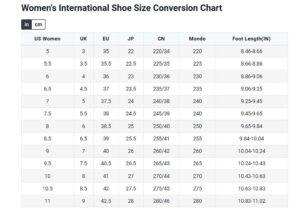
GS sizing can vary slightly between brands. Nike’s GS sizes might differ from Adidas. This means a GS size 5 in Nike may not be the same in Adidas. It’s important to check each brand’s size chart. Brands like New Balance may have their own unique sizing too.
Even within the same brand, different models might fit differently. For example, a GS size 6 in one Nike model might feel different in another. Always try on shoes or measure your foot before buying. This ensures a perfect fit. Understanding these differences helps in choosing the right size.
Benefits Of Gs Shoes
GS shoes, meaning Grade School shoes, are designed for older children. They offer comfort and support for growing feet. Ideal for active kids.
## Benefits of GS Shoes
When it comes to choosing the perfect footwear, GS shoes offer numerous benefits that you simply can’t ignore. Whether you’re shopping for your child or yourself, understanding why GS shoes are a smart choice can make all the difference. Let’s dive into the key advantages of GS shoes, focusing on comfort, fit, and affordability.
###
Comfort And Fit
Have you ever worn a pair of shoes that felt like they were made just for you? That’s the magic of GS shoes.
GS stands for Grade School, but don’t let the name fool you. These shoes provide excellent comfort and fit for both kids and adults with smaller feet.
I remember buying a pair for my niece, who has very picky feet. She loved how snug and comfortable they felt right from the start. The cushioning is just right, providing support without being too bulky.
You’ll find the materials used are soft yet durable, ensuring your feet stay cozy throughout the day. Plus, the variety of designs ensures there’s something for everyone, whether you’re into sports or casual wear.