Trace your foot on paper, measure heel-to-longest-toe and widest point, then use a size chart.
I’ve measured hundreds of feet in stores and at home, and this guide will teach you exactly how to measure foot for shoe size and width with confidence. You’ll get clear steps, simple tools, conversion tips, and real-world advice so you pick shoes that fit comfortably and last longer.
Why measuring your feet matters
Good fit starts with good data. If you skip learning how to measure foot for shoe size and width, you risk blisters, pain, and shoes that wear out faster. A correct measurement helps you choose the right size across brands and styles.
I’ve seen people one size off because they measured only one foot or did it at the wrong time of day. Small changes in length or width change comfort a lot. Measuring is quick, cheap, and it pays off every time you buy shoes.

Tools you need before you begin
You don’t need fancy gear. A few simple items are enough to learn how to measure foot for shoe size and width accurately.
- A sheet of plain paper larger than your foot
- A pen or pencil with a fine tip
- A ruler or tape measure that shows centimeters and inches
- A chair to sit on and a flat, hard floor
- Socks you plan to wear with the shoes (thin or thick as needed)
Optional pro tool: a Brannock device. It’s the metal tool stores use to read length and width. It speeds things and is more precise, but paper-and-ruler works well.
Step-by-step: How to measure foot for shoe size and width
Follow these clear steps to get reliable numbers you can use with any shoe chart.
- Prepare
- Place the paper on a flat floor and sit with your foot flat, knee at a 90-degree angle.
- Put on the socks you will wear with the shoes. Measure both feet—most people have one foot slightly larger.
- Trace your foot
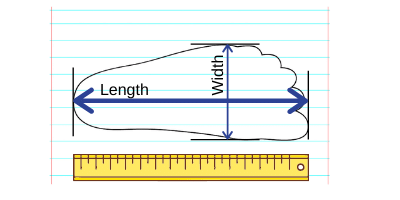
- Press your foot down firmly and keep weight on it while you trace.
- Hold the pen straight up and down to avoid making the trace larger.
- Measure length
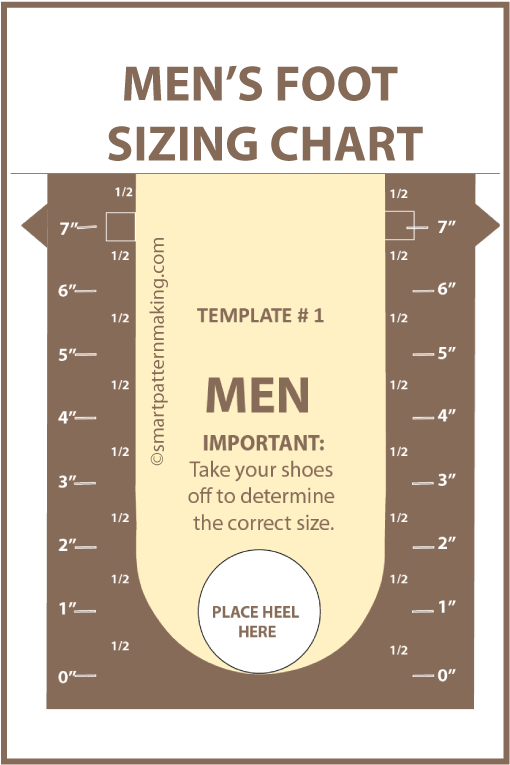
- Draw a straight line at the heel and at the longest toe.
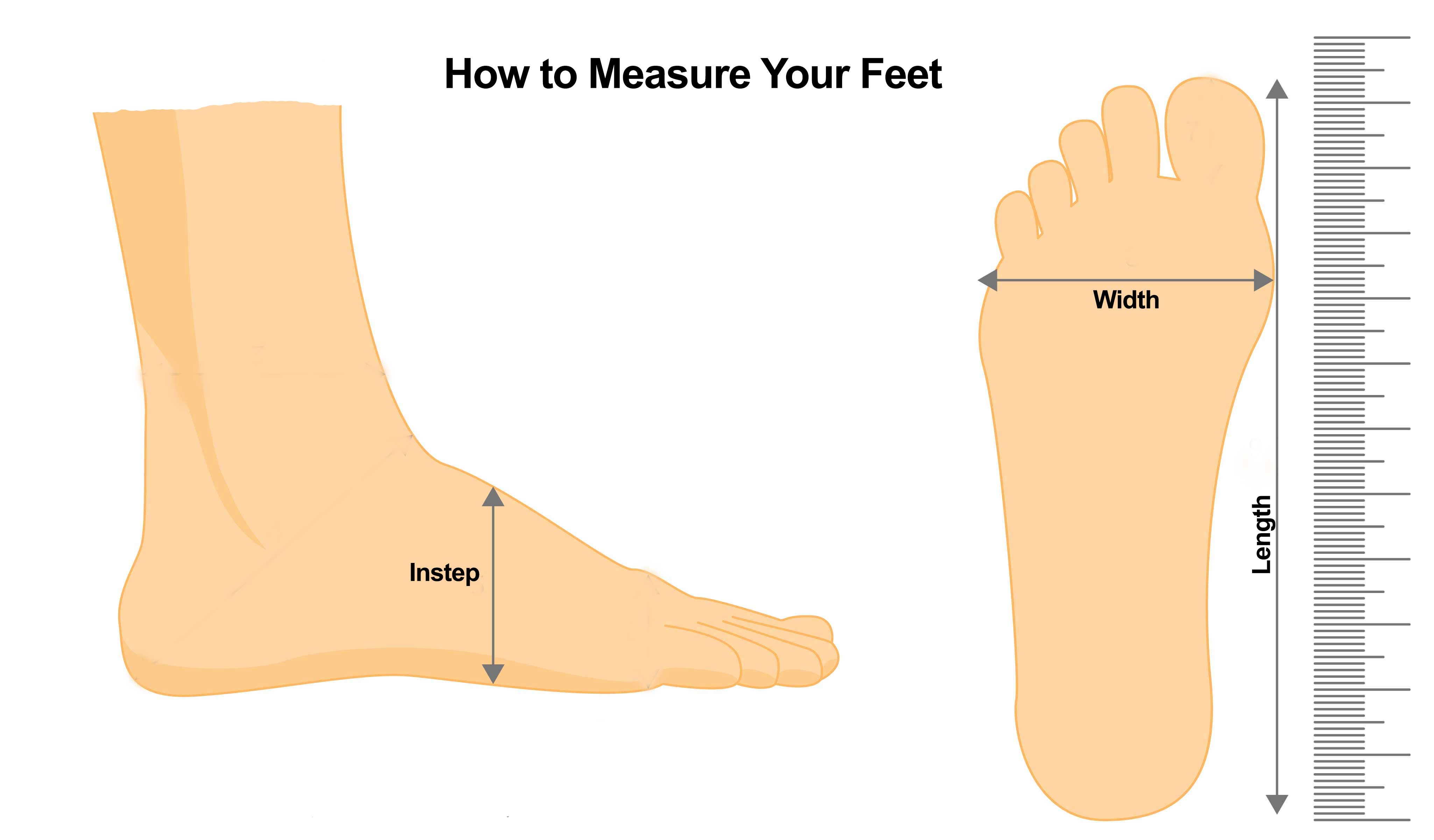
- Use a ruler to measure from heel line to the longest toe in centimeters and inches.
- Record the measurement for both feet. Use the larger value when picking sizes.
- Measure width
- Mark the widest points across the ball of your foot (the area under the big toe joint and little toe joint).
- Measure the distance between these marks in centimeters and inches.
- Note that width can vary by shoe style and brand.
- Check for arch and volume
- Press your thumb into the arch and note height. Low or high arches affect fit.
- Consider foot volume—full feet may need wider sizes even with average width numbers.
- Convert to shoe size
- Use a size chart to convert your longest-foot measurement to US/UK/EU sizes. Many charts list foot length in cm.
- When in doubt, round up if you are between sizes. Better to have slight extra toe room than too little.
- Try shoes on in person or order with measurements
* If you buy online, compare your cm measurement to the brand’s chart.
- Read return policies and check reviews about fit. Brands differ.
This process will teach you how to measure foot for shoe size and width so you can shop with data, not guesswork.
How to interpret measurements: size charts and width letters
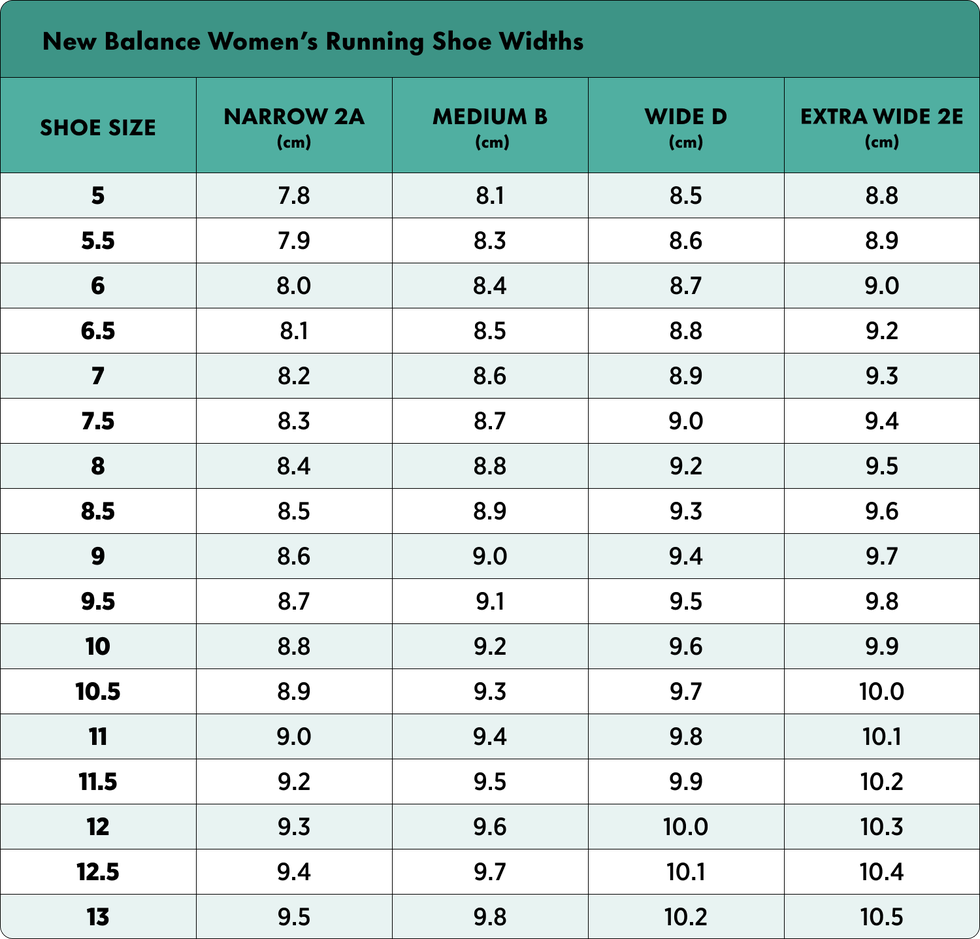
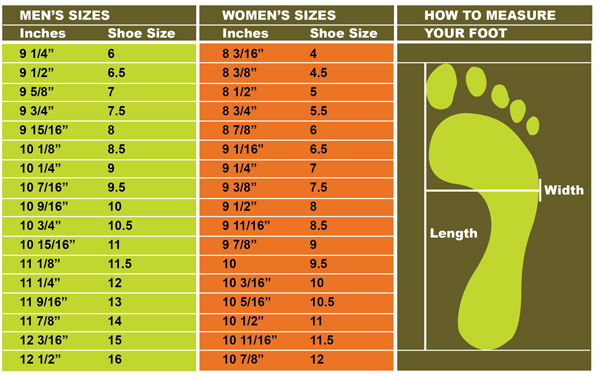
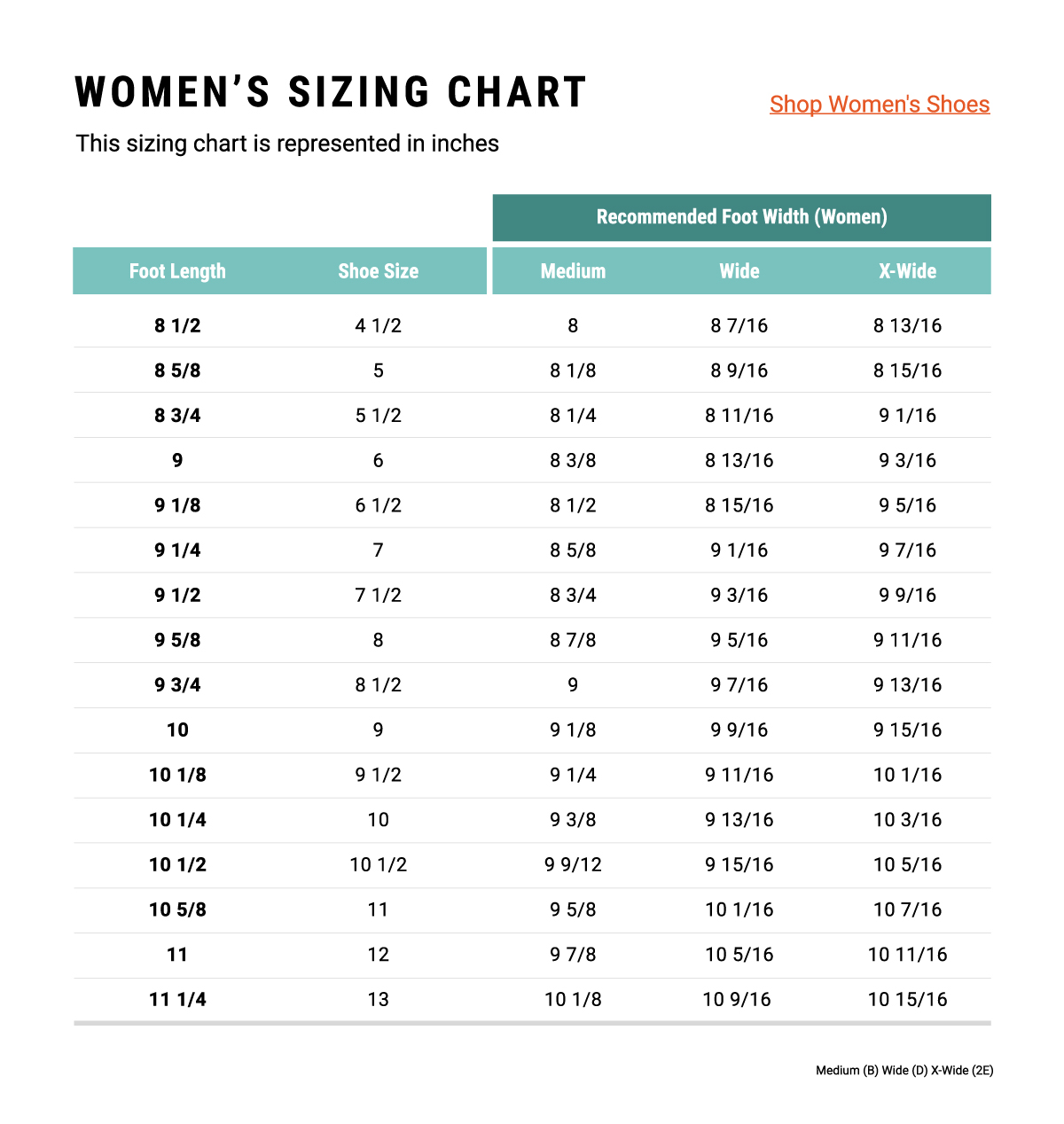
Once you have length and width numbers, you need to interpret them. Size charts convert foot length to numeric sizes; width letters tell you how broad a shoe is.
- Length conversion
- Most charts show foot length in centimeters matched to US, UK, and EU numbers.
- A 24.5 cm foot commonly maps to US women’s 8 or US men’s 6, but check the brand chart.
- Width letters
- Common width letters: B or M for medium woman, D or M for medium man, E/EE for wide.
- Letters vary by brand. A D in one brand may feel different than a D in another.
Practical rule: always use the foot length in cm as your anchor. Then pick the width letter based on your measured width and how the brand defines width. If you wear orthotics, add extra width and volume.
Common mistakes and troubleshooting
Avoid these small mistakes that lead to poor fit. Fixing them saves time and money.
- Measuring only one foot
- Your feet aren’t perfectly equal. Always use the larger foot measurement.
- Measuring while sitting or on carpet
- Stand or press weight down onto the foot to get true length and width.
- Using wrong measurement units
- Convert consistently. If the brand chart is in cm, use cm.
- Ignoring sock thickness and insoles
- Measure with the same sock thickness and any insert you plan to use.
- Assuming size numbers are universal
- Size labels vary. Trust measurements, not numbers alone.
When shoes feel tight in the toe after following the steps, re-check your longest-toe measurement and try the next half-size up.
Tips for kids, special conditions, and tricky feet
Kids, pregnant people, and those with special conditions need tweaks when learning how to measure foot for shoe size and width.
- Kids
- Measure every 2–3 months for toddlers. Always allow about a thumb’s width of growth room.
- Pregnancy
- Feet swell during pregnancy. Measure near the end of the day and consider half a size up.
- Flat feet or high arch
- Try shoes with supportive insoles or seek brands that offer arch support. Measure volume as well as width.
- Orthotics
- Measure with orthotic in place or add 0.5 to 1 size for space. Some shoes have removable insoles to fit orthotics.
Personal note: I once recommended a half-size up for a runner with wide forefeet. The small change stopped pain and extended shoe life. Small adjustments go a long way.
Frequently Asked Questions of how to measure foot for shoe size and width
How often should I measure my feet?
Measure every six months for adults and every 2–3 months for children. Feet can change with weight, activity, and age.
Can I measure my foot without tracing?
Yes. Stand on a ruler against a wall and press your heel to the wall. Mark the longest toe and measure. Tracing is often easier and more precise.
What if one foot is larger than the other?
Use the larger foot’s measurements to pick shoe size. You can use thin inserts on the smaller side to improve fit.
How much toe room should I leave?
Aim for about 0.5 to 1.2 centimeters (roughly a thumb’s width) from longest toe to shoe end. Runners often prefer 1–1.5 cm for downhill runs.
Are width letters the same for all brands?
No. Width letters vary by brand and country. Always check brand-specific charts and try shoes on when possible.
Conclusion
Learning how to measure foot for shoe size and width is a small habit that yields big comfort and better shoe life. Measure both feet, use a paper trace or Brannock device, record length in centimeters, and match that to reliable size charts. If you ever doubt, pick the larger measurement and read brand fit notes.
Try these steps before your next shoe purchase. Share your results or questions below, subscribe for more practical guides, or leave a comment about a tricky fit you solved.

Rubel Miah is the Senior Editor at MyStyleGrid.com, where he brings a sharp editorial eye and an unshakable love for fashion to everything he does. A true style addict, Rubel lives and breathes trends, from streetwear to high fashion, and has a knack for turning inspiration into impactful stories. With years of experience in fashion journalism and digital media, he curates content that empowers readers to express themselves through style. When he’s not editing features or forecasting the next big thing, you’ll find him hunting down vintage pieces or capturing street style moments around the city.