Break them in slowly: short walks, thick socks, and small stretches over 1–2 weeks.
I’ve helped dozens of runners, club players, and casual walkers learn how to break in new tennis shoes without pain or damage. This guide combines hands-on experience, practical tips, and safe techniques so you can get comfort and performance fast. Read on for a clear, step-by-step plan for how to break in new tennis shoes, fixes for common problems, and smart care to extend shoe life.
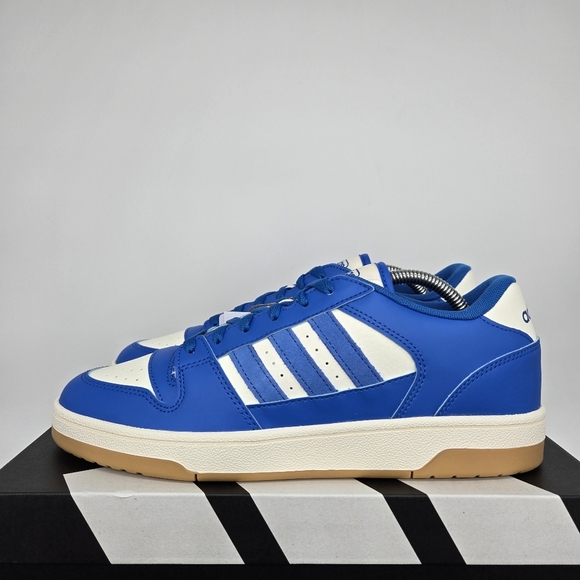
Why breaking in new tennis shoes matters
Breaking in new tennis shoes sets up comfort, reduces blisters, and keeps your feet healthy. A proper break-in helps the sole flex where your foot needs it. It also lets the upper and insole mold to your foot. Poor break-in can cause pain, injury, or early wear, so taking the right steps matters.
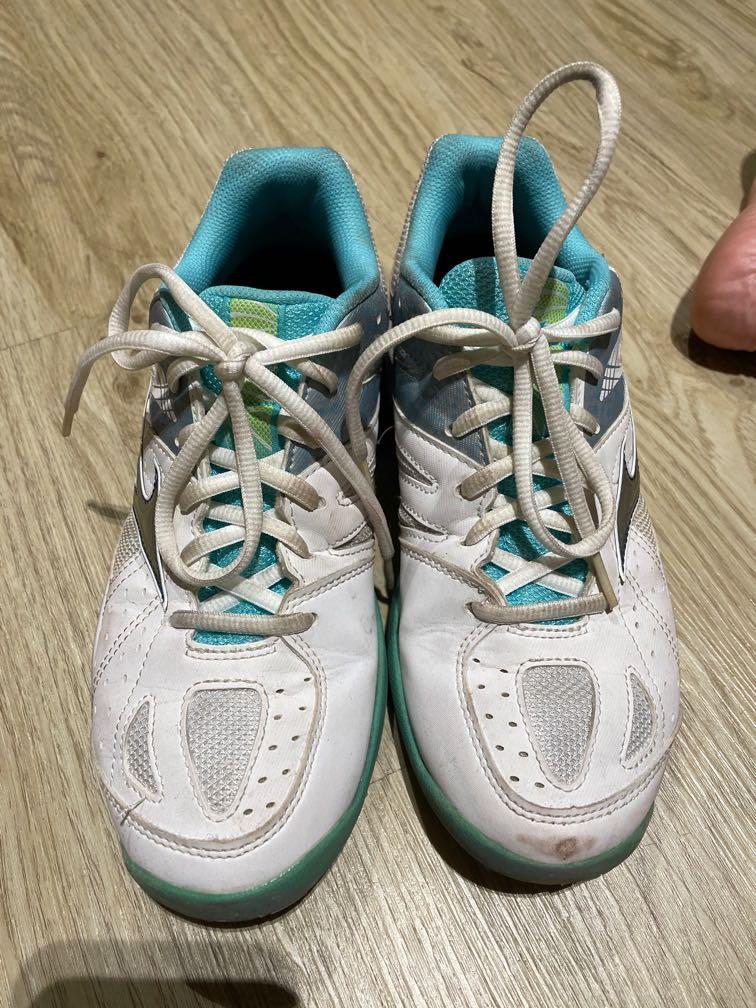
How to break in new tennis shoes: step-by-step guide
Follow this simple plan to break in new tennis shoes safely and quickly.
-
Wear them at home first
- Put on the shoes with the socks you plan to use.
- Walk around on carpet for 15–30 minutes to test fit and spot hotspots.
- Do this for two to three sessions on day one.
-
Gradually increase activity
- Add short walks of 20–30 minutes on day two or three.
- Mix in light drills or court footwork if you’ll use them for tennis.
- Avoid long runs or intense matches in the first week.
-
Use thicker socks selectively
- One or two thick sock sessions can stretch tight spots.
- Don’t wear overly bulky socks continuously; they can mask poor fit.
-
Break in the sole and flex points
- Do gentle flexes with your hands and controlled bends of the toe box.
- Walk on varied surfaces to let the midsole compress naturally.
-
Adjust lacing for fit
- Use heel-lock or runner’s loop lacing when you need less heel slip.
- Loosen the forefoot area if toes feel jammed.
-
Test and tune insoles
- Try the shoes with the stock insole, then swap to a thin or custom insole if needed.
- Insoles can fix arch or heel pain without breaking the shoe.
-
Know your timeline
- Most shoes feel much better after 1–2 weeks of regular short wear.
- Heavier leather or stiffer court shoes can take three weeks to fully settle.
Safety notes
- Avoid extreme heat to force-fit shoes; heat can warp midsoles and adhesives.
- If pain persists after two weeks, consider a different size or model.
How-to tips from experience
- I always log short trial sessions and check for red marks after each wear.
- If a shoe causes a blister once, stop and treat the spot before more wear.

Tools and methods that work (and ones to avoid)
Use small tools to speed comfort but use them carefully.
Tools that help
- Thick socks: safe for gentle stretching and cushioning.
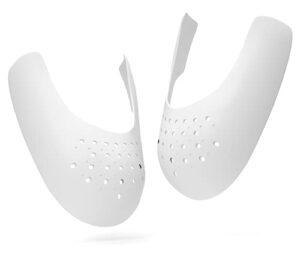
- Shoe stretcher: good for targeted width in the toe box.
- Insoles and heel pads: quick fix for arch or heel issues.
- Anti-blister balm or tape: prevents hotspots while breaking in.
Methods to use with caution
- Hairdryer or heat: mild, indirect heat can soften leather, but excessive heat can damage adhesives.
- Freezing trick (water bags in shoes): can slightly expand tight areas, but risks warping some materials. Test on an old pair first.
Methods to avoid
- Boiling or soaking shoes: destroys glue and foam.
- Over-stretching in one session: creates loose support and unstable fit.
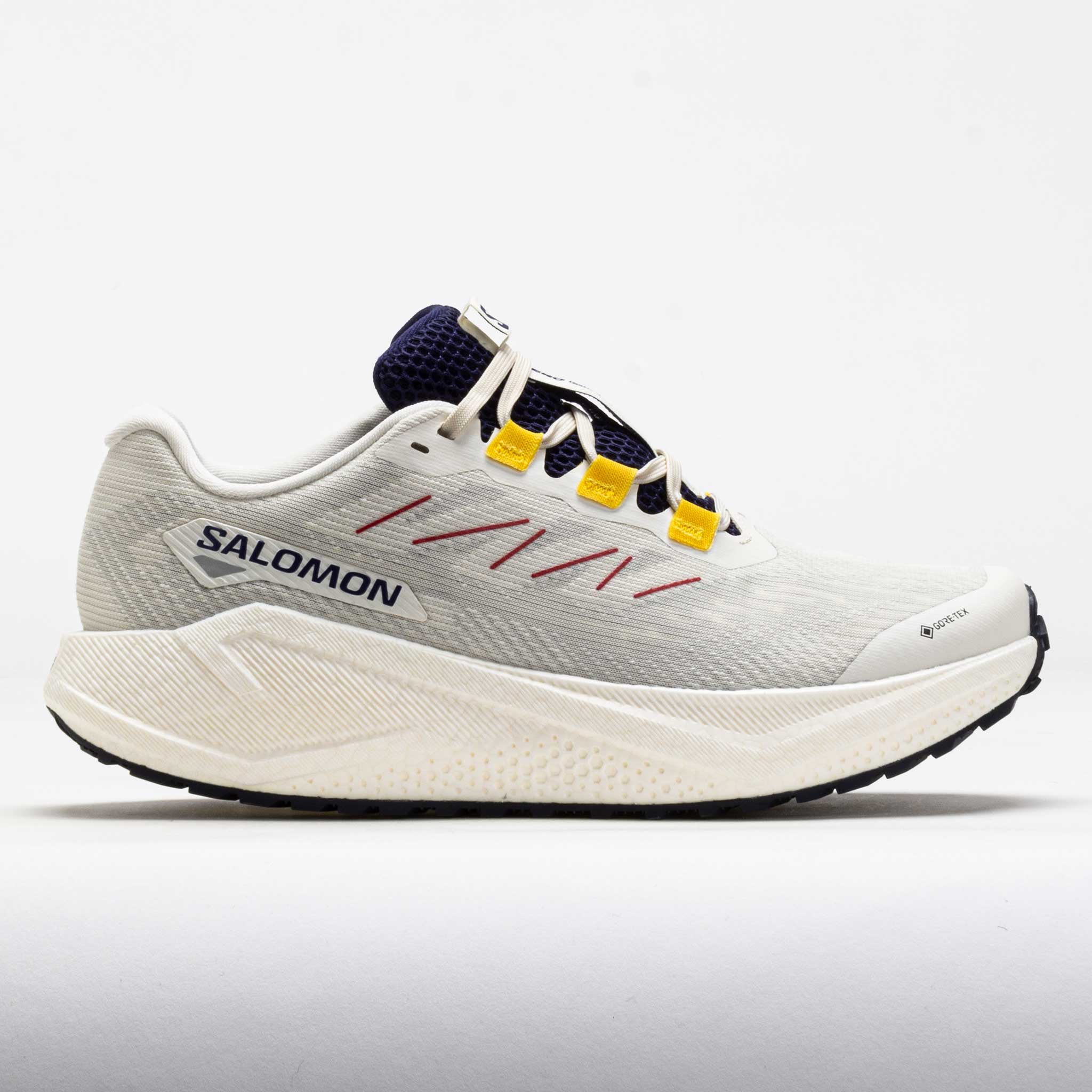
Dealing with common break-in problems
Here are fixes for the issues you’ll likely meet while you break in new tennis shoes.
Blisters and hotspots
- Apply moleskin or blister patches before wearing.
- Use anti-friction balm and break in with short sessions.
Heel slip
- Try heel-lock lacing or a thin heel pad.
- If slip continues, a slightly smaller size or different heel shape may be needed.
Tight toe box
- Use a shoe stretcher or thicker socks for a few wears.
- If toes remain cramped after a week, exchange for a wider model.
Arch or midfoot pain
- Swap insoles for supportive or custom orthotics.
- Avoid pushing through sharp pain—seek a different fit or professional advice.
Persistent discomfort
- Return or exchange if pain lasts more than two weeks despite fixes.
- Don’t force a long break-in; a wrong shape shoe rarely becomes comfortable.
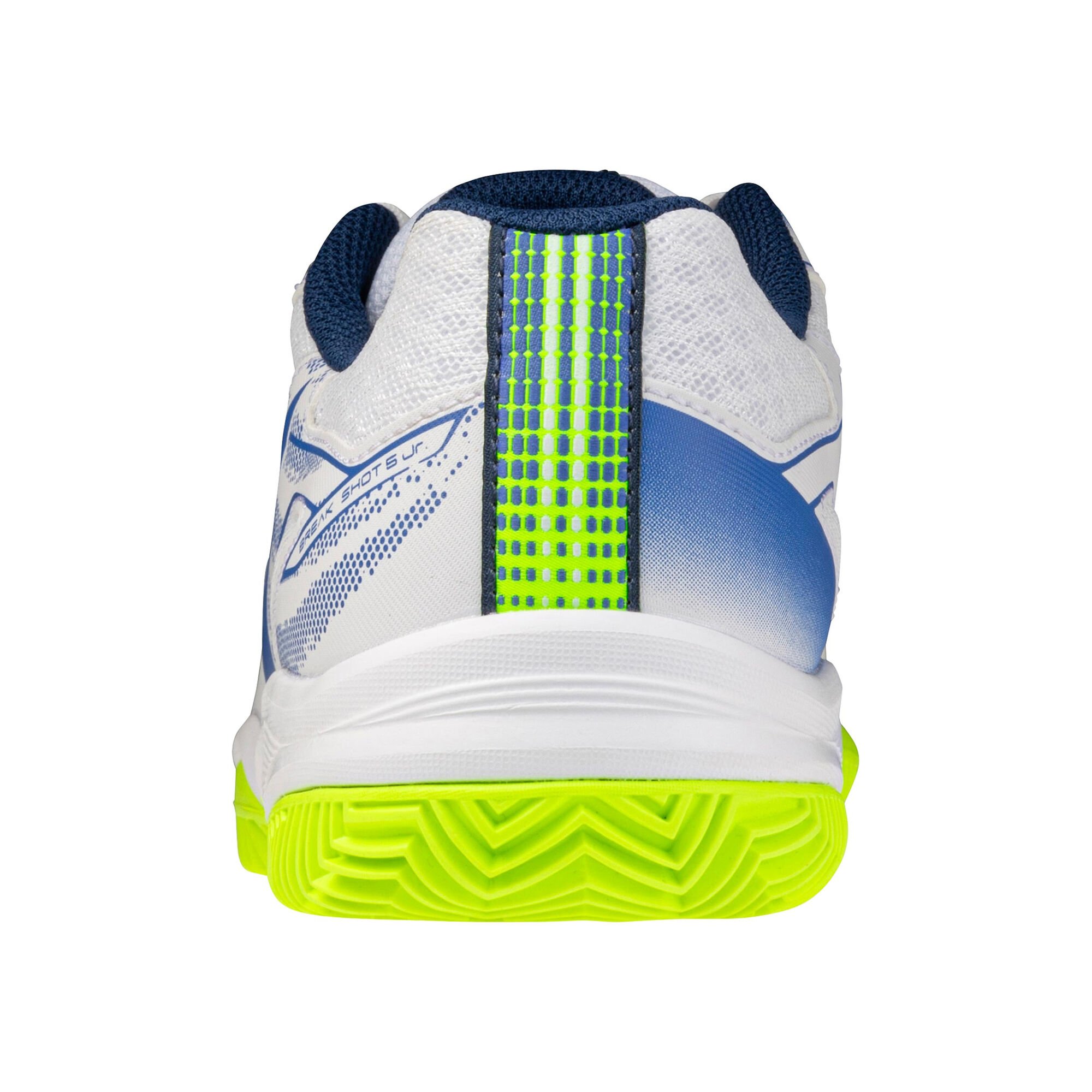
Materials and shoe types: how break-in differs
The way you break in new tennis shoes depends on what they’re made of.
Mesh and knit uppers
- Stretch and conform quickly.
- Break in time is usually short — a few light wears.
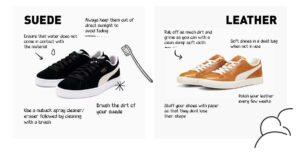
Leather uppers
- Need more time to soften and mold.
- Careful heating and conditioning can help, but go slow.
Synthetic uppers
- Often stable and require minimal break-in.
- Some synthetics resist stretching; choose the right size initially.
Foam midsoles and TPU plates
- Modern foams compress over several wears.
- Rigid plates may feel stiff; short sessions help your muscles adapt.
Court shoes vs running shoes
- Court shoes need lateral support; break-in must preserve stability.
- Running shoes focus on forward flex and cushioning; gradual mileage buildup matters.

Care during and after break-in to keep shoes healthy
Protect your investment while you break in new tennis shoes and after.
Rotate shoes
- Give shoes a day to air out between sessions to let midsoles rebound.
- Rotating two pairs reduces wear and speeds comfort.
Drying and cleaning
- Air-dry naturally; avoid direct sunlight and heaters.
- Wipe sweat and dirt after sessions to prevent material breakdown.
Lacing and storage
- Loosen laces when you store to reduce pressure.
- Store in a cool, dry place away from dampness.
Maintenance
- Replace insoles when they compress.
- Reapply waterproofing or conditioners for leather models as needed.
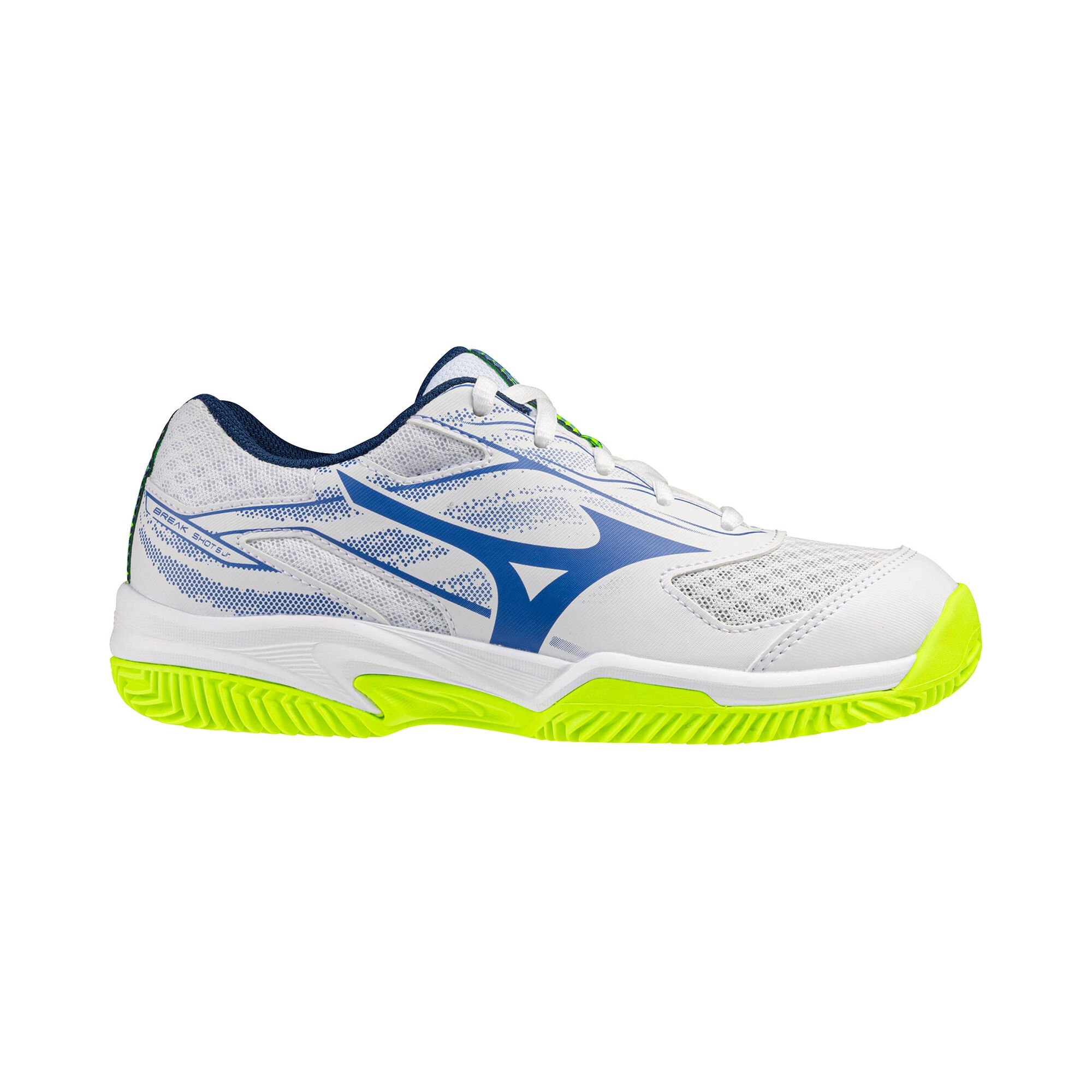
Frequently Asked Questions of how to break in new tennis shoes
How long should I break in new tennis shoes?
Most shoes improve after about 1–2 weeks of regular short wear. Stiffer shoes like leather or heavy court models can take 2–3 weeks.
Can I run in new tennis shoes on day one?
Avoid long runs on day one; start with short walks or easy drills and build up to full runs over a week or two.
Will heat speed up how to break in new tennis shoes?
Mild, controlled heat can soften some leather, but high heat can damage glue and foam. Use heat with caution and never soak or boil.
Are shoe stretchers safe for tennis shoes?
Yes, shoe stretchers are safe for many uppers, especially leather. Use them gradually and test adjustments in small steps.
When should I give up on breaking in a pair?
If pain or improper fit persists after two weeks of consistent tweaks, return or exchange the shoes for a better-fitting model.
Conclusion
Breaking in new tennis shoes is a short process when you go slow, use smart methods, and listen to your feet. Start with short wears, adjust lacing and insoles, and treat hotspots early. If a shoe still hurts after steady effort, switching models is better than risking injury. Try the steps here this week, keep notes on what worked, and come back for more tips or to share your experience. Leave a comment or subscribe for more shoe care and performance advice.

Rubel Miah is the Senior Editor at MyStyleGrid.com, where he brings a sharp editorial eye and an unshakable love for fashion to everything he does. A true style addict, Rubel lives and breathes trends, from streetwear to high fashion, and has a knack for turning inspiration into impactful stories. With years of experience in fashion journalism and digital media, he curates content that empowers readers to express themselves through style. When he’s not editing features or forecasting the next big thing, you’ll find him hunting down vintage pieces or capturing street style moments around the city.