Measure the insole length or trace the outsole, then convert the measurement to a size chart.
I’ve measured hundreds of shoes, from vintage finds with rubbed-off labels to handmade pairs without tags. This guide shows exactly how to measure a shoe with no size, step by step, with simple tools, clear conversion tips, and real-life warnings so you can pick the right fit every time. Read on to learn practical methods, conversion tricks, and mistakes to avoid when sizing shoes that have no size label.

Why you sometimes find shoes with no size
Shoes can lose their size label or be made without one. Some common reasons include:
- Vintage or worn shoes where the label faded.
- Handmade or custom shoes that never had a printed size.
- Export or transfer shoes from other markets with different markings.
- Secondhand or repaired shoes where the insole was replaced.
Knowing why a shoe has no size helps you pick the right measurement method. If the shoe is old or altered, measure both inside and outside to confirm fit. This article focuses on practical, repeatable ways to measure a shoe with no size so you can shop, sell, or resole with confidence.

Tools you'll need
Use simple tools you probably already have:
- Ruler or tape measure with millimeter markings.
- Flexible measuring tape (sewing type).
- Paper and pen for tracing.
- Masking tape to mark points if needed.
- Caliper (optional) for precise internal width.
These tools make measuring fast and accurate. If you want very precise results, use a caliper and measure in millimeters. For most everyday needs, a ruler or tape works well when measuring how to measure a shoe with no size.
Three reliable methods to measure a shoe with no size
Below are three proven methods. Pick the one that fits the shoe type and your tools.
Method 1 — Trace the insole or outsole
This is the easiest and works for most shoes.
- Remove the insole if possible. If not removable, put paper inside the shoe and press flat.
- Place the insole or shoe on paper. Trace the outline with a pen held vertically.
- Mark the longest toe point and the heel edge.
- Measure the distance between those two marks in millimeters or inches.
- Compare to a length-to-size chart to find the size.
This method is especially useful when the interior is worn or label missing. Tracing gives a reliable length for how to measure a shoe with no size.
Method 2 — Measure inside length directly
Use this when you can reach inside the shoe.
- Insert a ruler or flexible tape inside the shoe.
- Press it flat along the footbed from heel to the tip of the toe box.
- Record the measurement at the longest point.
- Repeat for the other shoe; use the larger value.
Direct inside measurement reduces error from sole thickness and is handy for boots and closed shoes.
Method 3 — Measure external sole length and adjust
Good for boots, sandals with thick soles, or shoes you can’t open.
- Lay the shoe on its side and measure the full external sole length.
- Subtract a standard allowance (usually 4–10 mm) to estimate internal length.
- Use allowance based on sole thickness: thin soles subtract less; thick soles subtract more.
- Convert the estimated internal length to a size chart.
This method helps when insoles won’t come out. It’s also useful when measuring how to measure a shoe with no size that has platform or chunky soles.
.jpg)
Converting measurements to shoe sizes
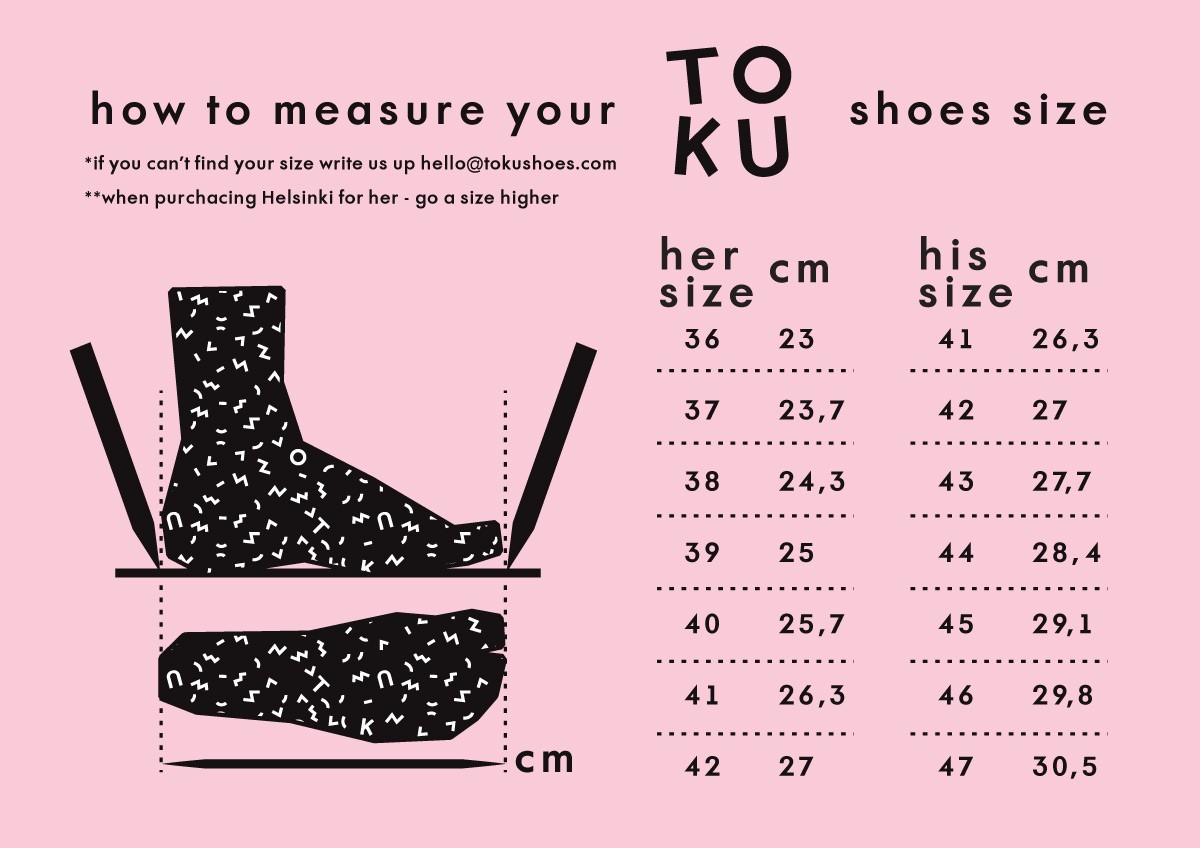
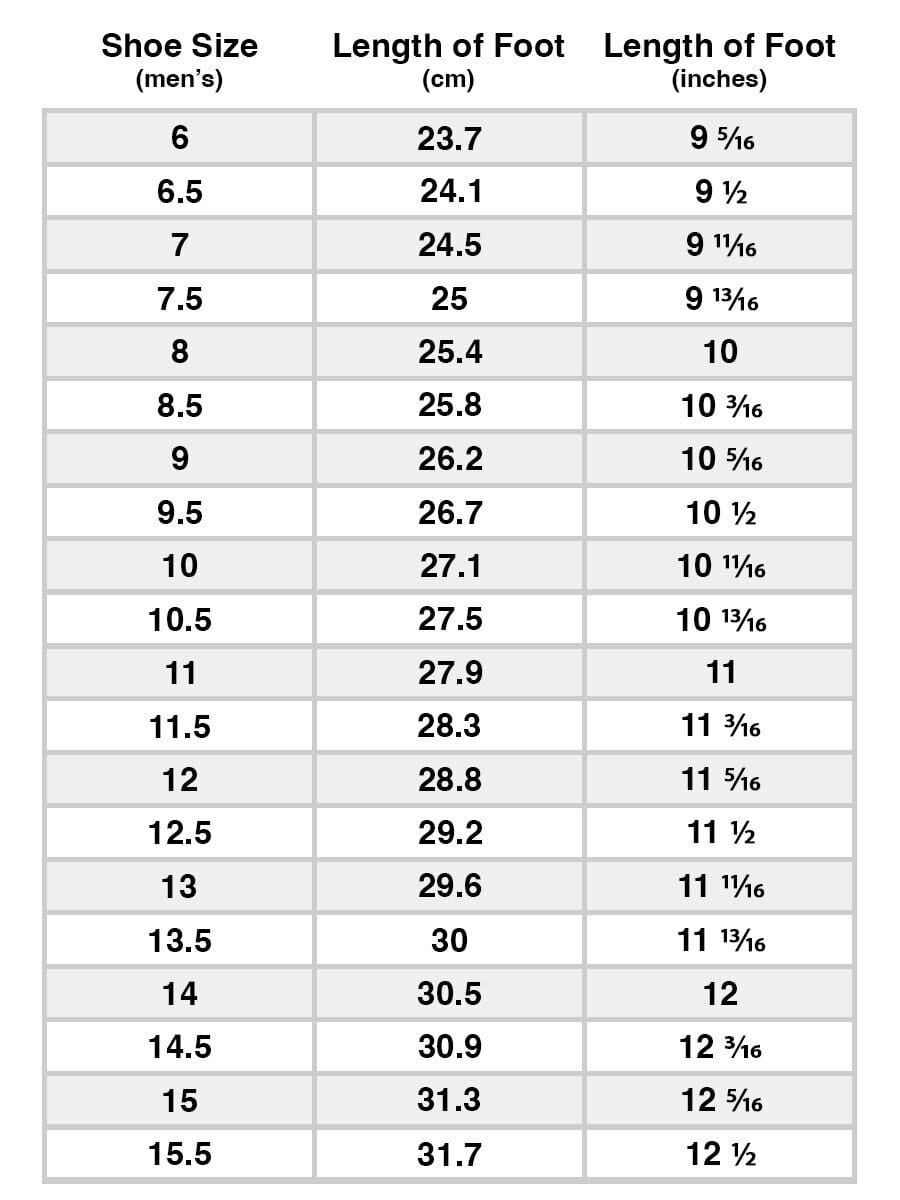
Raw length needs conversion to standard sizes. Use these steps:
- Measure in millimeters for best accuracy.
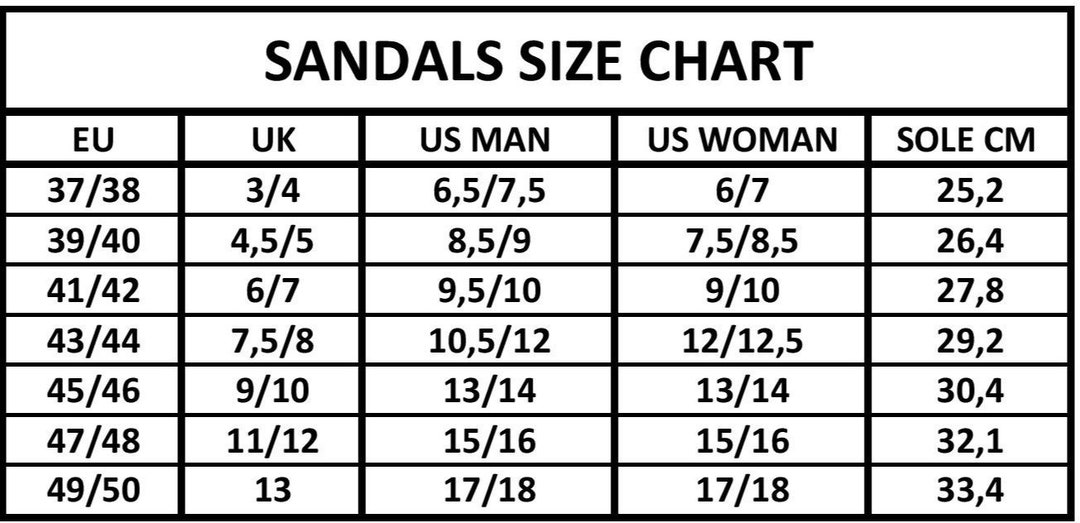
- Use a size chart for the target market (US, UK, EU, JP).
- Account for fit type: narrow, medium, or wide.
Quick conversion tips:
- Men’s and women’s sizes differ. Convert using gender-specific charts.
- Half sizes fall between exact length steps. When close, choose half size up for comfort.
- Width matters. If your foot is wide, add 4–6 mm to the internal length you choose.
Example: a 260 mm internal length typically equals US Men 8.5 or US Women 10, but always verify with a chart. For exact conversions, follow the shoe brand’s specific chart when possible. When estimating how to measure a shoe with no size, always confirm with the seller or try the shoe if feasible.
Tips for tricky shoes: boots, sandals, and heels
Different styles need different approaches.
- Boots: Measure with the insole removed if possible and while the boot is upright. Taller shafts don’t change length but can affect fit feel.
- Sandals: Measure the footbed where your foot sits, not the decorative sole edge. Straps can change fit; check strap placement.
- Heels: Measure the insole length and consider extra room for toes. High heels often run small; allow half size up for comfort.
- Kids’ shoes: Leave 8–12 mm growth room. Measure both feet and use the larger one.
These tips help you adapt how to measure a shoe with no size to different constructions and ensure better outcomes.
:max_bytes(150000):strip_icc()/ShoeSizeInInches-0143-43674c789b5b43889c639772fc78326e-bdc1c95b17fa4eab8110140db5024df7.jpg)
Common mistakes and how to avoid them
Watch out for these frequent errors:
- Measuring only the outside sole and assuming internal length matches. Always adjust for sole thickness.
- Measuring one shoe only. Always measure both and use the larger measurement.
- Forgetting to account for foot width. Length alone does not guarantee fit.
- Using inches and rounding too much. Millimeters are more precise.
- Ignoring age or brand variation. Older brands may size differently.
Avoid these and your measurement of how to measure a shoe with no size will be much more reliable.
People also ask (short PAA answers)
What if the insole is glued and won’t come out?
- Measure inside by inserting a flexible tape along the footbed from heel to toe. If not accessible, trace the outsole and subtract allowance.
Can I estimate size from shoe length alone?
- You can estimate but must account for width and sole thickness. Use length as the main guide and confirm with fit tips.
Is there a mobile app to help measure shoes?
- Yes, some apps use phone cameras to estimate length. Validate app results by measuring manually for best accuracy.
Personal experience and lessons learned
I once bought a pair of vintage boots with no size label. I traced the insole and measured twice. The store used a different country’s sizing. I saved a return by converting millimeters to US sizes and allowing extra width. Key lessons:
- Measure both feet first, then measure the shoe.
- Keep a small ruler in your bag for last-minute checks.
- When in doubt, choose a slightly larger size and use insoles for snugness.
These real steps helped me avoid poor fits and returned items. They can help you too when learning how to measure a shoe with no size.
Frequently Asked Questions of how to measure a shoe with no size
How do I measure a shoe with no size at home?
Remove the insole if possible, trace it on paper, and measure heel-to-toe in millimeters. Convert the measurement using a size chart for the region you need.
Can I use the shoe’s outsole to determine the size?
Yes, measure the outsole and subtract 4–10 mm to estimate internal length based on sole thickness. Use this as a fallback when you can’t access the insole.
How accurate are phone apps for shoe measurement?
Phone apps can give a quick estimate but vary in accuracy. Always verify app results with a physical measurement in millimeters.
Do I need to measure both shoes?
Yes. Feet are often different sizes. Measure both shoes and use the larger value to select a size.
What if the shoe feels tight after measuring?
If the shoe is tight, add one half-size or use removable insoles for extra comfort. For wide feet, choose a wider fit or add 4–6 mm to your measured length.
Wrap up and next steps
You now have practical ways to measure a shoe with no size. Use simple tools, measure in millimeters, and convert carefully to the correct sizing system. Test both shoes and account for width and style. Try these methods next time you find a shoeless label and leave a comment about what worked for you. If you want more guides, subscribe or check our related posts for conversion charts and printable tracing templates.

Rubel Miah is the Senior Editor at MyStyleGrid.com, where he brings a sharp editorial eye and an unshakable love for fashion to everything he does. A true style addict, Rubel lives and breathes trends, from streetwear to high fashion, and has a knack for turning inspiration into impactful stories. With years of experience in fashion journalism and digital media, he curates content that empowers readers to express themselves through style. When he’s not editing features or forecasting the next big thing, you’ll find him hunting down vintage pieces or capturing street style moments around the city.