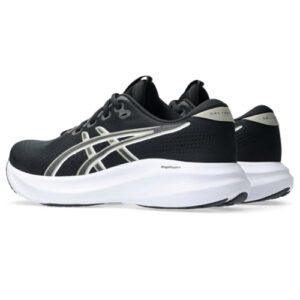
Store, clean, condition, rotate, and control humidity to prevent dry rot shoes quickly.
I’ve spent years caring for boots and dress shoes for clients and myself. I’ll show clear, tested steps on how to prevent dry rot shoes. You’ll learn what causes dry rot, how to spot it early, daily habits that stop it, how to fix small problems, and when to replace a pair. This guide blends real-world experience and easy routines so your shoes last longer and look better.

Why shoes develop dry rot
Dry rot is leather and rubber breaking down from age, heat, and low humidity. It happens when materials lose oils and flexibility. Leather, synthetic soles, and adhesives all can fail.
Common causes include:
- Prolonged sun or heat exposure
- Dry storage with low humidity
- Lack of regular cleaning and conditioning
- Long-term compression without rotation
- Chemical damage from salt or harsh cleaners
Knowing these causes helps you plan care. If you focus on humidity, cleaning, conditioning, and rotation you cut risk dramatically. I’ve seen dress shoes in closets go brittle in under a year from poor storage.
Signs of dry rot to catch early
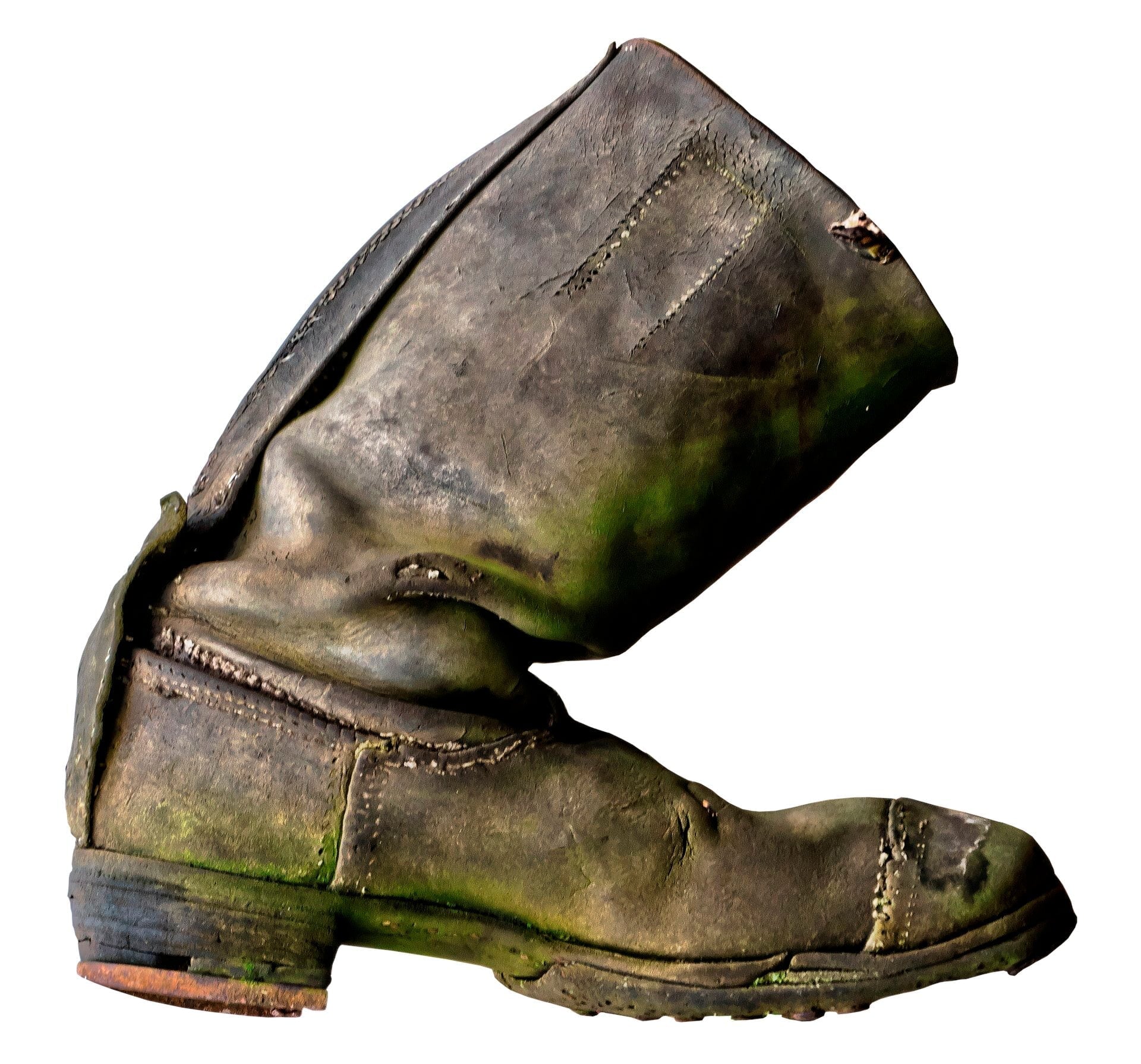
Spotting dry rot early saves a pair. Check for:
- Cracks along the shaft or toe box that feel dry to the touch
- Flaky or powdery leather surface
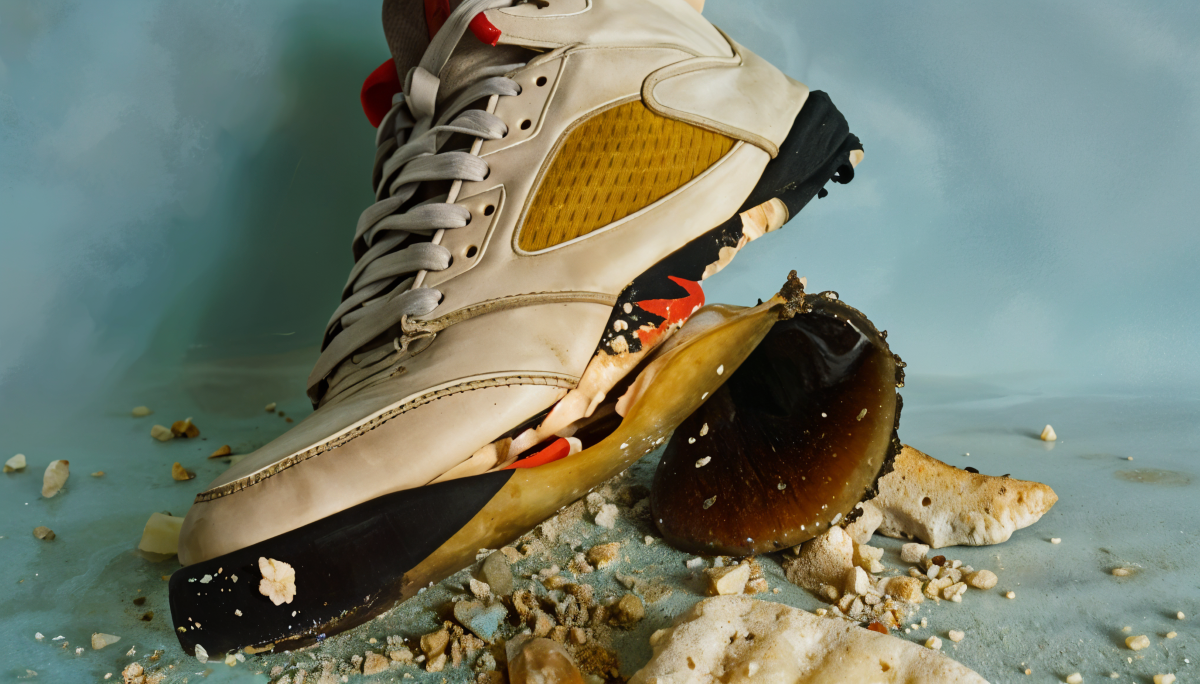
- Crunchy, brittle soles or separation at the welt
- Unusual creasing that doesn’t flex back
- Foul, stale smell in closed storage
Inspect shoes monthly if you rotate often. Take photos to track changes. If small cracks appear, you can often reverse the problem with conditioning and repair before full replacement is needed.
Top preventive strategies for how to prevent dry rot shoes
These are the core routines I recommend to prevent dry rot shoes. Follow them consistently.
Daily and weekly care
- Wipe off dirt and salt after every wear using a soft cloth. Dirt holds moisture and chemicals that accelerate breakdown.
- Let wet shoes dry naturally away from direct heat. Avoid radiators and dryers.
- Use cedar shoe trees after wear to maintain shape and draw moisture.
Monthly maintenance
- Clean leather with a gentle saddle soap or pH-balanced cleaner. Let shoes dry fully before conditioning.
- Condition with a quality leather conditioner to replenish oils. For synthetics, use manufacturer-recommended products.
- Apply a protective cream or wax for dress shoes and a waterproofer for casual pairs.
Long-term habits
- Rotate shoes. Don’t wear one pair two days in a row. Rotation lets shoes rest and recover.
- Store in a climate-controlled space with 40–60% relative humidity when possible.
- Keep shoes away from direct sunlight and heat sources.
These steps form the backbone of how to prevent dry rot shoes. Stick to them, and your footwear will last much longer.

Step-by-step care routine to prevent dry rot shoes
Follow this simple routine for each pair you own.
- After each wear
- Remove surface dirt. Insert cedar shoe trees.
- Once a week (if in regular use)
- Brush leather with a soft brush. Spot-clean stains.
- Every month
- Deep clean and condition leather. Let air dry thoroughly.
- Seasonal
- Reassess waterproofing and reapply protective treatments before rainy seasons or winter storage.
This routine is easy to remember. I keep a small kit with cleaner, conditioner, and a soft brush. It takes ten minutes per pair and prevents major damage.

Treating early dry rot and repairs
If you find early dry rot, act fast.
Quick fixes
- Deep clean to remove salts and grime.
- Use a penetrating leather conditioner. Apply thin layers and let it soak in.
- Use a flexible leather balm to restore surface suppleness.
Repairs for more advanced damage
- Re-glue separated soles and use edge dressing to protect exposed areas.
- Replace severely cracked leather panels. A cobbler can patch or resole depending on damage.
- For synthetic soles that crumble, replacement is usually necessary.
Not every pair is salvageable. I’ve revived many leather shoes with conditioning and resoling. If the foam or adhesive inside is rotten, replacement is safer.

Materials and storage: choices that reduce dry rot risk
Material choice affects vulnerability.
Leather
- Full-grain leather resists dry rot better when maintained.
- Suede needs gentle, regular brushing and specialized conditioners.
Synthetics and foam
- Some synthetics and PU soles age faster and crumble. Keep them out of heat.
Storage tips
- Use breathable shoe bags or boxes with ventilation.
- Insert cedar trees or silica gel packets to control moisture.
- Avoid plastic bags for long-term storage; they trap moisture and encourage mold.
Choosing quality materials and storing properly answers much of how to prevent dry rot shoes. Invest in good storage and you’ll prevent many problems.
Personal tips and mistakes I learned
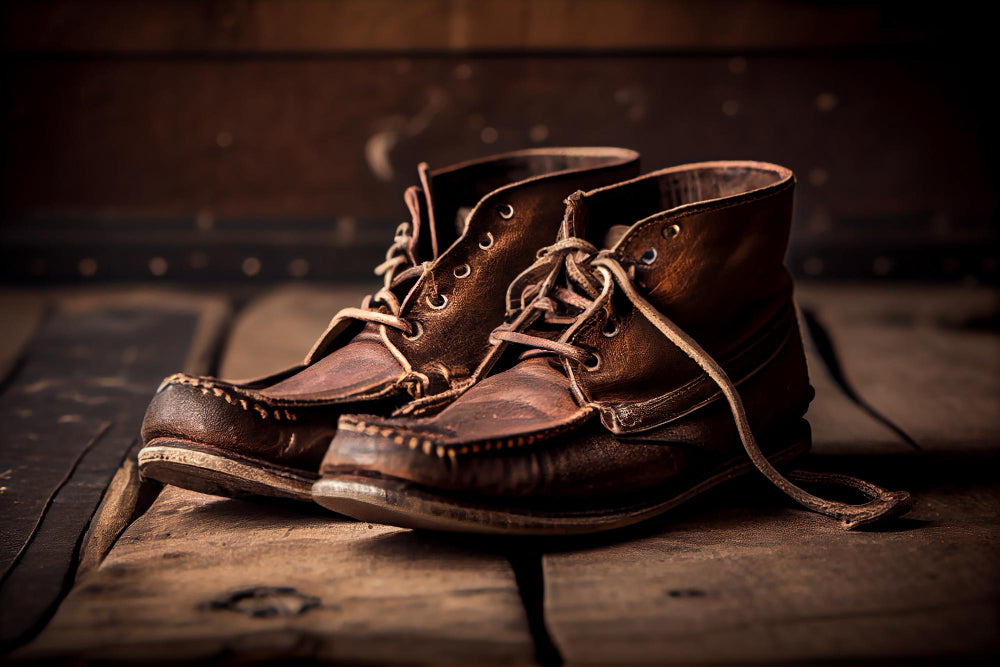
I’ve learned the hard way. Early in my shoe-care journey, I stored fancy boots in plastic bins near a heater. They looked fine, then went brittle in two years. Since then I always:
- Rotate shoes and track wear
- Keep a small maintenance kit handy
- Photograph pairs yearly to spot subtle changes
Common mistakes to avoid
- Using too much conditioner. Over-saturating leather can weaken glue joints.
- Drying shoes by heat. Heat shrinks leather and kills oils.
- Ignoring soles. Crumbling soles can ruin a shoe even if the upper looks fine.
These practical lessons shaped how I advise others on how to prevent dry rot shoes.

Frequently Asked Questions of how to prevent dry rot shoes
Can dry rot be reversed once it starts?
Minor dry rot can often be reversed with thorough cleaning and repeated conditioning. Severe cracking, adhesive failure, or crumbling soles usually require professional repair or replacement.
How often should I condition leather shoes?
Condition leather every 1–3 months if you wear them regularly. Condition less frequently for casual pairs and more often in dry climates.
Are shoe trees necessary to prevent dry rot?
Shoe trees are highly recommended. They help maintain shape, reduce creasing, and absorb moisture, all of which lower dry rot risk.
Is it bad to store shoes in plastic bins?
Yes. Plastic traps humidity variations and can promote both dry rot and mold. Use breathable boxes or cloth bags in a climate-controlled area.
Will waterproofing spray prevent dry rot?
Waterproofing spray helps against water damage but doesn’t replace conditioning. Use it as part of a full care routine to prevent dry rot shoes.
Conclusion
Keeping shoes healthy means simple, steady care. Clean, condition, rotate, and store in balanced humidity to stop dry rot before it starts. Small habits save money and keep your footwear comfortable and reliable. Start a monthly care routine today, test one pair for thirty days, and notice the difference. Share your results or questions below and subscribe for more practical shoe care tips.

Rubel Miah is the Senior Editor at MyStyleGrid.com, where he brings a sharp editorial eye and an unshakable love for fashion to everything he does. A true style addict, Rubel lives and breathes trends, from streetwear to high fashion, and has a knack for turning inspiration into impactful stories. With years of experience in fashion journalism and digital media, he curates content that empowers readers to express themselves through style. When he’s not editing features or forecasting the next big thing, you’ll find him hunting down vintage pieces or capturing street style moments around the city.