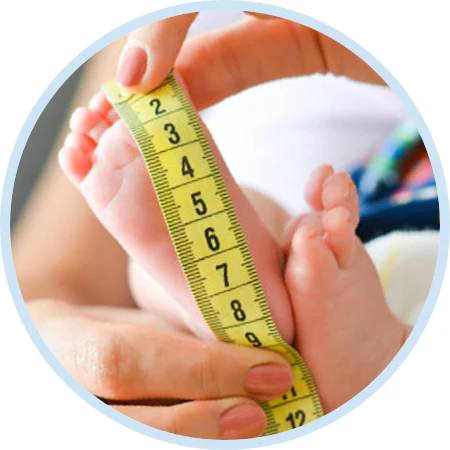
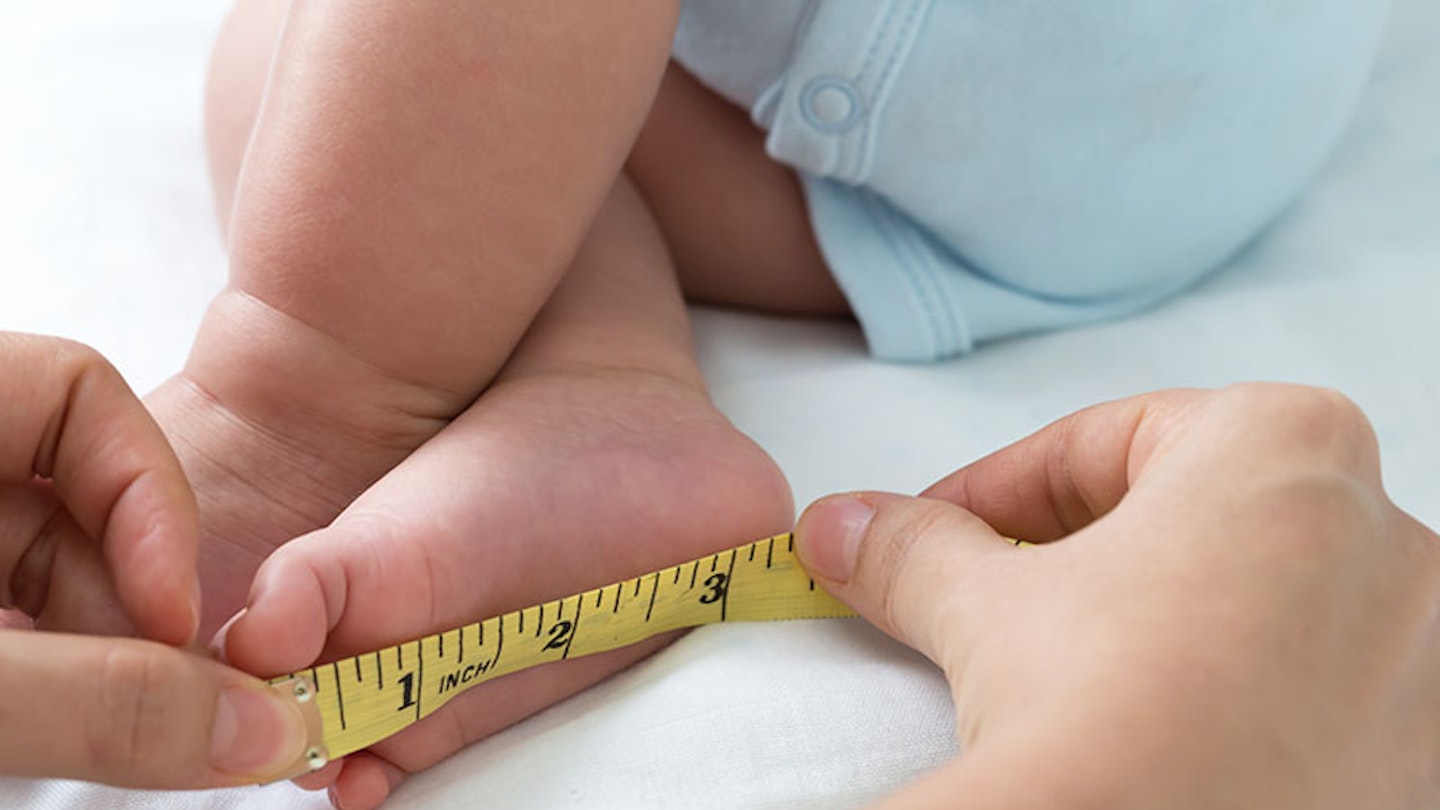
Measure your baby's foot from heel to longest toe, then add about 1/2 inch for growth.
I’ve measured hundreds of tiny feet as a parent and in my work with families. This guide explains exactly how to measure a baby's shoe size, why each step matters, and how to pick shoes that fit now and grow with your child. Read on for clear, tested steps, sizing tips, common mistakes to avoid, and quick answers to the questions parents ask most.
Why measuring right matters
A correct fit keeps baby comfortable, supports healthy foot development, and prevents blisters or trips. Babies’ feet grow fast and unevenly, so a shoe that fits today can be too tight in weeks. Measuring properly helps you buy shoes that protect soft bones and support early walking without restricting movement.
I’ve seen infants with sore feet because parents relied only on feedback like crying. That’s why learning how to measure baby's shoe size is a small step with a big payoff. Accurate measurement also saves money and avoids returns.
When to measure and how often
Feet change rapidly in the first year and again during toddler years. Measure when:
- Baby gets new socks or shoes and you’re unsure about fit.
- Your child begins pulling to stand, cruising, or walking.
- Every 6 to 8 weeks for infants under 12 months, and every 2 to 3 months for toddlers.
Measuring regularly ensures you catch growth spurts. If you notice toes pressing or shoes leaving marks, measure immediately to avoid discomfort.

Tools you need
You don’t need fancy equipment. Gather:
- A ruler or tape measure with millimeters or clear inches.
- A piece of plain paper larger than the foot.
- A pencil or pen to trace.
- Socks your baby will wear with the shoes.
Optionally, use a commercial foot measuring gauge at a store or a printable sizing chart from a reliable brand. I prefer tracing because it’s simple and accurate for home use.

Step-by-step: how to measure baby's shoe size
Follow these steps exactly to measure length and width:
- Prepare
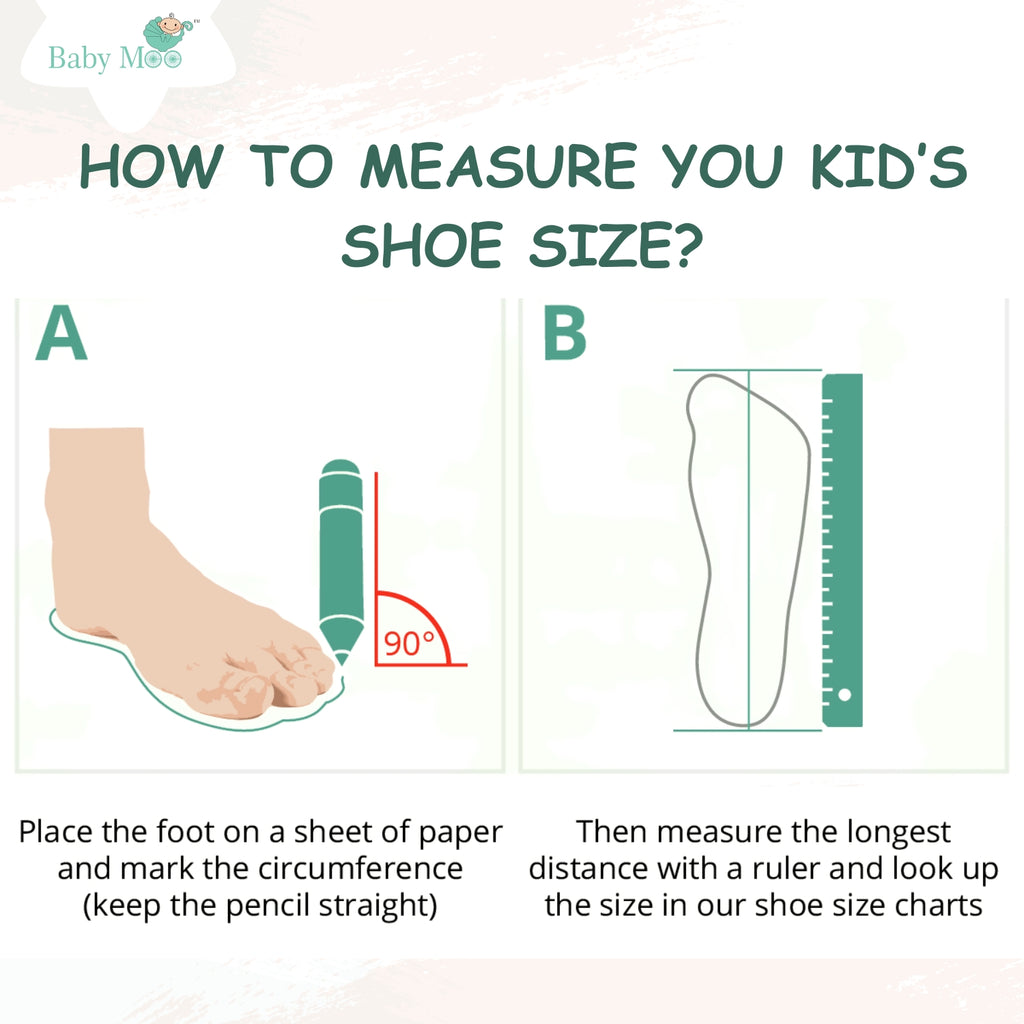
- Lay the paper on a flat, hard surface. Have baby stand with weight on the foot being measured if they can stand; otherwise, measure while the baby is seated with foot flat.
- Trace the foot
- Place the foot on the paper, keeping the heel against a small vertical edge like a book. Gently trace around the foot with the pencil held vertically.
- Measure length
- Mark the tip of the longest toe and the back of the heel. Use your ruler to measure the straight-line distance. That gives you foot length in inches or centimeters.
- Measure width
- Measure across the widest part of the tracing (usually at the ball of the foot). Note the value for shoe width choices.
- Add growth allowance
- Add about 1/2 inch (12–13 mm) for infants and up to 3/4 inch (18–20 mm) for active toddlers or fast growers. This space allows wiggle room and room for socks.
- Convert to shoe size
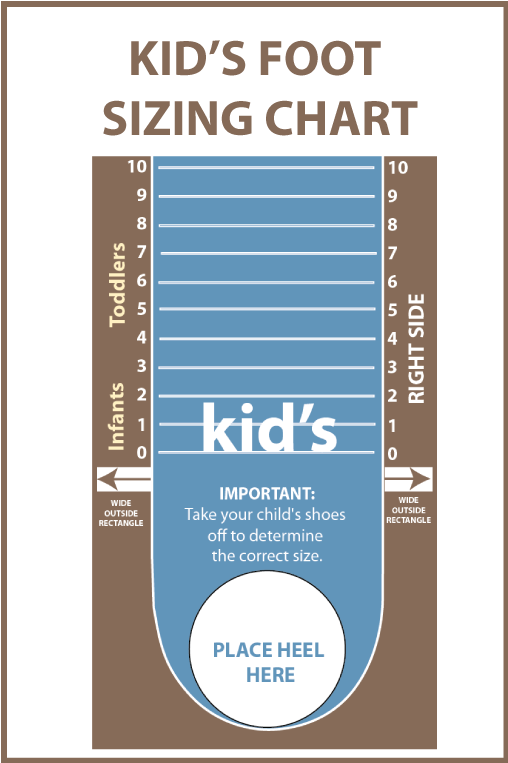
- Use a size conversion chart to turn length into the correct baby shoe size. Brands vary, so check the brand’s specific chart when possible.
I’ve measured squirmy babies many times. Tip: have a parent or helper lightly distract the baby with a toy and make tracing quick. For newborns, measure while they lie down and keep the foot relaxed.
Understanding infant sizing and conversions
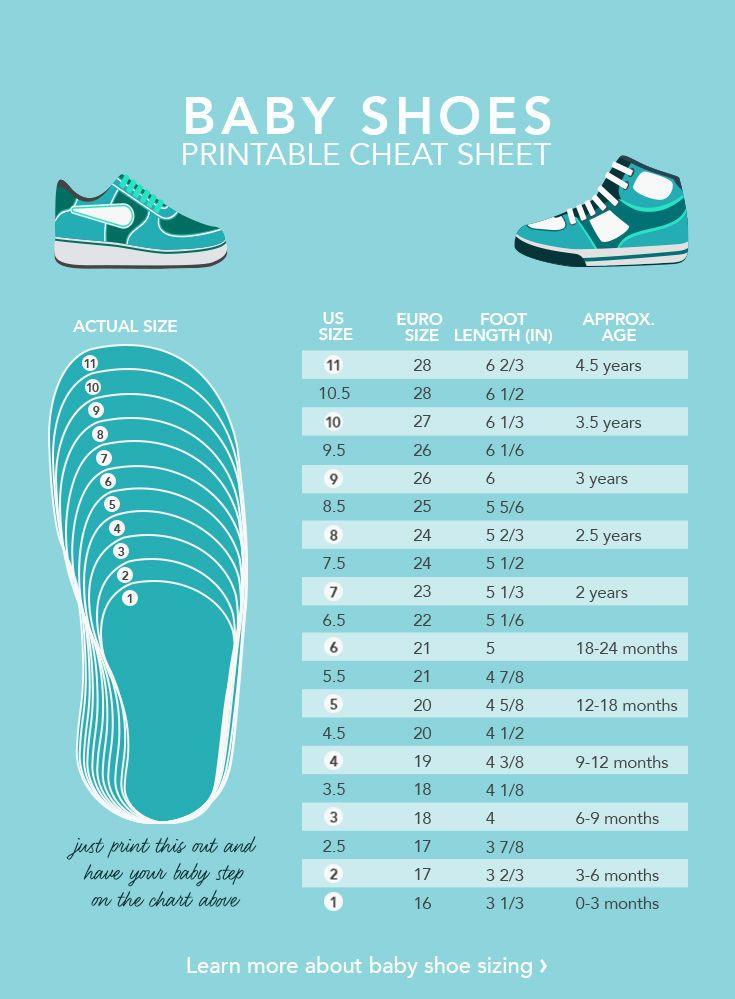
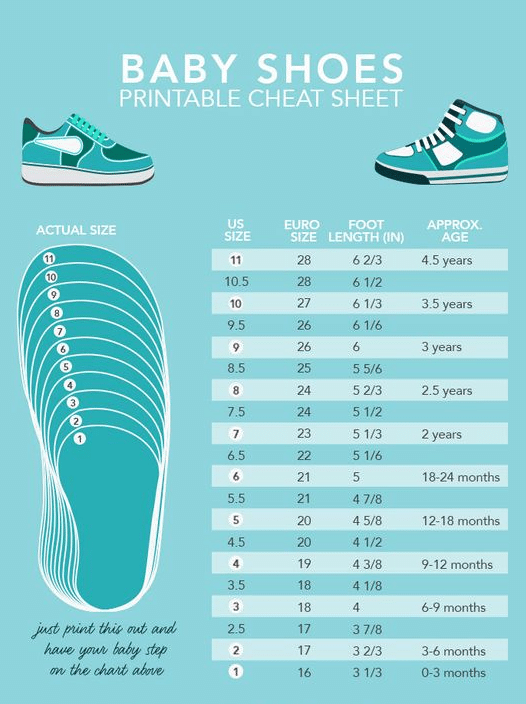
Baby shoe sizing uses small-number systems (US sizes 0–10 for infants/toddlers) or ages (0–3 months, 6–12 months), but age labels are unreliable. Use measured length instead.
A basic conversion approach:
- Measure in inches or cm.
- Match the length to the brand chart.
- Prioritize length first, then width.
Remember, brand variability is common. Two shoes labeled the same size can fit differently due to last shape or material. That’s why knowing how to measure baby's shoe size and using measurements instead of age is essential.

Choosing shoes after measuring
After you have the measurement:
- Pick flexible soles with good grip for early walkers.
- Choose soft toe boxes so toes can spread.
- Opt for breathable materials to prevent sweating.
- Adjustable closures like Velcro or laces help achieve a snug fit.
Try shoes on late in the day when feet are slightly larger. If trying in-store, have baby stand and take a few steps to feel for slipping or pinching. If buying online, read reviews about fit and check return policies.
Common mistakes and how to avoid them
Avoid these frequent errors:
- Relying on age or “months” sizing instead of measured length.
- Buying shoes that are “roomy” by too much—excess length causes tripping.
- Ignoring width—narrow shoes pinch, wide shoes allow sliding.
- Measuring only one foot—many kids have slight size differences; fit to the larger foot.
- Skipping returns—if a shoe fits poorly in-person or after first wear, return it.
From personal experience, I once bought shoes based on brand size alone and ended up with painful blisters for a week. Measuring and trying on before finalizing the purchase avoids that.
Special situations: preemies, chubby feet, and early walkers
Preemies need shoes designed for very small or extra-wide feet. For chubby feet, look for stretchable uppers and adjustable closures. Early walkers benefit from thin, flexible soles that let toes feel the ground while offering protection.
If your baby uses corrective inserts or has a foot condition, consult a pediatric podiatrist before selecting shoes. Professional advice ensures shoes support the condition and do not make it worse.
Practical shopping checklist
Use this checklist when buying shoes after measuring:
- Measured foot length and width recorded.
- Added appropriate growth allowance (1/2 to 3/4 inch).
- Chose a size using brand chart.
- Selected flexible sole, roomy toe box, and secure closure.
- Tried shoes on both feet and observed walking.
- Checked return policy and comfort after 10–15 minutes.
This checklist prevents common errors and keeps comfort first.
PAA-style quick questions
How soon after measuring should I buy shoes?
Buy shoes within a few days of measuring, since babies can grow quickly; re-measure before a long delay.
Can I use adult shoe charts for baby shoes?
No. Adult charts don’t match infant sizing systems; always use a baby/children’s chart.
Is 1/2 inch always enough room?
For infants 1/2 inch is usually fine; for active toddlers consider up to 3/4 inch depending on growth rate.
Frequently Asked Questions of how to measure baby's shoe size
How do I measure a newborn’s foot lying down?
Place paper under the foot, keep it relaxed, trace gently, and measure heel-to-longest-toe length. Add 1/2 inch for growth and use a newborn size chart.
Should I measure both feet?
Yes. Measure both feet and fit the shoe to the larger foot to ensure comfort and avoid pinching.
How can I check shoe fit at home?
Place a finger behind the heel and check that there’s about 1/2 inch of space in front of the longest toe. Have the baby take a few steps to confirm no slipping.
How often do baby feet grow?
Infants can grow every 6–8 weeks; toddlers often grow every 2–3 months. Growth varies by child.
Are shoe sizes consistent across brands?
No. Sizes vary by brand and shoe shape. Always use the brand’s size chart and measure before buying.
Conclusion
Measuring your child’s feet is simple, fast, and worth the effort—the right fit supports healthy development and keeps your baby comfortable. Practice the tracing method, measure both feet, add the right growth allowance, and prefer measurements over age labels. Try shoes on, watch how your baby moves, and don’t hesitate to exchange if the fit isn’t right. Start measuring today and give your child the best start with shoes that fit well. Leave a comment with your questions, subscribe for more baby gear tips, or share your measurement wins below.

Rubel Miah is the Senior Editor at MyStyleGrid.com, where he brings a sharp editorial eye and an unshakable love for fashion to everything he does. A true style addict, Rubel lives and breathes trends, from streetwear to high fashion, and has a knack for turning inspiration into impactful stories. With years of experience in fashion journalism and digital media, he curates content that empowers readers to express themselves through style. When he’s not editing features or forecasting the next big thing, you’ll find him hunting down vintage pieces or capturing street style moments around the city.