Use a combination of heat, a stretcher, and insoles to gently widen tight toe boxes.
I’ve worked on dozens of boots for friends and clients, and I know how annoying a pinched toe can be. This guide on how to fix boots that are too narrow in the toe shows step-by-step fixes you can try at home, when to call a cobbler, and how to avoid damage. I mix practical tips, simple tools, and real experience so you can make your boots fit right without ruining them. Read on to get comfortable feet and longer‑lasting boots.
Why boots feel narrow in the toe
A boot can feel tight in the toe for a few clear reasons. Some boots are made on a narrow last. Some are new and need softening. Feet can also change shape over time with weight, swelling, or foot conditions.
Leather, suede, and synthetic uppers stretch in different ways. Leather stretches more with heat and moisture. Synthetics are less forgiving. Stitching, toe caps, and linings can stop the toe box from widening no matter what you try. Knowing the cause helps you pick the right fix for how to fix boots that are too narrow in the toe.

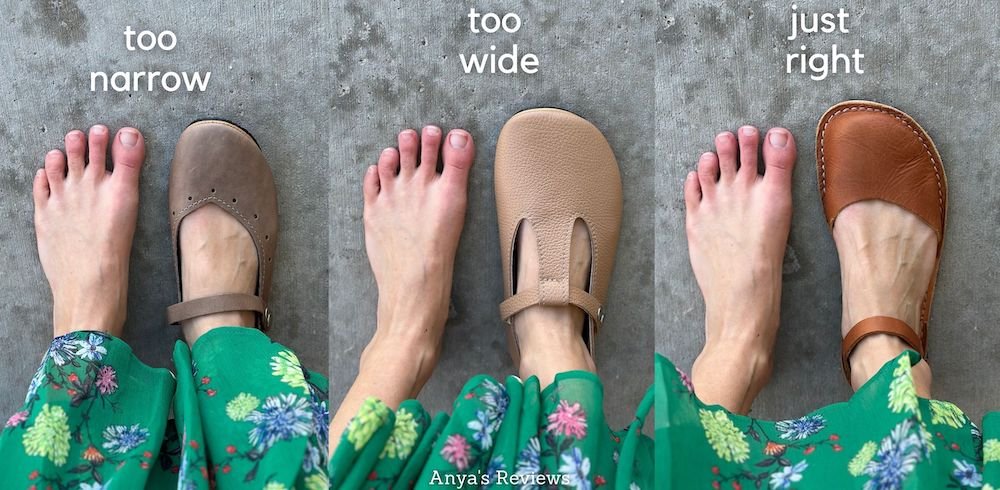
How to measure toe tightness and confirm the problem
Check the fit before you start any fix. Wear the socks you plan to use. Stand and press down on your heel so your foot slides to the front.
Measure space like this:
- Place a finger between your longest toe and the boot front. If your toe is cramped, that is a sign.
- Try the paper test. Slide paper under the widest part of the foot. If you cannot move it, the toe box is tight.
- Walk for five minutes in the boots. Note any hot spots, numb toes, or pinching.
Measure again after adjustments. That helps you see what worked and what didn’t when learning how to fix boots that are too narrow in the toe.
Quick at‑home fixes for boots that are too narrow in the toe
These are safe, low‑cost methods to try first. Use gentle techniques. Stop if the material feels stressed.
Use thick socks and wear them at home
- Put on two pairs of socks. Wear the boots around the house for 30 to 60 minutes.
- This can stretch soft materials a little and map pressure spots.
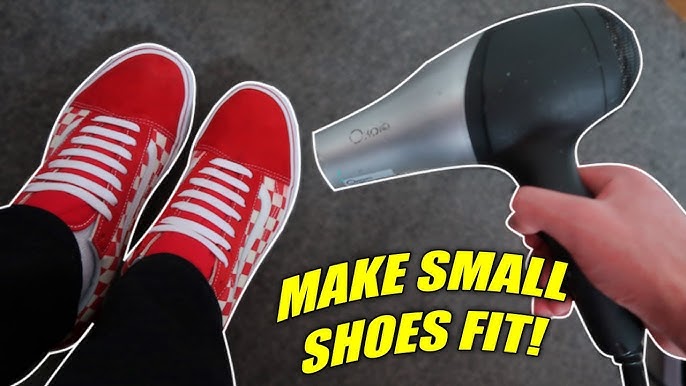
Try a heat method for leather
- Wear thick socks and put on the boots.
- Use a hairdryer on medium heat for 20 to 30 seconds on the tight area while flexing your toes.
- Walk until boots cool. Repeat two or three times.
Apply a stretching spray or conditioner
- Use a product meant for leather or suede. Apply lightly inside the toe box.
- Work the material with your hands and wear the boots until dry.
Use the freezer bag trick for firm areas
- Fill two sealable bags with water. Place inside the toes and freeze the boots upright.
- Ice expands and gently forces the toe box wider. Check every few hours.
Use a DIY stretcher or ball of paper
- Stuff the toe with rolled towels, socks, or paper to create outward pressure.
- Leave for 24 to 48 hours and re‑check.
These methods are practical first steps when you ask how to fix boots that are too narrow in the toe. I used the sock plus hairdryer method on stiff leather hiking boots. It worked in three short sessions and caused no harm.
Using a boot stretcher or shoe tree for controlled widening
A proper stretcher is the best home tool for repeatable results. There are single-point stretchers (for bunions) and two‑way stretchers for the toe box.
How to use a stretcher
- Insert the stretcher fully into a dry boot.
- Turn the handle to expand slowly until you feel firm pressure.
- Leave for 24 hours, then retighten if needed.
Stretching sprays speed the process. Use a shoe tree to hold shape after stretching. For leather boots, use a cedar shoe tree to absorb moisture and keep fit. Using a stretcher is a key part of how to fix boots that are too narrow in the toe with precision.
When to seek professional help
Some boots need a cobbler. High‑end leather or built‑in steel toes can break with DIY methods. A cobbler can:
- Use heated stretch machines to widen the toe box gently.
- Add leather panels, re‑line, or re‑shape the last.
- Replace insoles and correct width through more advanced work.
If you paid a lot for the boots, or if you feel sharp pain, stop DIY attempts and see an expert. A professional will explain risks and likely results when you want to know how to fix boots that are too narrow in the toe.

Insoles, orthotics, and sock choices that make a big difference
Not all solutions involve stretching the boot. Changing what you put inside can free toe room.
Use low‑profile insoles
- Thin insoles lift the arch and move the foot slightly backward, easing toe pressure.
Choose thinner or moisture‑wicking socks
- Thin socks reduce bulk. A snug fit keeps the foot from sliding forward.
Consider orthotics
- A custom or off‑the‑shelf orthotic can redistribute pressure away from the toes. That often helps more than stretching.
These tweaks are part of the practical toolbox for how to fix boots that are too narrow in the toe.
Preventing narrow‑toe issues when you buy boots
Good fit now saves work later. Follow these tips when you shop.
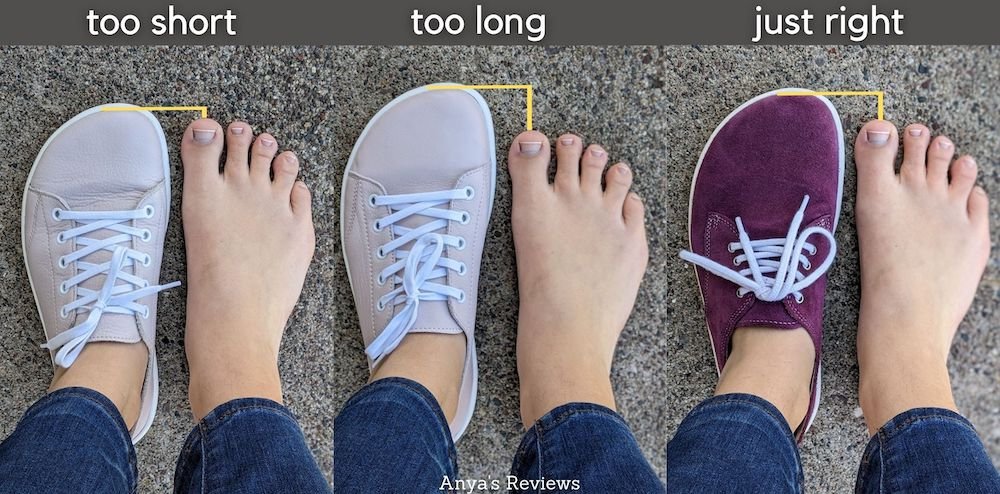
Try boots in the afternoon when feet are at full size. Wear the socks you plan to use. Stand and walk the store floor for several minutes. Check toe room and overall comfort. Ask about the boot last and width options.
If you often need wider toes, look for wide or “roomy toe box” models. Learn your foot length and width and compare to the brand’s fit notes. These habits stop the need to learn how to fix boots that are too narrow in the toe later.
Troubleshooting, risks, and when not to stretch
Be careful. Overstretching can crack leather, break seams, or ruin waterproof membranes. Synthetics can warp and delaminate.
Warnings and tips
- Do not use extreme heat on glued boots.
- Avoid oil‑based products on suede.
- Test any spray on a hidden spot first.
If your boots have structural toe caps or a built‑in shank, stretching might not help. In those cases, fit replacement or buying a wider pair is the right move. These notes protect your boots while you work on how to fix boots that are too narrow in the toe.

Personal experience and lessons learned
I once helped a friend with leather work boots that pinched the toes. We used a stretcher and a leather conditioner. We did three sessions over a week. The boots relaxed and stayed strong.
Key lessons I learned:
- Take it slow. Small changes add up.
- Combine methods. A stretcher plus conditioner works better than either alone.
- Always protect linings and seams.
These real steps show that careful work can save good boots and improve comfort.
Frequently Asked Questions of how to fix boots that are too narrow in the toe
How long does it take to stretch boots at home?
Most home methods take one to three days for noticeable change. Stretcher machines or cobblers may work faster with heat and pressure.
Can I use a hairdryer on synthetic boots?
Use low heat and short bursts. Synthetics melt or warp easily, so test a small area first and avoid high heat.
Will stretching ruin waterproofing?
Stretching can stress seams and membranes. Use a professional if waterproofing is critical to the boot’s purpose.
Is it safe to stuff boots with socks or paper?
Yes, it is safe and low risk for mild widening. It works best on soft leather and suede, not on stiff synthetics.
When should I buy a new pair instead of fixing them?
Choose a new pair if the toe cap is rigid or if multiple fixes fail. Serious pain or numbness also means replace the boots.
Can insoles make a narrow toe worse?
Thin insoles usually help by moving the foot back. Thick insoles can push the foot forward and worsen toe squeeze.
How do I know if stretching will work on my boots?
Check material and construction. Soft leather often stretches. Molded synthetics and steel toes do not. A cobbler can assess if unsure.
Conclusion
You can fix many boots that are too narrow in the toe with the right steps. Start with simple methods like thick socks, heat, and stuffing. Move to a stretcher or cobbler for tougher jobs. Take small steps and protect the boot’s material. Try one method at a time and measure results. If you want more comfort, test these tips now and save your favorite boots from the bin. Leave a comment or share your experience so others can learn what worked for you.

Rubel Miah is the Senior Editor at MyStyleGrid.com, where he brings a sharp editorial eye and an unshakable love for fashion to everything he does. A true style addict, Rubel lives and breathes trends, from streetwear to high fashion, and has a knack for turning inspiration into impactful stories. With years of experience in fashion journalism and digital media, he curates content that empowers readers to express themselves through style. When he’s not editing features or forecasting the next big thing, you’ll find him hunting down vintage pieces or capturing street style moments around the city.