Measure your foot length and width, then convert the measurements using a reliable size chart.
I’ve spent years helping people pick the right shoes, from running shoes to dress shoes. In this guide I will show you how to figure out the size of a shoe with clear steps, quick checks, and tips that work for shopping in stores and online. You’ll learn how to measure, how sizes vary by system, and how to avoid common mistakes so your next pair fits comfortably.

Why getting the right shoe size matters
A good fit protects your feet. Shoes that are too small cause pain. Shoes that are too large lead to blisters and instability. When you learn how to figure out the size of a shoe properly, you reduce injuries and get more comfort from each pair. Proper sizing also extends shoe life and improves performance for sports and daily wear.

How to figure out the size of a shoe: step-by-step guide
Follow these simple steps to measure your feet and pick the right size with confidence.
- Prepare your tools and environment
- Get a blank sheet of paper, a ruler or tape measure, a pen, and the socks you plan to wear with the shoes.
- Measure on a hard floor. Stand naturally with weight on both feet.
- Trace each foot
- Place the paper under your foot and trace the outline. Keep the pen vertical and close to your foot.
- Trace both feet—one is often slightly larger.
- Measure length and width
- Measure from the back of the heel to the tip of the longest toe for length.
- Measure the widest part of the foot for width.
- Record length in centimeters and inches for safety.
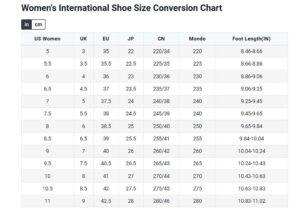
- Use a size chart
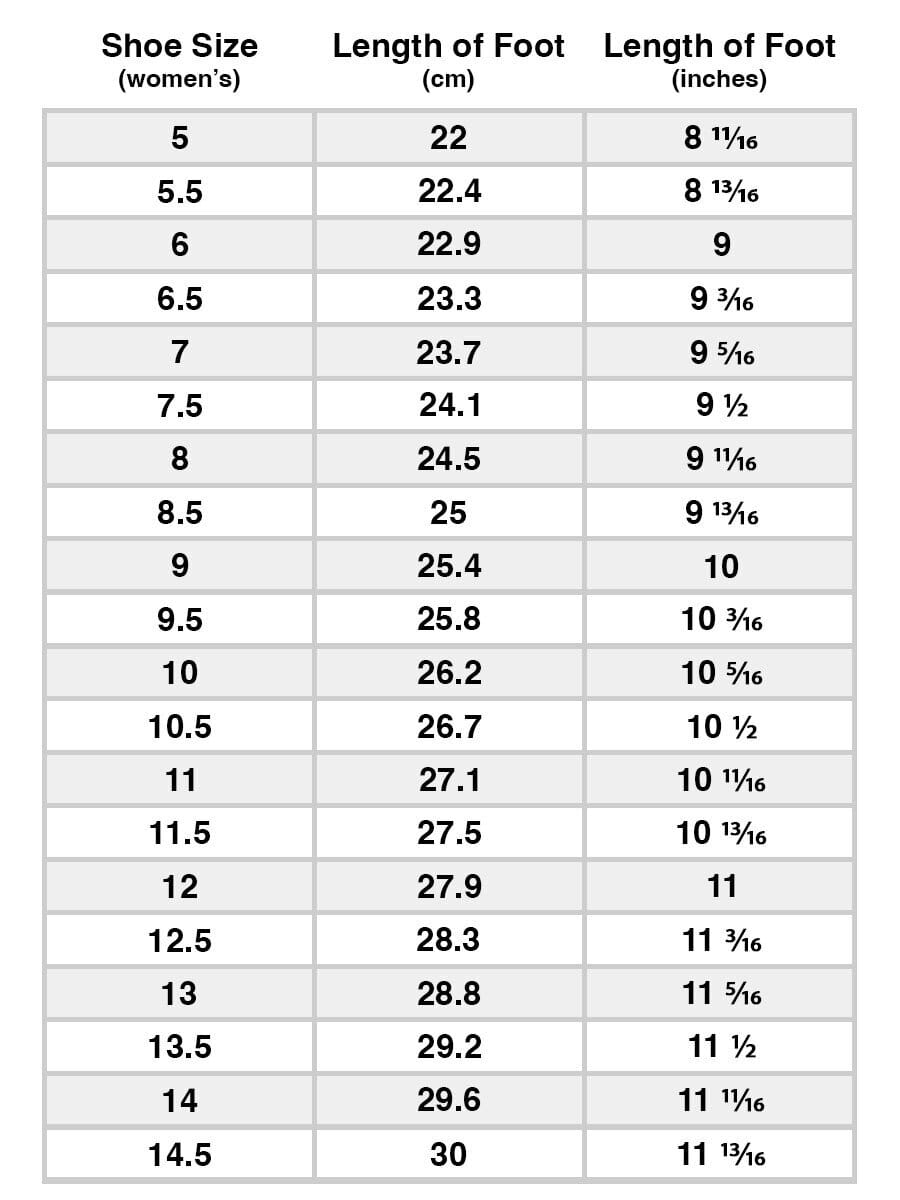
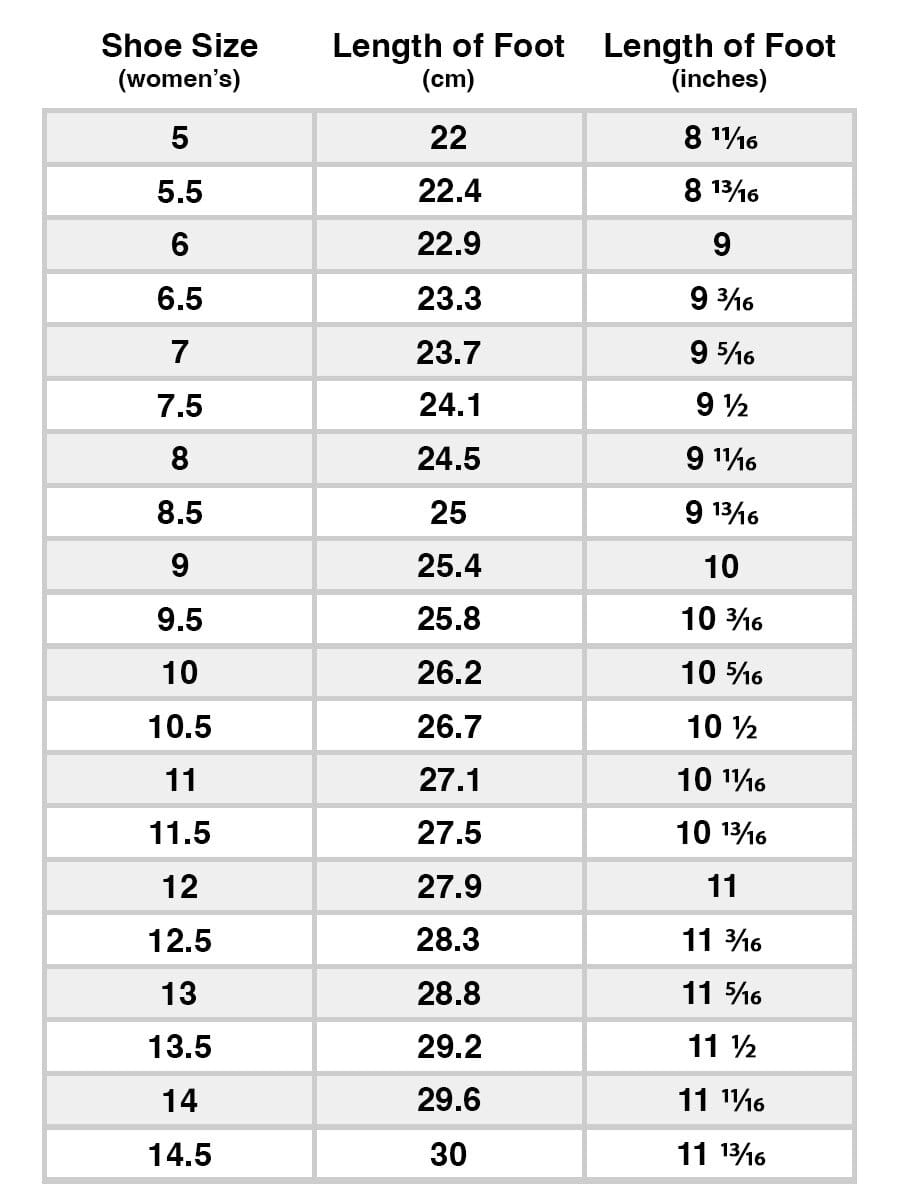
- Convert your foot length to your preferred sizing system using a chart. If in doubt, choose the size for your larger foot.
- When using charts, compare both length and width.
- Try on shoes and test for fit
- Walk for five to ten minutes. Your toes should have about a thumb’s width of space in front.
- Heel should not slip more than a tiny amount. The shoe should feel snug but not tight.
- Fine-tune sizing for different shoe types
- For running shoes, allow slightly more room for toe splay.
- For dress shoes, consider that some materials will stretch.
Repeat this process occasionally. Feet change with age, activity, and weight. Knowing how to figure out the size of a shoe helps you shop smarter and feel better in every pair.
Understanding shoe size systems and conversions
Shoe sizes vary by country. Knowing the basics helps when you shop from different brands.
- United States sizes
- US sizes differ for men, women, and kids. A US men's 9 is not the same as a US women's 9.
- United Kingdom sizes
- UK sizes are typically one size smaller than US men’s for the same length.
- European sizes
- EU sizes use a numeric system that is not separated by gender as strictly.
- Centimeters and Mondopoint
- Measuring in centimeters or Mondopoint (foot length in mm) gives the most direct fit reference.
How to figure out the size of a shoe in another system
- Always measure foot length in centimeters first.
- Use a reliable conversion chart. If the result is between sizes, choose the larger size and check width.
Tips for buying shoes online and in-store
These practical tips improve fit and reduce returns.
- Shop late in the day
- Feet swell through the day. Measure and try shoes in the afternoon for a realistic fit.
- Read brand fit notes
- Brands often note whether a model runs small or large.
- Check return policies
- Ensure easy returns so you can swap sizes after a test.
- Try with the right socks
- Wear the socks you intend to use with the shoes when trying them on.
- Allow time to move around
- Walk on different surfaces in-store or test at home for a few hours.
Using these steps will make it easier to figure out the size of a shoe that truly works for you.
Common sizing mistakes and how to avoid them
Avoid these frequent errors to improve comfort and fit.
- Relying on old sizes
- Your shoe size can change. Re-measure every year or after weight changes.
- Measuring only one foot
- Always measure both feet and fit to the larger one.
- Ignoring width
- Length alone is not enough. Narrow or wide feet need special consideration.
- Skipping a walk test
- Standing is not enough. Walk and test movement to spot issues.
- Assuming all brands are consistent
- Fit varies by brand and even by model within a brand.
These small corrections stop most problems when you figure out the size of a shoe.

Sizing special footwear: kids, wide feet, and sports shoes
Different shoes need different approaches.
- Kids
- Measure kids often—every three months for toddlers and every six months for older kids.
- Allow 0.5 to 1 full size of growth room, depending on age and activity.
- Wide and narrow feet
- Look for width descriptors like D, EE, B. Many brands offer wide or narrow models.
- Running and hiking shoes
- Add extra toe room for downhill running or long hikes to allow for foot expansion and movement.
- Boots and dress shoes
- Boots often need slightly more room because of thicker socks. Dress shoes may stretch; assume a snug fit at first.
When you know how to figure out the size of a shoe for each type, you get better comfort and longer wear.

Tools and resources that make measuring easy
Use tools for accurate results and faster decisions.
- Brannock device
- The classic tool used in stores to measure length and width precisely.
- Printable size templates
- Print a sizing template and ensure your printer scale is correct before use.
- Measurement apps
- Some apps estimate foot size from phone photos. Use them as a secondary check.
- Brand size charts and reviews
- Review user feedback for fit quirks and model-specific notes.
Balanced use of tools helps you quickly figure out the size of a shoe with confidence.
Personal experience: what I learned about sizing shoes
I used to buy shoes by size alone and learned the hard way. One pair of running shoes caused blisters because I assumed my usual size would fit. After measuring, I found my feet had grown half a size. Since then I always measure both feet and check widths. I learned to:
- Measure in the afternoon
- Try the larger foot when sizing
- Walk around for at least five minutes before buying
These habits cut returns and made shoes truly comfortable. If you follow these steps, you will get better results when you figure out the size of a shoe.
Frequently Asked Questions of how to figure out the size of a shoe
How do I measure my foot at home accurately?
Trace your foot on paper while standing with full weight. Measure heel to longest toe in centimeters and compare to a size chart.
Which size should I buy if my feet are different sizes?
Fit to the larger foot. Choose the size that matches the bigger measurement, and use insoles if the other foot needs more support.
How much space should be in the toe box?
Leave about a thumb’s width (roughly 1/2 inch) from your longest toe to the shoe end to allow for movement and swelling.
Do widths matter as much as length?
Yes. Width affects comfort and performance. If shoes feel tight across the widest part, try a wide option or a different model.
Can I use socks to change shoe fit?
Socks can add comfort but only change fit so much. Thick socks may help with a slightly loose shoe, but they won’t fix a shoe that is too short.
Conclusion
You can figure out the size of a shoe with a few simple steps: measure both feet, convert using a chart, and test the fit by walking. Small habits—measuring late in the day, fitting the larger foot, and checking width—save time and pain. Try these tips on your next purchase and notice the difference in comfort and performance. If you found this helpful, test your feet today, share your results, or leave a comment about your experience with sizing.

Rubel Miah is the Senior Editor at MyStyleGrid.com, where he brings a sharp editorial eye and an unshakable love for fashion to everything he does. A true style addict, Rubel lives and breathes trends, from streetwear to high fashion, and has a knack for turning inspiration into impactful stories. With years of experience in fashion journalism and digital media, he curates content that empowers readers to express themselves through style. When he’s not editing features or forecasting the next big thing, you’ll find him hunting down vintage pieces or capturing street style moments around the city.