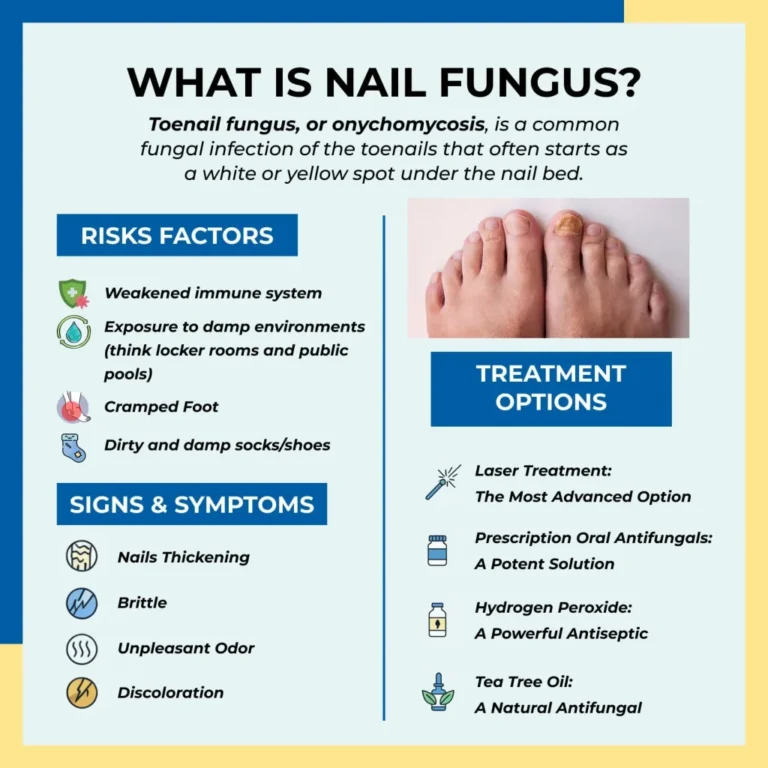
Kill shoe foot fungus by cleaning, disinfecting, drying, and rotating shoes every time.
I’ve treated dozens of stubborn cases of athlete’s foot and shoe-borne fungal reinfection, so I know what works and what wastes time. This article gives clear, step-by-step guidance on how to kill foot fungus in shoes, with safe disinfecting tips, materials-specific advice, prevention tactics, and real-life lessons from experience. Read on to stop reinfection and keep your shoes safe and dry.
:max_bytes(150000):strip_icc()/prevent-spread-of-athletes-foot-2146303_FINAL-5bb51cf546e0fb0026688474.png)
What foot fungus is and why it loves shoes
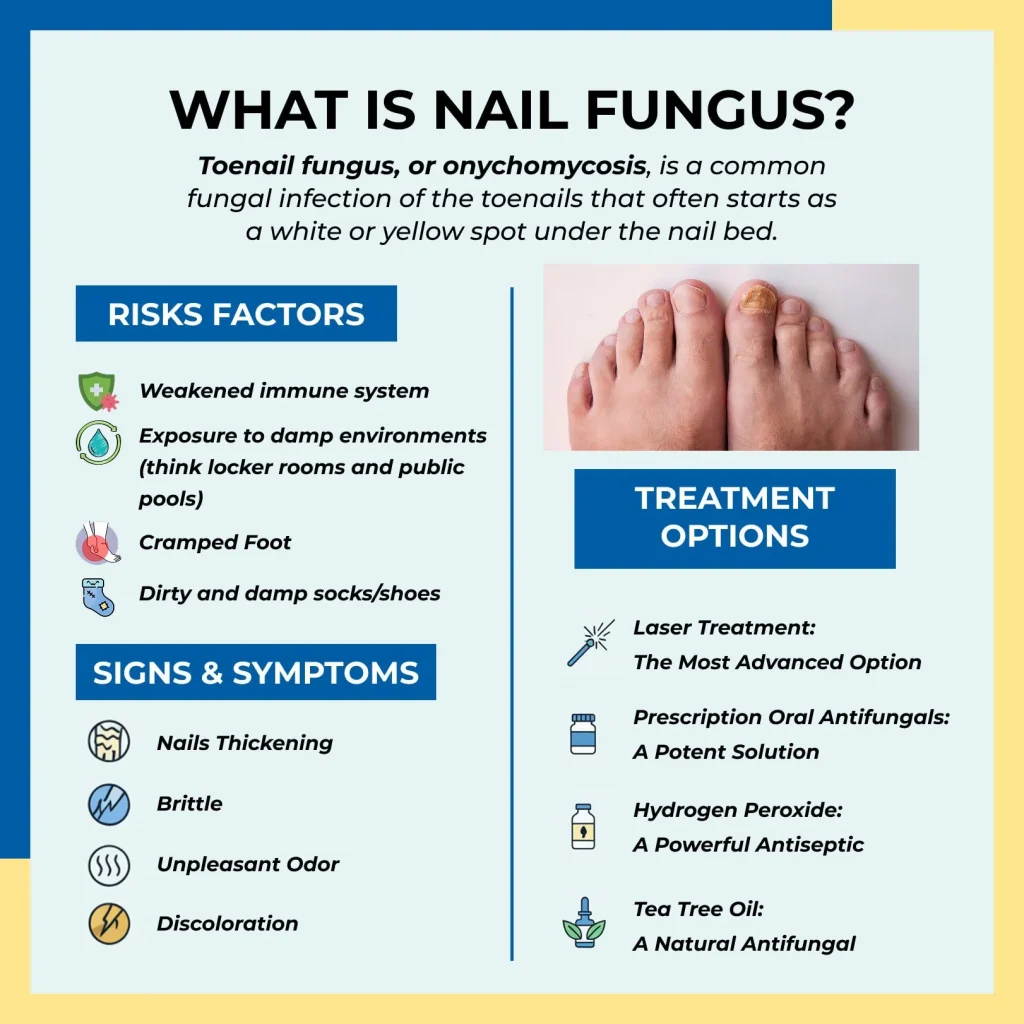
Foot fungus is a group of fungi that feed on skin and thrive in warm, moist places. Common culprits include dermatophytes and yeasts that cause athlete’s foot. Shoes create the perfect habitat. Sweat, dark interiors, poor airflow, and trapped heat let fungi multiply. If you treat your feet but not the shoes, spores can re-infect you. Learning how to kill foot fungus in shoes stops that cycle and helps heal the skin faster.
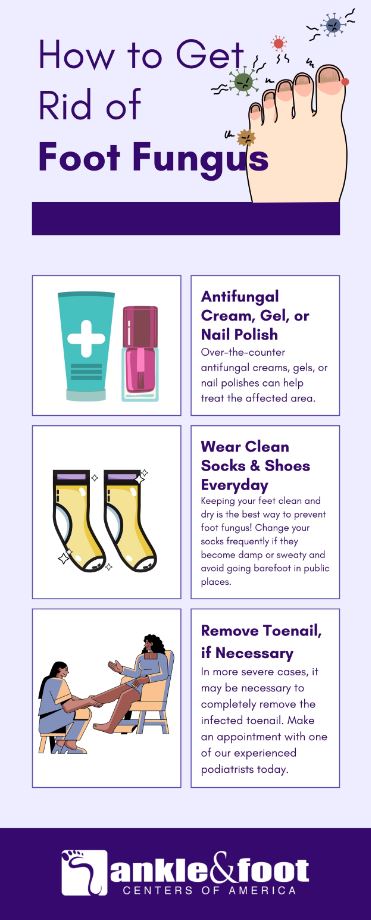
How fungi survive and spread inside shoes
Fungal spores are tiny and tough. They cling to insoles, seams, and fabric fibers. Shoes with foam or fabric insoles trap moisture and hold spores for weeks. Shared shoes or trying on footwear in stores spreads spores between people. Even dry shoes can hide dormant spores that reactivate when moisture returns. Understanding this helps you pick the right cleaning method for your shoe type and situation.

Step-by-step: practical ways to kill foot fungus in shoes
Follow these steps to treat shoes. Repeat the process until you stop getting reinfected.
- Remove and wash insoles and laces
- Take out insoles and laces first. Many insoles are washable. Machine wash on warm if label allows. Air-dry completely before returning them.
- Clean the shoe interior
- Wipe leather or synthetic interiors with a cloth and a disinfecting solution. Use 70% isopropyl alcohol or a diluted bleach solution (see disinfectants below). Test a small area first.
- Machine wash washable shoes
- Canvas and many athletic shoes can go in a laundry bag on a warm, gentle cycle. Add detergent and dry thoroughly in sun or with good airflow.
- Use an antifungal spray or powder
- Apply an EPA-approved antifungal spray or a tolnaftate powder inside shoes. Powders absorb moisture and reduce fungus-friendly wetness.
- Dry fully and fast
- Dry shoes in direct sunlight when possible. Use a well-ventilated area, a fan, or shoe dryers. Avoid high heat that can warp materials.
- Consider freezing or heat for tough cases
- Freeze shoes in a sealed bag for 48 hours to kill some fungi. Heat shoe sanitizers or dryers with safe temperature control can also help, but avoid melting adhesives.
- Use UV or ozone devices sparingly
- UV shoe sanitizers or ozone bags can reduce microbes. They work best combined with cleaning and drying.
- Rotate shoes and maintain foot hygiene
- Don’t wear the same pair two days in a row. Wash and dry socks daily. Treat feet with antifungal cream until fully clear.
How to kill foot fungus in shoes is about breaking the cycle: clean, disinfect, dry, and prevent.

Effective disinfectants and safe concentrations
Choose the right agent and use it safely.
- 70% isopropyl alcohol
- Kills many fungi on contact. Wipe interior surfaces and allow to evaporate.
- Diluted bleach (sodium hypochlorite)
- Use 1 part bleach to 10 parts water for hard, colorfast materials. Rinse and dry. Avoid using on leather and some fabrics.
- White vinegar (5% acetic acid)
- Mild antifungal action. Soak a cloth and wipe insides; follow with drying. Less harsh than bleach but not as powerful.
- Hydrogen peroxide 3%
- Use for spot cleaning and stains. It foams and helps break fungal colonies on fabrics.
- Antifungal powders and sprays
- Tolnaftate or miconazole products applied inside shoes reduce fungal load and moisture.
- UV-C and ozone devices
- Professional-grade units can disinfect shoes. Use according to instructions and safety warnings.
Test cleaners on a hidden area before full use. Some chemicals can damage colors, glue, or leather. How to kill foot fungus in shoes safely means balancing effectiveness and material care.
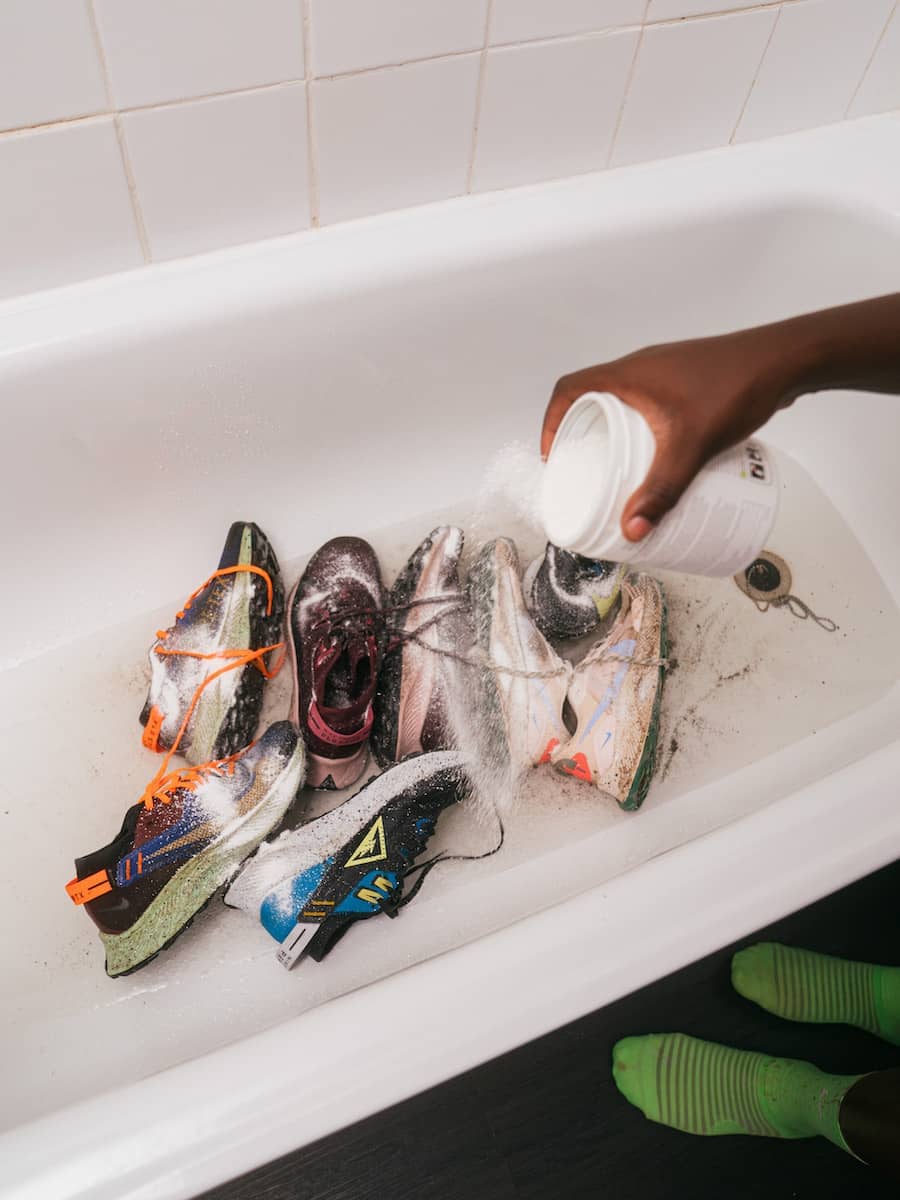
Drying, airing, and storage to prevent recurrence
Drying is as important as cleaning. Moisture lets fungi regrow fast.
- Air shoes fully
- Leave shoes in sunlight or a ventilated space for several hours. Sunlight helps and fresh air reduces odor.
- Use moisture absorbers
- Silica gel packets, cedar shoe trees, or charcoal sachets cut humidity inside shoes.
- Rotate footwear
- Give shoes at least 24–48 hours between wears. Rotate three or more pairs if possible.
- Store properly
- Keep shoes in breathable shelves or mesh bags, not sealed plastic bins. Check occasionally for dampness.
- Sock and foot care
- Wear moisture-wicking socks and change them if feet sweat. Keep toenails trimmed and dry.
If you follow these steps, you reduce the chance fungus returns and you’ll be less often asking how to kill foot fungus in shoes.
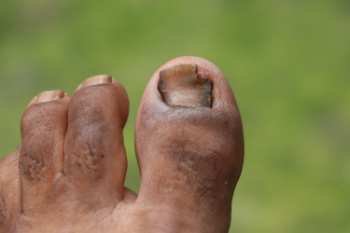
Material-specific tips: leather, mesh, and athletic shoes
Different materials need different care.
- Leather shoes
- Wipe with a damp cloth and mild cleaner. Avoid soaking. Use a little isopropyl alcohol on stains. Condition leather after cleaning.
- Mesh and fabric shoes
- Machine wash if allowed. Hand scrub with detergent and a soft brush for stubborn spots. Dry in sun or air.
- Athletic shoes with foam midsoles
- Remove insoles and wash separately. Avoid high-heat dryer cycles that damage foam. Use powders to keep dryness.
- Suede and nubuck
- Don’t use water or bleach. Use special suede cleaners and a brush. Replace badly contaminated insoles.
Knowing how to kill foot fungus in shoes includes choosing methods that won’t ruin the shoe.

When to replace shoes and when to see a doctor
Sometimes cleaning is not enough.
- Replace shoes when
- Odor persists despite cleaning, visible mold or deep stains remain, or the interior is falling apart. Old foam and fabric hold spores that are hard to remove.
- See a doctor when
- Your foot infection keeps returning, spreads to nails, or causes severe pain. A clinician can prescribe oral antifungal medication or stronger topical treatments.
- Professional shoe sanitation
- Shoe repair shops or specialty sanitizing services can deep-clean and restore high-value footwear.
If you repeatedly treat your feet but still need to know how to kill foot fungus in shoes, consider replacement or medical help.
Common mistakes and limitations
Watch out for these pitfalls.
- Relying on a single quick fix
- Sprays alone won’t work if shoes stay damp. Combine cleaning, disinfection, and drying.
- Using bleach everywhere
- Bleach can damage leather and color. Use it only on suitable surfaces.
- Not treating insoles or socks
- Missing these items lets spores survive.
- Overheating shoes
- High dryers or direct oven heat can warp shoes and release harmful fumes.
- Expecting permanent sterilization
- Home methods reduce fungal load but may not sterilize completely. Some situations require replacement.
Knowing limits saves time and money when learning how to kill foot fungus in shoes.

My experience: what worked and what didn’t
I once treated a runner’s recurring athlete’s foot. We cleaned the shoes, replaced insoles, and advised rotating pairs. He used antifungal powder daily and switched to moisture-wicking socks. The infection cleared in weeks and did not come back. What failed was trying only a spray without drying the shoes fully. That taught me: drying plus rotation is as important as disinfection. When I tested a UV shoe sanitizer on multiple pairs, it reduced odor and sped drying, but only after thorough cleaning did it stop reinfection.
Frequently Asked Questions of how to kill foot fungus in shoes
Does putting shoes in the freezer kill foot fungus?
Freezing can reduce live fungi but may not kill all spores. Use freezing as an extra step alongside cleaning and drying.
Can I use bleach on all shoes to kill foot fungus?
No. Bleach can damage leather, dyes, and adhesives. Use diluted bleach only on colorfast, hard surfaces and test first.
Are home remedies like vinegar and tea tree oil effective?
They have mild antifungal properties and can help, but they are usually less effective than medical antifungal agents and proper disinfectants.
How long should shoes air out before wearing again?
Let shoes dry for at least 24 to 48 hours in a ventilated, sunny spot or until completely dry inside. Use moisture absorbers to speed the process.
Will replacing insoles stop reinfection?
Replacing insoles helps a lot, especially if old insoles trap spores. New insoles combined with foot treatment reduce reinfection risk.
Conclusion
Treating shoes is essential to stop repeated athlete’s foot. Clean, disinfect, and dry shoes, rotate pairs, and address socks and foot hygiene. If infections persist, replace contaminated shoes and seek medical advice. Start by treating one pair today, monitor results, and make small routine changes that prevent future problems. Share your experience, subscribe for updates, or leave a comment about what worked for you.

Rubel Miah is the Senior Editor at MyStyleGrid.com, where he brings a sharp editorial eye and an unshakable love for fashion to everything he does. A true style addict, Rubel lives and breathes trends, from streetwear to high fashion, and has a knack for turning inspiration into impactful stories. With years of experience in fashion journalism and digital media, he curates content that empowers readers to express themselves through style. When he’s not editing features or forecasting the next big thing, you’ll find him hunting down vintage pieces or capturing street style moments around the city.