Rinse well, scrub salt off with mild soap, condition leather, and air-dry away from heat.
I’ve spent years fixing boots after beach walks and boat trips, so I know what salt water does and how to clean boots after walking in salt water the right way. This guide gives a clear, step-by-step approach you can trust. I’ll explain causes, tools, quick fixes, long-term care, and real-life tips I learned from testing boots in wet, salty conditions. Read on to protect your boots and extend their life.

Why salt water damages boots
Salt water is harsh on boots. Salt crystals pull moisture from leather and fabric. Metal eyelets and zippers can corrode. Soles and glue can weaken over time.
Salt also leaves visible white stains. These stains are salt deposits that draw more moisture and invite mold if left damp. Knowing why salt causes damage helps you prioritize quick cleaning when you ask how to clean boots after walking in salt water.
Personal note: I once left a pair of leather boots on a porch after a seaside hike. Salt dried on the seams and the leather stiffened within two weeks. That taught me the value of rinsing within hours.
Materials and supplies you’ll need
Use simple, gentle items you likely have or can buy cheaply.
- Soft brush or old toothbrush for seams and soles.
- Microfiber cloths or soft cotton rags for wiping.
- Bucket with fresh water for rinsing.
- Mild soap or specialized boot cleaner for leather, suede, or fabric.
- Leather conditioner and waterproofing spray for after cleaning.
- Newspaper for stuffing and absorbing moisture.
- Soft towel for initial drying.
- Optional: suede eraser and suede brush for suede boots.
Before you start, sort your boots by material. The method changes depending on whether they are leather, suede, rubber, or fabric. This is key when you learn how to clean boots after walking in salt water.
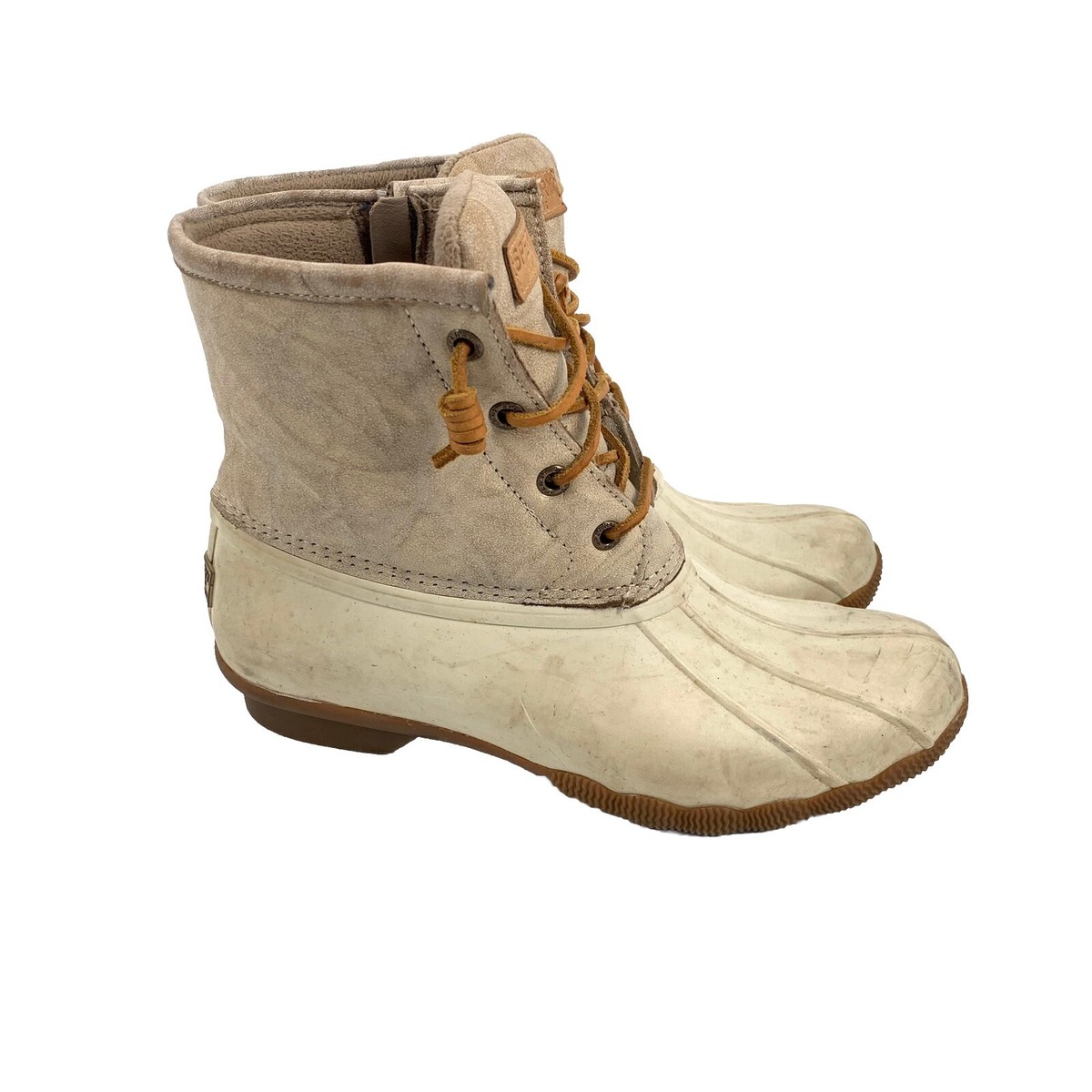
Step-by-step cleaning guide for how to clean boots after walking in salt water
Follow these steps for a safe, effective clean. Read all steps first, then do them.
- Rinse immediately
- Rinse boots with cool, fresh water as soon as possible.
- Use a gentle stream to wash salt off soles and uppers.
- Do not use very hot water; that can shrink or warp materials.
- Remove laces and insoles
- Take out laces and insoles to let the interior dry more quickly.
- Wash laces separately in mild soapy water and rinse well.
- Brush off dried salt
- If salt has dried, use a soft brush or toothbrush to loosen crystals.
- Brush gently to avoid scratching leather or suede.
- Clean with mild soap
- Mix a small amount of mild soap with water.
- Use a damp cloth or soft brush to clean the exterior.
- For leather, avoid soaking; wipe rather than scrub hard.
- Rinse and blot dry
- Rinse off soap with fresh water.
- Blot excess water with a towel.
- Never wring or twist boots.
- Dry slowly and naturally
– Stuff boots with newspaper to hold shape and absorb moisture.
- Air-dry at room temperature away from direct heat or sunlight.
- Do not place near heaters or in a dryer; heat cracks glue and dries leather too fast.
- Condition and protect
- Once fully dry, apply leather conditioner or waterproofing per the product instructions.
- For suede, use a specialized suede protector.
- Reinsert cleaned insoles and laces.
These steps answer the core of how to clean boots after walking in salt water. For different materials, follow the material-specific tips below.
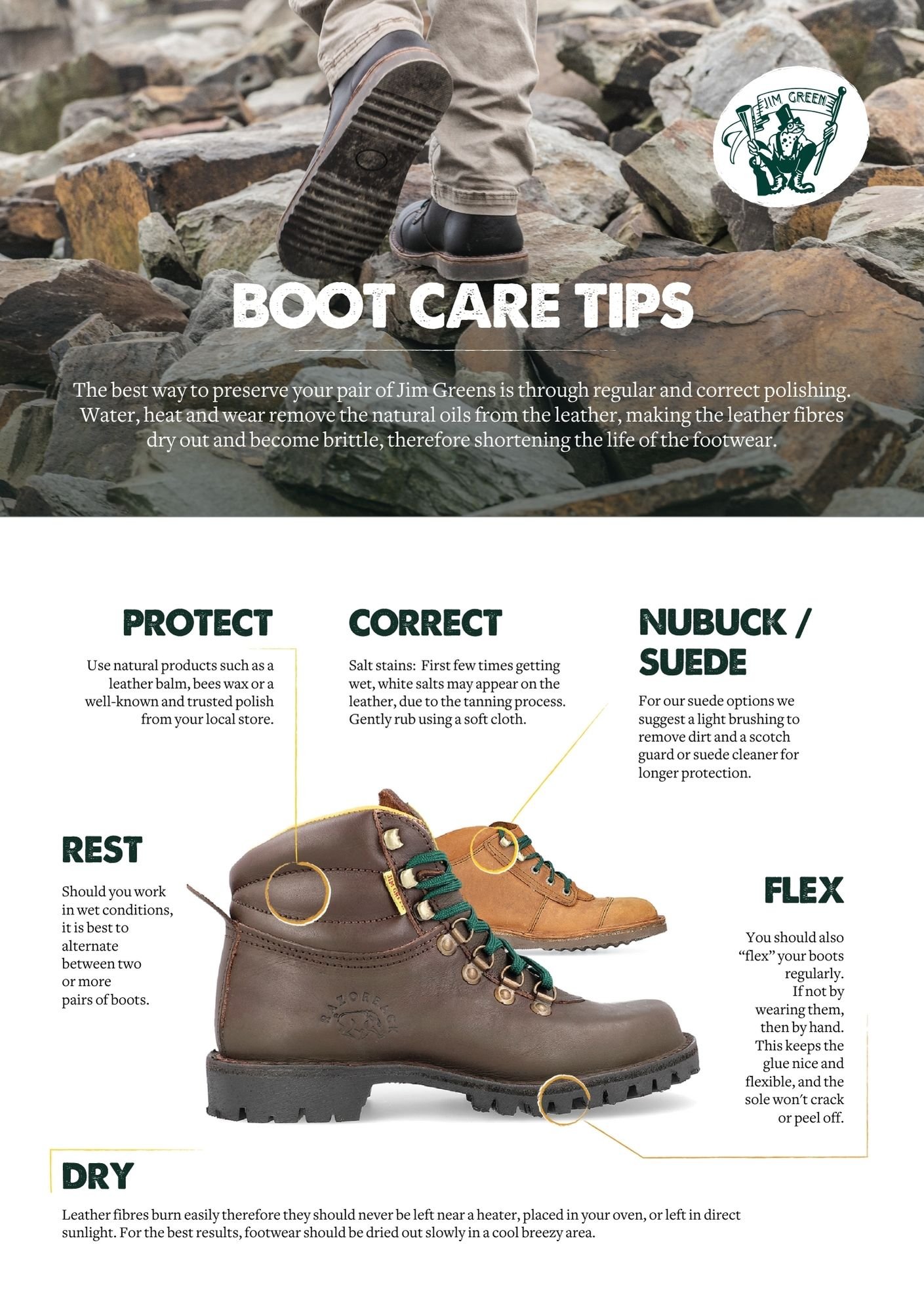
Material-specific tweaks
-
Leather boots
- Use minimal water and mild soap.
- Condition within 24–48 hours after drying to restore oils.
-
Suede and nubuck
- Avoid soap; lift salt with a suede eraser or brush.
- Use a suede protector after cleaning.
-
Fabric and canvas
- Hand-wash with mild detergent; rinse well.
- Air-dry; avoid machine drying.
-
Rubber and synthetic boots
- Rinse thoroughly and use soap for stubborn grime.
- No conditioning needed; apply a UV protectant if desired.
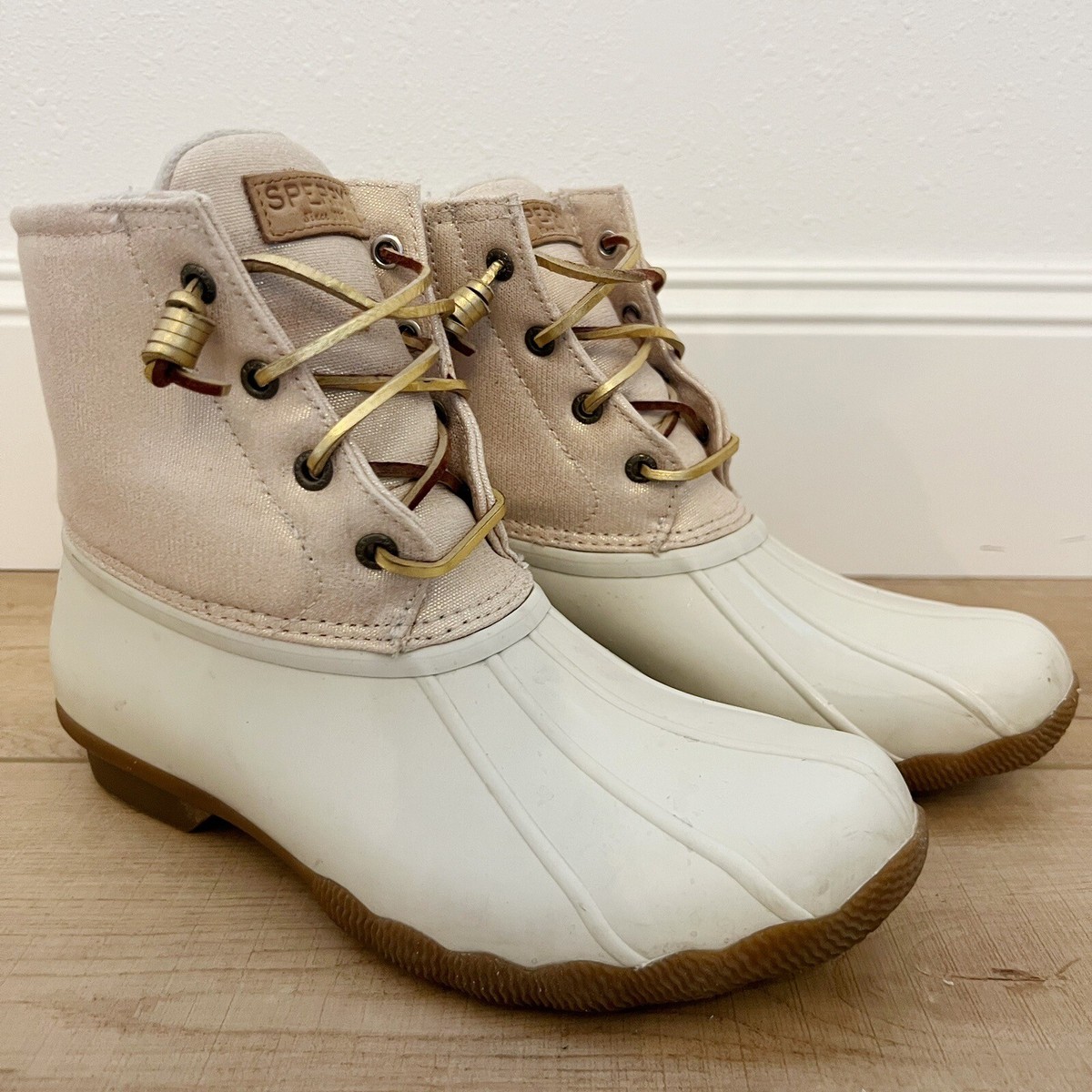
Deep cleaning, stubborn stains, and repair
Some salt damage needs extra care. Follow these steps if basic cleaning didn’t remove deposits or if boots show damage.
-
Removing salt stains that remain
- Mix equal parts water and white vinegar and lightly dab the area.
- Rinse well and dry. Vinegar dissolves salt without harming most leathers in small amounts.
-
Mold and mildew
- Wipe with a diluted vinegar solution then dry in fresh air.
- If mold is extensive, consider professional cleaning.
-
Sticky or loose soles and glue failures
- Clean and let dry, then use shoe glue for small repairs.
- For large failures, go to a cobbler.
-
Scuffed or dried leather
- Use a leather restorer and conditioner after cleaning.
- Repeat conditioning monthly if you expect more salt exposure.
I’ve used the vinegar trick more than once to get rid of stubborn salt lines on hiking boots. It’s gentle and effective when followed by thorough rinsing.
Prevention and maintenance: reduce future damage
A little prevention saves boots.
-
Rinse after every saltwater exposure
- Quick freshwater rinse prevents salt crystals from setting.
-
Apply a protective treatment
- Use a waterproofing spray or wax suited to the material.
- Reapply seasonally or after heavy use.
-
Rotate boots and dry well
- Don’t wear the same wet boots daily.
- Let them dry fully between uses.
-
Store in a cool, dry place
- Avoid damp basements or direct sunlight.
- Use boot trees or stuffing to keep shape.
-
Regular conditioning
- For leather, condition monthly in wet seasons.
- Keep suede brushed and re-proofed.
These tips make how to clean boots after walking in salt water easier to manage over time.
Frequently Asked Questions of how to clean boots after walking in salt water
How soon should I rinse boots after walking in salt water?
Rinse as soon as possible, ideally within a few hours. Quick rinsing removes salt crystals before they dry and damage material.
Can I use dish soap to clean my boots after salt water exposure?
Yes, a very mild dish soap diluted in water works for synthetics and fabrics. For leather and suede, use cleaners made for those materials to avoid drying or discoloration.
Will heat speed up drying and prevent odor?
No. Heat can crack leather and damage glue. Air-dry at room temperature and stuff with newspaper to absorb moisture and reduce odor.
Is vinegar safe to remove salt stains from leather?
A diluted vinegar solution can remove salt stains but use sparingly and rinse well. Test on a hidden spot first to ensure no discoloration.
Can salt water ruin boot glue and stitching?
Yes, prolonged exposure can weaken glue and corrode metal stitching or eyelets. Timely cleaning and drying reduce the risk and extend life.
How often should I condition leather boots after saltwater exposure?
Condition leather after each major exposure and then monthly during wet seasons. Conditioning restores oils lost to salt and helps prevent cracking.
Quick questions (PAA-style)
What is the fastest way to remove salt from boots?
Rinse with fresh water and gently brush away crystals, then blot dry. Quick action prevents permanent stains.
Can salt permanently damage leather?
Yes, prolonged salt exposure can dry and stiffen leather and weaken stitching. Regular cleaning and conditioning reduce permanent harm.
Final tips from my experience
I learned the hard way that waiting even a day can let salt do real damage. Rinsing right away and conditioning later makes a big difference. When in doubt, treat the boots gently and avoid harsh chemicals or heat.
Conclusion
Salt water is tough on boots, but you can protect and revive them by rinsing promptly, cleaning gently, drying slowly, and conditioning materials. Start with a rinse, follow a material-appropriate cleaning routine, and make prevention a habit. Try these steps on one pair to build a routine and save money on repairs.
Try the cleaning method today on a single pair. If it works for you, share your results or ask a question below to get tailored advice.

Rubel Miah is the Senior Editor at MyStyleGrid.com, where he brings a sharp editorial eye and an unshakable love for fashion to everything he does. A true style addict, Rubel lives and breathes trends, from streetwear to high fashion, and has a knack for turning inspiration into impactful stories. With years of experience in fashion journalism and digital media, he curates content that empowers readers to express themselves through style. When he’s not editing features or forecasting the next big thing, you’ll find him hunting down vintage pieces or capturing street style moments around the city.