Choose light, cushioned, supportive sneakers with grippy soles and a blister-free fit.
I’ve tested sneakers across city trips, hikes, and long flights. This guide shows exactly how to tell if sneakers are good for travel by breaking down fit, sole, materials, weight, and real-world testing. Read on for clear checks, quick tests you can do at home, and tips from my travel mistakes so you pick shoes that keep you moving without pain.

Why the right travel sneaker matters
Picking the right pair can change a trip. Shoes shape comfort, energy, and mobility. They affect how long you can walk, how light your pack feels, and whether blisters ruin a day. Knowing how to tell if sneakers are good for travel helps you avoid common pain points and spend more time enjoying places.
Travel demands a mix of comfort, durability, and style. The best travel sneakers strike that balance. I’ll walk you through exact cues to look for and tests you can run in minutes. Use these tips whether you buy online or in-store.

Key features to check before you buy
When you ask how to tell if sneakers are good for travel, start with this checklist. Use it for in-store tries or online decision-making.
- Sole grip and tread depth: Look for a patterned sole that resists slipping on wet or uneven ground.
- Cushioning and shock absorption: A midsole that cushions reduces foot fatigue on long walks.
- Arch and heel support: Shoes that hold your foot limit overpronation and pain.
- Fit and toe room: Your toes should have space. No pinching or pressure points.
- Weight and packability: Lighter shoes save energy and luggage space.
- Breathability and water resistance: Breathable fabrics reduce sweat; water resistance helps in light rain.
- Durability and materials: Seam quality and material strength predict lifespan.
- Versatility and look: Neutral styles work in more settings, from museums to cafes.
Refer to this list each time you evaluate a pair. It is a simple way to nail how to tell if sneakers are good for travel.
Sole, traction, and stability
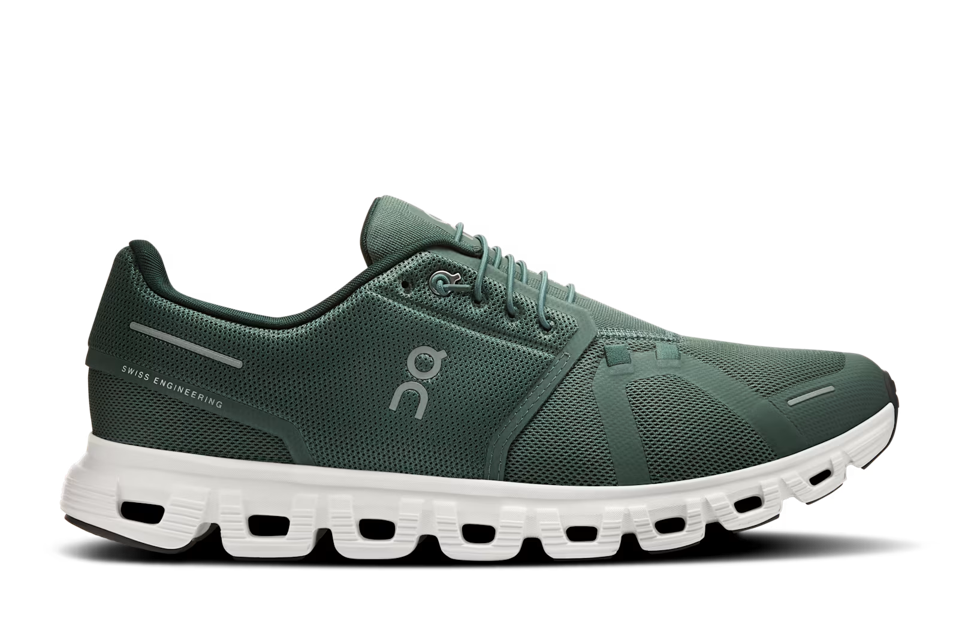
The sole is where you meet the ground. It tells you whether a sneaker can handle city tiles, cobblestones, and hiking trails.
- Look for multi-directional tread for grip on varied surfaces.
- Check midsole material: EVA foams cushion well; TPU or denser foams add durability.
- Heel counters should be firm to stabilize your ankle.
- Test torsional stiffness by twisting the shoe gently; it should flex at the ball of the foot, not mid-arch.
I once wore sleek street sneakers on a wet cobblestone walk. The smooth sole had zero grip. I recommend testing soles under real conditions when possible.

Fit, support, and comfort
Fit beats features every time. Even the fanciest sneaker fails if it doesn’t fit your foot.
- Try shoes at the end of the day when feet are a bit swollen.
- Leave about a thumb’s width between your longest toe and the front.
- Walk 10 minutes in-store or around your home for online buys before long trips.
- Look for removable insoles; they allow custom orthotics or extra cushioning.
During a 10-day trip, I learned that snug heels prevent blisters more than tight toes. Heel slippage means friction. Choose a pair that locks the heel but lets toes move.
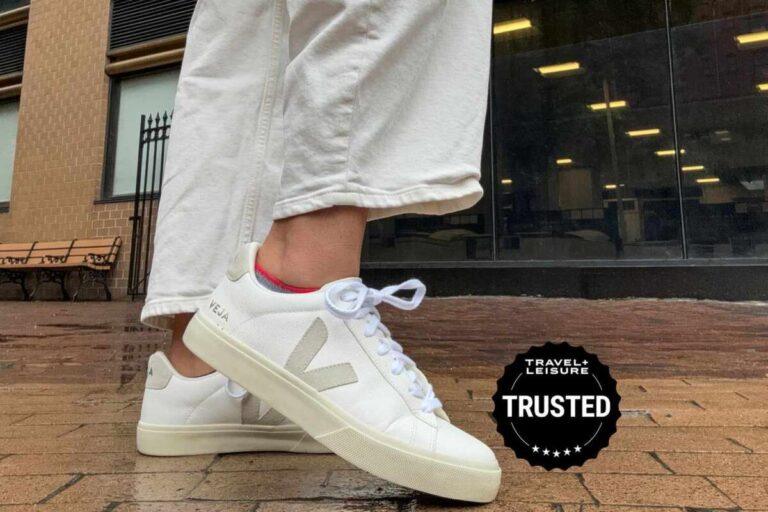
:max_bytes(150000):strip_icc()/tal-womens-sneakers-may-24-test-veja-womens-campo-low-top-heer-chaudri-10-1-d2c01974f1b94638b4b97913dee9af4a.jpeg)
Materials, breathability, and weather resistance
Material choice affects comfort and care. It also affects how shoes handle humidity, rain, and odor.
- Knit and mesh uppers offer breathability and light weight.
- Leather or coated fabrics provide weather resistance and polish up for nicer outings.
- Waterproof membranes add protection but reduce breathability.
- Check lining and seams for irritation points that can cause blisters.
If you travel in humid climates, prioritize breathability. For rainy trips, look for treated leather or shoes with a water-resistant coating.
Weight, packability, and how they affect travel
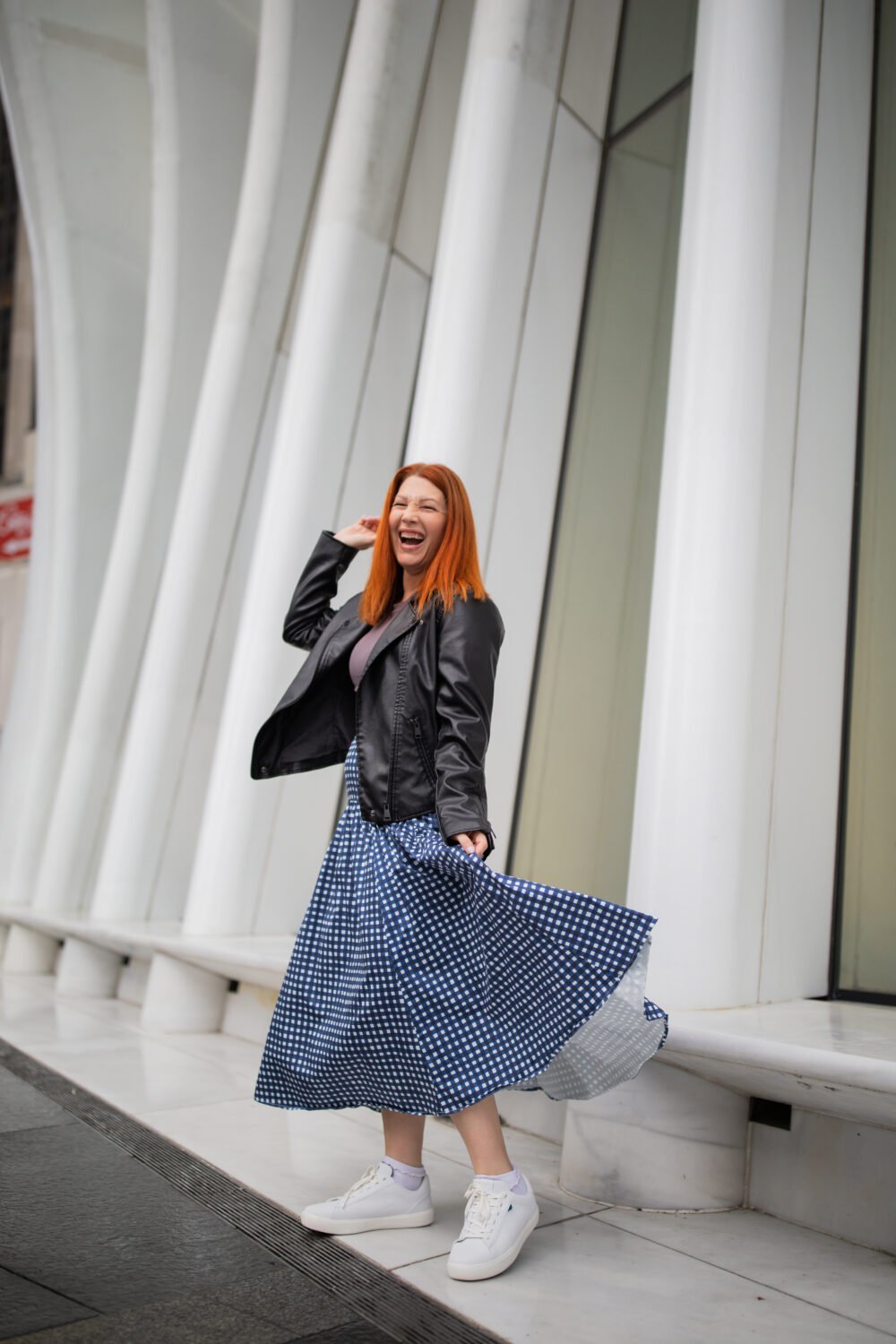
Heavy shoes tire you faster and add pounds to your bag. Lightweight sneakers help you walk more and carry less.
- Weigh pairs if you can; under 10-12 ounces per shoe is a good target for travel sneakers.
- Flexible soles that compress slightly pack easier.
- Consider a backup pair that can double as casual or dress shoes to save space.
I once carried two heavy boots and regretted every mile. Now I favor one true travel sneaker and a lightweight foldable shoe for evenings.
Versatility and style: blending form and function
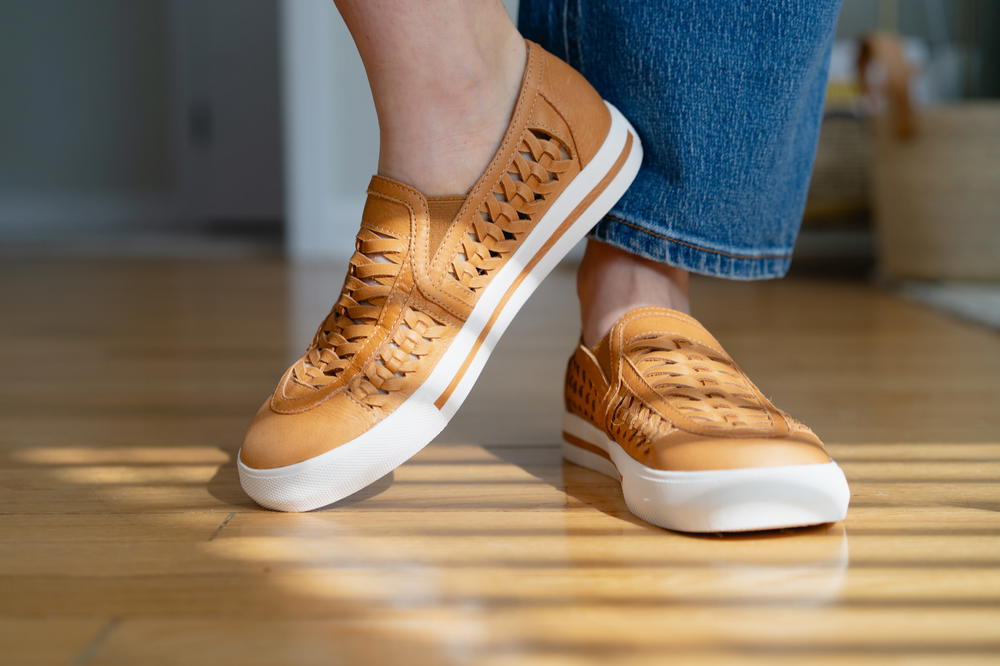
Travel shoes should work across activities and outfits. Versatile sneakers reduce what you pack.
- Pick neutral colors and clean lines for easy pairing.
- Avoid overly sporty designs if you’ll visit formal places.
- Check if the upper wipes clean and doesn’t show travel wear quickly.
A good travel sneaker looks fine with jeans and a casual blazer. That keeps you photo-ready without extra baggage.
Practical tests to try before a trip
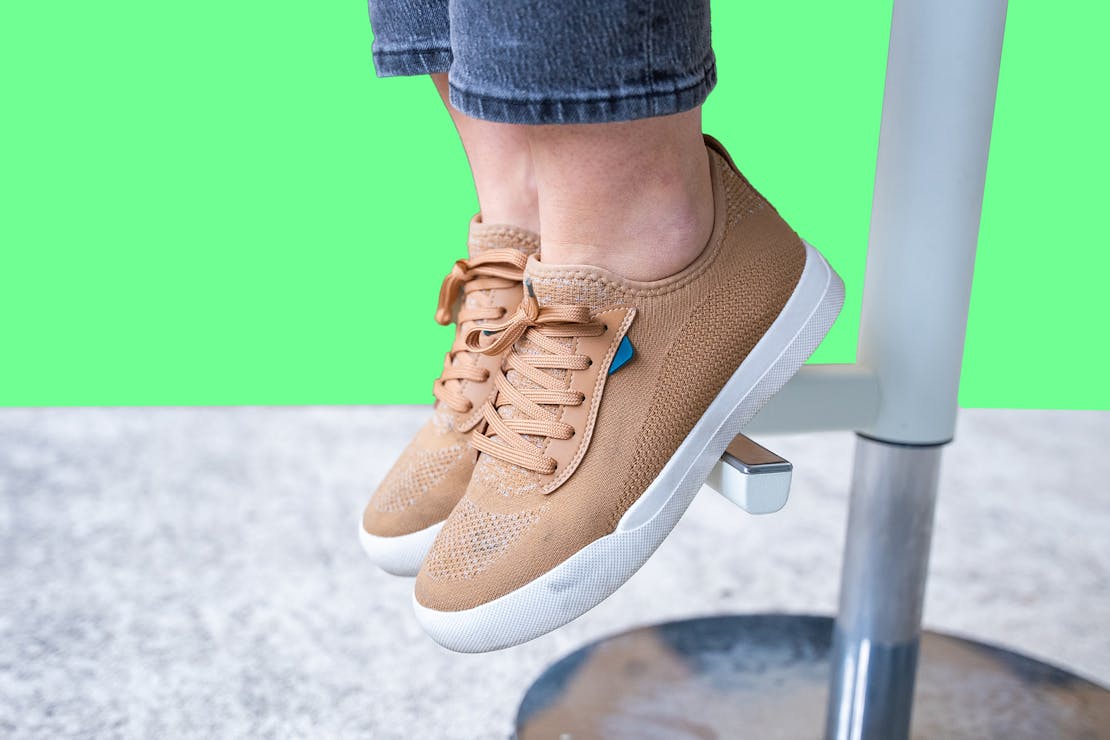
You can test shoes in a few simple steps. These tests reveal real comfort and function.
- Walk test: Walk on flat, uphill, and downhill surfaces for at least 15 minutes.
- Load test: Wear the shoes with the weight you'll carry in your daypack.
- Wet test: Walk on a damp surface to feel slip resistance.
- Pack test: Fold or squeeze the shoes into a bag to see how they compress.
- Blister test: Wear them for a full day at home before travel.
These quick checks answer how to tell if sneakers are good for travel without long trials.

Common mistakes travelers make
Avoid these predictable errors when choosing travel sneakers.
- Buying size too small because shoe "stretches" with travel.
- Choosing style over comfort for short-term looks.
- Ignoring ankle support for rugged days.
- Skipping test walks with the socks you plan to wear.
- Bringing only one pair for a long trip.
I learned the hard way to always break in shoes before a trip. Blisters from new shoes are an easy trip-ruiner.
Care, packing, and on-trip tips
How you pack and care for shoes affects performance and odor on the road.
- Pack shoes in a shoe bag or separate compartment to protect clothes.
- Stuff shoes with socks to keep shape and save space.
- Rotate shoes daily to let insoles dry and cut odor build-up.
- Carry a small care kit: quick-dry spray, stain wipe, and a tiny shoehorn.
- Replace insoles mid-trip if they compress and lose cushioning.
A quick wipe and airing overnight can extend a shoe’s travel life by days.
Frequently Asked Questions of how to tell if sneakers are good for travel
How tight should travel sneakers feel?
They should feel snug at the heel and midfoot, with about a thumb’s width of toe room. Avoid tightness that causes numbness or pressure.
Can I use running shoes as travel sneakers?
Yes, many running shoes work well for travel if they have enough grip and a durable sole. Make sure they fit well and suit the terrain you’ll cover.
How long should I break in new sneakers before a trip?
Give new sneakers at least a week of short walks to break them in. Wear them casually for several hours to find pressure points before travel.
Are waterproof sneakers good for all trips?
Waterproof sneakers help in rain but can trap heat in hot climates. Choose breathability for warm trips and waterproofing for wet ones.
How important is shoe weight for travel?
Very important. Lighter shoes reduce fatigue and let you pack less. Aim for a pair under 12 ounces if your trip is walking-heavy.
Conclusion
Choosing the right pair comes down to checks you can do today: fit, sole grip, cushioning, material, and a short wear test. Use the practical steps above to learn how to tell if sneakers are good for travel and avoid common mistakes. Try shoes with the socks you’ll bring, walk for at least 15 minutes, and favor fit over fashion.
Take action now: test your current sneakers with the checklist above or use it at your next shoe store visit. Share your travel shoe wins or questions in the comments, or subscribe for more gear guides and hands-on tips.

Rubel Miah is the Senior Editor at MyStyleGrid.com, where he brings a sharp editorial eye and an unshakable love for fashion to everything he does. A true style addict, Rubel lives and breathes trends, from streetwear to high fashion, and has a knack for turning inspiration into impactful stories. With years of experience in fashion journalism and digital media, he curates content that empowers readers to express themselves through style. When he’s not editing features or forecasting the next big thing, you’ll find him hunting down vintage pieces or capturing street style moments around the city.