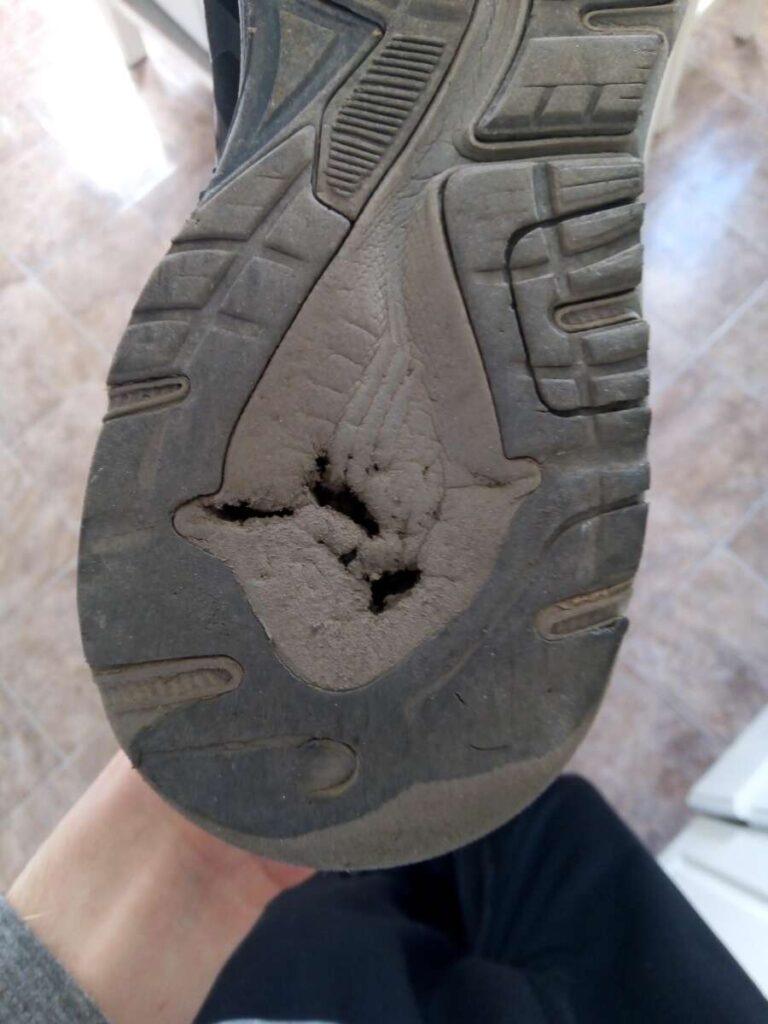
Patch the sole with shoe repair cement or a rubber/sole patch, or take it to a cobbler.
I’ve fixed dozens of worn shoes, from work boots to favorite sneakers, so I know what works and what wastes time. This guide walks you through how to repair hole in sole of shoe step by step, with clear tools, techniques, and when to call a pro. Read on and you’ll be able to decide the best fix for your shoe, save money, and make repairs that actually last.

Why soles get holes
Soles wear out from friction, pressure points, and poor materials. Thin soles or shoes used on rough surfaces tend to fail sooner. Moisture, heat, and repeated flexing speed up the breakdown of rubber and foam. Understanding why a sole failed helps you choose the right repair method for how to repair hole in sole of shoe.

Assessing the damage
Check the hole size, location, and sole material. Small punctures on the tread are easier to fix than long splits near the toe or heel. Lift the upper to see if the midsole or insole is damaged; deeper damage may need a cobbler. This quick check tells you if a DIY approach suits how to repair hole in sole of shoe.

Materials and tools needed
Gather the right gear before you start. Typical items include:
- Shoe repair cement or contact cement
- Rubber sole patch or vibram sheets
- Sandpaper (80–220 grit)
- Utility knife and scissors
- Isopropyl alcohol or solvent cleaner
- Clamps or heavy weights
- Small brush or applicator
- Optional: cobbler’s awl, rasp, and heat gun
Use proper adhesives made for shoes. Household glues often fail on flexible soles. Choosing good materials is key when tackling how to repair hole in sole of shoe.
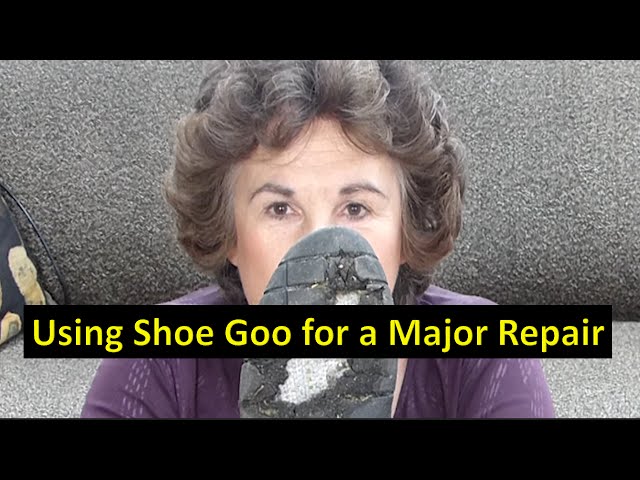
Step-by-step repairs: small holes and punctures
For small holes in rubber soles, this is fast and reliable.
- Clean the area with alcohol and let it dry.
- Lightly sand around the hole to roughen the surface.
- Apply shoe repair cement into and around the hole.
- Press a thin rubber patch over the cement and clamp firmly.
- Let it cure for the time the adhesive recommends.
This approach works well for sinkable punctures and thin-wear spots and is a core method for how to repair hole in sole of shoe.

Step-by-step repairs: larger holes and sole replacement patches
For bigger holes or area wear, use a cut-to-size patch.
- Trim the damaged sole area to a neat shape using a utility knife.
- Cut a sole patch to match the removed area, leaving a little overlap.
- Sand and clean both surfaces.
- Apply adhesive to both the patch and sole, wait the recommended tack time.
- Press and clamp, then trim excess after cure. Finish edges with sandpaper.
A patch rebuilds the walking surface and extends shoe life. This is often the best route for how to repair hole in sole of shoe when the hole is medium or large.

Step-by-step repairs: foam or midsole damage
Foam midsoles need a softer touch.
- Remove loose foam and sand edges smooth.
- Use flexible urethane adhesive or EPDM repair putty.
- Fill the void and shape roughly while soft.
- After cured, sand smooth and consider a thin rubber overlay for protection.
Midsoles are structural and comfort-critical; these repairs improve function but may not restore original cushioning. This nuance matters in how to repair hole in sole of shoe.

When to use a cobbler
Choose a professional when:
- The hole reaches the insole or upper.
- The sole split affects structural integrity.
- You have high-end or sentimental shoes.
- You lack tools or confidence.
Cobblers have machines, heat tools, and materials that DIY kits can’t match. For certain cases, professional repair is the safest and longest-lasting answer to how to repair hole in sole of shoe.
Preventing future holes
Small habits add up to longer sole life.
- Rotate shoes to avoid constant wear in one pair.
- Use protective sole guards or taps on high-wear areas.
- Keep soles clean; grit accelerates wear.
- Re-sole or apply thin overlays preemptively when wear begins.
Prevention reduces the need to learn how to repair hole in sole of shoe in the first place.

Costs and time: DIY vs. professional
DIY kits cost $10–30 and take 30–90 minutes active time plus cure time. Simple repairs can last months to years if done well. Professional resoling or patching typically costs $25–100+, depending on shoe and materials. Balance cost versus shoe value and how often you'll use them when deciding how to repair hole in sole of shoe.
My experience and common mistakes
I once tried quick fixes with household glues. They failed within weeks. From that, I learned:
- Always use shoe-specific cement for flexible joins.
- Proper surface prep beats stronger glue every time.
- Clamping while curing makes repairs last.
These lessons shaped how to repair hole in sole of shoe correctly. Avoid rushing cure times and skimping on surface prep.
Troubleshooting common problems
If the patch peels up, re-clean surfaces and sand for better adhesion. If the repair is stiff and cracks, you likely used the wrong adhesive or patch material. If the shoe remains uncomfortable, the midsole may be compromised. These quick fixes help you refine how to repair hole in sole of shoe when things go wrong.
Frequently Asked Questions of how to repair hole in sole of shoe
Can I fix a hole in my shoe sole at home?
Yes. Small to medium holes can be fixed at home with the right adhesive, patch, and basic tools. Clean, sand, and clamp for the best result.
Will shoe glue hold a repair long-term?
Shoe-specific cement can hold for months to years on flexible soles if applied correctly and given full cure time. Household glues often fail under flex and moisture.
Is it worth repairing cheap shoes?
For very cheap shoes, repair cost may approach replacement cost. Consider durability and whether you will wear them often before deciding how to repair hole in sole of shoe.
Can I use super glue on a shoe sole?
Super glue can work for small, rigid repairs, but it is brittle and often cracks on flexible soles. Use flexible shoe cement for most sole repairs instead.
How long does a sole repair take to dry?
Curing times vary by product, usually from 24 to 48 hours for full strength. Follow the adhesive manufacturer’s instructions for best results.
Conclusion
You can often repair a hole in a sole yourself if you choose the right materials, prepare surfaces, and follow step-by-step methods. For deep structural damage or prized footwear, trust a cobbler who can restore function and look. Try a small patch first to build skill, and use preventive measures to cut future wear. If this guide helped, try a repair on a worn pair, share your results, or leave a comment with questions — I’d love to help.

Rubel Miah is the Senior Editor at MyStyleGrid.com, where he brings a sharp editorial eye and an unshakable love for fashion to everything he does. A true style addict, Rubel lives and breathes trends, from streetwear to high fashion, and has a knack for turning inspiration into impactful stories. With years of experience in fashion journalism and digital media, he curates content that empowers readers to express themselves through style. When he’s not editing features or forecasting the next big thing, you’ll find him hunting down vintage pieces or capturing street style moments around the city.