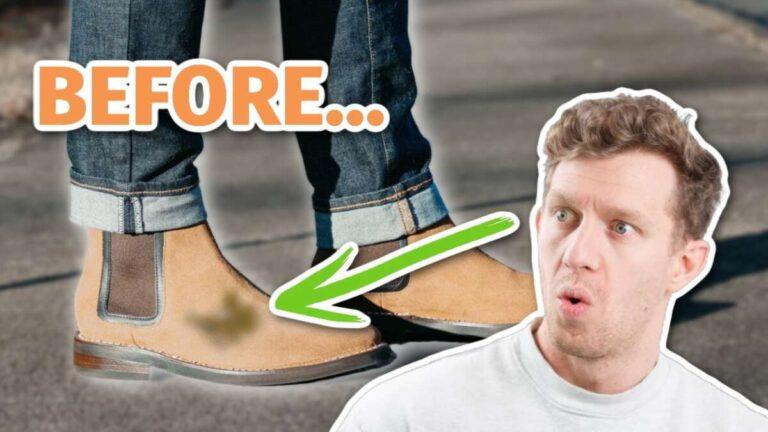
Blot the oil, apply an absorbent, then use dish soap or baking soda and rinse gently.
I’ve spent years testing shoe-cleaning tricks and fixing sneakers ruined by grease. This guide on how to remove oil stains from sneakers walks you through fast actions, proven home remedies, and safe product choices for canvas, leather, suede, and mesh. Read on to learn step-by-step methods, honest tips I learned the hard way, and simple prevention habits that keep your favorite kicks looking new.

Why oil stains on sneakers are tough
Oil soaks into fibers and materials fast. Unlike water stains, oil sits inside threads and leather pores. That makes it harder to lift out without the right approach.
Different materials react differently to oil. Canvas lets oil spread through the weave. Leather soaks oil into the surface and can darken. Suede traps oil deep in the nap and can crush fibers. Mesh and knit sneakers can be forgiving but hold residues in tiny holes.
Understanding this helps you pick the best removal method. Work fast, match the cleaner to the material, and test first on an inconspicuous spot.

What you’ll need (simple, household, and pro supplies)
Keep a small kit ready. Most oil stains come from food, car grease, or skincare products. These items cover nearly every situation.
Essential items
- Clean, dry cloths or paper towels for blotting
- Absorbent powders: baking soda, cornstarch, or talc
- Dish soap (grease-cutting) like a mild concentrated formula
- Soft-bristled brush or old toothbrush
- Warm water and a small bowl
- White vinegar or rubbing alcohol for stubborn marks
- Commercial sneaker cleaner or degreaser for heavy oil
- Protective gloves for leather or chemical cleaners
- Magic eraser for rubber soles
Optional pro items
- Leather cleaner and conditioner
- Suede eraser and suede brush
- Enzyme-based detergents for heavily soiled fabric
:max_bytes(150000):strip_icc()/stains-on-suede-clothes-shoes-furniture-2147180-Oily-Stain-01-bc6968072594403382644c525f97ba5d.jpg)
Quick first steps: what to do immediately
Act fast. The sooner you treat an oil stain, the better the result.
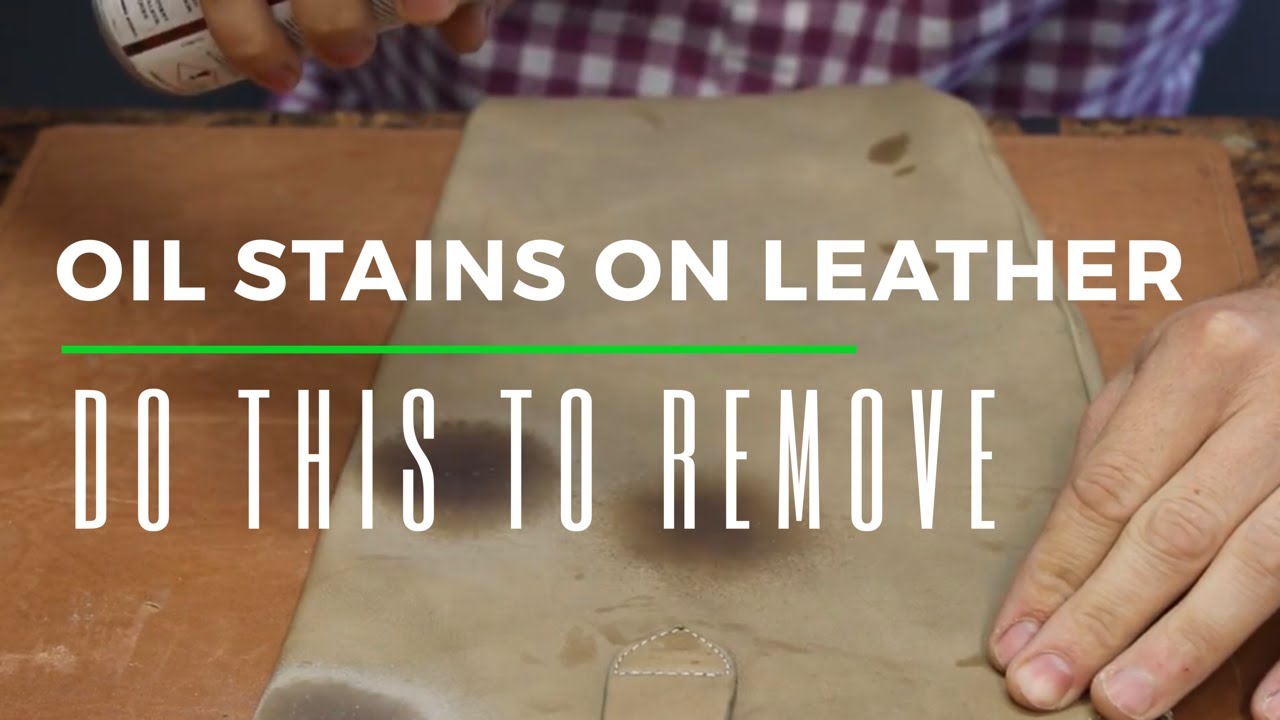
- Blot excess oil with a clean cloth or paper towel. Do not rub.
- Apply an absorbent powder (baking soda or cornstarch). Let it sit 15–30 minutes.
- Brush off the powder gently. Check how much oil lifted.
- If the stain remains, proceed to cleaning steps below for your sneaker material.
These steps often remove a large portion of fresh stains before deeper cleaning is needed.

How to remove oil stains from sneakers by material
Canvas and fabric sneakers
– Blot excess oil first.
- Sprinkle baking soda or cornstarch and leave 30 minutes.
- Brush off powder.
- Mix 1 teaspoon dish soap with 1 cup warm water. Use a toothbrush to work the solution into the stain.
- Rinse with a damp cloth and air dry. Repeat if needed.
Leather sneakers
- Blot excess oil. Do not soak leather.
- Lightly dust with cornstarch and let sit overnight for best lift.
- Brush off and use a leather-safe cleaner or a tiny amount of dish soap diluted in water. Wipe gently.
- Condition the leather after cleaning to restore oils and prevent cracking.
Suede and nubuck sneakers
- Blot excess oil immediately.
- Cover with cornstarch or talc and leave 24 hours. Suede absorbs slowly.
- Brush with a suede brush to lift nap. If a residue remains, use a suede eraser gently.
- Avoid water; it can stain suede further.
Mesh and knit sneakers
- Blot and apply powder.
- Use a soft brush and mild dish soap mix. Scrub gently in circular motions.
- Rinse carefully and air dry stuffed with paper to keep shape.

Household methods that work (and why)
Baking soda or cornstarch
- These powders absorb oil through contact. They work best on fresh stains and delicate surfaces like suede.
Dish soap
- Dish soap cuts grease by breaking oil into smaller droplets. It’s safe on canvas, mesh, and many leathers when diluted.
White vinegar
- Vinegar can help break down residue and brighten fabric. Use sparingly and dilute. Test first on colorfast materials.
Rubbing alcohol
- Good for spot-treating certain synthetic materials. Use with care on dyes and leather.
Enzyme detergents and commercial degreasers
- Best for set-in oil or large stains. Follow product instructions and test an edge. These are stronger and often remove deep stains better than home remedies.

Step-by-step deep-clean method (for stubborn stains)
- Pretreat: Apply baking soda and leave 30–60 minutes. Brush off.
- Make cleaning mix: 1 tsp dish soap + 1 cup warm water. For heavy stains, add 1 tsp baking soda to the mix.
- Work the mix into the stain with a soft brush. Use small circles.
- Blot with a clean damp cloth to remove soap and loosened oil.
- Rinse area lightly if material allows. Avoid soaking leather or suede.
- Air dry away from direct heat and sun. Repeat if needed.
- For leather, apply conditioner after fully dry.
This approach balances absorption and gentle chemical action to lift oil without damage.

My experience: lessons, mistakes, and tips
I once ruined a suede trainer by rubbing water into an oil stain. The mark set and darkened. Lesson learned: for suede, use absorbent powders and a dry approach first.
Work in small areas. I test cleaners on hidden spots every time. This prevents surprises like dye loss or texture change.
Quick tips I use daily
- Keep a small jar of cornstarch in your shoe kit for immediate use.
- For white canvas, a paste of baking soda and water can brighten while removing oil.
- If you rent or own expensive shoes, consider a professional cleaner for set-in stains.

Prevention and maintenance
Prevent stains by being mindful and using protective sprays.
- Apply a water and stain repellent spray before wearing new sneakers.
- Wipe grease off hands before touching shoes.
- Clean spills right away with absorbent powder then follow cleaning steps.
- Rotate shoes to reduce wear in the same spots.
Regular cleaning keeps dirt and oils from building up and becoming harder to remove.
Common mistakes and how to avoid them
Rubbing immediately
- Rubbing spreads oil deeper. Always blot first.
Using too much water on leather or suede
- Excess water can stain or warp delicate materials. Use damp cloths or dry treatments.
Skipping a patch test
- Some cleaners remove dye. Test in a hidden spot first.
Overusing strong chemicals
- Harsh solvents can damage glue, color, or finish. Use commercial degreasers only as directed.
Frequently Asked Questions of how to remove oil stains from sneakers
How soon should I treat an oil stain on my sneakers?
Treat oil stains as soon as possible. Fresh stains are much easier to lift; blot and apply an absorbent powder right away.
Can I use dish soap on leather sneakers?
You can use a very mild dish soap diluted in water on leather, but use sparingly and follow with a leather conditioner to restore moisture.
Will baking soda ruin suede shoes?
Baking soda or talc is safe for suede when used dry. Leave it on longer for deep absorption and brush gently to restore the nap.
Can I machine wash sneakers with oil stains?
Machine washing can remove some fabric stains, but avoid it for leather, suede, or shoes with glued parts. Pretreat first for better results.
When should I see a professional cleaner?
See a pro for valuable, vintage, or heavily stained shoes that resist home methods. Professional cleaning reduces the risk of permanent damage.
Conclusion
Removing oil stains from sneakers is doable with quick action, the right absorbents, and matched cleaners for the shoe material. Start by blotting and using baking soda or cornstarch, then move to gentle dish soap or a specialty cleaner if needed. I’ve cleaned hundreds of pairs using these steps and kept my favorites looking new by acting fast and testing products first. Try the methods here, protect your sneakers with a repellent, and treat stains immediately to get the best results.
Ready to save your favorite pair? Try one method on a small area today, share your results, or leave a question below.

Rubel Miah is the Senior Editor at MyStyleGrid.com, where he brings a sharp editorial eye and an unshakable love for fashion to everything he does. A true style addict, Rubel lives and breathes trends, from streetwear to high fashion, and has a knack for turning inspiration into impactful stories. With years of experience in fashion journalism and digital media, he curates content that empowers readers to express themselves through style. When he’s not editing features or forecasting the next big thing, you’ll find him hunting down vintage pieces or capturing street style moments around the city.