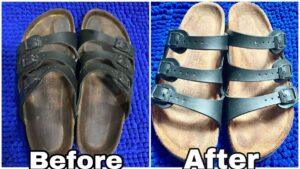
Clean, treat with the right waterproofing product, and let shoes cure fully before use.
I’ve spent years testing gear, treating shoes, and fixing wet sneakers after bad weather. This guide on how to waterproof sneakers at home properly walks you through product choices, tools, step-by-step methods, and smart maintenance tips. You’ll get clear steps you can do in an hour, plus realistic timelines for drying and reapplying treatments, so your sneakers stay dry without sacrificing breathability or fit.

Why waterproofing sneakers matters
Water ruins comfort and shortens shoe life fast. Wet sneakers can cause blisters, bad smells, and damage to glue and stitching. Learning how to waterproof sneakers at home properly saves money and keeps feet healthy during rain, snow, or muddy runs.
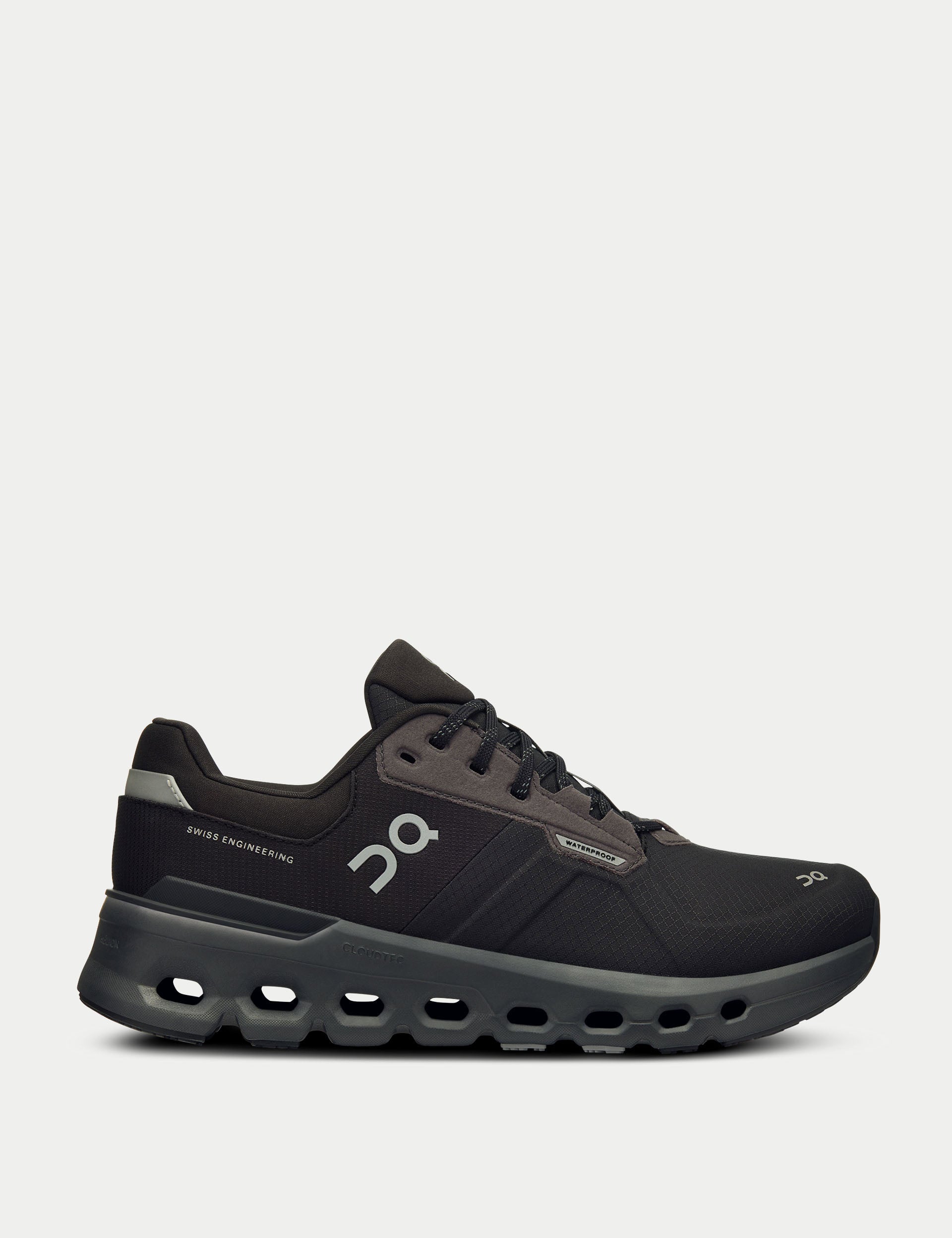
Types of waterproofing products and how they work
There are three main product types: sprays, waxes, and membrane treatments. Sprays form a thin water-repellent layer on fabric and leather. Waxes and creams add a thicker barrier and work best for leather and suede. Understanding how each product works helps you pick the right one for materials and use cases when you want to waterproof sneakers at home properly.

Materials and tools you'll need
You don’t need a workshop. Gather these items before you start:
- Clean brush: soft nylon or suede brush for removing dirt.
- Mild detergent: a gentle soap or sneaker cleaner for washing.
- Waterproof product: spray, wax, or cream chosen for your shoe material.
- Clean cloths: lint-free for applying and buffing.
- Tape and paper: to mask soles and protect laces if needed.
- Gloves and well-ventilated space: to protect skin and avoid fumes.
I keep a simple kit in my closet. That way I can waterproof sneakers at home properly whenever the forecast turns bad.

Step-by-step: How to waterproof sneakers at home properly
Follow these steps in order. Work on one shoe at a time if you prefer.
- Clean thoroughly.
- Remove laces and insoles. Brush off dry dirt. Wash fabric areas with mild detergent and a damp cloth. Let shoes air dry completely.
- Assess material.
- Identify leather, suede, mesh, or knit. Some materials need special products. Suede prefers sprays or specialized protectors, while full-grain leather accepts wax and cream well.
- Mask off areas you don’t want treated.
- Use tape and paper to cover rubber soles, logos, and eyelets. This keeps the treatment neat and prevents slippery soles.
- Apply product correctly.
- For sprays: hold 6–8 inches away and spray in even passes. For waxes/creams: warm a small amount on a cloth, rub gently in circular motions, then buff. Apply light, even coats and avoid soaking one spot.
- Let it cure.
- Allow the recommended drying time on the product label. Many sprays set in 12–24 hours. Waxes may need extra time to settle. Good curing ensures the treatment bonds and lasts longer.
- Reapply as needed.
- Test water bead action after curing. If water sinks in quickly, apply a second light coat. Regular reapplication schedules depend on wear—see the maintenance section below.
I once sealed a pair of canvas sneakers improperly and created dark patches from over-application. The fix was to remove excess product with a damp cloth, let them dry, and redo the coating in light layers. That taught me to apply thin coats and always test on an inconspicuous spot first.
How to waterproof sneakers at home properly means cleaning, choosing the right product, applying thin coats, and giving the treatment time to cure.
Quick PAA-style questions
What is the best waterproofing for canvas sneakers?
Sprays made for fabric work well. Apply in thin coats and let each dry.
Can I use waterproofing spray on mesh?
Yes, but use a product labeled safe for synthetics. Test a small area first.
Drying and curing: timing and tips
Dry time matters more than how fast you spray. Room temperature and air flow speed curing. Avoid direct heat like hairdryers or radiators; heat can warp glue and alter materials. Trust the product label and give shoes the full curing window when you want to waterproof sneakers at home properly.
Care, maintenance, and reapplication schedule
Routine care keeps waterproofing effective. Clean dirt after each wet outing and allow shoes to dry naturally. Reapply spray after about 8–12 wears, or sooner if water stops beading. For heavy use, check seams and stitching monthly and treat them promptly when you learn how to waterproof sneakers at home properly.

Common mistakes and how to avoid them
Skipping cleaning is the top error. Treatments bond poorly to dirty or oily surfaces. Over-applying product causes darkening, stiffness, or blocked breathability. Using the wrong product on suede or knit can ruin texture or appearance. Always test in an unseen spot and use thin coats to avoid these pitfalls when trying to waterproof sneakers at home properly.
Frequently Asked Questions of how to waterproof sneakers at home properly
Will waterproofing change how my shoes look?
Most sprays dry clear and change look minimally. Waxes can darken leather slightly, so test a small area first.
Can I waterproof shoes that have mesh panels?
Yes. Use a spray made for synthetics and apply light, even coats. Let them cure fully before use.
Is waterproofing permanent?
No. Treatments wear off with time and use. Reapply regularly for consistent protection.
Can I use silicone spray inside shoes?
No. Silicone inside can change breathability and feel. Stick to products designed for shoe exteriors.
How do I restore waterproofing after heavy rain?
Dry shoes fully, clean off dirt, and apply a fresh light coat of your chosen product. Allow full curing time before wearing.
Conclusion
Waterproofing at home is simple when you follow a clear method: clean, pick the right product, apply thin coats, and let shoes cure. Start with a test patch and work patiently. Try the routine on one pair and note how long protection lasts, then adjust reapplication timing to your wear patterns. Give it a try this weekend, share your results, or ask a question below — I’ll help troubleshoot.

Rubel Miah is the Senior Editor at MyStyleGrid.com, where he brings a sharp editorial eye and an unshakable love for fashion to everything he does. A true style addict, Rubel lives and breathes trends, from streetwear to high fashion, and has a knack for turning inspiration into impactful stories. With years of experience in fashion journalism and digital media, he curates content that empowers readers to express themselves through style. When he’s not editing features or forecasting the next big thing, you’ll find him hunting down vintage pieces or capturing street style moments around the city.