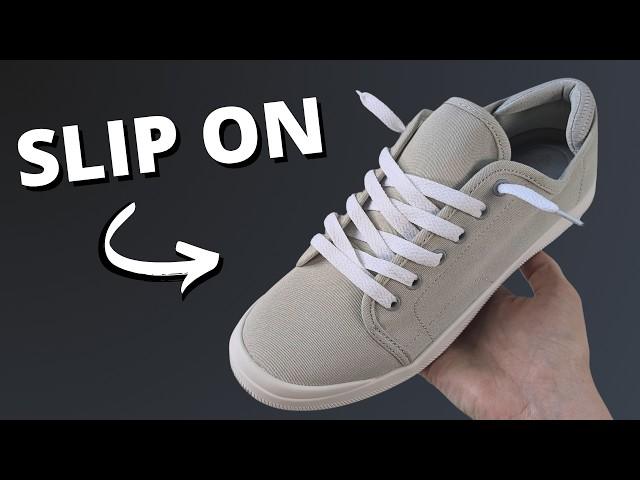
Use elastic laces or a heel-lock knot to turn lace-up tennis shoes into easy slip-ons.
I’ve spent years fitting shoes and testing lacing tricks for comfort and speed. In this guide I’ll show practical, step-by-step ways to make your laced tennis shoes slip on like loafers while keeping fit, safety, and style. You’ll learn simple methods, when to use elastic or toggles, and real tips from hands-on experience so you can choose the best approach for your shoes and life.
Why convert lace-up tennis shoes to slip-on?
Making lace-up shoes into slip-ons saves time and adds convenience. It also keeps a clean look while still giving support. Knowing how to tie tennis shoes to slip on helps people with tight schedules, kids who struggle with knots, and anyone who dislikes retying laces.
The goal is to keep the shoe snug without needing to tie and untie each time. That balance is the core of how to tie tennis shoes to slip on. You’ll learn ways that keep heel hold, reduce pressure points, and let you slide in smoothly.
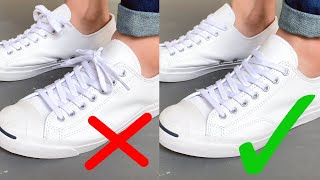
Tools and materials you’ll need
- Elastic no-tie laces
- Stretchy laces replace regular ones. They let your foot slide in and hold snugly.
- Lace anchors or cord locks
- Small devices that lock laces without tying. Good for runners and kids.
- Standard flat laces
- Can be re-laced in special patterns to act like slip-ons.
- Scissors and a lighter
- Trim and melt ends of elastic laces to stop fraying.
- Optional: small screwdriver or awl
- Helps thread laces through tight eyelets.
These items make it simple to try different ways of how to tie tennis shoes to slip on. Pick tools that match your shoe style and activity level.

Step-by-step methods to make shoes slip on
Below are easy, proven methods. Try one and adjust tension until it feels right. Each method tells you when to use it and why.
Elastic no-tie laces (best overall)
- Remove old laces. Insert elastic laces through eyelets like normal.
- Set lace tension evenly. Test by sliding foot in.
- Trim extra elastic, melt ends, and secure with included clip or knot.
Use this when you want a permanent slip-on feel without sacrificing fit. Elastic laces make how to tie tennis shoes to slip on fast and practical.
Toggle or cord-lock system (quick adjust)
- Thread laces through eyelets. Thread both ends through the toggle.
- Pull toggle to tighten; push to loosen.
- Tuck laces into the shoe or tie a tiny knot to stop slippage.
Good for people who want on-the-go adjustments and still need quick slip-on function.
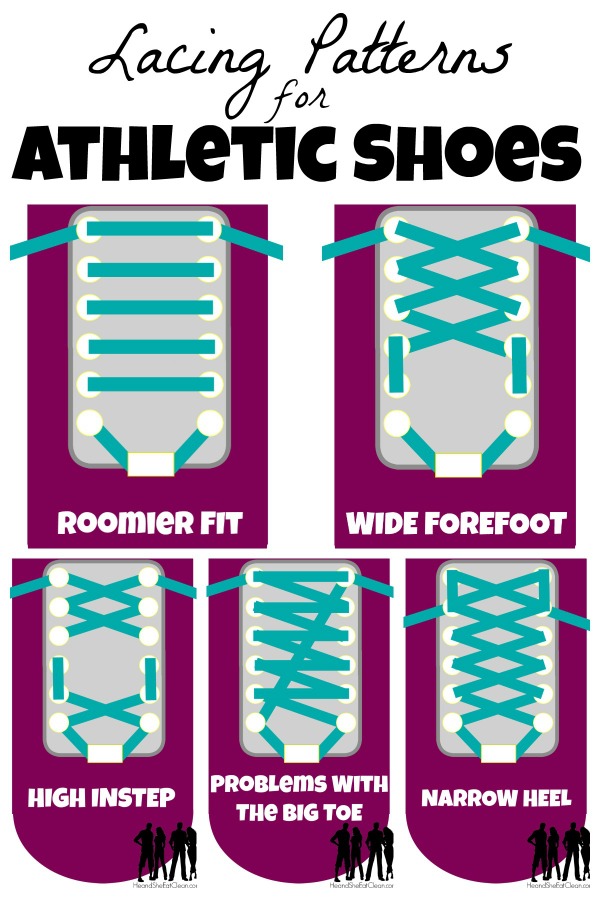
Heel-lock (runner’s loop) modified for slip-on
- Lace normally until the top eyelets. Use the last eyelet to form a loop on each side.
- Cross lace ends through opposite loops, then pull straight back.
- Adjust tension low so the heel sits snug but you can still slip in.
This keeps the heel secure while allowing easier entry. It is a safe way to make how to tie tennis shoes to slip on without losing support.
One-knot slip method (for casual wear)
- Lace through all eyelets. Pull evenly.
- Tie a single knot near the tongue and tuck the tails under the lace row.
- Keep the knot loose enough to allow sliding in.
Use this for casual walking shoes where high performance hold isn’t needed.
Anchor tabs (for kids or mobility needs)
- Insert lace anchors near the bottom eyelets inside the shoe.
- Thread laces and attach anchors as directed.
- Lock anchors so laces stay fixed; only loosen at the top if needed.
Anchors help people who can’t tie knots but need shoes to remain consistent each wear. This is a reliable way to make how to tie tennis shoes to slip on for children and seniors.

Troubleshooting and practical tips
- If shoes feel too loose, tighten elastic or make the toggle sit closer to the tongue. Small adjustments help a lot.
- If the heel slips, use the heel-lock method or add a thin insole to raise the foot slightly.
- For narrow feet, try thinner elastic laces or double-loop the top eyelets to reduce slack.
- Cut and carefully melt elastic ends to prevent fray. A lighter used briefly will seal the ends.
- Test changes on short walks before wearing all day. Comfort needs real-world checking.
From my experience, elastic laces work best for daily wear. I once switched an entire team to elastics and saw fewer trips and faster game warm-ups. Start with one shoe before changing both, so you can compare comfort and fit.

Common mistakes to avoid
- Making laces too tight
- This causes pressure and pain. Keep tension moderate.
- Ignoring heel slippage
- Test heel hold while walking and running.
- Cutting laces without checking fit first
- Only trim after you find the perfect tension.
- Over-relying on a single fix
- Combine methods if needed, like elastics plus a small insole.
- Using bulky toggles with dressy shoes
- Choose hardware that matches the shoe style.
Avoiding these mistakes helps you master how to tie tennis shoes to slip on while keeping comfort and safety.
Variations for different users
- Kids
- Use anchors or simple toggles. Make laces childproof so they don’t pull them out.
- Seniors and people with limited mobility
- Use elastic laces and wide toggles for easy single-hand adjustments.
- Runners and athletes
- Use elastic laces rated for sport and pair them with a proper heel-lock when running.
- Dress or fashion shoes
- Use thin elastic laces the color of the shoe for a seamless look.
Matching method to the user avoids problems and improves daily life. Knowing how to tie tennis shoes to slip on varies with age and activity.

Care and maintenance for slip-on laced shoes
- Wash laces periodically according to material care. Elastic may lose stretch over time.
- Replace elastics after 6–12 months of regular use. Check for fraying.
- Keep toggles clean and free of grit that might jam mechanisms.
- Re-test tension when switching socks or insoles.
Good care prolongs both comfort and function. Treat the laces as part of your shoe routine.

People also ask
How quickly can I convert my tennis shoes to slip-ons?
Most conversions take 10–30 minutes. Buying pre-made elastic laces speeds the process to under 10 minutes.
Will elastic laces reduce support?
Elastic laces give a different feel but can maintain support if tension is correct. Use heel-locks or tighter settings for sports.
Can I use regular laces to make shoes slip-on?
Yes. Special lacing patterns or a single loose knot can make regular laces act like slip-ons. It’s a low-cost option.
Are no-tie laces safe for running?
Some athletes use elastic laces successfully for running. Choose high-quality elastics and test on short runs first.
Do these changes damage shoes?
No, if you use proper sizes and avoid over-tightening. Avoid forcing large hardware into small eyelets.
Frequently Asked Questions of how to tie tennis shoes to slip on
What is the easiest way to make tennis shoes slip on?
Use elastic no-tie laces. They stretch for easy entry and hold the foot without a knot.
Can I keep my original laces and still have slip-on function?
Yes. Re-lacing with a loose single knot or adding a toggle will let you slip shoes on while keeping original laces.
Will converting affect shoe fit?
It can slightly change fit. Test the new setup and adjust tension or insoles to restore comfort.
How long do elastic laces last?
Quality elastic laces last 6–12 months with everyday use. Replace sooner if they lose elasticity.
Is it safe for kids to have slip-on laced shoes?
Yes, especially with anchors or locked toggles. These options prevent kids from tripping over loose laces.
Can I run in shoes converted to slip-ons?
Yes, with the right method. Use sport-grade elastic laces or combine a heel-lock with elastic for runs.
Do shoe stores offer this service?
Many shoe stores will install no-tie systems or show you the best lacing for slip-on use. It’s a quick service at many retailers.
Conclusion
You can make lace-up tennis shoes slip on without losing comfort or safety. Try elastic laces, toggles, or smart lacing patterns to find the best fit for your life. Start small, test each method, and adjust until your shoes feel secure and easy to use. Give one method a try today, share your result, or ask questions below to get tailored advice.

Rubel Miah is the Senior Editor at MyStyleGrid.com, where he brings a sharp editorial eye and an unshakable love for fashion to everything he does. A true style addict, Rubel lives and breathes trends, from streetwear to high fashion, and has a knack for turning inspiration into impactful stories. With years of experience in fashion journalism and digital media, he curates content that empowers readers to express themselves through style. When he’s not editing features or forecasting the next big thing, you’ll find him hunting down vintage pieces or capturing street style moments around the city.