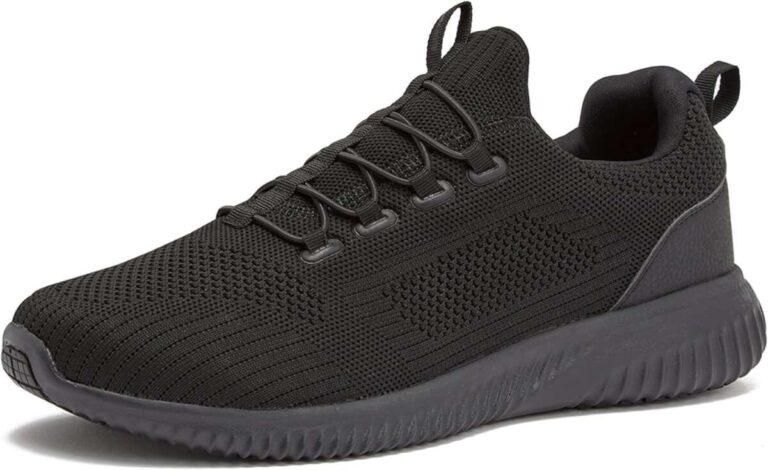
Choose roomy, oil-resistant rubber soles with good tread and proper support for long shifts.
I’ve spent years working in busy kitchens and testing work shoes. I know how to choose slip resistant sneakers for restaurant work so you stay safe, comfy, and fast on your feet. This guide breaks down the must-have features, real-world fit tips, testing standards, care routines, and common mistakes — all in plain language so you can pick the right pair today.
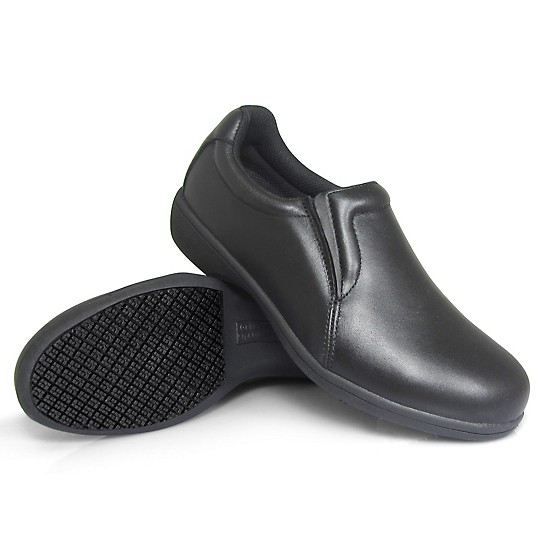
Why slip resistance matters in restaurants
Slips cause many workplace injuries in food service. Floors get wet from spills, grease, and condensation. A slip-resistant shoe helps you stop a fall before it starts.
Choosing how to choose slip resistant sneakers for restaurant work is about more than grip. It’s about balance, support, and comfort during long shifts. I’ll show you what to test and what to skip.

Key features to look for when choosing slip resistant sneakers for restaurant work
Look for shoes built with a focus on traction, comfort, and durability. Here are the core parts to inspect before you buy.
- Outsole compound and tread
- Choose rubber or nitrile soles designed for oil and water grip. Deep siping and multi-directional tread help channel liquids away.
- Midsole and cushioning
- Look for responsive foam that keeps feet supported for hours. A stable midsole reduces fatigue and ankle strain.
- Fit and toe box
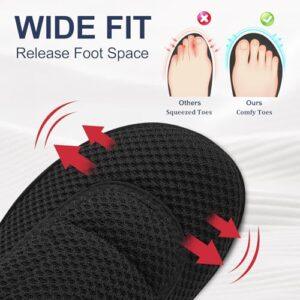
- Roomy toes prevent cramping and blisters. A snug heel stop reduces foot slide inside the shoe.
- Upper material and breathability
- Mesh or leather uppers that breathe keep feet dry. Seamless construction lowers pressure points.
- Weight and flexibility
- Lightweight shoes reduce fatigue. Flex at the ball of the foot for natural movement.
- Slip rating and claims
- Check for independent slip-test results. A slip-resistant label alone isn’t enough; test data matters.
I repeat: how to choose slip resistant sneakers for restaurant work means balancing grip with comfort for long shifts. Test the feel, not just the specs.
Standards, tests, and labels you should understand
Not all “non-slip” claims are equal. Knowing test terms helps you compare shoes.
- ASTM and ISO testing
- These standards measure shoe traction on wet and oily surfaces. Shoes that pass tend to perform better in kitchens.
- Wet pendulum and oil-wet ramp tests
- Tests use a swinging device or sloped ramp to mimic slipping. Look for results, not just badges.
- Manufacturer data vs. independent tests
- Independent lab tests carry more weight. Brand claims can be marketing first, so read test notes.
When you learn how to choose slip resistant sneakers for restaurant work, prioritize shoes with verifiable test results. That reduces guesswork and risk.

How to choose slip resistant sneakers for restaurant work: fit and comfort checklist
A shoe can be grippy and still fail if it fits poorly. Use this step-by-step checklist when trying shoes on.
- Try shoes at the end of a shift-length walk to simulate tired feet.
- Wear the socks you use at work during the fitting.
- Leave about a thumb’s width between toe and shoe tip.
- Confirm heel lock — your heel should not lift more than a little when you walk.
- Stand on a wet surface in the store if allowed to feel traction.
I learned the hard way that size alone isn’t enough. One pair felt fine for 10 minutes but gave me blisters after four hours. That’s why fit tests and short trial shifts matter when learning how to choose slip resistant sneakers for restaurant work.

Materials and shoe types that work best in kitchens
Different materials change performance. Know the pros and cons to match your work style.
- Full rubber outsole
- Pros: excellent grip and durability. Cons: can be heavier.
- Nitrile or specialized rubber blends
- Pros: better oil resistance, lighter. Cons: sometimes stiffer initially.
- Memory foam vs. firm support
- Memory foam can feel great but may compress over time. Firm support keeps arches aligned for long shifts.
- Leather, synthetic, and mesh uppers
- Leather is durable and easy to clean. Mesh breathes but may soak up liquids.
When you think about how to choose slip resistant sneakers for restaurant work, pick materials that match your floor hazards (oil vs. water) and your comfort needs.

Care, cleaning, and maintenance to extend slip performance
Even the best shoes lose grip if you ignore them. A short care routine keeps soles working.
- Clean soles weekly
- Remove stuck grease and debris with warm, soapy water and a brush.
- Dry naturally
- Avoid direct heat that can warp midsoles or harden soles.
- Replace worn soles
- If tread depth and siping are gone, the shoe loses grip. Replace before you notice slips.
- Rotate pairs
- Let shoes dry fully between shifts. Rotation extends life and maintains grip.
This is part of knowing how to choose slip resistant sneakers for restaurant work — choose a model you can clean and maintain. It saves money and keeps you safer.

Common mistakes and how to avoid them
People often pick the wrong shoe for easy reasons. Avoid these pitfalls.
- Buying purely on price
- Cheap shoes can save money short-term but wear out and slip sooner.
- Ignoring test results
- Labels without data can be misleading. Ask for slip-test info.
- Choosing fashion over function
- Slick-looking soles often perform worse on wet oil.
- Not re-testing after months
- Soles degrade. Re-evaluate your shoes every 6–12 months.
When you know how to choose slip resistant sneakers for restaurant work, you avoid these mistakes and pick shoes that protect you shift after shift.

Personal experience and lessons learned
I have worn dozens of work shoes over the years. Early on, I picked shoes that looked tough but had poor siping. I slipped twice in one week. After switching to shoes with independent slip ratings and testing fit properly, my confidence grew and my feet hurt less at the end of long nights. My best tips from real use:
- Test shoes on wet surfaces if possible before you buy.
- Prioritize verified traction over brand hype.
- Rotate two pairs to let each dry fully.
Learning how to choose slip resistant sneakers for restaurant work took trial and error. The small extra cost and a short test walk save pain and downtime.

Buying tips and where to test before you buy
Smart buying narrows choices quickly. Use this quick plan.
- Start with shoes that list oil and wet traction.
- Read or ask for test data and user reviews from kitchen staff.
- Try shoes with work socks and walk briskly indoors on a tiled surface.
- Buy from stores with good return policies so you can trial them at work.
Repeat the full focus: how to choose slip resistant sneakers for restaurant work by combining test data, fit, and real-world trials. This approach protects your body and your job performance.
Frequently Asked Questions of how to choose slip resistant sneakers for restaurant work
How long do slip-resistant shoes usually last in a restaurant?
Most shoes last 6 to 12 months under heavy daily use, depending on tread wear and floor conditions. Rotate pairs and clean them to extend life.
Can slip-resistant shoes stop all falls in a restaurant?
No shoe can prevent every fall. They reduce risk significantly, but safe work habits and clean floors also matter.
Are slip-resistant sneakers better than clogs for kitchen work?
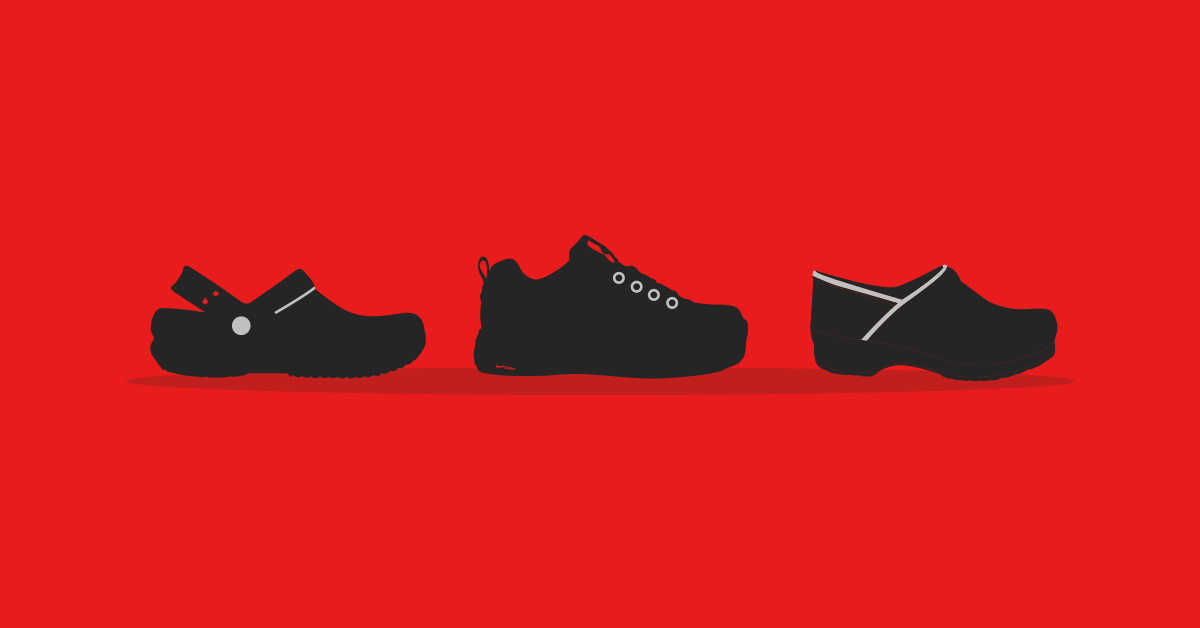
Sneakers often offer better support and fit. Clogs can be quick to remove and easy to clean, but they may allow heel slip in fast work environments.
How can I test a shoe’s slip resistance at home?
Clean the sole and place it on a wet tile or tile with cooking oil in a controlled, safe way to feel the grip. Avoid risking a real fall; test gently.
Should I choose leather or mesh uppers for restaurant shoes?
Leather is easier to clean and more durable. Mesh breathes better. Choose based on how wet or greasy your floor gets and how much cleaning you can do.
Conclusion
Choosing the right work shoe combines verified traction, a proper fit, and simple care. When you focus on how to choose slip resistant sneakers for restaurant work, look for tested outsoles, good support, and a fit that feels right for long hours. Try shoes with the socks you wear, rotate pairs, and replace them before tread fails.
Take action today: test a pair on a wet surface, read slip-test info, and commit to rotating two good pairs. Share your experience or questions below, or subscribe for gear tips and real-world shoe reviews.

Rubel Miah is the Senior Editor at MyStyleGrid.com, where he brings a sharp editorial eye and an unshakable love for fashion to everything he does. A true style addict, Rubel lives and breathes trends, from streetwear to high fashion, and has a knack for turning inspiration into impactful stories. With years of experience in fashion journalism and digital media, he curates content that empowers readers to express themselves through style. When he’s not editing features or forecasting the next big thing, you’ll find him hunting down vintage pieces or capturing street style moments around the city.