Price sneakers by researching comps, factoring fees and condition, then targeting a 20–50% margin.
I’ve priced hundreds of pairs across marketplaces and built resale systems that work. This guide breaks down how to price sneakers for resale profit step-by-step. You’ll learn how to read market signals, calculate real costs, pick a pricing strategy, and list sneakers to sell fast. I’ll share clear examples from my experience, tools I use, and practical rules you can apply today. Read on to turn stock into steady profit.

Understand the sneaker resale market
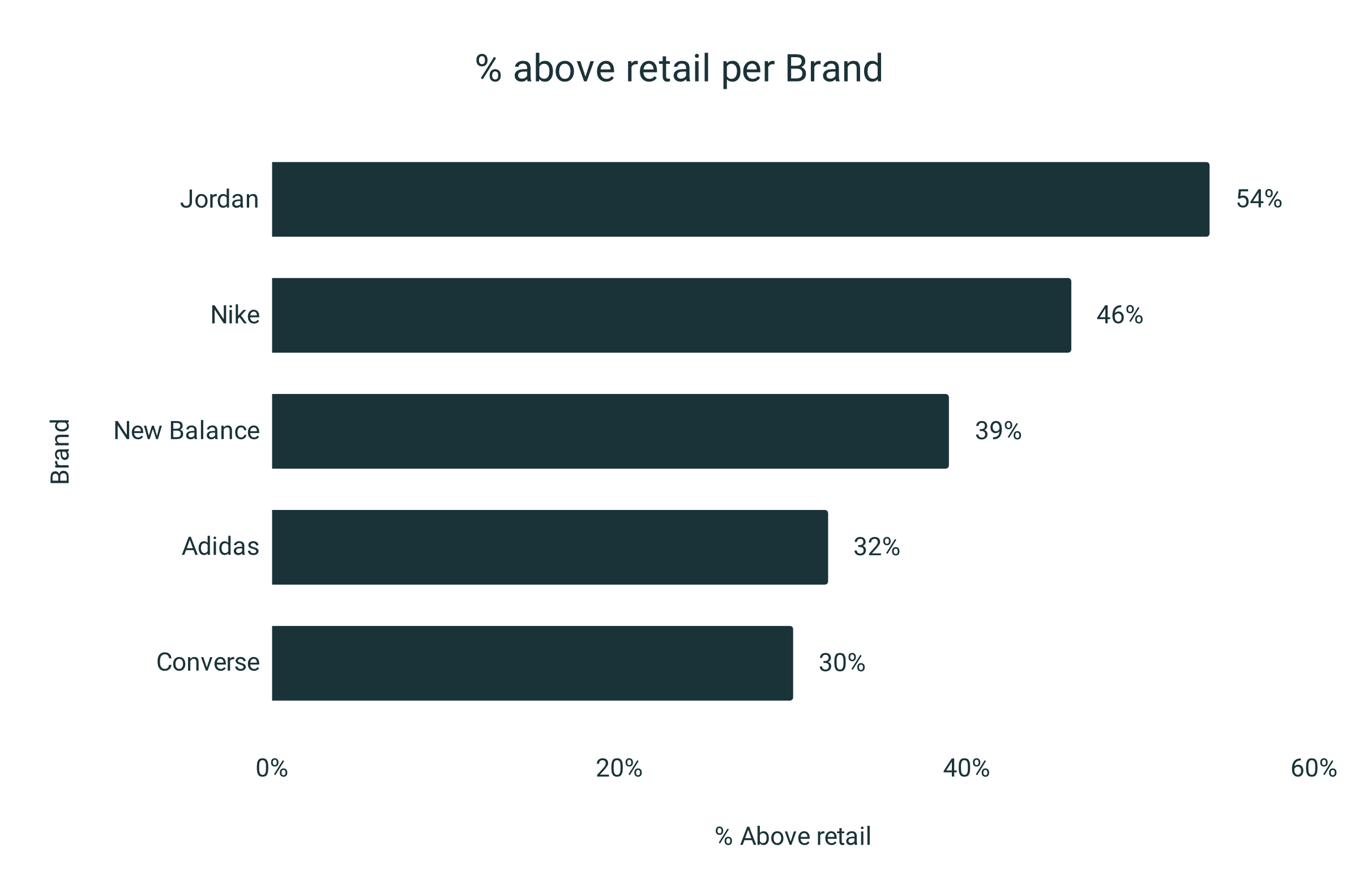
The resale market changes fast. Popular models rise and fall with drops, collaborations, and celebrity boosts. Knowing current demand is the start of how to price sneakers for resale profit.
Key concepts to follow:
- Release hype versus long-term demand. Some shoes spike then fade. Others hold value.
- Limited supply equals higher resale value. Limited runs, regional drops, and exclusives matter.
- Condition drives price. Deadstock (new) sells higher than lightly used pairs.
- Marketplaces matter. Prices vary between platforms and regions.
My experience: I once bought a limited colorway cheaply at a local shop. I tracked it for two weeks and sold at peak after a celebrity photo. Timing and platform choice made the profit. Learn the market and you reduce guesswork.

Know the value drivers that affect price
Not all sneakers are equal. These attributes shape resale price and should guide how to price sneakers for resale profit.
Primary value drivers:
- Brand and model. Iconic lines hold better.
- Release year and rarity. Older rare pairs can jump in value.
- Size. Popular sizes (often 8–11 US men) sell faster and higher.
- Condition. Deadstock, VNDS (very near deadstock), and used grades change price ranges.
- Provenance. Receipts, box, tags, and authentication increase trust and price.
Example from my runs: A DS pair with OG box and tag sold for 25% more than the same shoe without box. Small details matter.
Research comps and use pricing tools
Comparables, or comps, are your best guide. Learning where to find them is essential to how to price sneakers for resale profit.
Where to look for comps:
- Marketplace completed sales. Search sold listings for the model, size, and condition.
- Sneaker price trackers. Use tools that show price history and volatility.
- Social sell groups and forums. Community listings reveal regional pricing nuances.
- Local marketplace listings. Street-level prices sometimes differ from national ones.
How I run comps:
- Search the exact model, size, and colorway.
- Filter to sold listings only.
- Note last 30, 60, and 90 day averages.
- Adjust for condition, box presence, and size.
Practical tip: If sold prices are inconsistent, use the median rather than the highest. Median resists outliers and gives a safer target.
Calculate all costs to find true profit
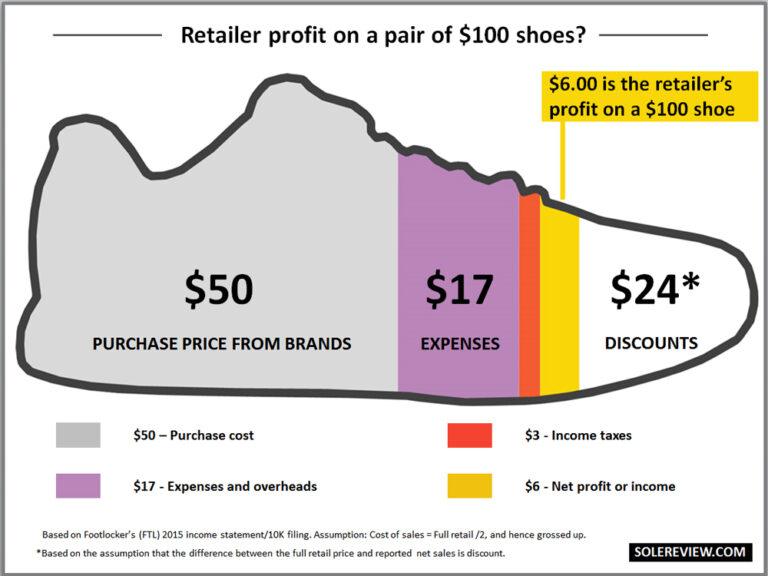
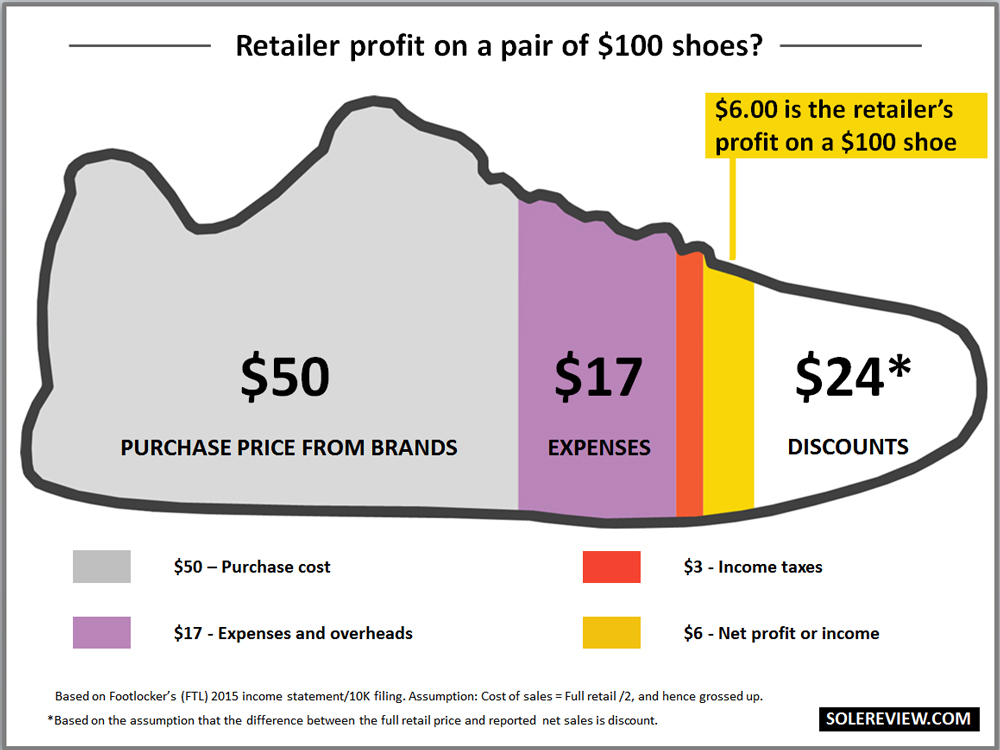
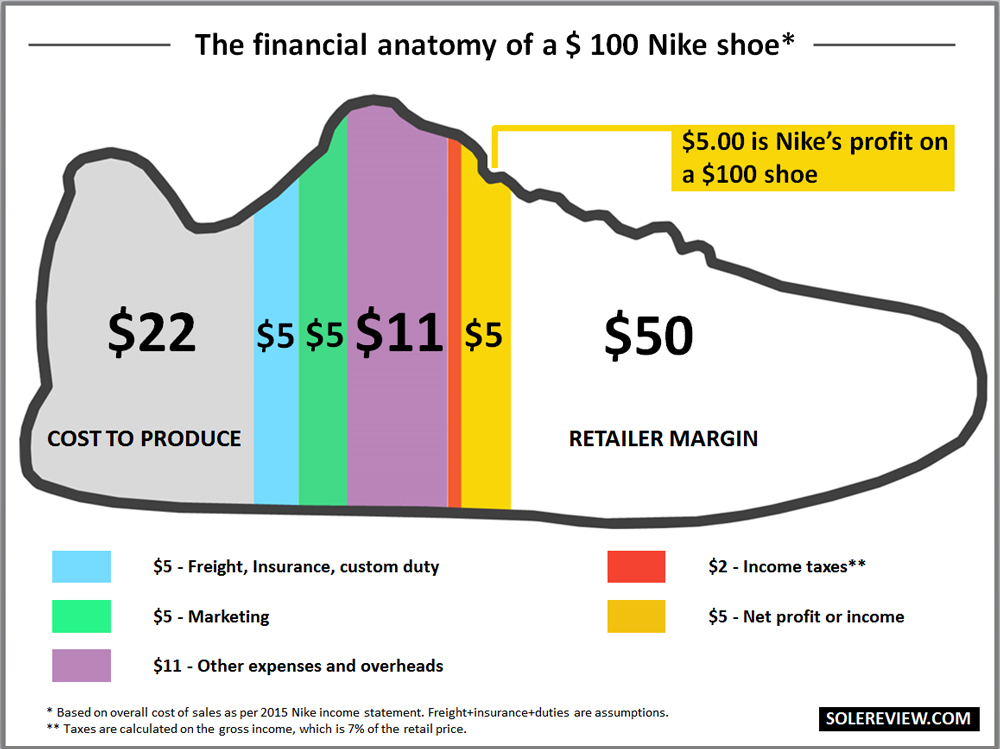
Gross price minus fees is not profit. To learn how to price sneakers for resale profit you must account for every cost. Below is a clear cost checklist and a sample calculation.
Cost checklist:
- Purchase cost
- Marketplace fees and commission
- Shipping and packaging
- Payment processing fees
- Authentication or consignment fees
- Returns and refunds buffer
- Tax obligations and local fees
Sample calculation:
- Purchase price: $200
- Marketplace fee: 12% = $24
- Shipping and packaging: $8
- Payment fee: 3% of sale price (assume sale $300) = $9
- Net received = $300 – $24 – $9 – $8 = $259
- Profit = $259 – $200 = $59 (19.7% margin)
Real lesson: Always run a net profit calc before listing. If your target margin is 20% and the math shows less, raise price or lower costs.
Pricing strategies you can use
There are a few proven strategies for how to price sneakers for resale profit. Pick one based on time, risk tolerance, and inventory size.
Pricing approaches:
- Market match (median). Price at the recent median sold price for fast, reliable sales.
- Market undercut. Price slightly below median to move inventory quickly.
- Premium listing. Price above market for rare pairs or when you can wait for better buyers.
- Auction strategy. List with a low starting bid to generate interest, useful for rare items.
- Bundling. Combine several pairs to increase total sale value and reduce per-item fees.
My advice: Start with market match for new sellers. Once you know day-to-day demand, experiment with premium pricing on 10% of inventory.

Optimize listings to justify price
Good photos and clear descriptions make buyers pay more. Listing quality is a direct lever for how to price sneakers for resale profit.
Listing checklist:
- High-resolution photos from all angles.
- Clear shots of box, tags, insoles, and defects.
- Honest condition grade and wear notes.
- Size and fit notes—mention if they run small or large.
- Keywords in title: brand, model, colorway, size, condition.
- Fast and secure shipping options.
Story angle: If a pair has a unique backstory (limited collab, signed, or worn by a public figure), include that. Good storytelling can justify a higher price.
Timing and seasonal effects
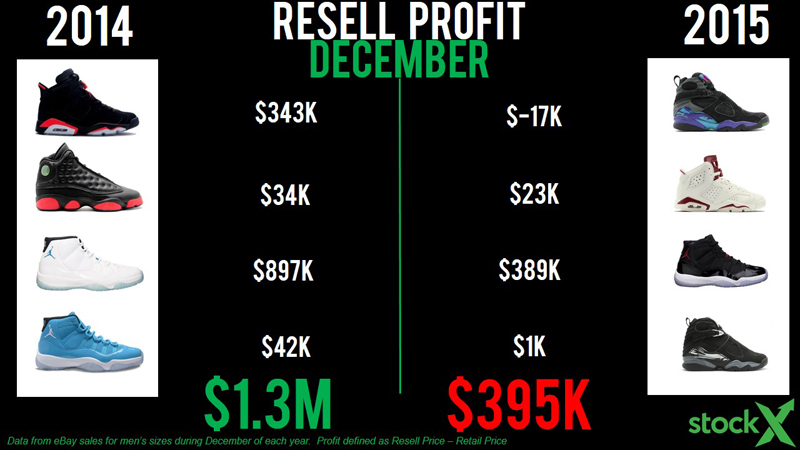
When you list matters. Timing can move price significantly and affects how to price sneakers for resale profit.
Timing factors:
- Drop cycles and restocks. After restock, prices often fall.
- Seasonal demand. Winter boots or summer sneakers vary in demand.
- Event-driven spikes. Concerts, team victories, or celebrity sightings can push prices up.
- Release anniversaries. Milestones sometimes revive interest and value.
Personal tactic: Hold rare pairs through drop noise if supply is likely to shrink. For fast movers, list right after a positive press or influencer post.
Risk management and scaling your business
Scaling needs process and discipline. Pricing mistakes grow costly as volume rises. This section focuses on sustainable ways to scale and how to price sneakers for resale profit across many listings.
Risk control steps:
- Use spreadsheets or software to track buy price, fees, and net proceeds.
- Set minimum acceptable margin per model and size.
- Diversify models and sizes to avoid overexposure to one market trend.
- Keep a buffer fund for returns, authentication holds, and unexpected fees.
- Test new models with small buys before scaling up.
Scaling tip: When you scale, negotiate with suppliers and shipping carriers to reduce costs. Lower costs widen margins and let you price more competitively.
2–3 PAA-style questions answered
What data should I check before setting a resale price?
- Check recent sold prices, listing counts, and price trends for the exact size and condition. Compare across marketplaces and use median sold price as a baseline.
How do fees impact resale pricing?
- Fees can take 10–25% of sale value depending on platform. Always subtract platform fees, shipping, and payment fees to get your true net before setting price.
When should I hold inventory instead of selling immediately?
- Hold when supply is tight and demand is rising, or when a known restock is unlikely. If carrying costs are low, waiting can increase profit.
Frequently Asked Questions of how to price sneakers for resale profit
How do I find accurate sold prices for a specific sneaker?
Search marketplace sold listings for the exact model, colorway, size, and condition. Use price history tools to validate short-term spikes versus stable trends.
What percentage margin is realistic for sneaker resellers?
A safe target is 15–30% net profit after fees and shipping for most pairs. Aim higher for rare or highly sought models but expect more risk.
Should I list higher and accept offers or price to sell quickly?
If you need quick cash, price slightly below median. If you can wait, list higher and decline low offers. Test both approaches to find what fits your cash flow.
How do I price used sneakers compared to deadstock?
Reduce price for wear by condition tier: VNDS ~10–20% below DS, lightly used ~30–50% below DS, heavily worn varies. Always show photos and note defects.
Can I use automated repricing tools for sneakers?
Yes. Automated tools help when you have many listings. Set minimum margins and floors to avoid underpricing during sudden market drops.
Conclusion
You can price sneakers for resale profit by combining market research, careful cost math, and strong listings. Start with comps, add all hidden costs, and choose a pricing strategy that fits your time horizon. Track results, learn from mistakes, and tighten processes as you scale. Take one pair today: run the net profit calc, list with great photos, and test a pricing strategy. Share your results or questions to grow faster and smarter.

Rubel Miah is the Senior Editor at MyStyleGrid.com, where he brings a sharp editorial eye and an unshakable love for fashion to everything he does. A true style addict, Rubel lives and breathes trends, from streetwear to high fashion, and has a knack for turning inspiration into impactful stories. With years of experience in fashion journalism and digital media, he curates content that empowers readers to express themselves through style. When he’s not editing features or forecasting the next big thing, you’ll find him hunting down vintage pieces or capturing street style moments around the city.