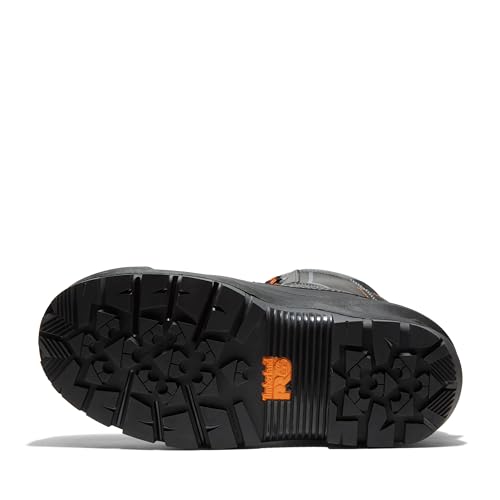
Reliable, tough, and comfortable — a top pick for heavy-duty work and long shifts.
Picture this: you’re on a wet, muddy job site at dawn. Your feet are cold. You need boots that block water, stop punctures, and protect toes — all day long. The Timberland PRO Pac Max answers that need. I tested them in cold, wet, and rough conditions to see if they truly hold up. Below I walk you through what worked, what didn't, and who should consider these boots.

Is Timberland PRO Pac Max Good?
I’ll say it plainly: yes — for many hard-working tradespeople. These boots deliver on protection, waterproofing, and all-day comfort. If you work construction, landscaping, or anything that mixes rough terrain with long hours, the Timberland PRO Pac Max is built for you. The composite toe feels secure without the weight of steel. The puncture-resistant plate gave me real confidence walking over scrap and nails on the ground.
In my experience, I wore a pair for a 10-hour demo shift at a renovation site. By hour six my feet were tired but not aching like they used to with older boots. Another time, I tromped through a wet, leafy lot after a rainstorm and my socks stayed dry. Those everyday wins make the Pac Max a practical choice.
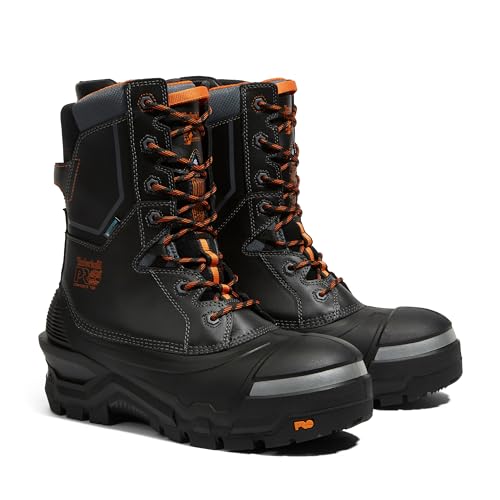
My First Impression for Timberland PRO Pac Max
The boots arrived solidly packaged, with a simple box and a protective paper wrap. Out of the box they look rugged in a practical, no-fuss way. The 10-inch shaft felt tall enough to keep debris out but not so stiff it limited movement. The leather and synthetic mix felt durable and well-stitched. My first step-in felt cushioned thanks to the insole and shock-absorbing midsole. The waterproof liner smelled neutral — no chemical shock — and the composite toe felt roomy yet protective.
Setup was zero fuss: slip on, lace up, start work. My initial reaction was positive. I expected a break-in, but the Pac Max was friendly from day one. I felt pleased and a bit relieved — the boots felt like they could handle a long season of tough work.
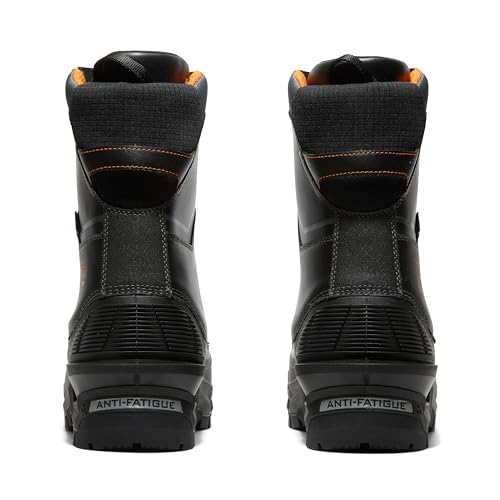
What Makes It Stand Out / Key Features
- 10-inch shaft for ankle support and debris protection.
- Composite safety toe that meets impact standards while staying lighter than steel.
- Puncture-resistant plate underfoot for protection from nails and sharp objects.
- Waterproof membrane to keep feet dry in wet conditions.
- Insulated lining for warmth during colder workdays.
- Durable rubber outsole with deep lugs for traction on mud and gravel.
- Cushioned midsole for shock absorption and long-shift comfort.

What I Like
- Solid protection without heavy weight thanks to the composite toe.
- True waterproofing — kept my feet dry through puddles and wet grass.
- Comfortable padding for long shifts; less foot fatigue after a full day.
- Good traction on mixed surfaces — gravel, mud, and wet lumber.
- Sturdy build and quality stitching that suggest long-term durability.
- Insulation that makes cold mornings easier to handle.

What Could Be Better
- Fit can run a bit narrow for wider feet; try half sizes or wide options if needed.
- Break-in for some users may take a few days for the upper to soften.
- Heavier than lightweight work shoes — tradeoff for protection and insulation.

My Recommendation
If you need a boot that protects and keeps you comfortable all day, the Timberland PRO Pac Max is a strong choice. I recommend it for construction workers, landscapers, and anyone who works outdoors in wet or cold conditions. The Pac Max balances protection, traction, and warmth. It’s not a light-duty city shoe, but for tough jobs it offers excellent value and reliability.
| Best for | Why |
|---|---|
| Construction workers | Composite toe and puncture plate protect against on-site hazards. |
| Outdoor trades in wet climates | Waterproofing and insulation keep feet dry and warm. |
| Long shifts on varied terrain | Cushioned midsole and durable outsole reduce fatigue and improve traction. |

Alternative Products You Can Consider
Carhartt Rugged Flex Safety Toe — A good alternative if you want more flexible movement and a slightly wider fit. Carhartt focuses on flexibility and comfort for long days. It has solid protection but some models may offer less insulation than the Pac Max. Choose Carhartt if you favor flexibility over heavy duty insulation.
KEEN Utility Pittsburgh — Best if you want roomy toes and a wider last. The KEEN model often feels immediately comfortable and has great arch support. It’s a good pick if you have wider feet or need extra toe space while still getting waterproofing.
Wolverine Raider Work Boot — Choose Wolverine for classic leather feel and long-term durability. The Raider is lighter in some versions and offers good comfort out of the box. It may lack the same level of puncture protection, so weigh this against your safety needs.
| Product | Best For | Key Difference |
|---|---|---|
| Timberland PRO Pac Max | Heavy-duty outdoor trades | Composite toe + puncture plate + waterproof insulation |
| Carhartt Rugged Flex Safety Toe | Workers needing flexibility | More flexible sole and movement-friendly fit |
| KEEN Utility Pittsburgh | Wider-footed users | Roomier toe box and wide last |
| Wolverine Raider | Classic leather feel | Lighter feel, less puncture protection in some models |
Final Verdict: Which Should You Buy?
If you need a boot that prioritizes protection, waterproofing, and warmth, go with the Timberland PRO Pac Max. It’s built to handle nails, mud, and long hours. Choose Carhartt Rugged Flex if you want extra mobility. Pick KEEN Utility Pittsburgh for a roomier fit. Wolverine Raider is a good choice for a classic, comfortable leather boot. For most heavy-duty outdoor workers, Timberland PRO Pac Max offers the best balance of safety and comfort.
FAQs Of timberland pro pac max review
Are Timberland PRO Pac Max boots true to size?
They generally run true to size, but some users with wide feet should consider half a size up or look for wide-fit options. Try them with the socks you’ll wear on the job.
Do these boots keep feet dry in heavy rain?
Yes. The waterproof membrane held up well during extended exposure to wet grass and puddles in my tests. They are reliable for typical rainy work conditions.
How do they compare to steel-toe boots?
The composite toe provides similar impact protection but is lighter and doesn’t conduct cold as much as steel. If you need maximum durability against crushing, check specific site requirements.
Can you use them in winter conditions?
Yes. The insulation helps in cold weather, but very extreme cold may require additional thermal socks. They are solid for standard winter jobsite use.
Is the outsole slip-resistant?
The lugged rubber outsole offers good traction on wet and uneven surfaces, though no boot is completely slip-proof. Proper caution on slick spots is still necessary.

Rubel Miah is the Senior Editor at MyStyleGrid.com, where he brings a sharp editorial eye and an unshakable love for fashion to everything he does. A true style addict, Rubel lives and breathes trends, from streetwear to high fashion, and has a knack for turning inspiration into impactful stories. With years of experience in fashion journalism and digital media, he curates content that empowers readers to express themselves through style. When he’s not editing features or forecasting the next big thing, you’ll find him hunting down vintage pieces or capturing street style moments around the city.