When Were Sunglasses Invented
Have you ever wondered when sunglasses first appeared? Maybe you think they are a modern fashion item. In fact, the story of sunglasses goes back much further than most people imagine. Sunglasses are not just about style. They have a long history of helping people protect their eyes from the sun, snow, or even harsh wind. Today, we use sunglasses every day. But how did people in the past deal with bright sunlight? Let me take you on a journey through time. You will discover the surprising origins and evolution of sunglasses. I will share some interesting facts and examples that many people do not know. By the end, you will see sunglasses in a completely new way.
Early Origins Of Sunglasses
Many people think sunglasses are a new invention. But the idea of protecting the eyes from sunlight started centuries ago. The first “sunglasses” were not made of glass or plastic. They were simple tools used by ancient people.
Sunglasses In Ancient Cultures
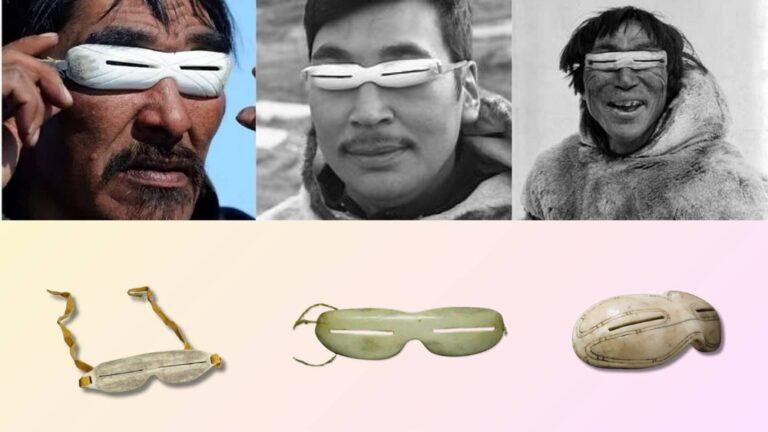
The earliest record of something like sunglasses comes from the Inuit people. They lived in snowy regions like Alaska and Canada. The bright sun reflecting off the snow could hurt their eyes. So, the Inuit made “snow goggles” from bone, wood, or ivory. These goggles had narrow slits to block sunlight. They reduced glare and helped people see better in the snow.
Another early example comes from ancient China. Around the 12th century, judges used flat pieces of smoky quartz. These stones acted like tinted lenses. They did not block UV rays, but they reduced glare. Judges wore them to hide their expressions during trials.
In ancient Rome, Emperor Nero watched gladiator fights wearing polished gems over his eyes. The gems helped block the sun. This shows that people have tried to protect their eyes for a long time.
How Did Early Sunglasses Work?
The Inuit snow goggles were very clever. They did not use lenses. Instead, the narrow slits let in less light. This reduced eye strain and stopped snow blindness. The smoky quartz in China acted like a basic filter. It made bright light softer.
But these early sunglasses did not offer real protection against harmful rays. They were more about comfort and hiding emotions.
Why Did People Need Sunglasses?
Long ago, people did not know about UV rays. But they understood that bright light could damage their eyes. Snow blindness was common in icy regions. In sunny places, glare could make it hard to see. Sunglasses helped hunters, travelers, and even rulers protect their vision. The need for eye comfort is universal, no matter where you live.
Sunglasses In The 18th And 19th Centuries
The next big step for sunglasses happened much later. Glass lenses started to appear in the 18th century. This was a time of new inventions and discoveries.
Early Glass Lenses
By the 1700s, some people used colored glass to shield their eyes. Green and blue lenses were popular in Europe. Doctors began to recommend tinted glasses to patients with eye problems. These glasses were not for fashion. They were for health.
In the 19th century, sunglasses became more common. People used them to treat conditions like syphilis, which made eyes sensitive to light. The glasses were simple, often made with green or amber glass. They were still not designed for UV protection.
First Mass Production
The 19th century saw the start of mass-produced glasses. Factories could make tinted lenses more cheaply. This made sunglasses available to more people. However, most sunglasses were still seen as medical devices, not style items.
Differences Between Early And Modern Sunglasses
Early sunglasses were heavier and less comfortable. They did not block UV rays. Today, we expect sunglasses to be lightweight and protective. In the past, they were tools for people with special needs, not something everyone wore.
The 20th Century: Sunglasses Become Popular
The real boom in sunglasses happened in the 20th century. Technology improved, and people started to care about eye health and style.
Sunglasses And Hollywood
In the 1920s and 1930s, Hollywood stars began wearing sunglasses. This made them a symbol of glamour and mystery. People wanted to look like their favorite actors. Sunglasses became a fashion statement.
One famous star, Greta Garbo, wore sunglasses to hide from the paparazzi. Others wore them to protect their eyes from camera flashes. Soon, sunglasses were everywhere in movies and magazines.
Military Uses
During World War II, sunglasses became important for soldiers and pilots. The US military worked with companies to make special sunglasses. These glasses were designed to protect pilots from glare at high altitudes.
The most famous military sunglasses are the Ray-Ban Aviator. They were first produced in 1936. Aviators had large, dark lenses and thin metal frames. They became popular with both pilots and civilians.
Uv Protection Arrives
By the 1940s and 1950s, scientists discovered the dangers of UV rays. Companies started making lenses that could block these harmful rays. Sunglasses were now seen as essential for eye health. People began to buy them not just for style, but for safety.
Growth Of The Sunglasses Market
In the second half of the 20th century, sunglasses became a huge industry. New materials like plastic made them cheaper and lighter. Designs changed every year. Brands like Ray-Ban, Oakley, and Persol became famous worldwide.
Here is a comparison of early and modern sunglasses:
| Feature | Early Sunglasses | Modern Sunglasses |
|---|---|---|
| Material | Bone, wood, glass | Plastic, metal, polycarbonate |
| UV Protection | None | Strong (up to 100%) |
| Comfort | Heavy, rigid | Light, flexible |
| Style | Functional only | Fashion and function |
Key Moments In Sunglasses History
Let’s look at some important dates and events that shaped the history of sunglasses.
1. Ancient Inuit Snow Goggles
Over 2,000 years ago, the Inuit created snow goggles. This was the first known tool to reduce glare. The slits helped prevent snow blindness.
2. 12th Century China
Chinese judges used smoky quartz lenses. These acted like early sunglasses. They helped hide the judge’s face during trials.
3. 18th Century Europe
Doctors started recommending tinted glasses for eye problems. This marked the start of sunglasses as medical devices.
4. 1930s: Ray-ban Aviators
The US military needed sunglasses for pilots. Ray-Ban developed the Aviator style. It was made for function but quickly became popular with the public.
5. 1950s: Uv Protection
Companies started adding UV filters to lenses. This made sunglasses safer for everyday use.
6. 1970s: Fashion Explosion
Sunglasses became a huge part of fashion. Designers created bold styles like the Wayfarer and oversized frames. Celebrities wore sunglasses everywhere.
7. 1980s And Beyond
New materials like polycarbonate made sunglasses lighter and tougher. Oakley launched sports sunglasses with wrap-around frames. Sunglasses became essential for athletes and outdoor lovers.
How Sunglasses Are Made
Modern sunglasses are a mix of science and style. Here’s how they are made today.
Materials
Most sunglasses use plastic or polycarbonate for lenses. These materials are light and strong. Frames can be metal, plastic, or even wood.
Lens Technology
There are many types of lenses:
- Polarized lenses: Reduce glare from surfaces like water or roads.
- Photochromic lenses: Change color in sunlight.
- Mirror lenses: Reflect light, making them good for bright conditions.
- Gradient lenses: Darker at the top, lighter at the bottom.
Lenses often have coatings for UV protection, scratch resistance, and anti-reflective properties.
Manufacturing Steps
- Raw materials are shaped into lenses and frames.
- Lenses are coated with protective layers.
- Frames are assembled and checked for quality.
- Sunglasses are tested for UV protection and comfort.
Here is a simple comparison of lens types:
| Lens Type | Main Benefit | Common Use |
|---|---|---|
| Polarized | Reduces glare | Driving, water sports |
| Photochromic | Changes color | Outdoor activities |
| Mirror | Reflects light | Sunny areas |
| Gradient | Varies darkness | Fashion, city life |
Why Sunglasses Matter Today
Sunglasses are more than just a style item. They protect your eyes from real dangers.
Uv Protection
The sun gives off ultraviolet (UV) rays. These rays can damage your eyes. Long-term exposure may cause cataracts, macular degeneration, and other problems. Good sunglasses block at least 99% of UV rays. This keeps your eyes safe.
Reducing Glare
Glare can make driving or walking in the sun difficult. Polarized lenses help reduce glare. This makes it easier to see and react to your surroundings.
Comfort And Health
Sunglasses make your eyes feel comfortable in bright light. They can prevent headaches and eye strain. If you spend time outdoors, sunglasses are an important tool.
Fashion And Identity
Sunglasses are also about self-expression. People choose styles that match their personality. From classic Aviators to bold oversized frames, sunglasses let you show your unique style.

Credit: welcometogouda.com