Why Do People Wear Sunglasses
Sunglasses are everywhere. You see them on busy city streets, at the beach, during sports events, and even in movies. People from all walks of life wear them—kids, adults, celebrities, and even the elderly. But have you ever stopped to ask: why do people wear sunglasses? Is it just about style, or is there more behind those dark lenses?
Let’s explore the real reasons, both obvious and hidden, why sunglasses are such a big part of our daily lives. By the end of this article, you’ll look at sunglasses in a whole new way. I’ll also share some facts and tips that most people overlook, so you get the full picture.
Protection From The Sun’s Harmful Rays
The main reason people wear sunglasses is to protect their eyes from the sun’s ultraviolet (UV) rays. These rays are invisible, but they can cause real harm over time. Too much UV exposure can lead to problems like cataracts, macular degeneration, and even sunburn on your eyes.
Sunglasses with UV400 protection block nearly all of these harmful rays. This means they stop both UVA and UVB light from reaching your eyes. Not all sunglasses have this, so it’s important to check before buying. Cheap sunglasses without UV protection can be worse than wearing nothing because your pupils get bigger behind the dark lens, letting in more UV light.
People often forget that UV rays are present even on cloudy days. About 80% of UV rays can pass through clouds. So, wearing sunglasses isn’t just for bright sunny days.
Comfort In Bright Light
Have you ever squinted while walking outside on a sunny day? Bright sunlight can make it hard to see and even give you headaches. Sunglasses reduce glare and brightness, making it much more comfortable to be outside.
This is especially true near water, sand, snow, or other shiny surfaces. These places reflect a lot of light, which can make your eyes tired and sore. Sunglasses with polarized lenses can cut this glare, letting you see better and feel more relaxed.
A common mistake is thinking you only need sunglasses in summer. But the sun can be strong all year, especially in winter when snow reflects light. So, I recommend wearing sunglasses whenever the light feels too bright, not just in hot months.
Reducing The Risk Of Eye Diseases
Wearing sunglasses isn’t just about feeling comfortable. It’s about long-term eye health. Sun exposure can speed up the development of eye diseases. Some of these diseases are:
- Cataracts: A clouding of the eye’s lens, which can lead to blurry vision.
- Macular degeneration: Damage to the central part of your retina, affecting your ability to see details.
- Pterygium: A growth on the white part of your eye that can block vision.
- Photokeratitis: Also called “sunburn of the eye.” It’s painful and can happen after just a short time in the sun.
If you spend a lot of time outdoors, sunglasses can lower your risk of these problems. This is especially important for children. Their eyes let in more UV light than adult eyes, so kids need protection too.
Enhancing Visual Clarity And Color
Good sunglasses do more than block UV rays. They can also help you see better in bright light. Some lenses enhance contrast or make colors look sharper. For example, brown or amber lenses can help you see the ball better in sports like golf or baseball.
Polarized lenses are a special type that cut horizontal glare, like the shine off water or wet roads. This makes them popular with drivers, boaters, and fishermen. You’ll notice you can see into water more clearly with polarized sunglasses.
Here’s a simple comparison of how different lens colors affect vision:
| Lens Color | Main Benefit | Best For |
|---|---|---|
| Gray | Reduces brightness, true color | Everyday use, driving |
| Brown/Amber | Increases contrast, warm colors | Sports, golf, fishing |
| Yellow | Improves clarity in low light | Night driving, foggy conditions |
| Green | Reduces glare, sharpens contrast | All-purpose, outdoors |
Most people just pick sunglasses based on how they look. But picking the right lens color can make a real difference in how you see the world.
Preventing Eye Fatigue And Headaches
Bright light forces your eyes to work harder. You squint, your pupils shrink, and your eye muscles stay tense. This can lead to eye strain and headaches, especially if you’re outside for a long time.
Sunglasses help by reducing the amount of light that enters your eyes. This means your eyes can relax. If you drive a lot, work outside, or do outdoor sports, sunglasses can help you avoid tired eyes and headaches.
A less-known fact: even short periods in bright light can cause discomfort. So, keeping sunglasses handy makes a big difference, even on quick trips outside.
Style And Fashion Statement
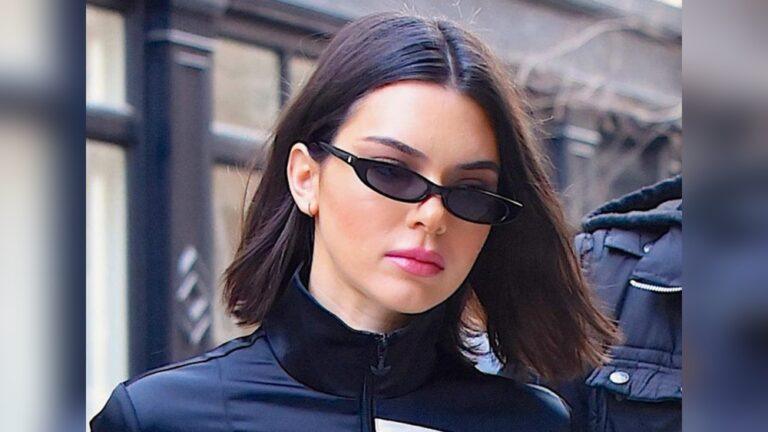
Let’s be honest. Many people wear sunglasses to look good. Sunglasses are a big part of fashion. They come in many shapes, colors, and brands. Some styles, like aviators or wayfarers, are famous worldwide.
Celebrities often wear sunglasses, making them even more popular. You’ll see stars wearing them on the red carpet, in music videos, or just walking down the street. People often copy these looks.
But sunglasses do more than match your outfit. They can change how your face looks. Large frames can make your face look smaller, while certain shapes can highlight your features. Picking the right pair can boost your confidence.
A smart tip: Try on different shapes to see what fits your face best. Don’t just follow trends—find what suits you.
Concealing Eyes And Emotions
Sunglasses can hide your eyes from others. This is useful in many situations. Maybe you’re tired, or you have red eyes from allergies. Sunglasses can cover this up.
They also help if you don’t want people to see your emotions. For example, poker players wear sunglasses to hide their reactions. Some celebrities wear them to avoid eye contact with fans or photographers.
It’s not just about hiding, though. For people with eye injuries or medical problems, sunglasses offer privacy. They let you go out in public without feeling self-conscious.
Eye Protection From Wind, Dust, And Debris
Sunglasses are not just for sunlight. They also protect your eyes from wind, dust, and small particles. If you ride a bike, go hiking, or spend time at the beach, you know how annoying blowing sand or dust can be.
Good sunglasses fit close to your face and block out wind. This keeps your eyes from drying out or getting irritated. People who work outdoors, like construction workers or farmers, often rely on sunglasses for this reason.
Some sunglasses have wrap-around frames for extra protection. If you have sensitive eyes, this can be a lifesaver.

Credit: capitole-nyon.ch
Safety For Driving And Outdoor Activities
Glare from the sun can be dangerous when driving. It can make it hard to see traffic lights, other cars, or road signs. Polarized sunglasses reduce this glare, making driving safer.
For people who do outdoor sports, sunglasses are almost a must. Cyclists, runners, skiers, and mountain climbers all wear sunglasses to protect their eyes from the sun, wind, and flying debris. Even a small stone kicked up by a bike tire can cause serious injury.
Here’s a look at how sunglasses help in different outdoor activities:
| Activity | Main Threat | Why Sunglasses Help |
|---|---|---|
| Driving | Sun glare, reflections | Improves visibility, reduces accidents |
| Fishing | Water glare | Sees under water, protects from hooks |
| Cycling | Wind, dust, insects | Shields eyes, enhances comfort |
| Skiing | Snow glare, wind | Prevents snow blindness, keeps eyes warm |
Many accidents happen because people can’t see well in bright light. Wearing sunglasses is a simple way to stay safe.
Recovery And Medical Reasons
Sometimes, doctors tell people to wear sunglasses after eye surgery, like LASIK or cataract removal. The eyes are more sensitive during healing, and sunlight can slow recovery.
People with certain eye conditions, such as photophobia (light sensitivity) or recent injuries, also need extra protection. Special sunglasses with colored or extra-dark lenses can help them live more comfortably.
A common beginner mistake is not wearing sunglasses after surgery because it’s cloudy outside. But UV rays can harm healing eyes even on cloudy days. Always follow your doctor’s advice.

Credit: www.carfia.com
Preventing Early Signs Of Aging
The skin around your eyes is thin and delicate. Too much sun can cause wrinkles, crow’s feet, and age spots. Sunglasses shield this sensitive skin, keeping you looking younger for longer.
Squinting in bright light can also deepen lines and wrinkles over time. By wearing sunglasses, you relax your face and protect your skin. This is a beauty tip that’s often overlooked.
For best results, choose sunglasses with large frames or wrap-around styles. These offer more coverage for both your eyes and the skin around them.
Cultural And Social Influences
In many cultures, sunglasses are a symbol of coolness, mystery, or status. Movies and TV shows often show heroes and celebrities wearing them. Some people wear sunglasses to fit in with a certain group or to express their personality.
For example, in the 1950s, actors like James Dean made sunglasses a sign of rebellion. Today, many people see sunglasses as part of their image.
But sunglasses are not just about looking good. In some jobs, like law enforcement or the military, sunglasses are part of the uniform. They protect and also create a sense of authority.
Improving Outdoor Sports Performance
Athletes in sports like tennis, baseball, cycling, and golf often wear sunglasses. They need to see clearly in all conditions. The right sunglasses can improve contrast, reduce glare, and even help track fast-moving balls.
Some sports sunglasses have special features, like anti-fog coatings or vents to keep them clear. Others have interchangeable lenses for different weather.
A little-known fact: Many professional athletes work with eye doctors to pick the perfect sunglasses for their sport. This gives them an edge over competitors.
Supporting Eye Health For All Ages
Many parents forget that children’s eyes need protection too. Kids spend a lot of time outdoors and their eyes are more sensitive to UV rays. Sunglasses for kids are available in fun shapes and bright colors.
Older adults can also benefit. As you age, your eyes become more vulnerable to sunlight. Wearing sunglasses can slow down age-related eye problems.
A practical tip: Make sunglasses a habit for the whole family. Keep a pair in your car, bag, and at home.
Reducing Risk Of Migraines And Light Sensitivity
People who get migraines often find that bright light is a trigger. Sunglasses can help prevent attacks by blocking harsh sunlight.
Some people have photophobia, which means normal light feels too bright. Special sunglasses with filters can make life much more comfortable for them.
A useful detail: Not all sunglasses block the same amount of light. If you have migraines or light sensitivity, look for lenses with higher darkness and good UV protection.
Acting As A Barrier Against Allergens
In spring and summer, pollen and other allergens can cause itchy, watery eyes. Sunglasses act as a barrier, stopping some of these particles from reaching your eyes.
This isn’t a perfect solution, but it can reduce symptoms for people with allergies. Wrap-around sunglasses work best because they cover more of your eye area.
If you suffer from allergies, remember to clean your sunglasses often. Pollen can stick to lenses and frames, causing problems even after you go indoors.
Credit: eyecandys.com
Creating A Sense Of Privacy
Sometimes you just want to go out without being noticed. Sunglasses offer a simple way to feel more private in public. They let you look around without making eye contact.
This is helpful for people who feel anxious in crowds or who want to avoid unwanted attention. For celebrities, sunglasses are almost a shield from the public.
But anyone can use sunglasses to create a little personal space. Even if you’re not famous, it’s nice to have a way to feel more comfortable in busy places.
Helping With Digital Eye Strain
More people are using digital screens outdoors—phones, tablets, even laptops. Glare from the sun can make screens hard to read and strain your eyes. Sunglasses with polarized lenses can help reduce this glare.
Some sunglasses are now made with blue light filters, which block the harsh light from screens. This can be useful if you check your phone outside a lot.
A detail many people miss: Regular sunglasses can help, but special lenses for digital use are even better. If you spend lots of time on devices, look for sunglasses with both UV and blue light protection.
Sunglasses And Driving Safety
Driving with the sun in your eyes is not just uncomfortable—it’s dangerous. Sun glare is a major cause of accidents, especially during sunrise and sunset. Good sunglasses can cut this risk by making the road and other cars easier to see.
Polarized lenses are the best choice for drivers. They reduce reflections from the road and other vehicles. This means less squinting and more focus on driving.
If you need prescription glasses, consider getting prescription sunglasses. They combine vision correction and sun protection in one.
Here’s a quick look at how different lens types work for drivers:
| Lens Type | Best For | Notes |
|---|---|---|
| Polarized | Day driving, glare reduction | Not for night driving |
| Photochromic | Changing light conditions | May not darken in cars with UV-blocking windows |
| Gradient | Driving, reading dash | Darker on top, lighter on bottom |
Always keep a pair of sunglasses in your car, especially for long trips.
Sunglasses And Climate
Different climates have different sunlight levels. In tropical countries, the sun is strong all year. In high-altitude places, UV rays are more intense. Sunglasses are not just a summer item—they’re a year-round need in many places.
If you live near water or snow, sunglasses are even more important. Water reflects up to 100% of UV rays, and snow reflects up to 80%. This can double your sun exposure.
A practical example: People who climb mountains or ski wear sunglasses to avoid snow blindness, a painful eye condition caused by UV reflection.
Myths And Misconceptions
Some people think only expensive sunglasses offer good protection. That’s not true. Even affordable sunglasses can block UV rays if they are labeled properly. Always look for 100% UV protection or UV400 on the label.
Another myth is that dark lenses always mean better protection. Lens color has nothing to do with UV blocking. You can have clear lenses with perfect UV protection, and very dark lenses with none.
Finally, some believe sunglasses are only for sunny weather. As mentioned before, UV rays penetrate clouds, so protection is necessary even on overcast days.
How To Choose The Right Sunglasses
Picking sunglasses is about more than style. Here’s what matters most:
- UV Protection: Always check for 100% UV or UV400 labels.
- Fit: Sunglasses should cover your eyes fully and sit comfortably on your nose and ears.
- Lens Material: Polycarbonate is light and shatterproof, great for sports. Glass is clearer but heavier.
- Frame Shape: Wrap-around frames block more light and wind.
- Polarized Lenses: Best for glare, especially near water or while driving.
- Brand Reliability: Trusted brands often meet higher safety standards.
Avoid these common mistakes:
- Buying sunglasses without checking UV protection.
- Picking very dark lenses without checking the label.
- Ignoring fit and comfort for style.
If you want more details about UV rays and eye safety, see the CDC’s UV radiation safety guide.
The Future Of Sunglasses
Technology is changing sunglasses. Some new models have built-in cameras, audio, or smart features. Others use high-tech materials for lighter weight and better durability.
Photochromic lenses, which darken in sunlight, are becoming more popular. So are lenses that filter both UV and blue light. The goal is to make sunglasses that protect you in all conditions, indoors and out.
But the basics haven’t changed: protecting your eyes from the sun, wind, and debris is still the main reason to wear sunglasses.
Frequently Asked Questions
Why Do Sunglasses Matter For Eye Health?
Sunglasses block harmful UV rays, reduce glare, and protect your eyes from wind and debris. Wearing them lowers your risk of diseases like cataracts and macular degeneration.
Can I Wear Sunglasses On Cloudy Days?
Yes, you should. UV rays can pass through clouds, so your eyes still need protection even when it’s not sunny.
Are Expensive Sunglasses Always Better?
No. Price does not guarantee quality. The most important thing is UV protection. Even affordable sunglasses can give full protection if labeled correctly.
What Is The Difference Between Polarized And Non-polarized Sunglasses?
Polarized lenses reduce glare from flat surfaces like water or roads. This makes them great for driving and outdoor sports. Non-polarized lenses do not cut glare as much.
Do Children Need Sunglasses?
Absolutely. Children’s eyes are more sensitive to UV rays. It’s important to protect their eyes with sunglasses that fit well and offer 100% UV protection.
Sunglasses do much more than make you look cool. They protect your eyes, boost comfort, and help you see better. Next time you reach for your favorite pair, remember: you’re doing your eyes a big favor.

Madison Clark is a footwear expert and the voice behind MyStyleGrid.com. She specializes in honest shoe reviews, style tips, and practical guides to help readers find the perfect pair for any occasion. With years of experience in blogging and content creation, Madison makes footwear knowledge simple, stylish, and easy to follow.