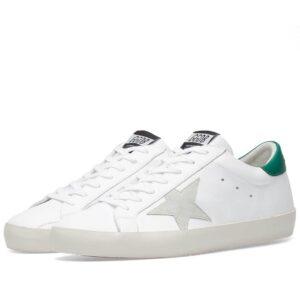
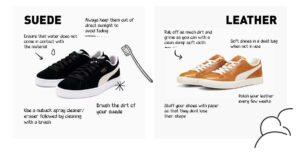
Nurses can wear supportive, closed-toe shoes like clogs, slip-resistant sneakers, and medical dress shoes.
I’ve worked in clinical settings and tested dozens of work shoes. I’ll walk you through what shoes can nurses wear, why each choice matters, and how to pick shoes that protect your feet, meet dress codes, and keep you comfortable through long shifts. This guide explains features, common foot issues, real-world tips, and trusted models so you can choose confidently and avoid painful mistakes.

Types of shoes nurses can wear
Choosing what shoes can nurses wear often starts with the shoe type. Each type fits different shifts, floors, and personal needs.
- Clogs Practical, roomy, and easy to clean. Many clogs have molded footbeds and wide toe boxes.
- Athletic sneakers Lightweight, cushioned, and supportive. Good for long rounds and mixed floors.
- Slip-on dress shoes Sleek and compliant. Look for models with arch support and a slip-resistant sole.
- Work shoes with safety toes Required in some labs and warehouses. Choose composite toes if needed for X-ray safety.
- Boots Good for colder climates or if you need ankle support; pick slip-resistant soles.
- Professional flats If your unit allows flats, pick ones with cushioning, a non-slip sole, and toe protection.
What shoes can nurses wear depends on your unit and policies. Clinical areas often require closed toes and slip resistance, while outpatient clinics may allow more style options. I’ve used clogs for surgery shifts and sneakers for pediatrics. Both kept me on my feet without pain once I chose the right fit.

Key features to look for when deciding what shoes can nurses wear
A shoe can look nice but fail quickly if it lacks core features. Focus on safety and support.
- Closed toe Protects from spills, sharps, and dropped items.
- Slip-resistant sole Prevents falls on wet or polished floors.
- Cushioning Reduces impact on knees and spine during long shifts.
- Arch support Keeps your foot aligned and helps prevent plantar fasciitis.
- Roomy toe box Gives toes space to move and reduces pressure on bunions.
- Breathable upper Controls moisture and reduces odor.
- Durable outsole Resists wear from long hours and frequent cleaning.
- Easy to clean Vital for infection control in clinical settings.
When you evaluate what shoes can nurses wear, prioritize slip resistance and support over fashion. A shoe that keeps you steady and pain-free helps you focus on care.

Matching shoes to common foot problems and conditions
Different foot issues need specific shoe features. Here’s how to choose what shoes can nurses wear if you have a problem.
- Plantar fasciitis Choose shoes with strong arch support, a cushioned heel, and a firm midsole.
- Bunions Look for a wide toe box and soft upper materials to reduce rubbing.
- Flat feet Pick shoes with motion control and supportive insoles to prevent overpronation.
- Heel spurs Extra heel cushioning and a slightly elevated heel can ease pain.
- Morton’s neuroma A wider toe box and shock-absorbing sole help reduce pressure.
If you have chronic pain, try specialty insoles or see a podiatrist. I added orthotic insoles during a high-load period. My heel pain stopped after two weeks.

Workplace rules, dress codes, and safety standards
Knowing what shoes can nurses wear also means knowing your workplace rules. Policies vary by employer.
- Hospital policy Most require closed toes, non-porous materials, and slip-resistant soles.
- Unit rules ICU, OR, and sterile areas may require specific shoe types or color limits.
- OSHA and safety OSHA focuses on hazard protection. Shoes must protect from spills and injuries.
- Union or facility contracts Some facilities provide footwear allowances or require certain brands.
Always read your employee handbook and ask your manager. I once bought shoes that looked great but failed the OR scrub tech check. Investing time to verify policy saves money.
Top brands and models worth considering
Here are reliable options to consider when choosing what shoes can nurses wear. These models balance comfort, durability, and safety.
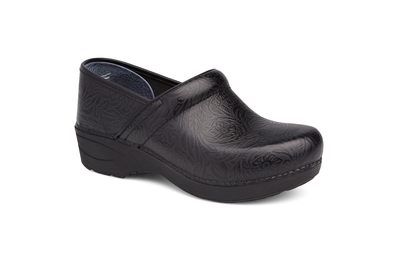
- Dansko Professional Classic clog with roomy toe box and strong arch support.
- Brooks Ghost or Addiction Supportive running shoes with cushioned midsoles and good traction.
- New Balance 927 or 990 Stable and comfortable, with room for orthotics.
- Crocs Specialist or Mercy Work Lightweight clogs made for healthcare with improved support.
- Hoka One One Clifton or Bondi Max cushioning for long shifts on hard floors.
- SAS and Alegria Slip-resistant work shoes made for long-day comfort.
- Sketchers Work Affordable slip-resistant sneakers with memory foam cushioning.
When you shop, focus on fit and support rather than brand prestige. I test-walked several models on shift and found that midsole technology mattered more than style.

How to buy and fit shoes that nurses can wear
A good fit is the most important factor in what shoes can nurses wear. Follow these steps.
- Measure feet late in the day Feet swell over a shift; afternoon measurements are truer.
- Wear your typical socks Bring the socks you use at work when trying shoes.
- Leave thumb width in front Ensure about a thumb’s width between longest toe and shoe end.
- Test walk on similar surfaces Walk on tile or hard floors to check grip and comfort.
- Check heel fit The heel should not slip more than a little when walking.
- Consider orthotics If you use inserts, bring them when trying shoes.
Return policies matter. Buy from places with easy returns so you can swap if fit isn’t right after a full shift.

Caring for your work shoes
Proper care extends shoe life and maintains safety. Simple habits go a long way.
- Clean daily or weekly Wipe soles and uppers to remove dirt and spills.
- Air out shoes Let them dry between shifts to reduce bacteria and odor.
- Rotate pairs Use two or more pairs to let cushioning recover.
- Replace when worn Change shoes at 300–500 miles or earlier if support fades.
- Use replacement insoles Refresh cushioning without buying new shoes.
I kept two similar pairs and alternated them. They lasted longer and stayed supportive for months.

Personal experience: lessons, mistakes, and practical tips
I’ve learned what shoes can nurses wear through long shifts and many mistakes. Here are real tips from the floor.
- Don’t buy by looks only I once bought a fashionable pair that caused blisters after one shift.
- Break shoes in slowly Wear new shoes for short shifts before full 12-hour days.
- Try shoes with your real work routines Bend, squat, and run a bit to simulate a busy floor.
- Ask colleagues Their feedback on durability and grip is priceless.
- Budget for comfort Spending more initially often saves money on pain and replacements.
A lesson I value: comfort improves care. When feet hurt, concentration drops. Good shoes made my shifts easier and my work better.
PAA-style quick questions
Here are three quick answers to common user-intent questions about what shoes can nurses wear.
- Can nurses wear sandals or open-toe shoes? Most clinical settings prohibit them. Open-toe shoes pose infection and injury risks.
- Are sneakers acceptable in hospitals? Yes, if they are closed-toe and slip-resistant. Athletic sneakers often meet comfort and safety needs.
- Do nurses need slip-resistant soles? Almost always. Slip resistance reduces falls on wet or polished floors.
Frequently Asked Questions of what shoes can nurses wear
What shoes are safest for nurses to wear?
Closed-toe shoes with slip-resistant soles and good arch support are the safest. Look for durable outsoles and a stable heel to prevent falls and injuries.
Can nurses wear sneakers to work?
Yes, nurses can wear sneakers if the shoes meet workplace rules. Choose sneakers that are closed-toe, have good traction, and offer cushioning for long shifts.
Are clogs appropriate for all nursing units?
Clogs are appropriate in many units but not all. Check unit rules and ensure the clog has a secure fit and slip-resistant sole.
How often should nurses replace their work shoes?
Replace shoes every 300–500 miles of use or when support lessens. If you feel new aches or see sole wear, it’s time to replace them.
Can nurses use orthotic insoles?
Yes, orthotic insoles often improve comfort and correct alignment. Bring insoles when trying shoes to ensure proper fit and support.
Conclusion
Choosing what shoes can nurses wear comes down to safety, support, and fit. Prioritize slip resistance, cushioning, and a roomy toe box. Measure feet late in the day, try shoes with your work socks, and rotate pairs to extend life. Investing in the right footwear protects your feet and helps you stay sharp during long shifts.
Take action: measure your feet tonight, review your workplace shoe policy, and try at least two recommended models on your next day off. Share your experience below or subscribe for more practical tips on keeping your feet healthy at work.

Rubel Miah is the Senior Editor at MyStyleGrid.com, where he brings a sharp editorial eye and an unshakable love for fashion to everything he does. A true style addict, Rubel lives and breathes trends, from streetwear to high fashion, and has a knack for turning inspiration into impactful stories. With years of experience in fashion journalism and digital media, he curates content that empowers readers to express themselves through style. When he’s not editing features or forecasting the next big thing, you’ll find him hunting down vintage pieces or capturing street style moments around the city.