No — moon boots are not suitable for snowboarding; they lack support, stiffness, and binding compatibility.
I’ve spent years on snow and gear, from casual resort days to testing boots. I know the feel of a proper snowboard boot and the limits of moon boots. This article explains clearly why are moon boots for snowboarding is a poor idea, when moon boots do make sense, and what to wear instead. Read on for real-world testing notes, technical reasons, safety tips, and simple buying advice that will keep you warm and safe on the mountain.

What are moon boots and how they differ from snowboard boots
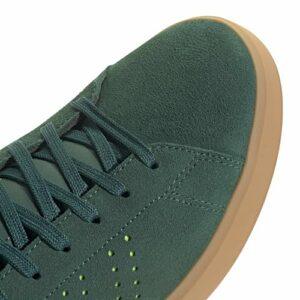
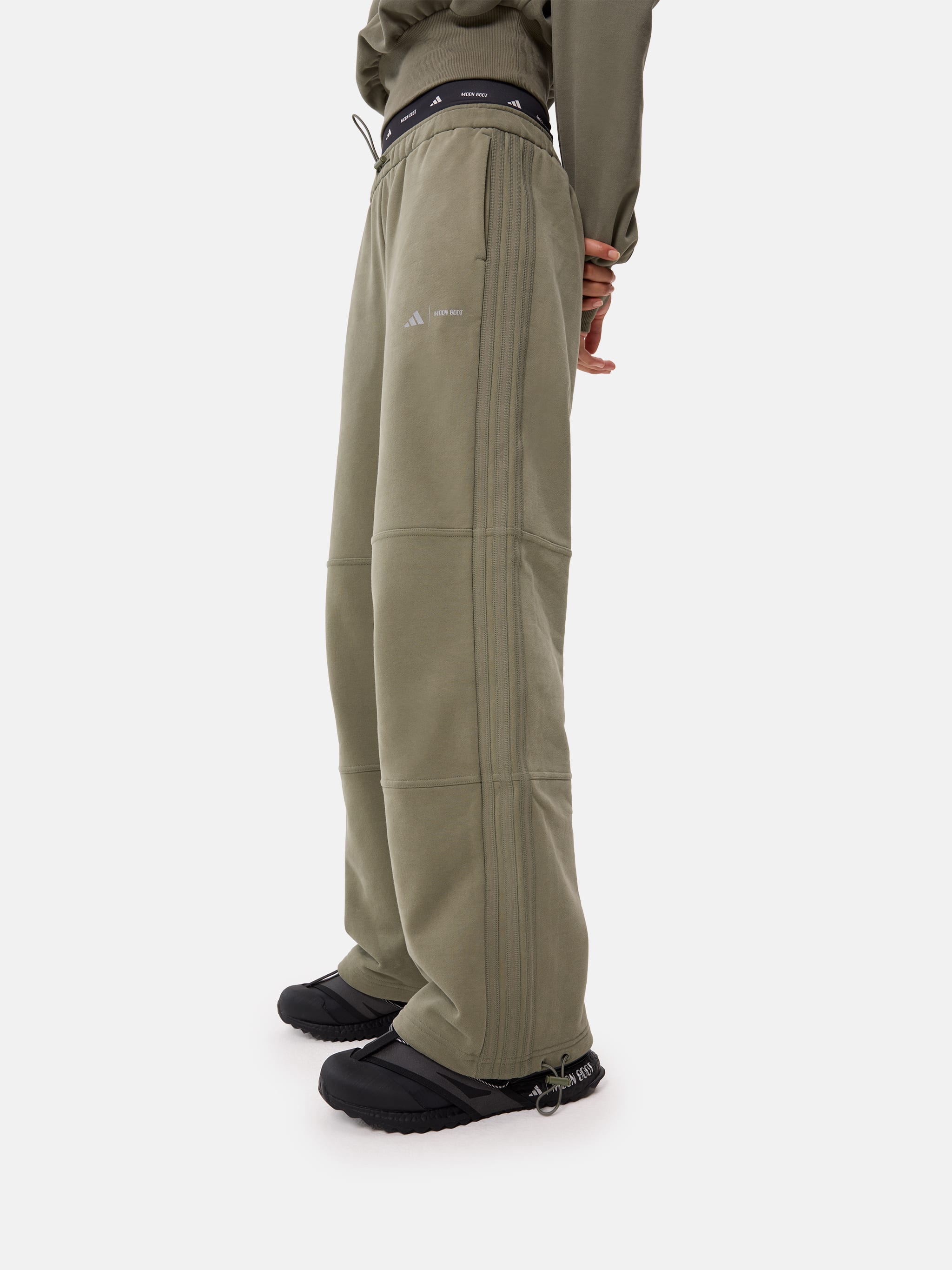
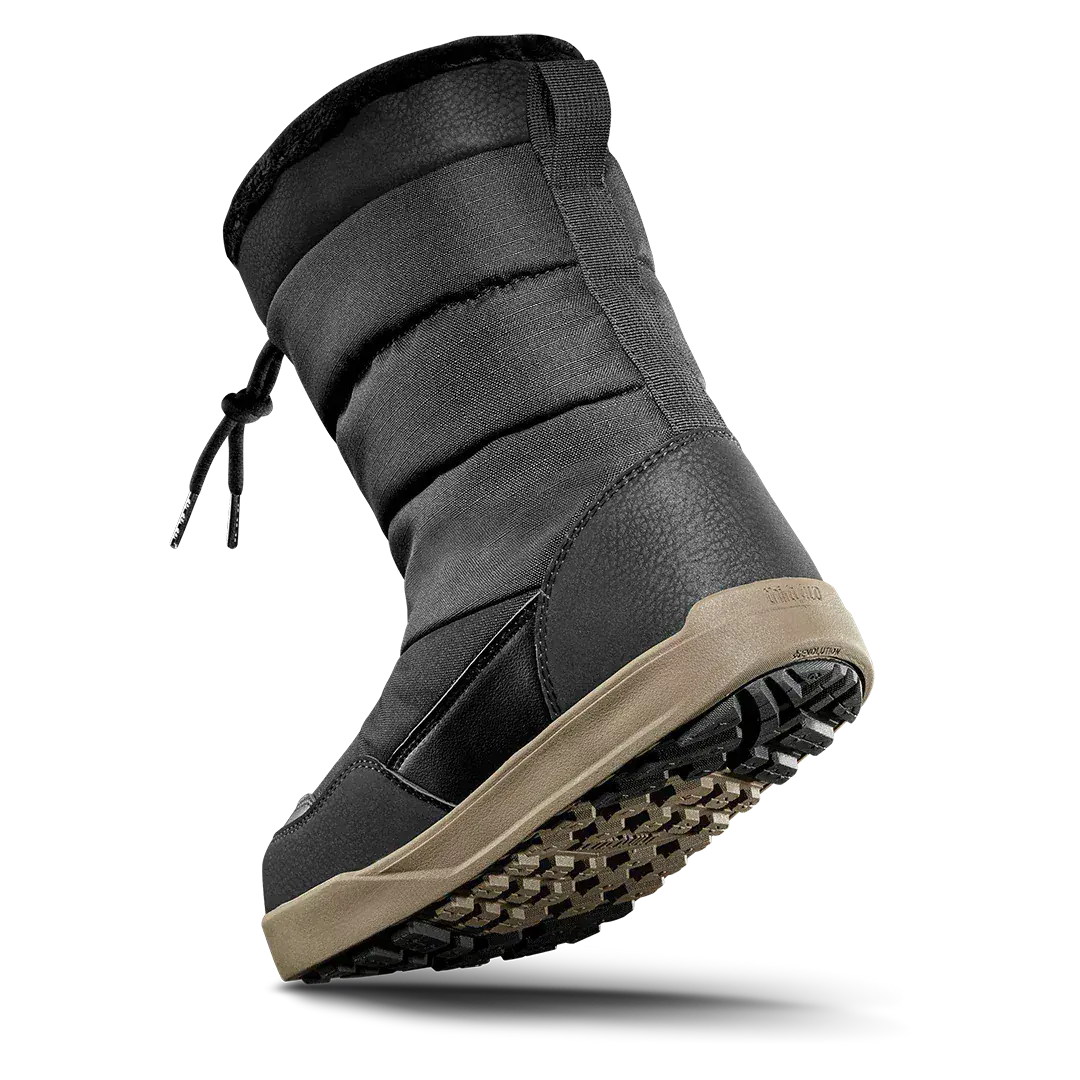
Moon boots are insulated, bulbous winter boots made for warmth and walking in deep snow. They often have soft, padded uppers and a cushioned sole. They keep feet warm and dry for short walks or après-ski. They prioritize insulation and comfort over performance.
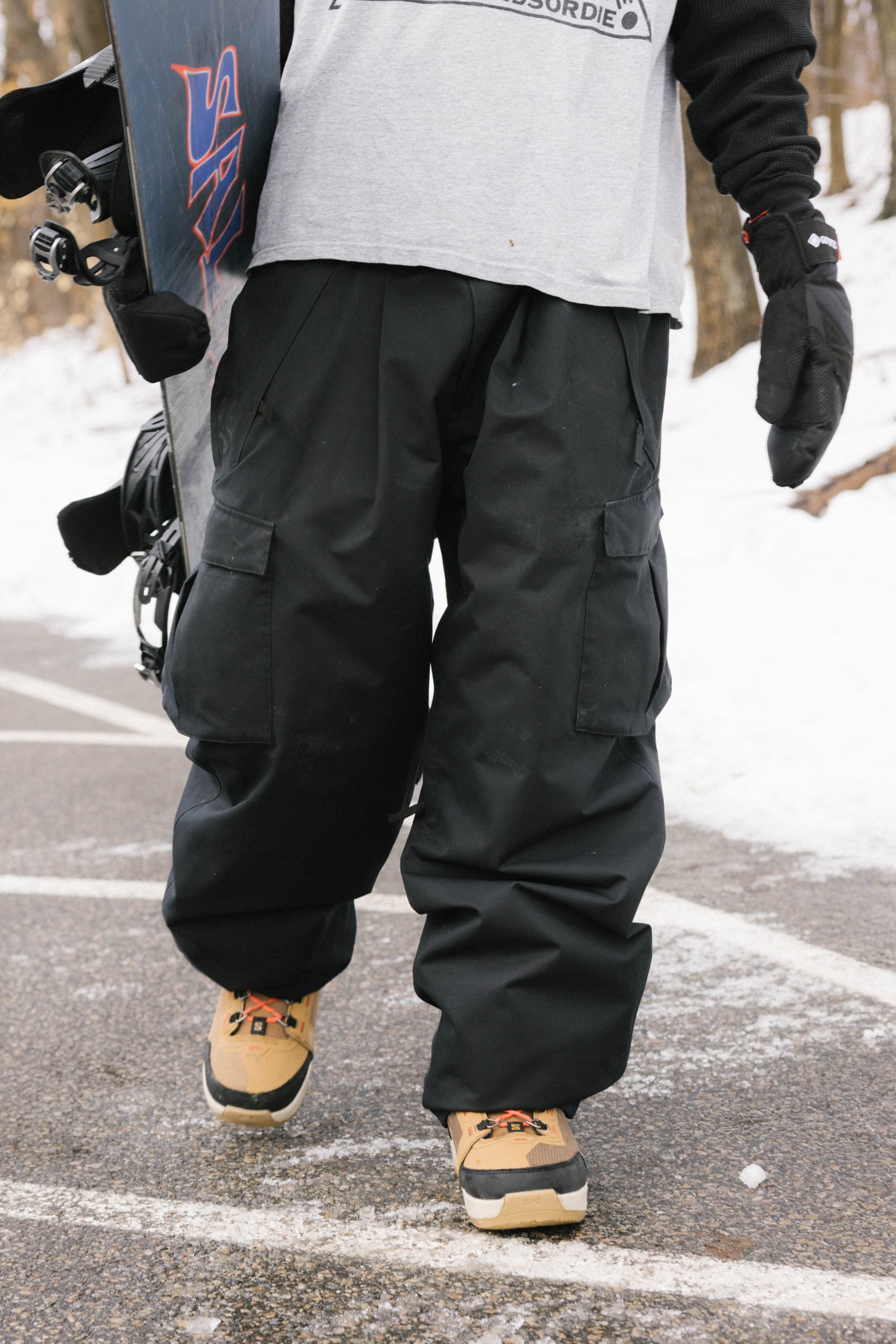
Snowboard boots are engineered for control. They are stiffer around the ankle and have a rigid sole that interfaces with bindings. Snowboard boots transfer rider movement to the board. They also provide impact protection, precise fit, and compatibility with bindings.
Key differences at a glance:
- Construction: soft, padded versus stiff, supportive.
- Sole: flexible winter sole versus semi-rigid snowboard-specific sole.
- Fit: roomy for warmth versus snug for control.
- Binding compatibility: none versus direct mounting.
These differences explain the core answer to are moon boots for snowboarding. Moon boots serve a purpose, but that purpose is not riding a snowboard.
Can you use moon boots for snowboarding?
Short answer: not safely or effectively. Moon boots lack three essentials for snowboarding:
- Ankle support: Snowboard boots lock the ankle to control the board. Moon boots are soft and let the foot twist.
- Stiff sole and binding interface: Moon-boot soles compress and slip. Bindings need a firm platform.
- Secure fit: Moon boots are roomy. Snowboard boots need a snug fit for precise control.
Real-world note from my experience
I once lent a pair of moon boots to a friend who wanted to try a gentle run. He could stand and slide slowly, but he had zero edge control and felt unstable on turns. He took one small fall and nearly twisted an ankle because the boot moved independently of the board. That experience reinforced how critical boot structure is.
Safety risks
- Poor control increases risk of collisions and falls.
- Loose fit raises chance of ankle sprains and knee injuries.
- Incompatibility with bindings can damage equipment or fail to release.
When might moon boots work on snow?
- Walking to and from lifts or around the base area.
- Après-ski, where warmth and comfort matter.
- Short, flat glides at very low speeds (but still not recommended).
PAA-style questions
Can moon boots fit into snowboard bindings?
No. Moon boots usually do not have the correct sole shape or stiffness. Bindings may not hold the boot securely and can fail to release properly.
Will wearing moon boots void binding warranties?
Possibly. Using non-standard boots can void equipment warranties and may be considered misuse by rental shops or manufacturers.
Are moon boots for snowboarding? The technical and safety reasons above show they are not suitable for riding. If you want to snowboard safely, use proper snowboard boots.

Alternatives: what to wear instead of moon boots for riding
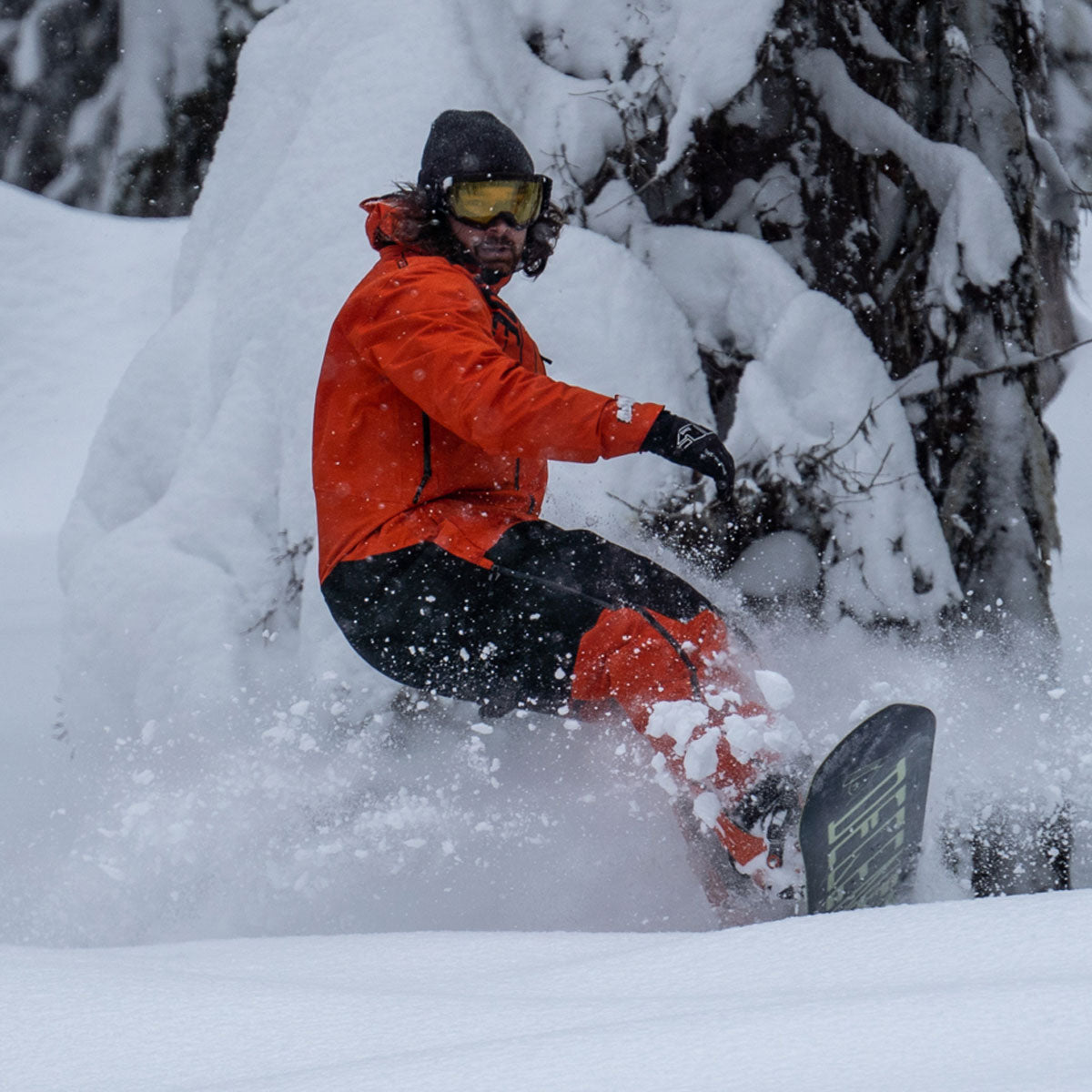
If warmth matters but you want to ride safely, choose boots designed for snowboarding or hybrid cold-weather snowboard boots.
Good alternatives:
- Insulated snowboard boots: Designed for warmth plus needed stiffness.
- Medium-flex all-mountain boots: Balance comfort and control for most riders.
- Soft-flex freestyle boots: Warmer and more forgiving, good for park riders.
- Splitboard or mountaineering snowboard boots: For backcountry, with different compatibility.
Tips when choosing:
- Match boot flex to riding style: soft for park, medium for all-mountain, stiff for big-mountain or carving.
- Test the fit with the socks you will wear on the mountain.
- Check sole compatibility with your bindings (flat, highback contact).
- Prioritize warmth features: liners, insulation, and heat-moldable footbeds.
If you still want warmth off the board:
- Wear moon boots for walking after a day on the slopes.
- Carry them in your locker or car for après-ski comfort.
Are moon boots for snowboarding? As an alternative, they’re only for off-board warmth. Choose snowboard boots for riding.
Choosing the right snowboard boot: a simple checklist
Use this short checklist to pick boots that keep you warm and in control.
- Fit: snug heel hold, no painful pressure points.
- Flex: match to your riding style.
- Liner: heat-moldable liners improve fit and warmth.
- Closure: laces, BOA, or speed-lace systems for consistent hold.
- Sole: semi-rigid, grippy, and designed for bindings.
- Insulation: consider liners and materials if you run cold.
Try boots in-store and stand in a squat position to feel control. Walk with them and flex forward to test comfort. If you can, test them on a real board or at a demo day.
Maintenance and care for snowboard boots and moon boots
Proper care extends boot life and performance.
Snowboard boots
- Dry liners overnight; use a boot dryer or air dry away from heat.
- Clean with a damp cloth and allow full drying before storage.
- Replace footbeds when worn to restore fit and support.
- Inspect laces, BOA cables, and buckles before each season.
Moon boots
- Shake out snow and debris after use.
- Spot clean outer fabric with mild soap and water.
- Avoid high heat when drying to prevent material damage.
- Store in a dry place to prevent mold and odor.
Taking care of both pairs lets you enjoy warmth off the hill and control on the hill.
Frequently Asked Questions of are moon boots for snowboarding
Are moon boots safe for novice snowboarders?
No. Even beginners need stable boots to learn edge control and balance. Moon boots undermine the learning process and increase risk.
Can I ride in moon boots with soft bindings?
Soft bindings still require a semi-rigid sole and consistent boot shape. Moon boots are too flexible and unpredictable for safe use.
Will using moon boots damage my snowboard?
It can. Slipping or improper fit under bindings may cause pressure points, scuffs, or stress to bindings and board edges.
Are there snowboarding-specific warm boots?
Yes. Many snowboard boots include insulation and heat-moldable liners for warmth. Vendors also make insulated liners and socks for cold days.
Can I rent snowboard boots if I don’t own any?
Absolutely. Rental shops provide boots matched to bindings. Renting is a safe way to try proper gear before buying.
What if I only plan to glide down a gentle slope?
Even gentle slopes demand control for turns and stopping. Proper snowboard boots remain the safer choice.
Do moon boots keep feet warmer than snowboard boots?
Moon boots often feel warmer when walking because they are roomier and heavily insulated. Proper snowboard boots with good liners can be nearly as warm while offering control.
Conclusion
Moon boots are great for warmth and walking, but they are not designed for snowboarding. They lack the stiffness, fit, and binding compatibility that keep you safe and in control. If you plan to ride, invest in snowboard boots that match your style and conditions. For off-board comfort, keep moon boots on standby for après-ski warmth.
Takeaway: prioritize control and safety on the board, and choose warmth that doesn’t trade away performance. Try boots before you buy, test them with your bindings, and consider rentals if you’re unsure.
If this helped, leave a comment with your boot questions or subscribe to get gear guides and real-world tests.

Rubel Miah is the Senior Editor at MyStyleGrid.com, where he brings a sharp editorial eye and an unshakable love for fashion to everything he does. A true style addict, Rubel lives and breathes trends, from streetwear to high fashion, and has a knack for turning inspiration into impactful stories. With years of experience in fashion journalism and digital media, he curates content that empowers readers to express themselves through style. When he’s not editing features or forecasting the next big thing, you’ll find him hunting down vintage pieces or capturing street style moments around the city.