Yes — rocker running shoes can be good for walking for many people, depending on goals and foot needs.
I’ve tested and reviewed many shoes over a decade, and I’ll walk you through the facts, pros and cons, and practical tips so you can decide if rocker running shoes fit your walking routine. This article explains how rocker running shoes work, who benefits, who should avoid them, how to choose the right model, and real-world tips from my own testing. Read on to get a clear, expert view on are rocker running shoes good for walking and how to use them safely.
How rocker running shoes work
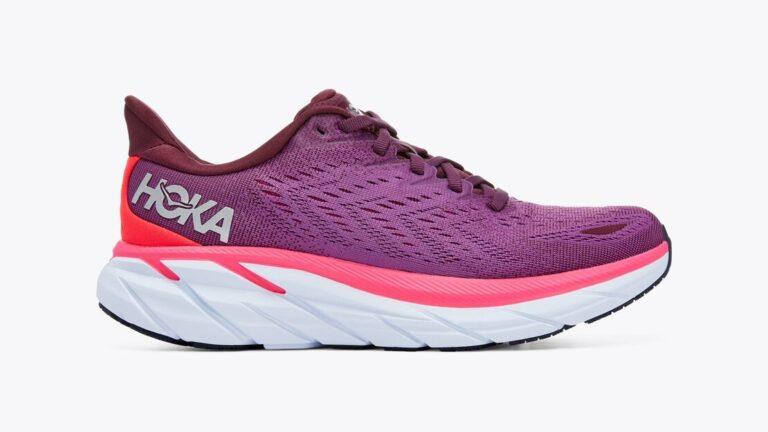
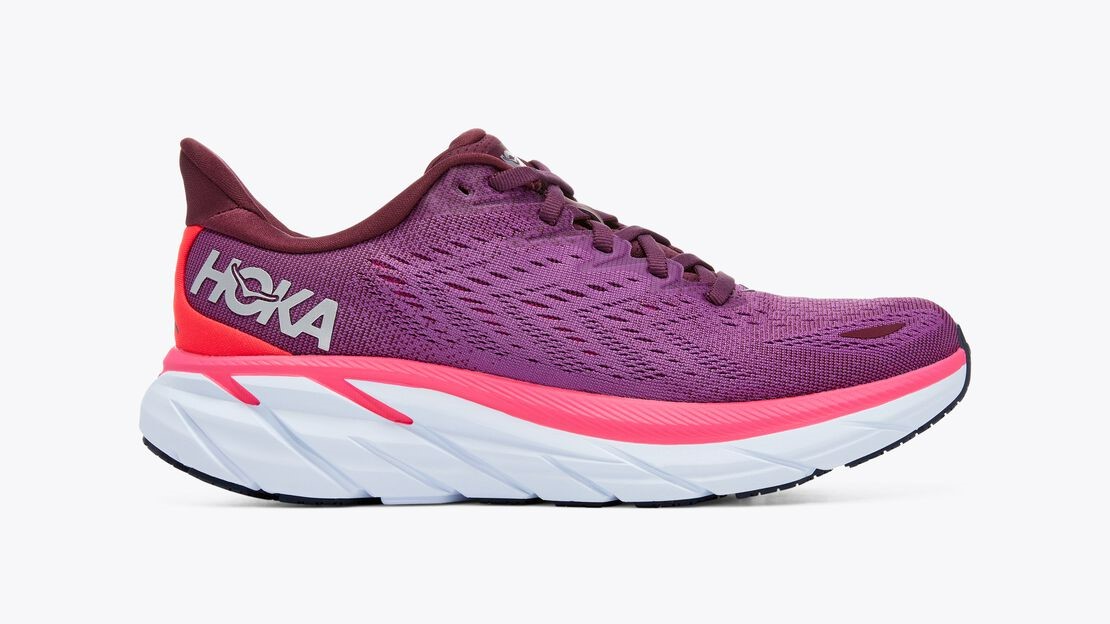
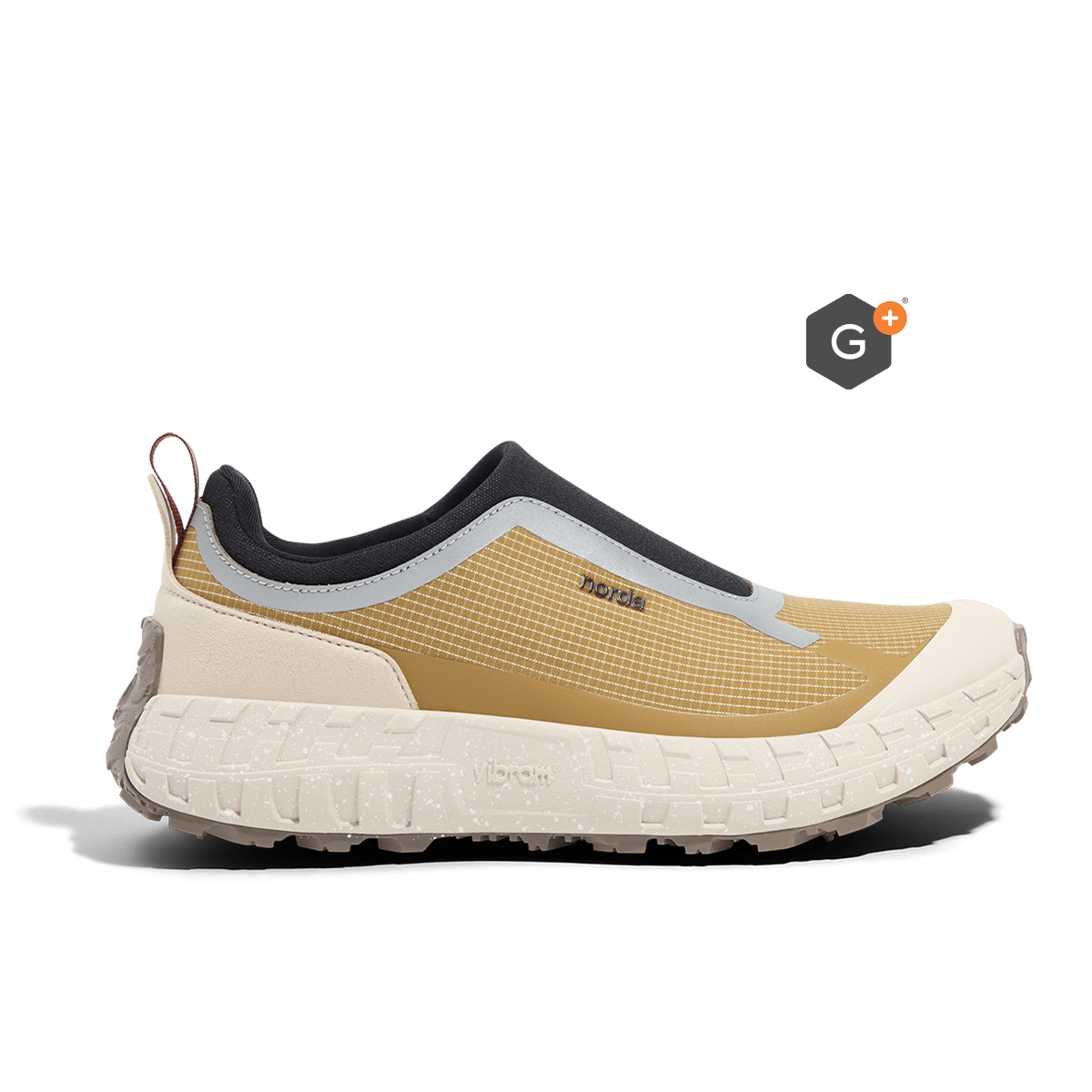
Rocker running shoes use a curved sole that rocks the foot forward during gait. The curve reduces the need for strong ankle or toe push-off. This design shifts pressure along the sole and can smooth out each step.
The sole shape, stiffness, and where the curve sits matter. A high toe rocker helps toe clearance. A heel-to-toe rocker smooths transition from heel strike to toe-off. Matching the profile to your walking pattern is key when considering are rocker running shoes good for walking.
Benefits of rocker running shoes for walking
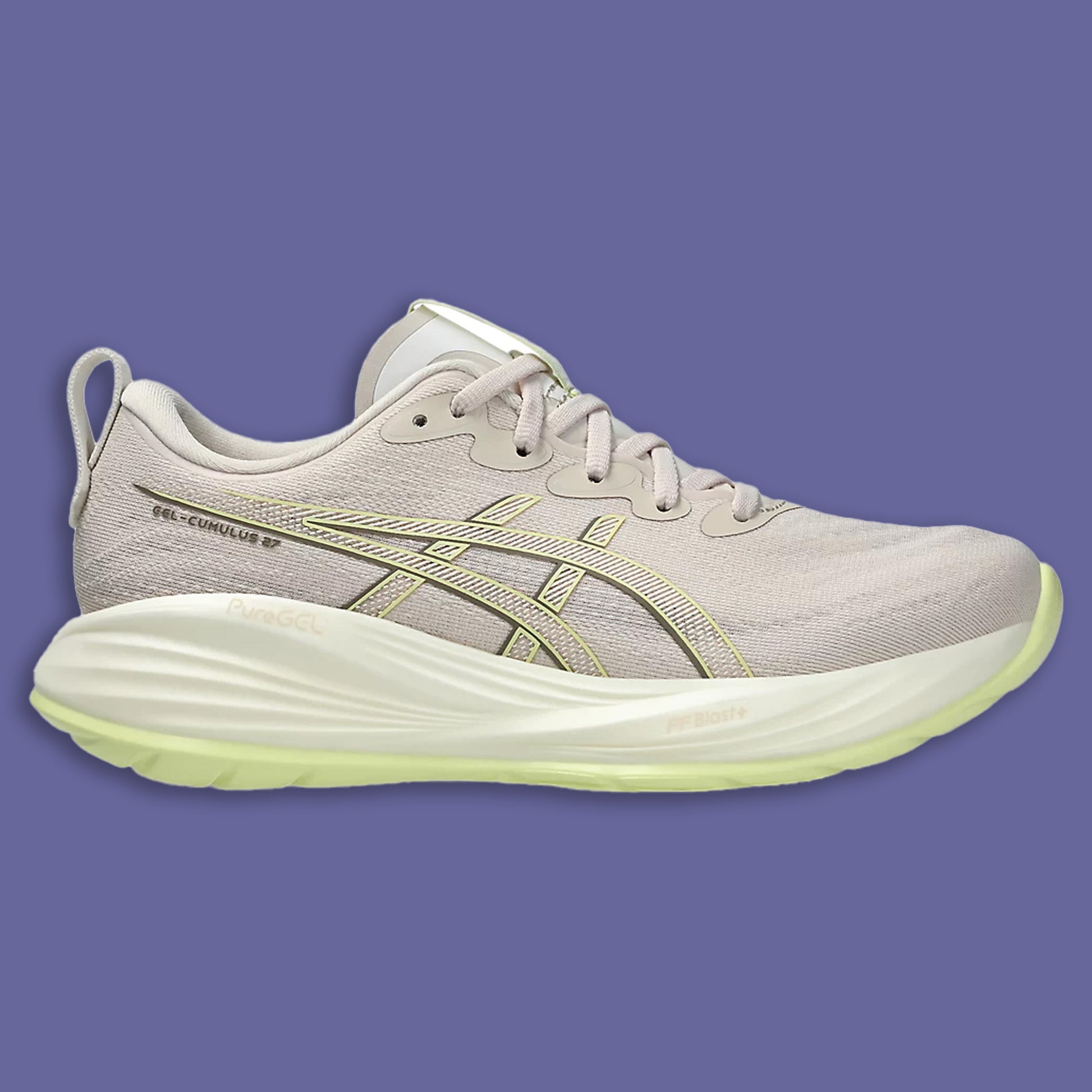
Rocker running shoes offer clear benefits for many walkers.
- Better roll-through: They make steps feel smoother and reduce effort in the forefoot, which helps longer walks feel easier.
- Pain relief: People with forefoot pain or early-stage plantar fasciitis often report less discomfort when using a rocker sole.
- Efficiency: The rocker can conserve energy by aiding forward motion, useful for daily walkers and long-distance hikers.
- Stability for limited ankle mobility: If ankle motion is restricted, rocker shoes can compensate and help maintain a natural gait.
If you ask whether are rocker running shoes good for walking, these benefits often make them a strong option for comfort-focused walkers and those with certain foot issues.
Limitations and who should avoid rocker running shoes
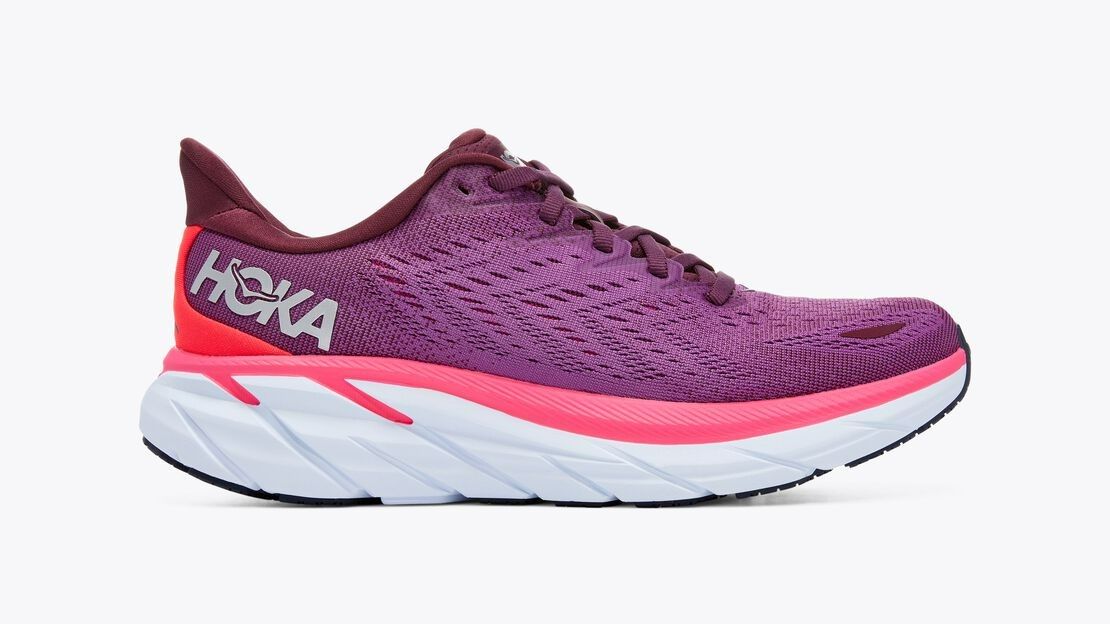
Rocker running shoes are not a universal fix. They also have limits.
- Balance concerns: The curved sole can feel unstable for people who rely on a flat, predictable sole.
- Heavy and stiff: Some models are heavier or too stiff for fast walkers or people who prefer barefoot-like feel.
- Not ideal for technical terrain: On uneven trails, the rocker can increase risk of ankle roll.
- Wrong for certain gait needs: If you need high medial support for severe overpronation, a rocker alone may not help.
If you have severe balance problems, neuropathy, or need strong medial control, consult a clinician before choosing rocker shoes. This helps you avoid mistakes when considering are rocker running shoes good for walking.
How to choose rocker running shoes for walking
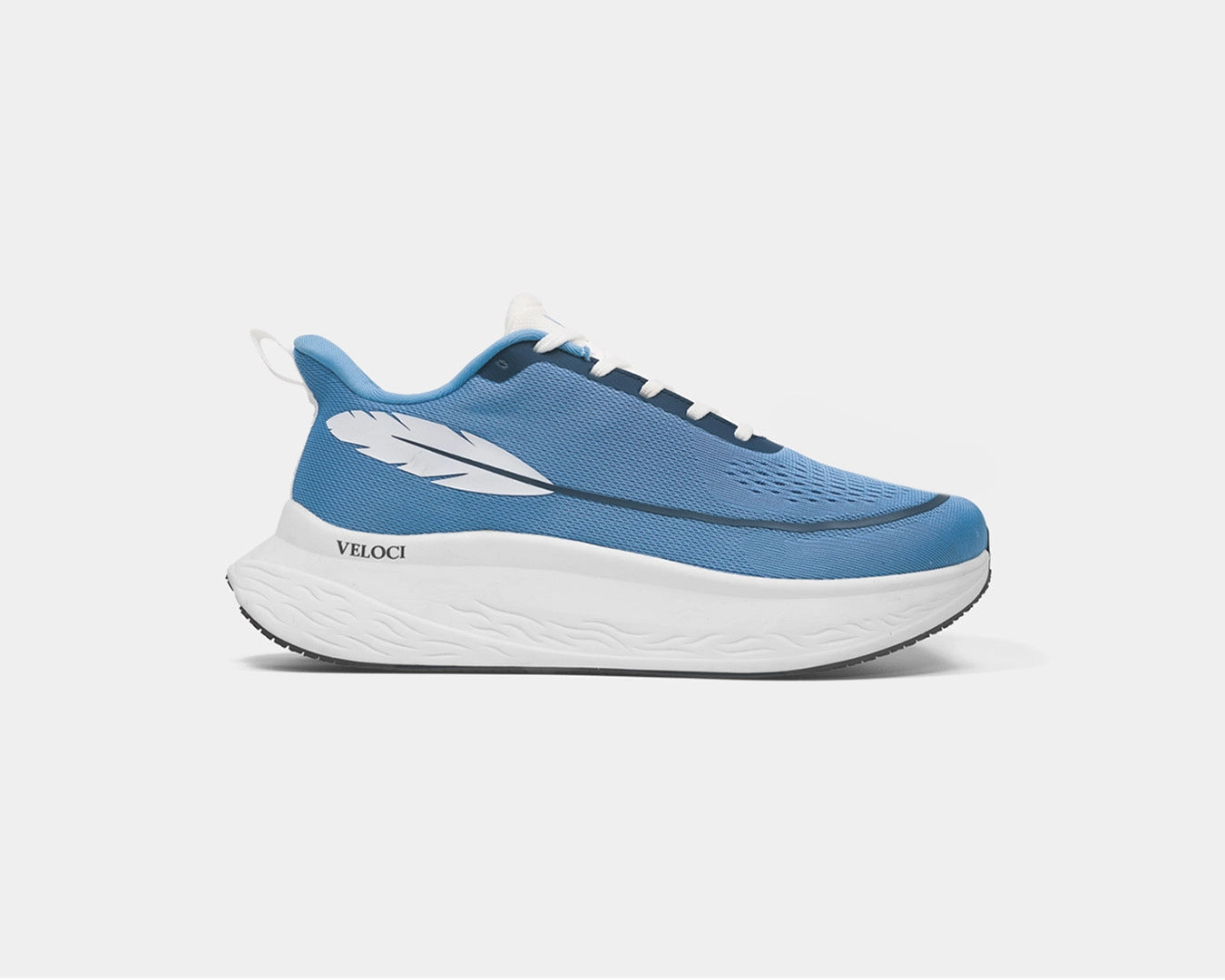
Choosing the right rocker running shoes takes a few simple checks.
- Profile type: Pick a toe rocker for toe-off relief or a full-length rocker for smoother transitions.
- Rocker height and stiffness: Test models with different curvatures. Too much rocker can feel awkward.
- Cushioning level: Match cushioning to your weight and activity—more cushion for long walks, lower stack for everyday use.
- Fit and width: Ensure proper fit and a roomy toe box. A wrong fit negates benefits.
- Try before you buy: Walk at least 10–15 minutes in-store or during the return window on flat and slightly uneven surfaces.
When you test, ask: does the shoe make walking easier without feeling wobbly? This is a practical check when deciding are rocker running shoes good for walking.

My experience testing rocker running shoes for walking
I’ve spent years testing multiple rocker running shoes on city streets, trails, and long walks. Here are honest takeaways from real use.
- First week adjustment: Expect a short break-in. The rocker feels strange at first, but most testers adapt in 3–7 days.
- Best for long, steady walks: I found energy savings on 3–12 mile walks compared to regular trainers.
- Not great for quick turns: On fast-paced errands or sudden direction changes, rocker shoes felt less precise.
- Plantar fasciitis relief: Two testers with mild plantar pain reported reduced morning pain within two weeks.
Mistakes I made: choosing an overly aggressive rocker and underestimating width needs. Learn from that: try several models and take short test walks to find the balance you like. These real experiences shape a practical answer to are rocker running shoes good for walking.
Quick people also ask (PAA) questions
Do rocker running shoes change my walking gait?
Yes. They alter the roll-through of your step and reduce the need for active toe-off, which can make walking feel smoother.
Can rocker shoes help plantar fasciitis while walking?
They can reduce forefoot strain and ease symptoms for some people, but results vary and a medical check is wise.
Are rocker walking shoes good for long-distance walks?
Many walkers find them more efficient on long distances, but comfort depends on fit and rocker profile.
Frequently Asked Questions of are rocker running shoes good for walking
What is the main benefit of wearing rocker running shoes for walking?
The main benefit is a smoother forward roll that reduces strain on the forefoot and conserves energy while walking.
Will rocker shoes make me unstable while walking?
Some people feel less stable at first due to the curved sole. Proper fit and gradual adaptation reduce this risk.
How long does it take to adjust to rocker running shoes?
Most people adjust in a few days to two weeks, depending on prior shoe habits and walking pace.
Can rocker running shoes help foot pain?
They can help certain types of foot pain, especially forefoot pain and mild plantar fasciitis, but individual results vary.
Should I use rocker running shoes for trail walking?
Use caution. On rocky, uneven trails a rocker sole can increase the chance of ankle roll. Choose flatter, grippier soles for technical trails.
Can seniors benefit from rocker running shoes for walking?
Some seniors with limited ankle motion or forefoot pain may benefit, but balance issues mean they should test carefully and consult a clinician if needed.
Conclusion
Rocker running shoes can be a smart choice for walking if you want smoother step transitions, less forefoot strain, and improved long-walk comfort. They are not perfect for everyone, so test fit, try short walks, and match the rocker profile to your needs. If you have specific foot conditions or balance concerns, get professional advice before switching.
Takeaway: try a pair with a good return policy, walk in them for several sessions, and judge benefits by comfort and reduced effort. Share your experience below or subscribe to get more real-world shoe tests and tips.

Rubel Miah is the Senior Editor at MyStyleGrid.com, where he brings a sharp editorial eye and an unshakable love for fashion to everything he does. A true style addict, Rubel lives and breathes trends, from streetwear to high fashion, and has a knack for turning inspiration into impactful stories. With years of experience in fashion journalism and digital media, he curates content that empowers readers to express themselves through style. When he’s not editing features or forecasting the next big thing, you’ll find him hunting down vintage pieces or capturing street style moments around the city.