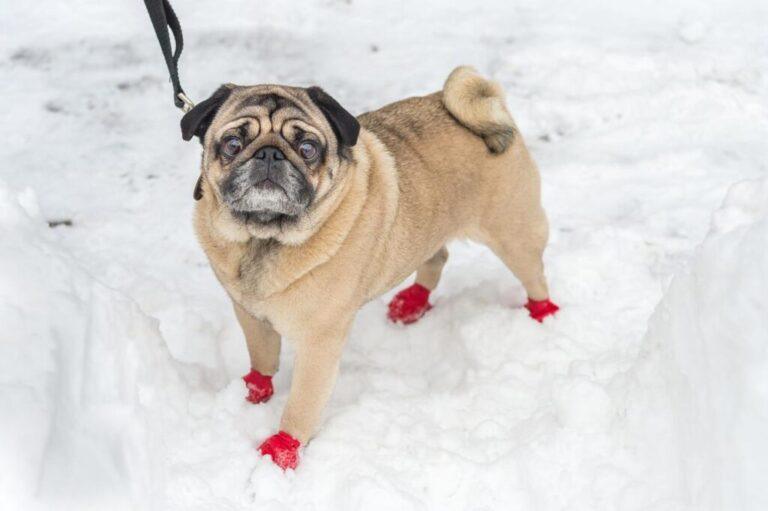
Most dogs don’t always need shoes for snow, but many benefit from paw protection.
I’ve spent years working with dog owners, trainers, and vets to answer the practical question do dogs need shoes for snow. I’ll walk you through when boots help, when they aren’t necessary, and how to choose, fit, and train your dog to wear snow boots. You’ll get real-world tips from my experience, clear decision steps, and safety checks so you can keep your dog comfy and safe in winter conditions.

Why paw protection matters in winter
Snow and ice can harm a dog’s paws in several ways. Cold can cause numbness and frostbite on pads and toes. Salt and de-icers irritate skin and may be toxic if licked. Ice balls form between toes and cause pain and limping. Hot pavement in sun-reflective snow can also burn pads.
Paw injuries slow dogs down. They can also cause infection and long-term damage. Good paw care prevents pain and vet bills. Knowing whether do dogs need shoes for snow helps you decide what protection fits your dog’s needs.
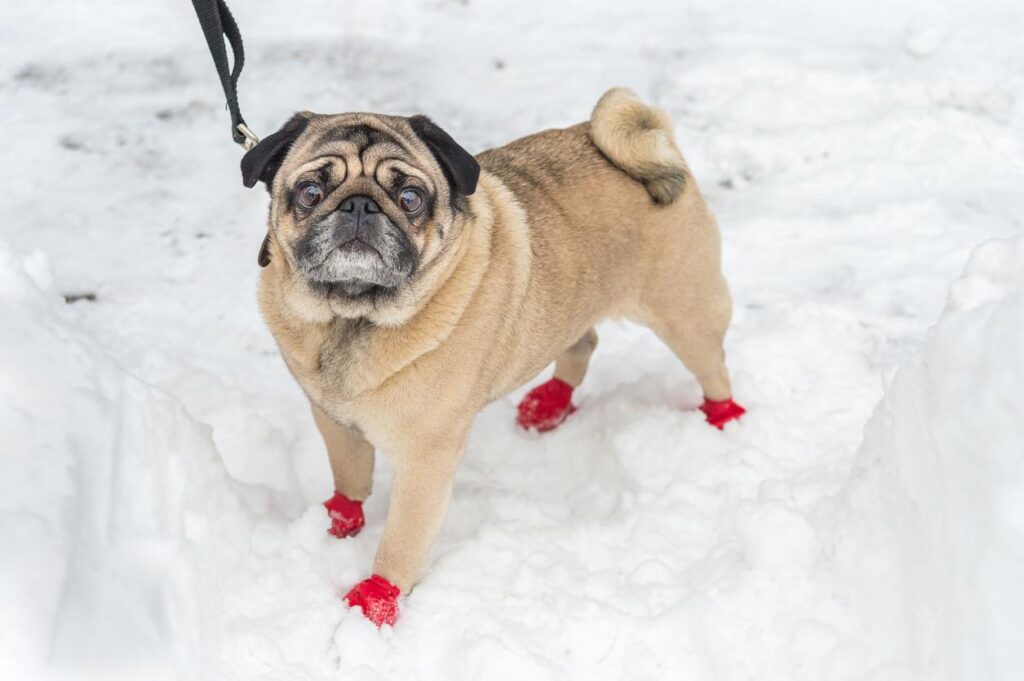
When do dogs need shoes for snow
Small steps help you decide if do dogs need shoes for snow for your dog. Consider these factors:
- Weather severity: Very cold temps and wind increase risk.
- Ground surface: Ice, hard-packed snow, and salted roads are harmful.
- Dog breed and coat: Short-haired dogs often need more protection.
- Paw condition: Cracked, thin, or injured pads need boots.
- Activity level: Long walks or hikes in snow call for more protection.
If your dog limps, lifts paws off the ground, or shows signs of cold distress, boots can help. For short potty breaks on clear sidewalks, boots may not be needed. I once had a husky that tolerated snow barefoot but a small terrier needed boots within two minutes of deep, icy snow. That experience taught me to judge each dog and outing separately.
.webp)
Types of dog snow boots and how they work
You’ll find several boot styles. Each has its pros and cons.
- Soft fabric boots with rubber soles: Good for short walks and insulation.
- Heavy-duty boots with traction soles: Best for hiking on ice and rough terrain.
- Waterproof shell boots: Keep paws dry in slush and deep snow.
- Lightweight slip-on socks: Useful indoors after coming inside to prevent salt lick.
Boots protect from cold, salt, and sharp ice. They also offer traction on slippery surfaces. But boots that don’t fit or are low quality can slip off or chafe. Look for boots with secure closures and non-slip soles for real-world use.

Choosing the right boots for your dog
Picking boots comes down to fit, material, and purpose. Use this checklist.
- Measure paws correctly: Measure width and length while your dog stands.
- Look for adjustable straps: Velcro or buckles keep boots secure.
- Check sole thickness and tread: Choose thicker soles for rough terrain.
- Pick breathable, waterproof fabrics: Prevent moisture buildup and frost.
- Try a lightweight pair first: Test fit and comfort on short walks.
If you’re unsure, buy two sizes if possible. I often test boots at home on tile to see if they slip. A boot that slides around will create blisters. Replace worn soles and remove boots if your dog shows redness or limping.
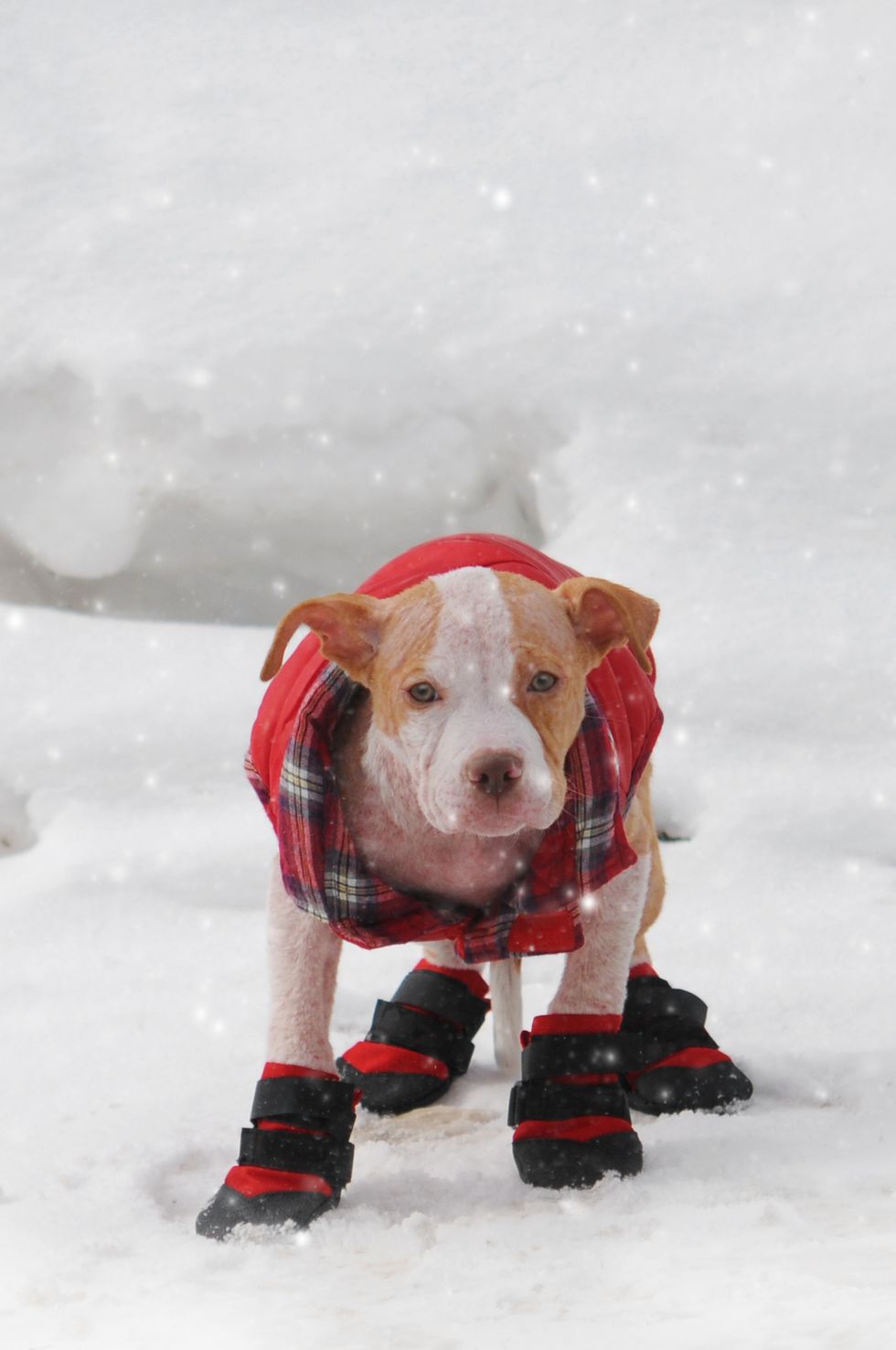
How to get your dog used to boots
Teach your dog in simple steps. Short, positive sessions work best.
- Let your dog sniff and inspect the boots first.
- Reward interest with treats and praise.
- Put one boot on for a few seconds, then remove and reward.
- Gradually increase time wearing boots, adding walks slowly.
- Use short indoor walks, then move outside as comfort grows.
Stay patient and upbeat. Some dogs adapt in a single session. Others need weeks. Avoid forcing boots on. I once rushed training and my dog hated boots for a month. Slow, calm progress fixed that.
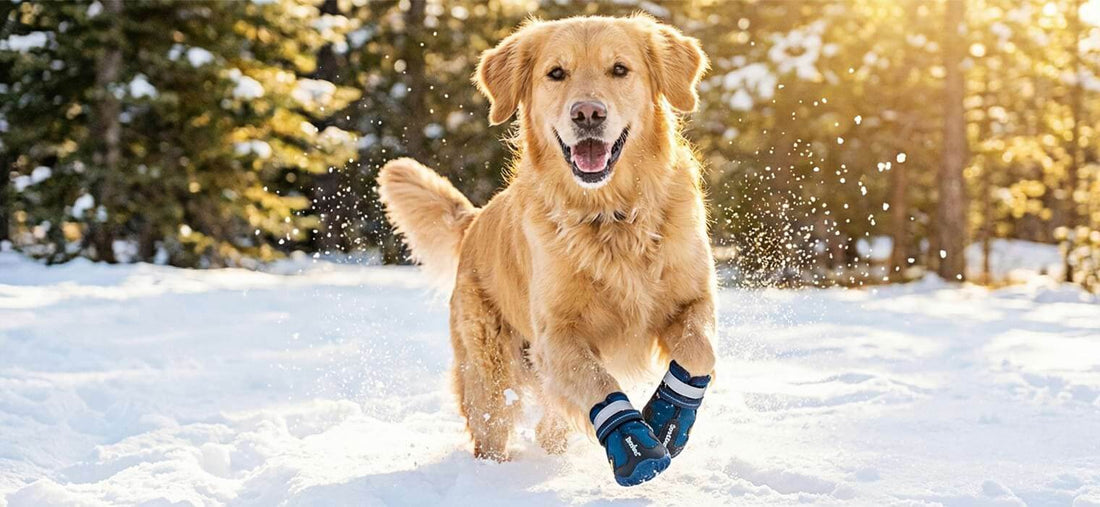
Alternatives to shoes for snow
Boots aren’t the only option. Consider these measures when boots aren’t right.
- Paw wax or balms: Create a protective barrier against salt and cold.
- Paw cleaning after walks: Rinse paws to remove salt and chemicals.
- Shorter, more frequent walks: Reduce exposure time.
- Dog socks with adhesive: Offer minimal protection inside or brief outdoor use.
- Protective pants or jackets: Help retain body warmth, aiding paw circulation.
Paw wax works well for dogs that refuse boots. It’s not as protective on sharp ice. Combine methods for the best results.

Care and maintenance of dog snow boots
Good care extends boot life and keeps paws safe.
- Dry boots after each use to prevent mold and odor.
- Check fasteners and seams for wear and tear.
- Clean salt and grit from boots and paws.
- Replace boots when soles thin or straps fail.
- Inspect your dog’s paws daily in winter for cuts or redness.
Worn boots can rub or fail in cold weather. Regular checks avoid surprises on a snowy hike.
Common short questions (PAA-style)
How can I tell if my dog needs boots?
If your dog lifts paws, limps, or avoids walking, they likely need protection. Check paws for redness, cuts, or ice build-up.
Will all dog breeds tolerate boots?
No. Some breeds accept them quickly; others resist. Smaller or short-haired dogs often benefit most from boots.
Are paw balms as good as boots?
Paw balms help against salt and minor cold. Boots provide better protection against sharp ice and deep snow.
How long can a dog wear snow boots?
Start with short periods and watch for signs of rubbing. A few hours is usually safe if fit is correct, but check paws often.
Can boots prevent frostbite?
Boots reduce frostbite risk by insulating pads and blocking wind. They are one part of a full winter protection plan.
Frequently Asked Questions of do dogs need shoes for snow
Do all dogs need boots in winter?
Not all dogs need boots. Dogs with thick coats and strong paw pads may be fine. Small, elderly, or short-haired dogs often benefit most.
How do I measure my dog for boots?
Measure paw width and length while your dog stands on a flat surface. Measure both front and back paws because sizes may differ.
Can dogs walk on salt-treated sidewalks without boots?
They can, but salt can irritate and burn pads. Rinsing paws and using balm helps reduce harm. Boots are the best barrier.
How do I stop my dog from chewing boots?
Distract with treats and toys when boots go on. Use positive training and remove boots if chewing starts to prevent swallowing pieces.
Are there boots for long hikes in snow?
Yes. Look for heavy-duty boots with thick soles and good traction. Make sure they are waterproof and well-fitted before long trips.
How do I treat a paw injury from snow or salt?
Clean the wound gently, apply a pet-safe antiseptic, and keep the paw dry. Seek vet care for deep cuts, signs of infection, or severe limping.
Can boots cause blisters?
Poorly fitting boots can rub and cause blisters. Proper fit and gradual training lower this risk.
Are magnetic or adhesive boots better than straps?
Adhesive and magnetic closures can work, but durable straps usually stay put better during active play.
Can I use human booties for my dog?
Human booties rarely fit a dog’s paw shape or movement. Use gear made for dogs for best fit and traction.
How often should I replace dog boots?
Replace boots when soles show wear, seams split, or straps fail. Regular users may need replacements yearly or sooner.
Conclusion
Winter safety is about smart choices. Assess your dog, consider the ground and weather, and decide if do dogs need shoes for snow for each outing. Use boots when exposure is high, and use balms, cleaning, and shorter walks when boots aren’t practical. Train slowly, pick quality gear, and inspect paws and boots often.
Take action today: measure your dog’s paws, try a short indoor boot session, and plan a winter care kit with boots, balm, and a paw rinse. Share your questions or experiences below, and subscribe or check more resources to keep your dog safe and happy all winter.

Madison Clark is a footwear expert and the voice behind MyStyleGrid.com. She specializes in honest shoe reviews, style tips, and practical guides to help readers find the perfect pair for any occasion. With years of experience in blogging and content creation, Madison makes footwear knowledge simple, stylish, and easy to follow.