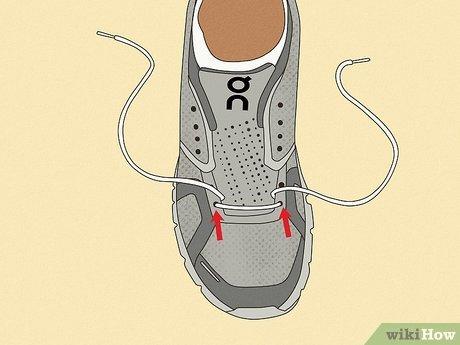
Lace Cloud 5 shoes using simple straight or crisscross methods for comfort and secure fit.
I’ve laced dozens of pairs of cloud 5 shoes as a runner and gear tester. This guide shows clear, expert steps for best fit, comfort, and performance. You’ll learn which lacing method fits your foot shape, how to tweak tension, and how to avoid blisters or heel slip. Read on for step-by-step instructions, my hands-on tips, and quick fixes that work on real runs and walks.

Understanding cloud 5 shoes and why lacing matters
Cloud 5 shoes have a soft midsole and a responsive ride. Good lacing keeps your foot stable without crushing the cushioning. Poor lacing makes a great shoe feel loose, tight, or painful during a run or all-day wear.
Proper lacing balances pressure across the top of the foot. It protects toes, prevents heel slip, and helps the shoe perform as the designer intended. When you know which lacing pattern to use, cloud 5 shoes will feel more comfortable and last longer.
What you’ll need before lacing your cloud 5 shoes
- Laces that match shoe length and eyelet count.
- A clean workspace and good light to see eyelets and lace routing.
- Optional: elastic no-tie laces, a ruler to measure lace length, and a lighter to seal synthetic lace tips.
Check your lace condition. Old frayed laces can slip or break. New laces often change fit, so test them on a short walk before a long run.

Step-by-step lacing methods for cloud 5 shoes
Below are clear methods. Try each to see which suits your foot shape and activity. Use short, even tension for the best results.
Crisscross lacing (standard)
- Thread the lace straight across the bottom and pull even lengths.
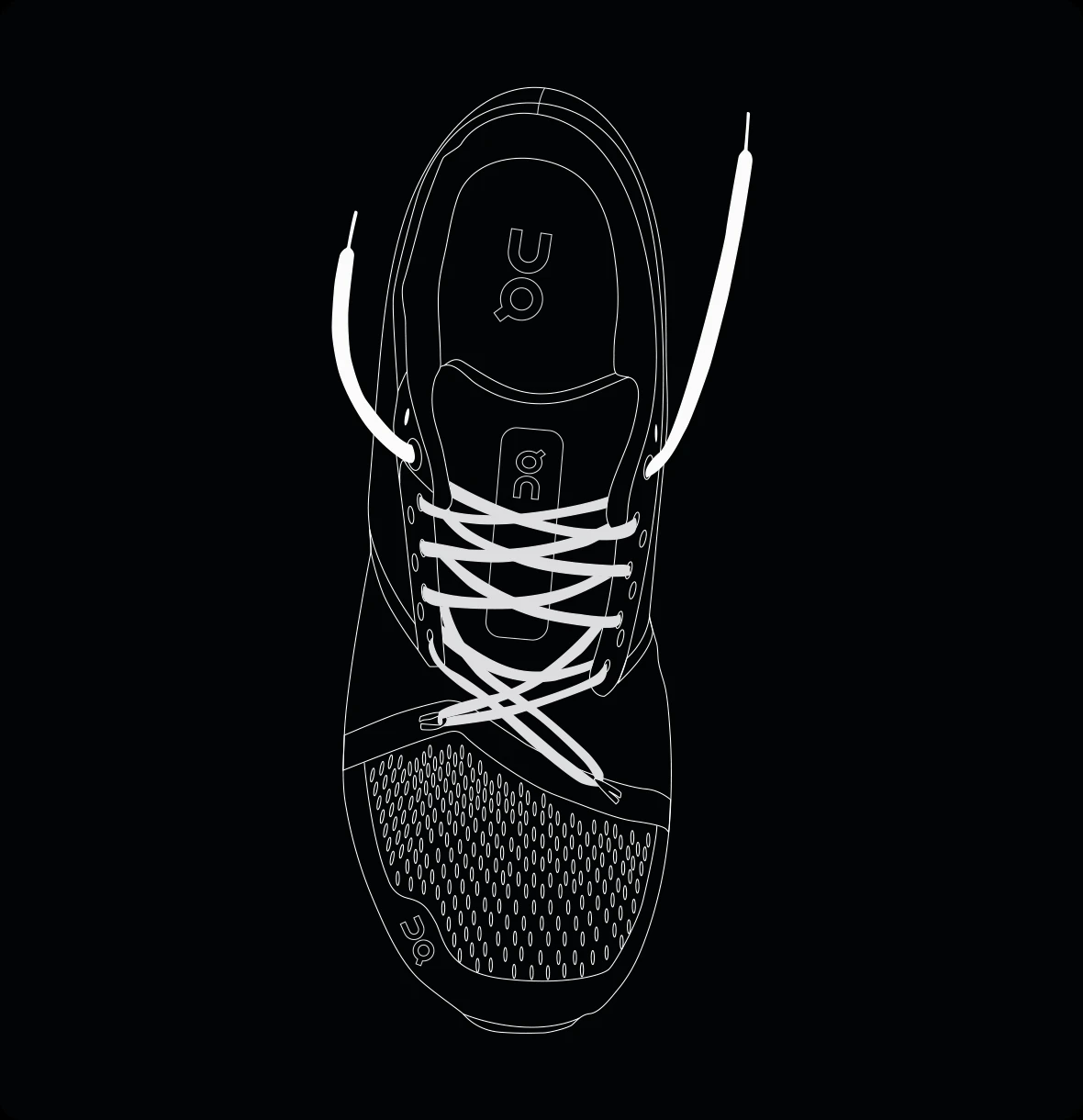
- Cross laces diagonally through successive eyelets until you reach the top.
- Tie a snug knot and test fit walking for a minute.
Why use it: Crisscross is simple and gives even pressure across the foot. It works well for casual wear of cloud 5 shoes and most foot shapes.
Straight bar lacing (clean look, less pressure on top)
- Insert lace ends straight across from the bottom and route vertically on the inside.
- Continue creating straight horizontal bars across the top.
- Tie at the top or tuck laces under the tongue.
Why use it: Straight bar lacing reduces pressure on the instep and looks neat. It’s great if you have a sensitive top-of-foot or if you wear cloud 5 shoes all day.
Heel lock (runner’s loop to prevent heel slip)
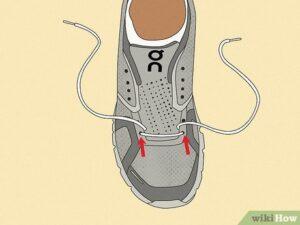
- Lace normally until the second-to-last eyelet.
- Instead of crossing, insert each lace into the top eyelet on the same side, creating a small loop.
- Cross the laces and thread each end through the opposite loop, then tighten and tie.
Why use it: Heel lock secures the heel without over-tightening the forefoot. Use this pattern if cloud 5 shoes feel loose at the heel or if you run downhill.
Wide-foot or high-volume forefoot lacing
- Skip one or two lower eyelet crosses on the side where you need more room, or create a window by bypassing an eyelet pair.
- Adjust tension above and below the skipped area to lock the foot in place.
Why use it: This reduces pressure in the forefoot while keeping midfoot locked. It helps wider-feet or swollen feet feel comfortable in cloud 5 shoes.
Surgeon’s knot or extra security for slippery laces
- After the final crossing, tie a surgeon’s knot (double wrap in the first knot) to add friction before the final bow.
- Finish with a standard bow.
Why use it: Use this when your laces slip during activity or if the lace material is slick. It’s a quick fix to avoid retying on long outings.
Elastic or no-tie options
- Replace stock laces with elastic no-tie laces and set tension to comfort.
- Trim and seal ends if necessary.
Why use it: Elastic laces make cloud 5 shoes easy to slip on and off, and they keep even pressure over long days. They’re ideal for travel, casual wear, and those who prefer a sock-like fit.
Adjusting fit and comfort on cloud 5 shoes
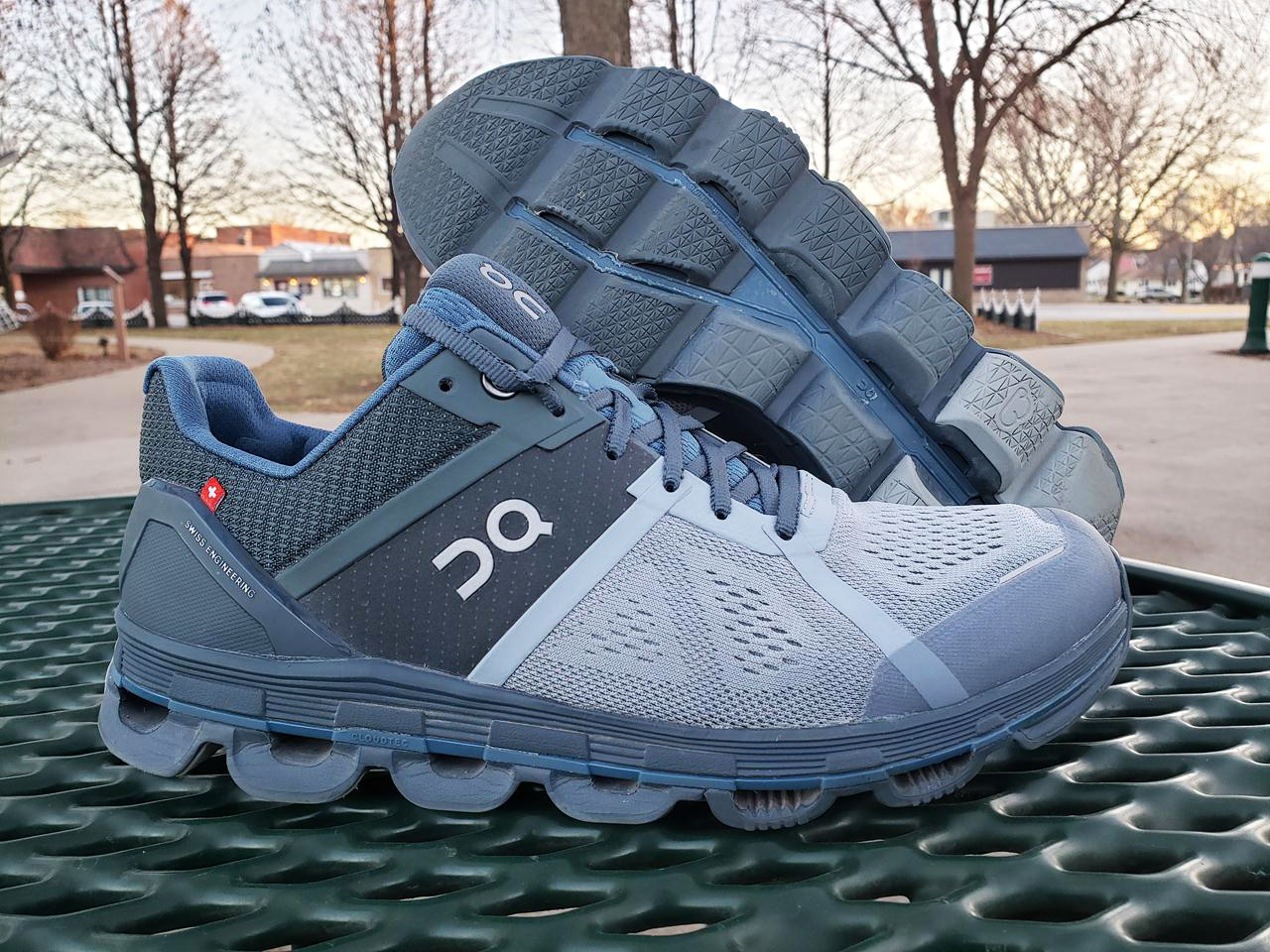
- Start with even tension. Pull each lace snug but not tight, then walk and adjust.
- For midfoot pressure, loosen the top eyelets slightly and tighten below them.
- To stop toe jam, add one extra lace cross lower down so the forefoot feels less compressed.
I learned the hard way to test adjustments by walking five minutes before a long run. Small tweaks matter. If you get a hot spot, stop and re-lace immediately—fix it sooner to avoid blisters.

Care, lace replacement, and best laces for cloud 5 shoes
- Replace laces when frayed, thin, or stretched. Old laces change fit and can snap mid-run.
- Preferred lace types: flat polyester for grip, waxed laces for extra hold, and elastic for quick on/off use.
- Typical lace lengths: small shoes use shorter laces; most low-top running shoes (like cloud 5 shoes) take medium-length laces. Measure your current laces to match length.
Pro tip: Carry a spare lace or quick-tie replacement on long outings. If you use waxed or flat laces, they tend to stay tied longer and reduce mid-run fuss.
Troubleshooting common lacing problems with cloud 5 shoes
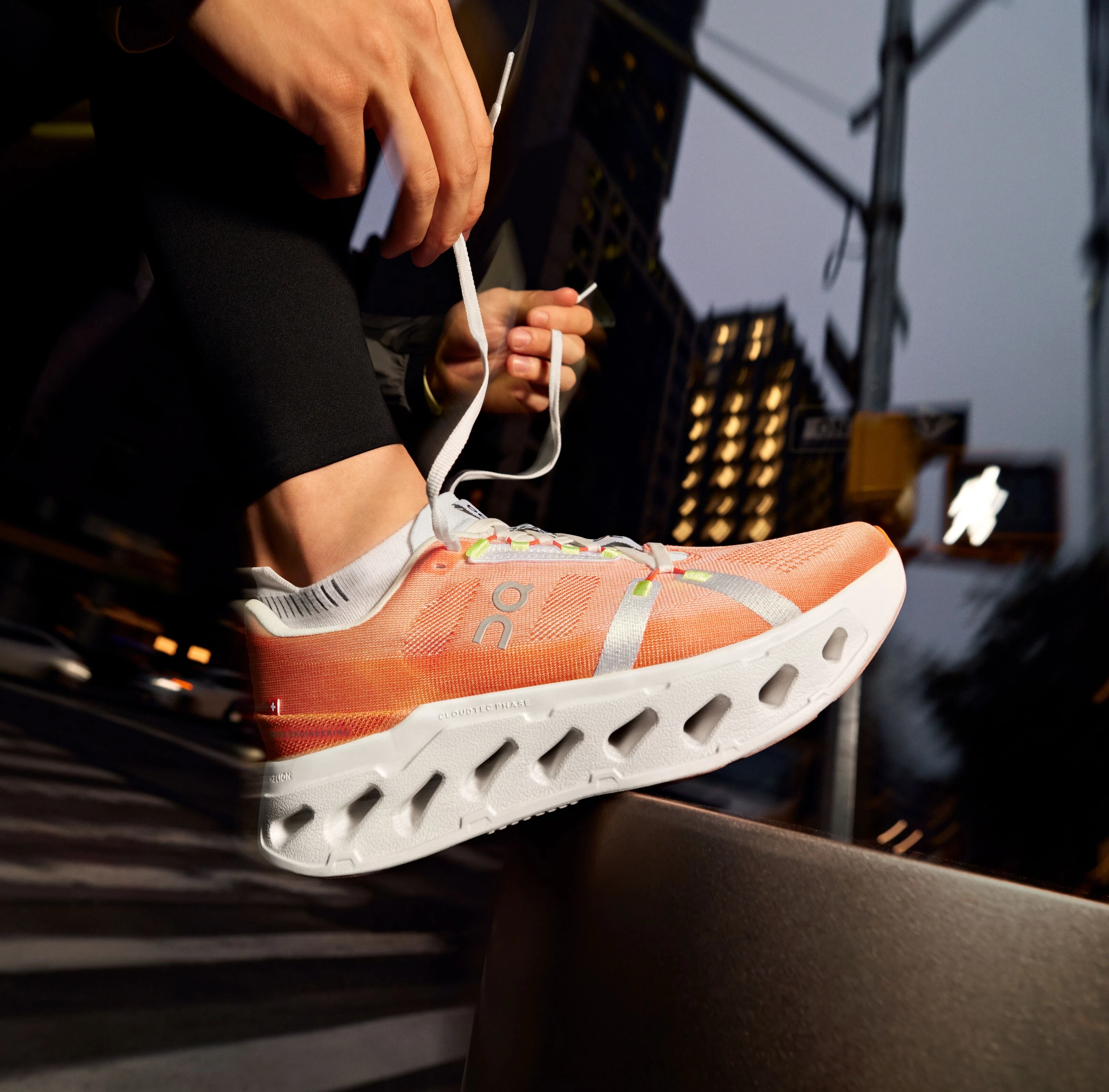
- Heel slip: Use a heel lock or tighten the top two eyelets. If slip continues, try thicker socks or check sock fit.
- Numb toes or pressure: Loosen lower eyelets, try straight bar lacing, or skip an eyelet near the forefoot.
- Tight arch: Loosen middle eyelets and increase tension above and below the arch separately.
- Laces untie frequently: Use a surgeon’s knot or switch to waxed or flat laces.
- Uneven feel: Ensure lace length is even before starting and check for twisted lace path inside the tongue area.
I’ve fixed a blister mid-run by re-lacing with a heel lock and adding a quick tape pad. Simple lacing fixes often save the day.

Frequently Asked Questions of how to lace on cloud 5 shoes
What is the best way to lace cloud 5 shoes for running?
For running, try the crisscross lacing for even pressure, and add a heel lock to stop heel slip. Test the lace tension on a short run and adjust as needed.
How tight should cloud 5 shoes be laced?
Lace snug enough to prevent movement but loose enough to avoid pressure points. Walk a few minutes and make small adjustments until the fit feels secure and comfortable.
Can I use elastic no-tie laces on cloud 5 shoes?
Yes. Elastic no-tie laces work well in cloud 5 shoes to create a sock-like fit and easy on/off. Set tension carefully so the shoe stays secure without squeezing.
How long do laces last in cloud 5 shoes?
Lace life varies by material and use, but plan to inspect them every few months if you run often. Replace laces when they fray or slip to avoid unexpected failures.
What lacing pattern prevents toe numbness in cloud 5 shoes?
Try straight bar lacing or skip a lower eyelet to reduce forefoot pressure. These methods relieve top-of-foot compression that can cause numbness or pain.
Conclusion
You now have simple, tested ways to lace cloud 5 shoes for comfort, stability, and performance. Start with crisscross lacing, try a heel lock if you need more heel hold, and use straight bar lacing for a gentler top-of-foot feel. Test each method on a short walk and fine-tune tension to match your foot shape.
Take action today: pick one new lacing method and try it on your next walk or run. Share your experience or questions in the comments, and subscribe for more practical shoe and gear tips.
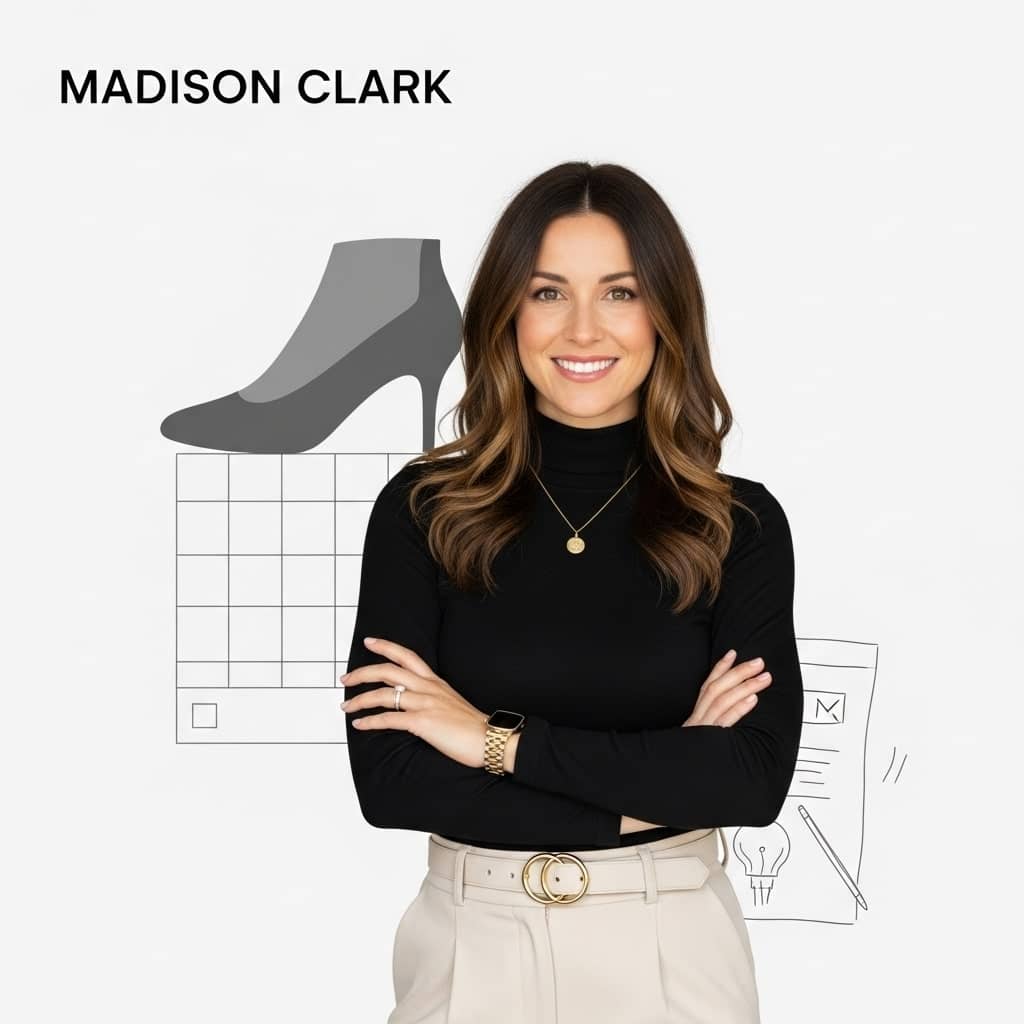
Madison Clark is a footwear expert and the voice behind MyStyleGrid.com. She specializes in honest shoe reviews, style tips, and practical guides to help readers find the perfect pair for any occasion. With years of experience in blogging and content creation, Madison makes footwear knowledge simple, stylish, and easy to follow.