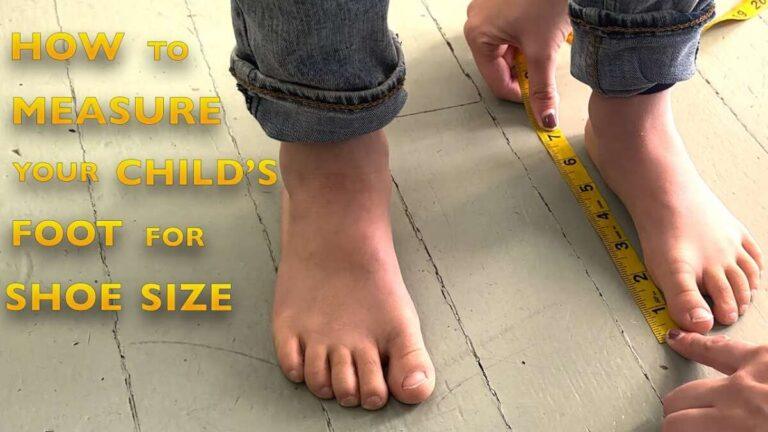
Measure baby's foot length from heel to longest toe and add thumb width for comfortable wiggle room.
I’ve measured hundreds of little feet for parents, retailers, and friends, so I know the exact steps that save time and avoid returns. This guide on how to measure baby feet for shoes will walk you through tools, step-by-step methods, sizing conversions, fit tips, and real-life lessons so you choose shoes that support healthy foot growth and keep your child comfortable.
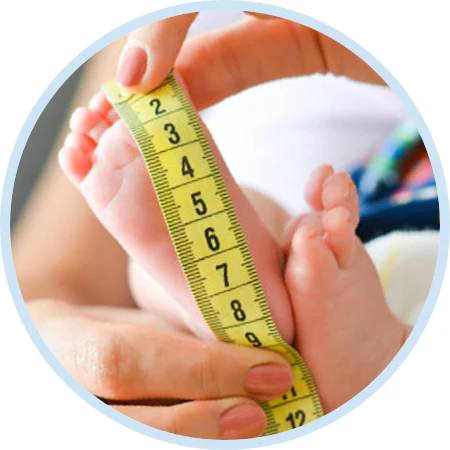
Why accurate measurement matters
Getting the right fit matters more than style. Poorly fitting shoes can pinch, rub, or force toes into awkward positions. Over time, bad fits can change walking patterns and cause blisters or discomfort.
Measuring correctly helps you buy shoes that support growth, balance, and healthy gait. It also saves money by reducing returns and replacements. When you learn how to measure baby feet for shoes, you protect foot development and make daily life easier for both you and your child.
What you need to measure baby feet for shoes
Simple tools and a calm baby make this easy. Gather:
- A blank sheet of paper
- A ruler or tape measure with millimeters
- A pen or pencil
- A stable wall or straight edge
- Socks the baby will wear with shoes
Optional tools:
- A printable foot gauge or sizing chart
- A shoe sizer at a trusted store
Use a hard floor to get the most accurate result. Soft surfaces compress the foot and give a false reading about how long the foot really is.
Step-by-step: how to measure baby feet for shoes
Follow these clear steps for repeatable results. Repeat the measurement every 6–8 weeks for infants and every 2–3 months for toddlers, because feet grow fast.
- Prepare the surface
- Place the paper flat against a wall or straight edge on a hard floor.
- Position the foot
- Lay the baby’s heel gently against the wall or straight edge. Keep the foot flat and relaxed.
- Mark the longest toe
- Use the pen to mark the paper at the tip of the longest toe. Some babies have a longer second toe.
- Measure the length
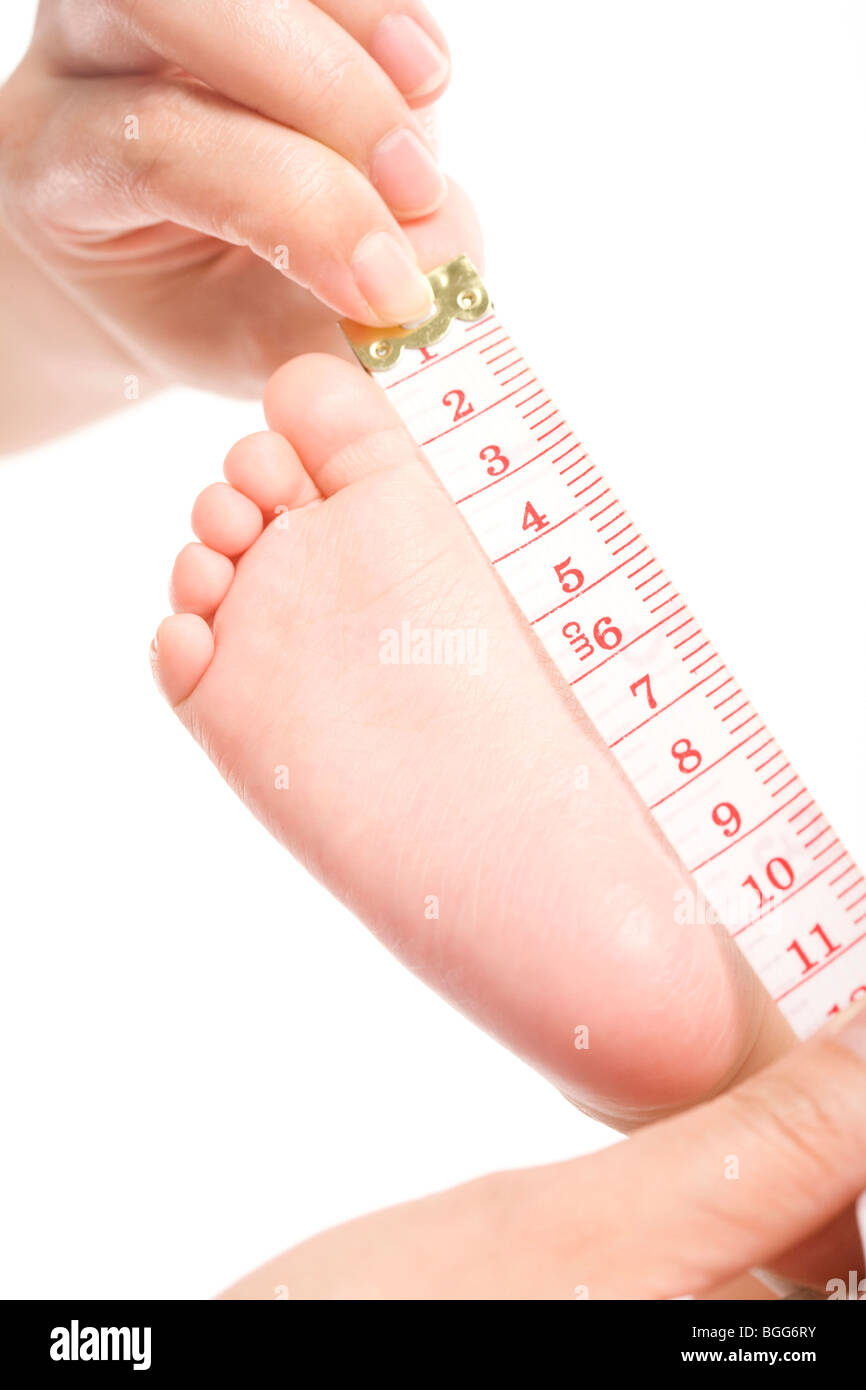
- Measure from the heel line to the toe mark in millimeters. Record the larger of the two feet.
- Add allowance
- Add about 12–15 mm (finger or thumb width) for wiggle room and sock thickness. This is the internal shoe length you need.
Repeat the process twice to confirm accuracy. If you’re measuring an active baby, distract them with a toy or have a helper hold them gently.
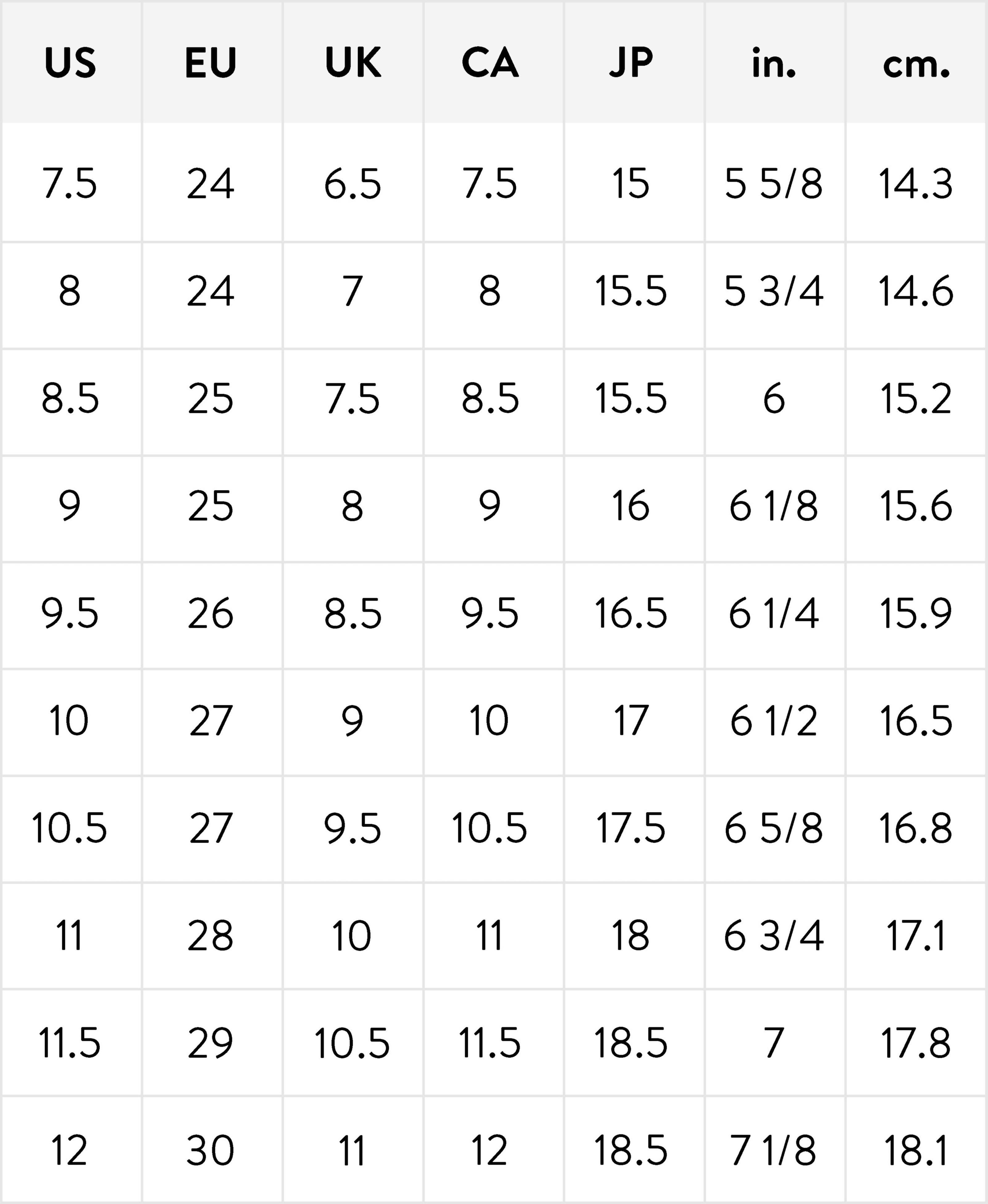
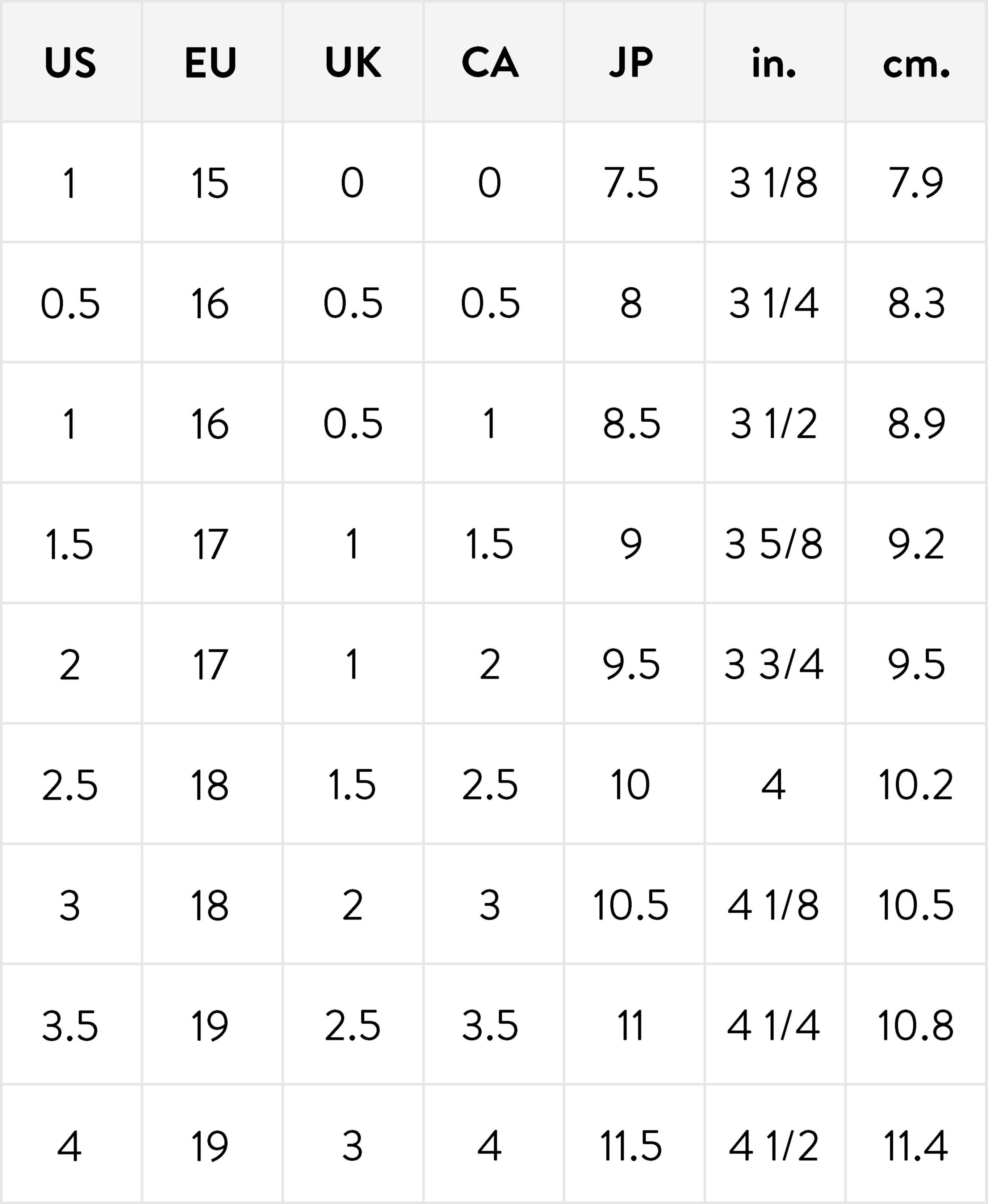
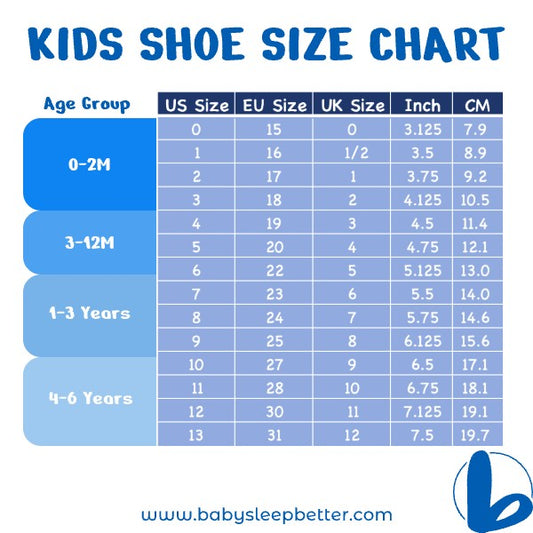
Converting length to shoe size and reading charts
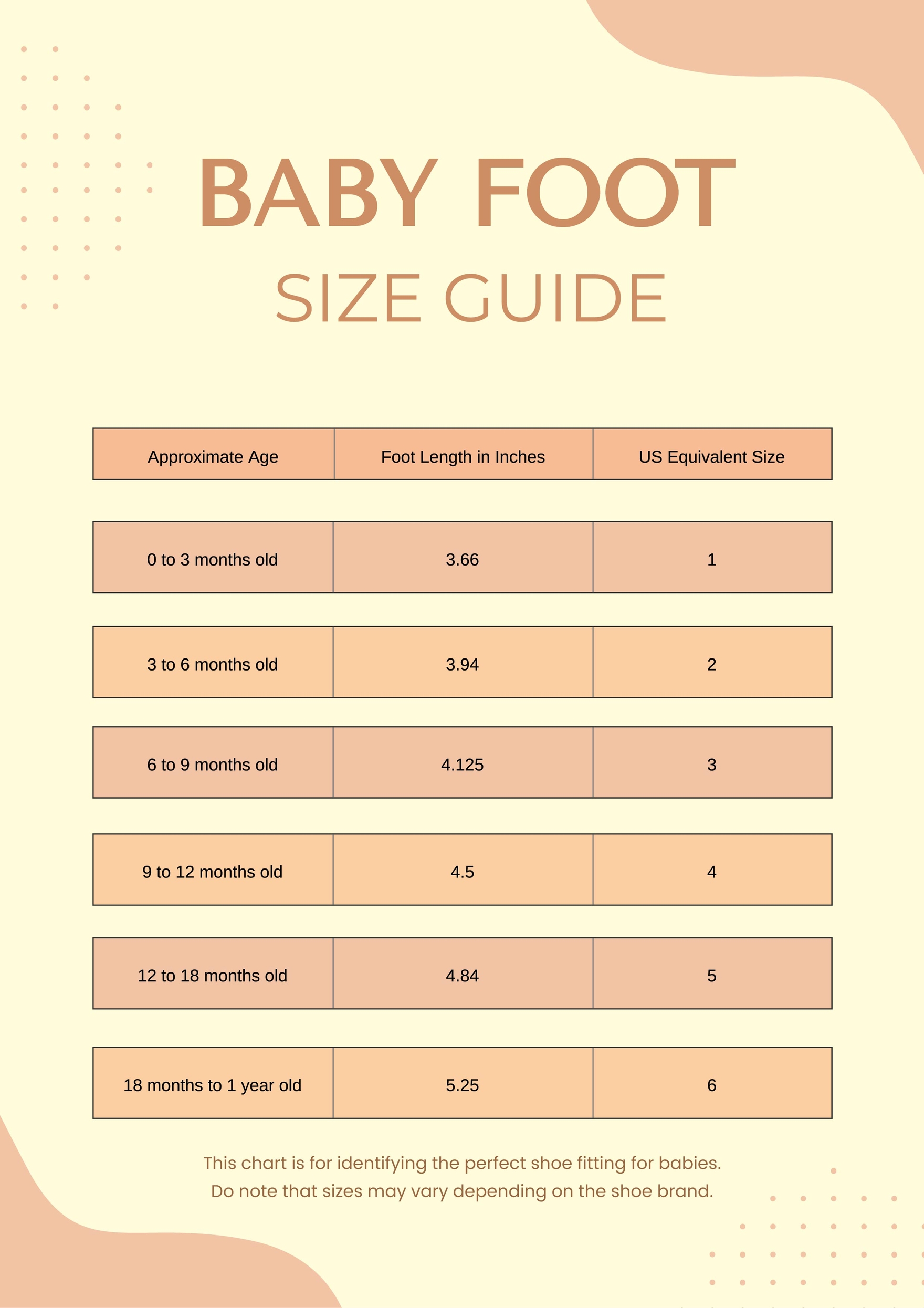
After you know the internal length in millimeters, convert to a shoe size using a size chart. Shoe sizes vary by region and brand, so use the brand’s chart when available.
Common conversion steps:
- Use the measured internal length (including allowance).
- Match that length to the internal length column on the brand chart.
- If between sizes, choose the next size up for comfort and growth.
Tip: European sizes correspond directly to foot length in centimeters. US baby sizes are less standardized, so always check the specific chart.
Fit tips: what a good shoe feels like
A well-fit shoe should be easy to put on and hold the heel without slipping. Check these points at home:
- Toe space should allow wiggle room and not squeeze the toes.
- Heel should sit snugly without slipping during walking.
- Soles should be flexible under toes but supportive across the midfoot.
- Lightweight and breathable materials help comfort.
If the shoe bends only at the toe joint and not in the middle, it’s usually a good flexibility. Avoid rigid soles for early walkers and avoid overly soft, unsupportive shoes for active toddlers.

Materials, socks, and seasonal considerations
Socks add thickness. Always measure with the socks your child will wear with the shoes. For winter shoes, allow slightly more room for thicker socks and foot movement.
Material matters:
- Leather molds and stretches slightly over time.
- Synthetic fabrics hold shape longer and may need a tiny extra room.
- Waterproof layers add bulk; size accordingly.
If shopping for sandals, subtract 3–5 mm from closed-shoe allowance because sandals often have less internal padding.

Common mistakes and how to avoid them
New parents often make the same errors. Avoid these:
- Measuring on carpet or a soft surface, which compresses the foot.
- Using only one foot’s length—always measure both and use the larger size.
- Buying shoes that are “just in case” too big; oversized shoes can cause tripping and poor balance.
- Ignoring brand size variance; always consult a brand-specific chart when possible.
I once bought two pairs of the same size for my niece and they fit differently. That taught me to always check internal measurements, not just labeled sizes.

Measuring as your child grows: infants, early walkers, and toddlers
Young infants need simplicity. Soft booties or socks work until they begin standing. Once they pull to stand or take steps, measure for shoes that support without restricting.
Guidelines:
- Infants (0–9 months): Measure every 6–8 weeks.
- Early walkers (9–18 months): Measure every 6 weeks.
- Toddlers (18–36 months): Measure every 2–3 months.
Adjust measurement frequency during growth spurts. If one foot is larger, buy the size that fits the larger foot.
Personal experience and practical tips
From years of advising caregivers, I recommend these practical tips:
- Measure at the end of the day. Feet swell slightly after activity, giving a more realistic size.
- Bring the child’s sock to the store for accurate fit.
- Trust a simple paper-and-ruler method—it's as reliable as most store gauges.
- If buying online, check return policies and measure the insole length of a current shoe that fits well to compare.
Mistake I made early: I assumed smaller shoes would feel “secure.” They caused blisters. Now I always allow the proper thumb-width growth space.
Troubleshooting: odd foot shapes and special needs
Children can have wide, narrow, or asymmetrical feet. For special fits:
- Choose brands that offer wide or narrow options.
- Use removable insoles to adapt fit.
- For medical foot concerns, consult a pediatric podiatrist before choosing shoes.
If you suspect a medical issue, a professional assessment ensures shoes support foot health rather than mask the problem.
Short PAA-style answers within the text
Does measuring standing vs. sitting change results? Yes. Measure while the baby’s foot is weight-bearing for walking shoes to capture true length and spread.
How much room should be in the toe box? Aim for about 12–15 mm beyond the longest toe for most infants and toddlers.
Is it OK to size up several sizes to “grow into”? No. Oversized shoes can make walking unsafe and do not protect developing feet.
Frequently Asked Questions of how to measure baby feet for shoes
How often should I measure my baby's feet?
Measure every 6–8 weeks for infants and every 2–3 months for toddlers, especially during rapid growth periods.
Should I measure the feet while the baby is standing?
Yes. For walking shoes, measure while the baby’s foot is weight-bearing to account for spreading and length.
How much extra space should I add for growth and socks?
Add about 12–15 mm (roughly a thumb’s width) to the foot length for wiggle room and sock thickness.
Which foot should I measure?
Measure both feet and use the larger measurement when choosing a shoe size.
Can I use store size labels without measuring?
You can, but brand sizes vary widely. Always check internal length charts or measure the insole to be safe.
Conclusion
Measuring baby feet for shoes is simple, reliable, and essential for healthy foot development. Use a paper-and-ruler method, add the right allowance, check brand charts, and measure often during growth spurts. Small habits—measuring at the end of the day, bringing socks, and checking both feet—make big differences.
Take action today: measure your child’s feet, compare with a sizing chart, and choose shoes that balance comfort and support. Share your experience or questions below so other parents can learn from what worked for you.
Madison Clark is a footwear expert and the voice behind MyStyleGrid.com. She specializes in honest shoe reviews, style tips, and practical guides to help readers find the perfect pair for any occasion. With years of experience in blogging and content creation, Madison makes footwear knowledge simple, stylish, and easy to follow.