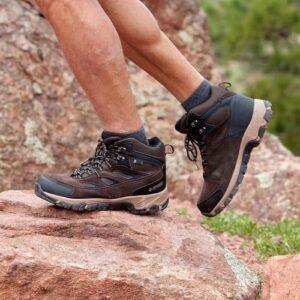
Choose insulated, waterproof boots with deep traction, secure ankle support, and room for warm wool socks in snow.
Knowing what shoes to wear in snow can prevent cold feet, painful blisters, slips, and soaked socks. The best choice depends on snow depth, temperature, ice, walking time, and activity. This guide combines practical winter footwear advice, safety research, and real-world lessons to help you choose with confidence.
What shoes to wear in snow
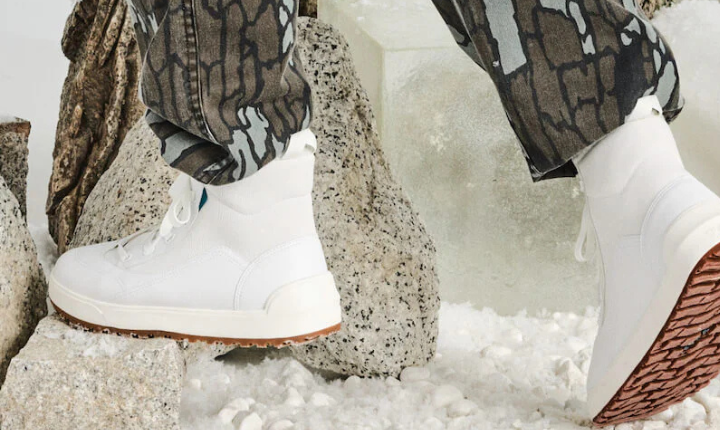
For most winter days, wear insulated snow boots with a waterproof outer layer, sealed seams, a warm lining, and a rubber outsole with deep lugs. These features work together like a winter team: insulation holds heat, waterproofing blocks meltwater, and traction helps your feet grip the ground.
Good snow boots should also cover your ankles. Low shoes can let snow enter from the top, especially when you walk through deep snow or step off a cleared path. A tall boot with a snug collar offers better protection.
The best shoes for snow usually have these features:
- Waterproof leather, treated suede, rubber, or a waterproof membrane
- Insulation rated for the temperatures you expect
- A thick rubber sole with deep, flexible lugs
- A high collar that blocks snow
- Strong laces, straps, or a drawcord for a secure fit
- Enough space for thick socks without squeezing your toes
- A cushioned footbed and firm heel support
Avoid choosing winter shoes based only on appearance. A stylish fashion boot may look warm but fail when slush reaches the seams. Likewise, a hiking shoe may offer great grip but lack enough insulation for long periods in freezing weather.
Key features of safe snow footwear
Waterproofing
Waterproof shoes keep snow and slush from reaching your feet. This matters because wet socks lose warmth quickly. Even highly insulated boots can feel cold when moisture enters and stays against your skin.
Look for words such as waterproof, water-resistant, sealed seams, gusseted tongue, and waterproof membrane. Water-resistant shoes can handle light moisture, but they may not protect you during long walks in wet snow.
Rubber boots offer strong water protection, but they may need extra insulation. Some rubber boots have a removable felt liner. Others use built-in foam or synthetic insulation.
Insulation
Insulation traps warm air around your feet. Common materials include synthetic fibers, foam, felt, and wool. The right amount depends on the weather and how active you are.
If you walk fast or shovel snow, heavy insulation may make your feet sweat. If you stand outside at a bus stop, ski hill, or sports field, you may need more insulation.
Temperature ratings can help, but they are not universal. Brands test boots in different ways, and the result can change with sock thickness, activity, wind, and personal comfort. Treat a temperature rating as a guide, not a promise.
Traction
A snow boot should have a rubber outsole with a deep tread pattern. Lugs help push into soft snow and improve grip on packed surfaces. Flexible rubber can also work better than hard plastic in cold weather.
Still, no regular shoe can guarantee safety on ice. The National Weather Service warns that ice can remain slippery even when footwear has strong tread. For icy paths, removable traction devices with metal studs or coils may help.
Use traction aids only when appropriate. Remove them indoors, because metal points can damage floors and increase slipping on smooth surfaces.
Fit and support
A good winter boot should feel secure but not tight. Your toes need room to move. Tight boots can reduce circulation and make feet feel colder.
Check these fit points:
- Your heel should stay in place when you walk.
- Your toes should not touch the front.
- You should wiggle your toes inside the boot.
- The boot should not pinch across the ball of your foot.
- The cuff should close around your leg without cutting into it.
- Try the boots with the socks you plan to wear.
A boot that feels perfect with thin socks may become painful with thick wool socks. Always test the full winter setup before wearing new boots for a long walk.
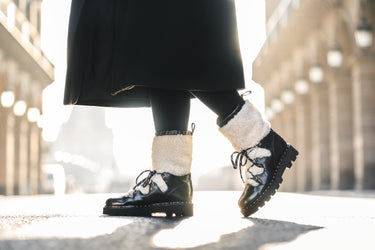
Best types of shoes for different snow conditions
Insulated snow boots
Insulated snow boots are the safest general choice for deep snow, cold weather, and long outdoor periods. They usually combine a waterproof shell, warm lining, tall shaft, and aggressive outsole.
Choose them for:
- Snow shoveling
- Winter travel
- Sledding
- Walking through deep snow
- Cold outdoor events
- Daily use in snowy regions
Many snow boots have a bulky shape. That can feel less stylish, but the extra space often improves warmth and allows thicker socks.
Waterproof hiking boots
Waterproof hiking boots can work well in light or moderate snow. They offer strong ankle support and better walking comfort than some tall snow boots.
They are a good choice when:
- Snow is shallow
- You will keep moving
- The temperature is near freezing
- The path is cleared or packed
- You need a lighter shoe for travel
Make sure the hiking boots have enough insulation. Many hiking boots are waterproof but not warm enough for long periods in low temperatures.
Winter hiking boots
Winter hiking boots combine hiking support with cold-weather protection. They often have insulated liners, waterproof membranes, padded collars, and tough outsoles.
These boots are useful for trails, winter camping, long walks, and uneven ground. They may feel warmer and more stable than ordinary hiking boots, but they can also cost more.
Waterproof rubber boots
Rubber boots are excellent for wet snow, slush, and melting conditions. Since rubber does not absorb water, it is easy to clean after use.
Their main weakness is breathability. Your feet may sweat during active use. Choose rubber boots with insulation and moisture-wicking socks when the temperature is low.
Winter sneakers
Winter sneakers can work for short trips on cleared sidewalks. Look for water-resistant materials, fleece or synthetic lining, and a rubber sole with good tread.
They are not ideal for deep snow, long walks, or extreme cold. Snow can enter over the low collar, and the thin sole may allow cold to reach your feet.
Waterproof shoe covers
Waterproof overshoes can protect regular shoes during brief walks through slush. They are useful for commuting or keeping a second pair of shoes dry at work.
However, shoe covers usually provide little insulation and limited traction. They are not a replacement for proper snow boots during long outdoor activities.
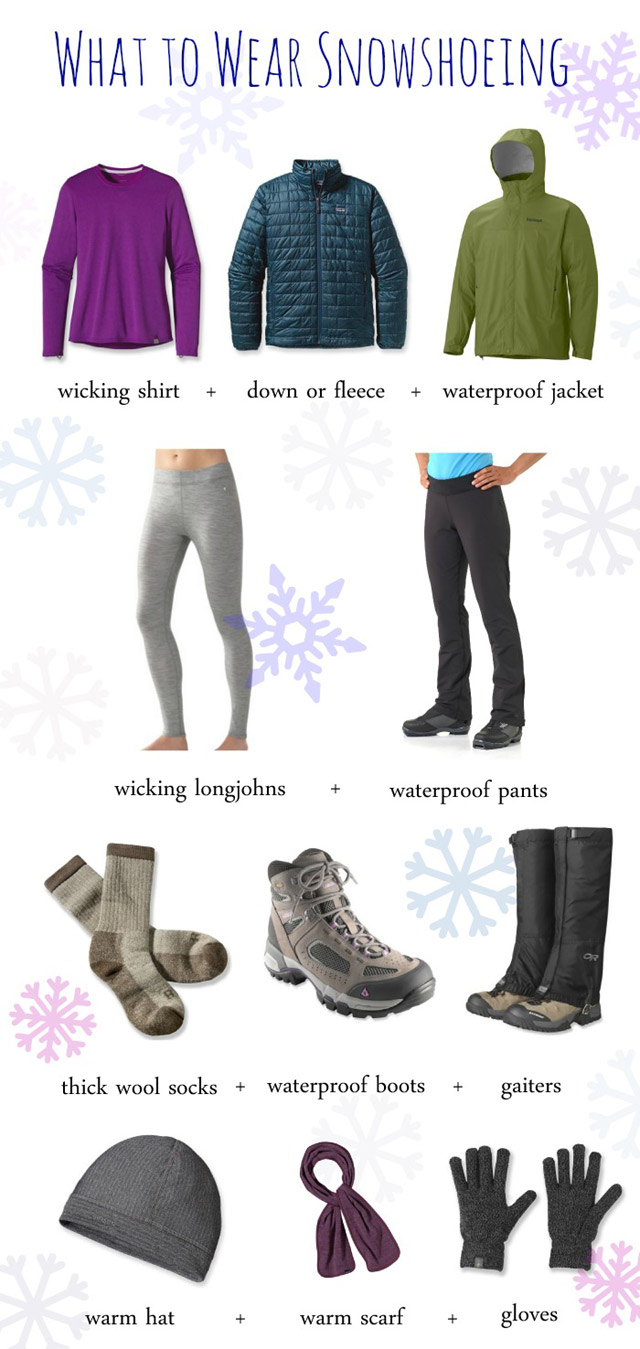
What shoes to wear in snow for walking and commuting
For daily winter walking, choose waterproof boots that balance warmth, traction, and comfort. A boot that is too heavy may tire your legs. A boot that is too light may leave your feet cold before you reach work.
For a short commute on cleared sidewalks, waterproof hiking boots or insulated ankle boots may be enough. For a long walk through unplowed streets, choose taller insulated snow boots.
Pay attention to the tongue. A gusseted tongue connects to the sides of the boot and helps stop water and snow from entering. This small detail can make a big difference in wet conditions.
When commuting, consider how the boots work indoors. Some deep-tread boots grip snow well but feel awkward on smooth tile. You may want to carry lighter indoor shoes and change when you arrive.
On my own winter walks, one common mistake has been wearing boots that felt warm at the start but became uncomfortable after several blocks. The lesson is simple: walking comfort matters as much as insulation. Test your boots indoors, walk up stairs, and bend your ankles before trusting them outside.
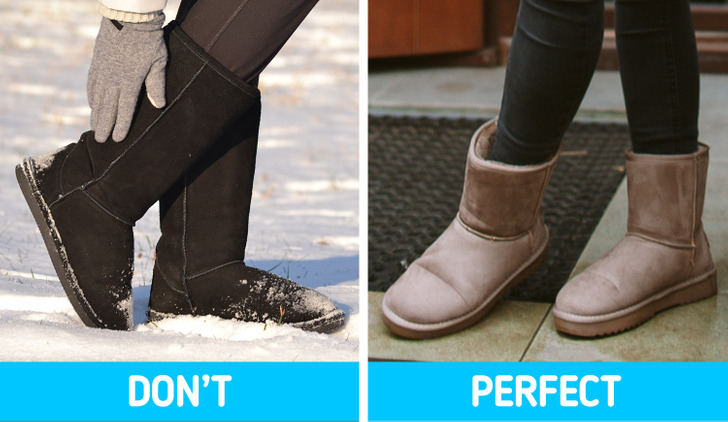
What shoes to wear in snow for hiking
Winter hiking requires more than warm footwear. You also need ankle stability, a firm heel, a protective toe area, and traction that matches the trail.
For packed snow, waterproof winter hiking boots with moderate lugs may work well. For deep snow, you may need taller boots or gaiters. Gaiters cover the lower leg and keep snow from entering around the ankle.
For icy trails, carry traction devices. Do not assume a deep tread alone will stop you on a frozen slope. The American College of Sports Medicine and outdoor safety experts commonly recommend added traction and careful pacing in slippery conditions.
Before a winter hike:
- Check the forecast and trail conditions.
- Choose boots with enough insulation for the time outside.
- Wear moisture-wicking socks.
- Pack spare socks in a waterproof bag.
- Use gaiters in deep or powdery snow.
- Carry traction aids when ice is possible.
- Leave extra space in your schedule so you do not rush.
Avoid cotton socks on long winter hikes. Cotton absorbs sweat and dries slowly. Once damp, it can make your feet cold.
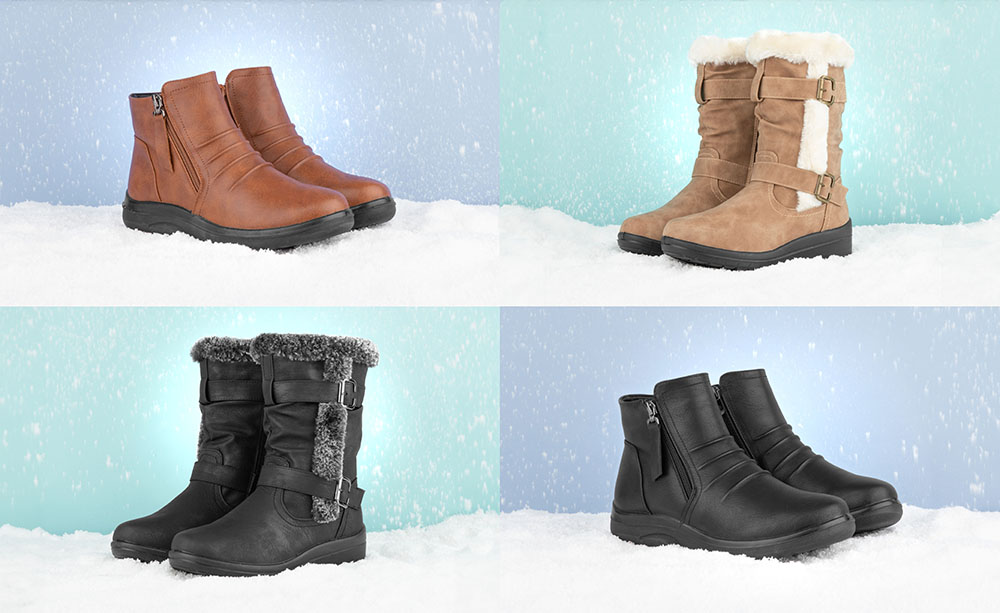
What socks to wear with snow shoes
Socks are part of the footwear system. Even the best answer to what shoes to wear in snow will not help much if your socks hold moisture or make your boots too tight.
Wool is a strong choice because it can hold warmth even when slightly damp. Merino wool is soft, breathable, and useful across a wide range of temperatures. Synthetic socks can also work well because they dry faster than cotton.
Choose socks that:
- Fit smoothly without wrinkles
- Reach above the boot collar
- Move sweat away from the skin
- Match the space inside the boot
- Do not compress your toes
Do not automatically wear two pairs of thick socks. Extra layers can restrict circulation. A single quality winter sock inside a properly fitted boot is often warmer than two tight pairs.
If your feet sweat, change socks during the day. Keep a dry pair in your bag or car. Dry socks are one of the simplest ways to stay comfortable in snow.

How to stay warm and safe in snow boots
Warmth begins before you step outside. Put on dry socks, fasten the boots properly, and avoid standing still for too long. Gentle movement helps maintain circulation.
Keep your feet dry by checking your boots after each use. Remove the insoles and let them dry at room temperature. Do not place wet boots directly on a radiator or use high heat. Strong heat can damage glue, leather, rubber, and waterproof membranes.
Follow these care steps:
- Brush off snow and salt after each outing.
- Wipe away slush with a damp cloth.
- Dry boots in a ventilated room.
- Remove liners when the design allows it.
- Apply the correct conditioner to leather boots.
- Reapply waterproof treatment as recommended by the maker.
- Store boots fully dry.
Salt and road chemicals can damage leather and leave white marks. Cleaning them early helps preserve the material.
Watch for signs of cold injury. Numbness, pale or waxy skin, unusual pain, and loss of feeling need attention. Move indoors, remove wet footwear, and seek medical help if symptoms are severe or do not improve.

Common mistakes when choosing snow shoes
Many winter footwear problems come from small choices rather than poor-quality boots.
Wearing regular sneakers
Regular sneakers often have thin soles, little insulation, and shallow tread. They may become wet within minutes and offer poor protection on packed snow.
Choosing style over function
A smooth leather boot may look attractive but slide on ice. Check the outsole before buying. The bottom of the shoe matters more than the brand name.
Buying boots too tight
Tight boots reduce circulation and leave no room for warm air or winter socks. A little extra room is helpful, but your heel should still feel stable.
Trusting temperature ratings completely
Temperature ratings vary between brands and test methods. Your activity level, wind exposure, sock choice, and circulation all affect comfort.
Ignoring the outsole
A warm boot with a smooth sole can still be dangerous. Look for visible lugs and flexible rubber designed for cold surfaces.
Wearing wet boots again
Wet liners and damp insoles reduce warmth. Dry the whole boot before the next outing.
Walking carelessly on ice
Even the best answer to what shoes to wear in snow includes a safety limit: footwear cannot replace careful movement. Take shorter steps, keep your center of balance over your feet, and use handrails when available.

How to choose snow boots by temperature
Temperature alone does not decide what shoes to wear in snow. Wind, moisture, walking speed, and time outdoors matter just as much.
For temperatures near freezing, waterproof boots with light insulation may be comfortable. For colder weather, use insulated snow boots with thicker liners and room for proper socks.
For very cold conditions:
- Select boots designed for extended exposure.
- Avoid tight fits that limit circulation.
- Use moisture-wicking socks.
- Keep spare dry socks nearby.
- Limit time outdoors if your feet lose feeling.
- Check children’s feet often because they may not notice cold early.
If you are active, such as hiking or shoveling, your feet may produce more heat. If you are standing still, you will likely need more insulation.
Use the boot manufacturer’s guidance, but treat it as an estimate. Personal comfort and safety signs should guide your final decision.
How to test snow shoes before buying
Try boots later in the day because feet often swell slightly after walking. Wear the socks you expect to use in winter.
Walk on several surfaces indoors. Test stairs, turns, and uneven ground. Check whether your heel lifts, whether your toes touch the front, and whether the cuff rubs your skin.
Use this quick test:
- Stand with both feet flat.
- Wiggle your toes.
- Bend your knees and ankles.
- Walk for several minutes.
- Climb stairs if possible.
- Tighten and loosen the laces.
- Check for pressure points.
- Confirm that the sole bends near the front of your foot.
Online shoppers should review the return policy carefully. Read comments about warmth, sizing, waterproofing, and traction rather than focusing only on star ratings.
A boot may fit one person differently from another. Foot width, arch shape, socks, and walking style all matter.
Are snow boots worth the cost?
A quality pair of snow boots can be worth the cost if you spend many hours outdoors or live in a snowy climate. Good boots may last for several seasons when cared for well.
However, expensive does not always mean better. A mid-priced boot with waterproof construction, useful insulation, and strong traction can outperform a premium fashion boot.
Think about cost per use. If you wear the boots often, comfort and safety have greater value. If you need them for one short trip, a reliable waterproof boot may be enough.
Pay attention to repair options. Replaceable insoles, durable stitching, and available liners can extend the life of winter footwear.
Frequently Asked Questions About What Shoes to Wear in Snow
What shoes are best for walking in snow?
Insulated waterproof snow boots with deep rubber tread are best for most snow walks. Choose a taller boot for deep snow and added traction for icy paths.
Can I wear regular sneakers in snow?
Regular sneakers are usually a poor choice because they lack insulation, waterproofing, and strong traction. They may work only for a very short walk on a dry, cleared surface.
Are waterproof hiking boots good for snow?
Waterproof hiking boots can work well in light snow and near-freezing weather. For deep snow or long periods outside, choose insulated winter hiking boots or dedicated snow boots.
Are rubber boots warm enough for snow?
Rubber boots keep water out but are not always warm. Select an insulated style or add a proper liner, and make sure the fit allows comfortable winter socks.
Do I need special shoes for ice?
For ice, use boots with cold-flexible rubber and strong tread, but consider removable traction devices for extra grip. Walk slowly because no footwear removes every risk of slipping.
Should snow boots be tight or loose?
Snow boots should fit snugly around the heel but leave room for toe movement and warm socks. A tight boot can reduce circulation and make your feet colder.
Are wool socks good for snow?
Yes, wool socks are a strong choice because they provide warmth and manage moisture better than cotton. Choose a thickness that fits comfortably inside your boots.
Conclusion
The best answer to what shoes to wear in snow is usually a waterproof, insulated boot with a secure fit and deep traction. Match the boot to the snow depth, temperature, activity, and time you will spend outside.
Choose warm moisture-managing socks, keep your boots dry, and use traction aids when ice creates extra risk. Before your next snowy day, test your footwear indoors and check every feature that protects comfort and balance.
Use these tips to make a safer choice, then explore trusted winter gear guides or share your favorite snow boots in the comments.

Madison Clark is a footwear expert and the voice behind MyStyleGrid.com. She specializes in honest shoe reviews, style tips, and practical guides to help readers find the perfect pair for any occasion. With years of experience in blogging and content creation, Madison makes footwear knowledge simple, stylish, and easy to follow.