The best hiking shoes for Yosemite combine firm grip, comfort, support, and protection for changing trail conditions.
You may start a Yosemite hike on warm, dry pavement and soon face loose granite, wet roots, dust, or a cool stream crossing. The wrong shoe can turn a great day into sore feet, hot spots, or a painful slip. I looked at trail-ready designs for day hikes, waterfall routes, valley walks, and rougher mountain paths. The picks below cover waterproof boots, low hiking shoes, trail-style sneakers, and budget-friendly options. Before you buy, check the fit, season, trail length, and current park conditions.

Men’s Yosemite Mid WP
WATERPROOF MEN’S HIKING BOOTS – The WP Yosemite is treated with DRI-TEC, so it has a waterproof, breathable membrane to keep feet dry and water out in wet conditions. ULTIMATE…
Check Price on Amazon →
Merrell Men’s Moab 3 Hiking…
Pigskin leather and mesh upper 100% recycled laces and webbing Bellows tongue keeps out debris Protective toe cap 100% recycled mesh lining Kinetic Fit ADVANCED removable contoured insole with reinforced…

NORTIV 8 Men’s Ankle High…
Comfortableness: NORTIV 8 Men’s Waterproof Hiking Boots certainly delivers on all-day comfort! Removable and shock-absorbent cushioned insoles offer the support for your feet. Lightweight and Flexible EVA midsoles: reduce foot…
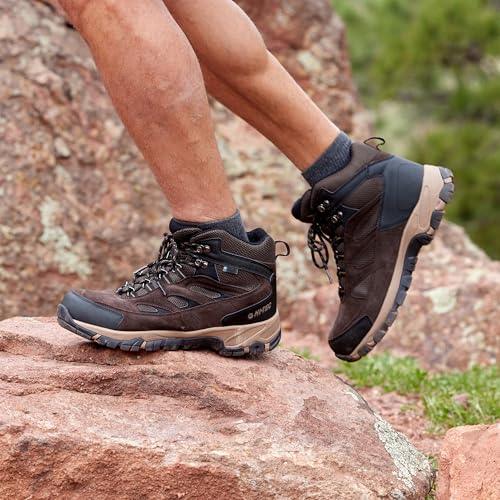
Men’s Yosemite Mid WP

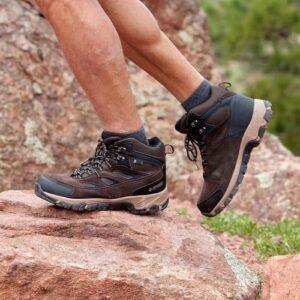
The Men’s Yosemite Mid WP is built for hikers who want more coverage than a low shoe can provide. Its mid-height shape can help shield the ankle and lower leg from brush, dust, and light trail debris. The waterproof design suits damp mornings, wet grass, and short walks near misty waterfalls. I would view it as a practical day-hiking boot for moderate routes rather than a technical mountaineering boot.
The added height gives this model a steady, boot-like feel on uneven ground. It may appeal to hikers who prefer a snug upper around the ankle, especially when carrying a day pack. Like any waterproof shoe, it can feel warmer than a mesh shoe in hot Valley weather. Break it in before a long Yosemite trip, and wear the socks you plan to use on the trail.
Pros:
- Mid-cut design offers extra ankle coverage
- Waterproof build helps in damp trail conditions
- Useful protection from grit, brush, and small stones
- Good match for cool or changeable weather
- Boot shape feels secure with a day pack
- Versatile for hiking, camping, and travel
Cons:
- May feel warm during hot summer hikes
- Needs break-in time for some users
- Mid boots weigh more than low trail shoes
Merrell Moab 3 Hiking Shoe
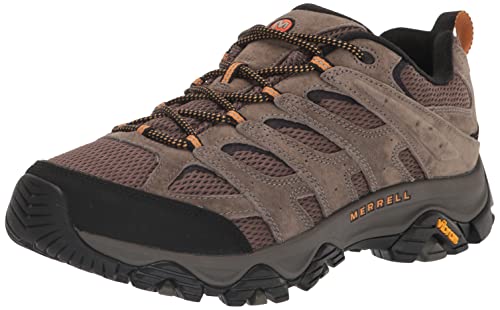
The Merrell Moab 3 is one of the safest all-around choices for Yosemite day hikers. It has a familiar low-cut hiking shoe shape, which makes it easier to wear on long walks, rocky paths, and town visits. The Walnut color hides trail dust well, while the leather and mesh upper offers a useful mix of structure and airflow. I like this style for hikers who want a proven feel without moving into a tall boot.
The Moab line has earned a strong reputation among casual and regular hikers because it balances cushion, support, and grip. The footbed gives the shoe a comfortable base for long miles, while the toe area helps guard against bumps on granite. It is not the lightest shoe in this guide, but that extra structure can feel welcome on rough ground. Choose a waterproof version if rain protection matters, since not every Moab 3 listing has the same upper.
Pros:
- Comfortable design for long day hikes
- Good balance of support and flexibility
- Protective toe area for rocky trails
- Breathable panels help reduce trapped heat
- Works well on mixed dirt, rock, and pavement
- Easy choice for hikers who dislike tall boots
Cons:
- Low cut gives less ankle coverage
- Leather may need care after muddy trips
- Can feel bulky beside lightweight trail runners
NORTIV 8 Waterproof Ankle Hiking Boots

These NORTIV 8 ankle-high boots target hikers who want waterproof coverage at a lower price. The three-tone brown, black, and tan design has a classic outdoor look. The ankle height provides more protection than a sneaker and may feel more stable on uneven trails. For Yosemite visitors planning moderate day hikes, this can be a sensible budget starting point.
I see this model as a practical option for occasional hikers, campers, and travelers who need one pair for several outdoor tasks. Waterproof footwear helps when trails are wet, but it also needs time to dry if water enters over the collar. The firmer boot feel may support a loaded day pack better than a soft running shoe. Still, test the heel hold and toe room at home before taking it into the park.
Pros:
- Waterproof design suits wet trail days
- Ankle height adds coverage and support
- Protective upper helps block trail debris
- Useful for hiking, camping, and light work
- Often attractive to budget-minded shoppers
- Classic boot styling works beyond the trail
Cons:
- May run warmer than mesh hiking shoes
- Less flexible than a low-cut trail model
- Fit can vary, so check the size chart carefully
Columbia Crestwood Hiking Shoe

The Columbia Crestwood is a low hiking shoe for people who value easy movement and a familiar fit. It combines a supportive upper with a trail outsole made for dirt, gravel, and uneven paths. The lower profile keeps the shoe less bulky than a boot, which can help on warm hikes. I would consider it a strong fit for Valley trails and moderate routes with plenty of dry ground.
Columbia gives this shoe a balanced outdoor feel rather than a specialized alpine build. The cushioning helps soften repeated steps, and the toe area offers useful protection when the trail turns rocky. It is a good match for first-time Yosemite visitors who want a simple hiking shoe that can also handle travel days. Confirm the exact version before buying if waterproofing is important, as Crestwood models can differ by listing.
Pros:
- Low profile supports natural walking
- Good choice for warm-weather day hikes
- Outsole suits dirt, gravel, and light rock
- Protective front helps with toe bumps
- Comfortable for trail and travel use
- Easy option for newer hikers
Cons:
- Less ankle support than a mid boot
- Not the best choice for deep snow
- Some users may want more arch structure
Waterproof Men’s Trail Running Shoes

This trail-style shoe is aimed at hikers who want a sneaker-like feel with added water resistance. The black design is easy to pair with travel clothes and hides dust from the trail. Its lighter shape may help hikers move quickly on rolling paths and short day hikes. For many visitors, it offers a comfortable bridge between a running shoe and a traditional hiking shoe.
I would choose this style for dry-season walks, casual trail miles, and active travel. The waterproof feature can help with light rain and damp ground, but no low shoe can keep water out if a creek reaches the collar. Trail running shoes also offer less ankle coverage than boots. If you prefer fast movement and soft cushioning, this model may fit your style better than a heavy hiking shoe.
Pros:
- Light sneaker feel encourages easy movement
- Waterproof upper helps in light wet weather
- Works for hiking and everyday walking
- Black color hides dust and marks
- Good match for short and moderate routes
- Less break-in than many leather boots
Cons:
- Low cut offers limited ankle protection
- May lack the firm support needed for heavy packs
- Water can enter over the low collar
FitVille Outdoor Hiking Shoes

FitVille’s outdoor hiking shoe focuses on room, cushion, and walking comfort. That makes it worth a look for hikers who dislike narrow toe boxes or stiff footwear. The low-cut shape feels more like a walking shoe than a boot, while the high-traction outsole is designed for outdoor use. Its coffee-brown color also gives it a relaxed look for travel and daily wear.
The water-resistant upper can help with damp grass and quick showers, but it is not the same as a fully waterproof membrane. The rebound cushioning may feel kind to feet during long walks on hard paths. I would recommend checking the width and fit before a Yosemite trip, especially if you use custom insoles. This is one of the best hiking shoes for Yosemite for comfort-first users who need extra space.
Pros:
- Roomy feel may suit wider feet
- Cushioning helps on long walking days
- High-traction outsole supports outdoor use
- Water-resistant upper handles light moisture
- Low cut allows easy foot movement
- Comfortable for travel and casual use
Cons:
- Water resistance is not full waterproofing
- Low collar provides little ankle support
- Soft cushioning may feel less stable on rough rock
NORTIV 8 Waterproof Leather Hiking Shoes

This NORTIV 8 model uses a leather hiking-shoe design for hikers who want a sturdy low-cut option. The dark gray and orange color scheme looks sporty without being too bright. Its waterproof build helps protect against wet ground, small puddles, and changing weather. The leather upper also gives more structure than a thin knit or mesh sneaker.
I find this type of shoe useful for hikers who want protection but do not like ankle-high boots. It can handle many moderate day hikes and offers a firm platform underfoot. The trade-off is weight and airflow, since leather often feels warmer than open mesh. Wear it around the house first, then test it on short walks before committing to a steep Yosemite route.
Pros:
- Waterproof leather helps block wet trail moisture
- Low cut feels less restrictive than a boot
- Structured upper offers useful foot protection
- Sporty design works for travel and hiking
- Firm feel suits moderate uneven trails
- Dark color helps conceal trail dirt
Cons:
- Leather can feel warm in summer
- May require more break-in than mesh shoes
- Less ankle coverage than mid-height footwear
NORTIV 8 Low-Top Waterproof Hiking Shoes

This low-top NORTIV 8 shoe offers a lighter alternative to the brand’s ankle-high boots. The army, green, and black color mix has a rugged outdoor look. Its waterproof construction is useful for damp trails and uncertain weather, while the low profile keeps the shoe easier to flex. I would place it on the shortlist for budget hikers who want low-cut coverage.
The shoe may suit short and medium routes where speed and comfort matter more than full ankle support. It can also work well for camping trips, park walks, and outdoor chores. As with any waterproof low shoe, the collar remains a point where water can enter. Check the fit with hiking socks, and make sure your heel stays in place when walking downhill.
Pros:
- Low-top design offers easy movement
- Waterproof build helps in wet conditions
- Rugged colors suit outdoor use
- Useful for hiking and camping
- Lighter feel than ankle-high boots
- Budget-friendly style for occasional hikers
Cons:
- Limited ankle support on steep ground
- May feel warm during hot weather
- Low collar cannot stop deep water
The North Face Ultra 112 Waterproof Shoe

The North Face Ultra 112 brings a modern hiking-shoe shape to this list. It is designed for hikers who want a low shoe with weather protection and a more athletic look. The mushroom gray and mocha brown color is subtle and travel friendly. This model may appeal to users who spend equal time on trails, sidewalks, and scenic overlooks.
A waterproof low shoe can be a smart choice when the weather is mixed but the route does not call for a tall boot. The lower design supports a more natural stride, while the reinforced upper helps protect the foot from trail contact. I would still pair it with moisture-wicking socks and avoid assuming that waterproof means dry in every situation. For many hikers, this is among the best hiking shoes for Yosemite when comfort and rain protection must share the same pair.
Pros:
- Waterproof design helps in wet weather
- Athletic shape feels ready for active walking
- Low profile supports a natural stride
- Neutral colors work well for travel
- Good fit for moderate day hikes
- Versatile trail-to-town design
Cons:
- Low cut gives limited ankle protection
- May cost more than basic hiking shoes
- Water can enter over the shoe collar
HI-TEC Yosemite Waterproof Hiking Boots

The HI-TEC Yosemite boot is a natural pick for shoppers who want a boot named for the kind of trip they plan to take. Its dark green color suits forest paths and cool-weather camping. The waterproof upper adds protection for wet grass, rain, and damp trail sections. The boot shape gives more coverage than a low shoe while staying suited to normal day hikes.
This model may work well for visitors who expect changing conditions or prefer a classic boot feel. It can offer a reassuring layer between your feet and rough trail debris. Keep in mind that a waterproof boot may need more drying time than a breathable mesh shoe. I recommend wearing it on several short walks first, because a Yosemite trail is a poor place to discover a stiff heel seam.
Pros:
- Waterproof design suits damp outdoor trips
- Boot height adds ankle and lower-leg coverage
- Outdoor color blends well with trail settings
- Useful for hiking and camping
- Classic shape feels secure on uneven ground
- Good choice for cool or wet seasons
Cons:
- May feel warm in hot Valley weather
- Requires break-in for many hikers
- Heavier than low trail shoes
My Recommendation
For most Yosemite day hikers, I would start with the Merrell Moab 3. It offers a useful middle ground between a casual sneaker and a heavy boot. If rain, wet grass, or cold conditions are central to your trip, choose a waterproof mid boot such as the Men’s Yosemite Mid WP or HI-TEC Yosemite boot. If you value light steps, the Columbia Crestwood, North Face Ultra 112, or waterproof trail shoe may feel better.
Fit matters more than a famous label. Your heel should stay secure, your toes should have room to spread, and your forefoot should not feel squeezed when you walk downhill. Try shoes with hiking socks late in the day, when feet are slightly larger. Also remember that traction can wear down, so inspect the outsole before each major trip.
| Best for | Why |
|---|---|
| Best all-around day hiking | Merrell Moab 3 balances comfort, support, protection, and trail use. |
| Best wet-weather coverage | Men’s Yosemite Mid WP and HI-TEC Yosemite boots provide waterproof, mid-height coverage. |
| Best lightweight comfort | Columbia Crestwood, FitVille, and trail-style shoes offer easier movement with less bulk. |
How I Choose Hiking Shoes for Yosemite
Yosemite does not have one single trail surface. A short valley walk can feel smooth and easy, while a longer climb may bring granite slabs, loose gravel, roots, dust, and sharp edges. That is why I do not choose the best hiking shoes for Yosemite by brand name alone. I look at grip, fit, support, protection, water handling, and comfort over many hours.
A good shoe should help you move with confidence. It should not pinch your toes or let your heel slide on every downhill step. It should also match your pack weight and the trail you plan to hike. A low shoe may be perfect for a dry day hike, while a mid boot may feel better when the ground is wet or the load is heavier.
Traction on Granite and Loose Dirt
Traction is one of the most important features in Yosemite footwear. Granite can feel firm when dry but slick when wet. Loose dust and small stones can also move underfoot. Look for an outsole with a clear tread pattern and rubber that feels firm enough to hold edges.
No sole makes every surface safe. Even the best hiking shoes for Yosemite cannot replace a slow step on wet rock. Keep your weight centered, use trekking poles when helpful, and avoid rushing near drop-offs or waterfall routes. A good shoe improves control, but smart trail habits protect you more.
Waterproof Versus Breathable Shoes
Waterproof hiking shoes can help during rain, wet grass, and shallow puddles. They are also useful in cool weather when keeping feet dry helps preserve warmth. The cost is often less airflow. In hot weather, sweat can stay inside the shoe even when outside water stays out.
Breathable shoes dry faster and may feel better in summer. However, mesh does not stop rain or puddle water. I choose waterproof footwear for wet forecasts and cool seasons, but I prefer breathable shoes for hot, dry routes. Always check the product listing because similar shoe names can come in both waterproof and non-waterproof versions.
Low Shoes or Mid Boots?
Low hiking shoes are lighter and more flexible. They work well for day hikers who carry a small pack and prefer a natural stride. They also feel less restrictive on easy paths. The downside is less ankle coverage and more exposure to dust and small stones.
Mid boots offer more protection around the ankle. They can feel secure when the trail is uneven or when you carry extra gear. They also provide more room for gaiters in some cases. Still, a taller boot may feel hot and heavy, so do not buy one unless that support matches your needs.
Getting the Right Fit
Fit can make or break a Yosemite hike. Your toes should not hit the front when you walk downhill. Leave enough space for natural toe movement, but do not allow your foot to slide from side to side. A locked heel helps reduce blisters and improves control.
Try both shoes with the socks and insoles you plan to use. Walk up and down stairs if possible. Bend your knees and check for pressure near the tongue, heel, and little toe. I also suggest trying shoes late in the day because feet often swell after hours of walking.
Socks Matter More Than Many Hikers Think
Even the best hiking shoes for Yosemite can cause discomfort with poor socks. Cotton holds moisture and can rub when wet. Wool blends and synthetic hiking socks often manage moisture better. Pick a thickness that fills the shoe without making it tight.
Bring one spare pair on a long route. A dry change can feel like a reset button after rain or heavy sweat. Make sure the sock has smooth seams, especially if you are prone to hot spots. Small comfort steps can prevent a large problem later.
Breaking In New Hiking Shoes
Do not wear brand-new shoes on a major Yosemite climb. Start with short walks around your home. Then use them for errands, stairs, and a few easy trails. This process lets the upper soften and shows you where pressure may build.
If a shoe causes pain within the first hour, do not hope a long hike will fix it. Mild stiffness may improve, but sharp rubbing usually gets worse. Treat hot spots early with tape or a blister patch. Your feet should feel supported, not punished.
Matching Footwear to Yosemite Trail Types
Your route should guide your shoe choice. Easy valley walks often need comfort, grip, and protection from dust more than heavy ankle support. Moderate climbs call for a stable sole and a secure heel. Long, steep, or rough routes may justify a supportive boot, especially with a loaded pack.
Waterfall trails deserve extra care. Spray and wet stone can make a path slick. Wear shoes with dependable tread, slow your pace, and stay on marked routes. Waterproof uppers help keep feet dry, but they do not make a shoe slip-proof.
For warm summer days, breathable low shoes may reduce heat. For spring and fall, waterproof shoes can offer more value. Snow and ice demand a different setup, such as traction devices or insulated footwear approved for those conditions. Check current trail alerts and weather before leaving your lodging.
Common Buying Mistakes to Avoid
The first mistake is buying by appearance. A rugged shoe can still fit poorly. The second is choosing a size based only on your casual shoe size. Outdoor shoes vary by shape, width, and sock space, so measure your feet and read recent fit notes.
Another mistake is assuming waterproof always means better. Waterproof shoes can be excellent in rain but uncomfortable in heat. Some hikers also choose a boot that is too stiff for their short route. Select the lightest shoe that gives enough grip, fit, and protection for your plan.
Do not ignore downhill comfort. Many hikers focus on how a shoe feels while standing or walking uphill. Downhill steps reveal heel slip, toe pressure, and poor lacing. Test those movements before your trip. A secure downhill fit is a key reason I rate several models here among the best hiking shoes for Yosemite.
Care Tips for Yosemite Hiking Shoes
Brush off dust and grit after each hike. Small stones can work into seams and rub against the foot. If the shoes get wet, remove the insoles and let everything dry at room temperature. Avoid strong direct heat, which can damage adhesives and materials.
Clean leather with a product made for leather footwear. Follow the care directions for waterproof shoes, since harsh soap can reduce water resistance. Check the outsole for worn tread and look for loose stitching. Replace shoes when the sole is smooth, the midsole feels flat, or the upper no longer holds your foot securely.
FAQs Of best hiking shoes for yosemite
What are the best hiking shoes for Yosemite day hikes?
The Merrell Moab 3 is a strong all-around choice for many day hikers. It offers a good balance of comfort, support, protection, and trail use. Your route, weather, and foot shape should still guide the final choice.
Do I need waterproof hiking shoes in Yosemite?
Not always. Waterproof shoes help in rain, wet grass, and cool seasons. Breathable shoes may feel better during hot, dry weather. Choose based on the forecast and trail conditions.
Are hiking boots better than hiking shoes for Yosemite?
Boots offer more ankle coverage and can feel steadier with a heavier pack. Low hiking shoes feel lighter and more flexible. Neither is always better; the right choice depends on support needs, comfort, and trail difficulty.
Should I break in hiking shoes before visiting Yosemite?
Yes. Wear them on short walks first. Test them with your hiking socks and insoles. Never make a major hike the first test of a new pair.
Can I wear trail running shoes on Yosemite trails?
Yes, trail running shoes can work on many moderate and dry routes. They suit hikers who prefer low weight and quick movement. Pick a pair with good tread and enough protection for the terrain.
Final Verdict: Which Should You Buy?
The Merrell Moab 3 is my top all-around pick for the best hiking shoes for Yosemite. Choose a waterproof mid boot for wet weather, or a low trail shoe for light, fast comfort.
Prioritize fit, grip, and trail conditions over looks. With the right shoes, careful pacing, and current park updates, your Yosemite hike can feel safer and far more enjoyable.

Rubel Miah is the Senior Editor at MyStyleGrid.com, where he brings a sharp editorial eye and an unshakable love for fashion to everything he does. A true style addict, Rubel lives and breathes trends, from streetwear to high fashion, and has a knack for turning inspiration into impactful stories. With years of experience in fashion journalism and digital media, he curates content that empowers readers to express themselves through style. When he’s not editing features or forecasting the next big thing, you’ll find him hunting down vintage pieces or capturing street style moments around the city.