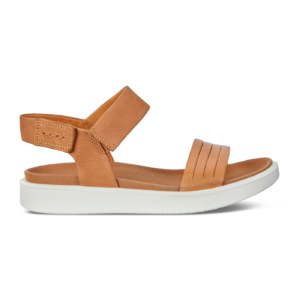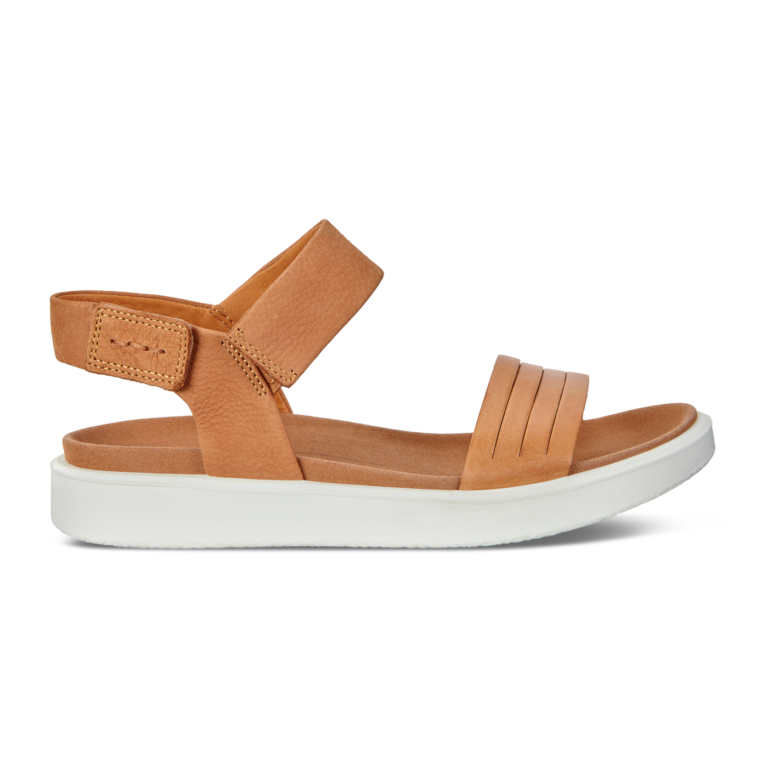
Podiatrists recommend sandals with firm support, cushioned soles, secure straps, and enough room for natural toe movement.
Knowing what sandals do podiatrists recommend can help you avoid heel pain, blisters, arch strain, and tired feet. The best pair is not always the softest or most stylish. It should support your foot, fit your shape, and match the way you walk. This guide explains the key features experts look for, the best sandal types for common foot problems, and the mistakes worth avoiding.
What sandals do podiatrists recommend?
Podiatrists usually recommend sandals that protect the foot while allowing it to move naturally. A good sandal should act like a stable platform, not a flat piece of rubber that bends in every direction.
When considering what sandals do podiatrists recommend, look for these core features:
• Firm arch support that matches your foot without pressing painfully
• A cushioned footbed that reduces impact on hard surfaces
• A stiff or semi-stiff sole that does not fold in half
• Adjustable straps to hold the heel and midfoot securely
• A wide toe box that lets the toes spread naturally
• A low, stable heel with little difference between the front and back
• Breathable materials that reduce heat and skin irritation
A sandal does not need to feel hard to be supportive. It should feel stable under your foot, much like a well-built walking trail. Excessive softness may feel pleasant at first, but it can allow your foot to roll inward or work harder with every step.
The American Podiatric Medical Association evaluates footwear features such as support, fit, and construction. Still, no single sandal works for every person. A model that feels excellent for someone with flat feet may feel too rigid for someone with a high arch.
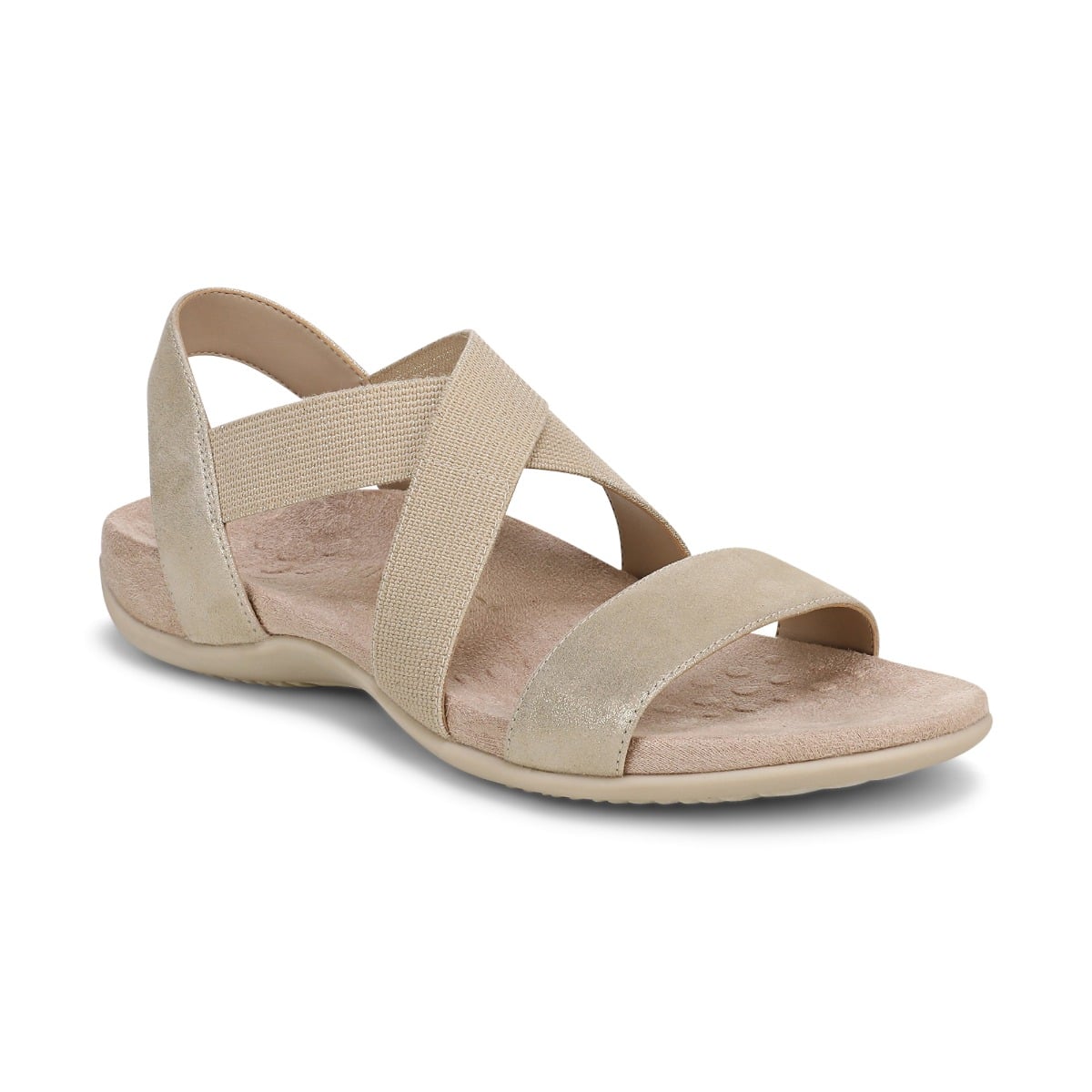
Key features to look for in supportive sandals
Understanding what sandals do podiatrists recommend becomes easier when you know how each feature affects your feet.
Arch support
Arch support helps spread pressure across the foot. It may also reduce strain on the plantar fascia, a strong band of tissue that runs along the bottom of the foot.
The support should sit under your natural arch. If it pushes into the wrong place, it may cause soreness instead of relief. People with flat feet often prefer a broader, less aggressive arch shape, while people with high arches may need more structured support and cushioning.
Heel stability
A secure heel helps prevent your foot from sliding forward. Sandals with a back strap or a deep heel cup often provide better control than slip-on styles.
A stable heel can also reduce gripping with the toes. When a sandal slips, many people curl their toes to keep it in place. Over time, this may contribute to fatigue, cramps, and pain in the front of the foot.
Sole flexibility
The sole should bend near the toes, not through the middle of the arch. Try twisting the sandal gently. If it wrings out like a towel, it may not offer enough support.
However, a completely rigid sole is not ideal for everyone. A little flex can make walking more natural. The goal is controlled flexibility, not a floppy sole.
Toe box width
Your toes need space to spread during walking. A narrow front can squeeze the big toe and increase pressure on bunions, hammertoes, and thickened nails.
The toe box should be wide enough for your toes without allowing your foot to slide from side to side. There should usually be about a thumb’s width of space beyond the longest toe.
Cushioning and shock absorption
Cushioning can reduce the feel of hard pavement, tile, and concrete. This matters if you walk often or stand for long hours.
More cushioning is not always better. Very soft foam may compress quickly and provide less stability. Look for cushioning paired with a supportive base.
Secure straps
Adjustable straps help you create a better fit. They are especially helpful when your feet swell during the day.
Avoid sandals that stay on only because you grip them with your toes. A front strap, midfoot strap, and heel strap can create a more secure fit than a single loose band.

Best sandal types for different foot needs
The answer to what sandals do podiatrists recommend depends partly on your foot shape, activity level, and medical history.
Sandals for plantar fasciitis
People with plantar fasciitis often benefit from sandals with:
• A supportive arch
• A cushioned heel
• A firm midsole
• A deep heel cup
• Secure straps
Walking barefoot on hard floors may worsen morning heel pain for some people. Supportive sandals can provide a bridge between barefoot walking and full athletic shoes.
Avoid flat flip-flops with thin soles. They offer little support and may increase strain on the plantar fascia when worn for long periods.
Sandals for flat feet
Flat feet may cause the arch to lower when you stand or walk. Some people have no symptoms, while others develop foot, ankle, knee, or hip discomfort.
Look for a sandal with a broad arch support and a stable sole. Motion-control features may help if your foot rolls inward sharply, but overly rigid support can feel uncomfortable.
A podiatrist can assess whether your flat feet need treatment. Foot shape alone does not always predict pain.
Sandals for high arches
High arches often place extra pressure on the heel and ball of the foot. These feet may benefit from shock absorption and a contoured footbed.
Choose sandals with:
• Soft but stable cushioning
• A supportive heel cup
• A footbed that spreads pressure evenly
• Adjustable straps across the midfoot
Avoid very hard, flat soles. They may increase pressure in areas that already carry too much load.
Sandals for bunions
People with bunions should avoid straps that cross directly over the bump. Pressure in that area can cause rubbing, redness, and pain.
A sandal with a soft, adjustable upper and a wide toe area is often more comfortable. Some people prefer two or more straps because they can loosen the area near the big toe.
Sandals cannot reverse a bunion. They can only reduce pressure and improve comfort. Persistent pain, swelling, or difficulty walking deserves a professional evaluation.
Sandals for diabetes
People with diabetes need to take foot protection seriously. Reduced sensation can make it hard to notice a blister, cut, or pressure spot.
Many people with diabetes should choose closed, protective footwear instead of open sandals, especially outdoors. If a health professional approves sandals, choose a secure design with a smooth interior and no rough seams.
Check your feet every day. Stop wearing the sandals if you notice redness, broken skin, swelling, or a hot spot that does not fade.
Sandals for older adults
Older adults may benefit from sandals with excellent traction, a heel strap, and a wide, stable base. These features may help reduce slipping and improve confidence.
Avoid loose slides and high wedges if balance is a concern. A sandal that looks easy to wear may become risky if it slides on wet floors or catches on uneven ground.

Are orthopedic sandals worth it?
Orthopedic sandals can be helpful because they often include a contoured footbed, heel support, and a stable sole. Still, the term “orthopedic” does not guarantee that a sandal will fit your foot or solve your pain.
When deciding what sandals do podiatrists recommend, focus on measurable features rather than marketing words. Check the shape, adjustability, sole strength, and comfort while walking.
A quality sandal should feel supportive from the first few minutes. It may need a short break-in period, but it should not cause sharp pain, numbness, or rubbing.
Keep in mind that sandals cannot treat every foot condition. Persistent pain may come from nerve irritation, arthritis, tendon problems, a stress injury, or another issue that footwear alone cannot correct.
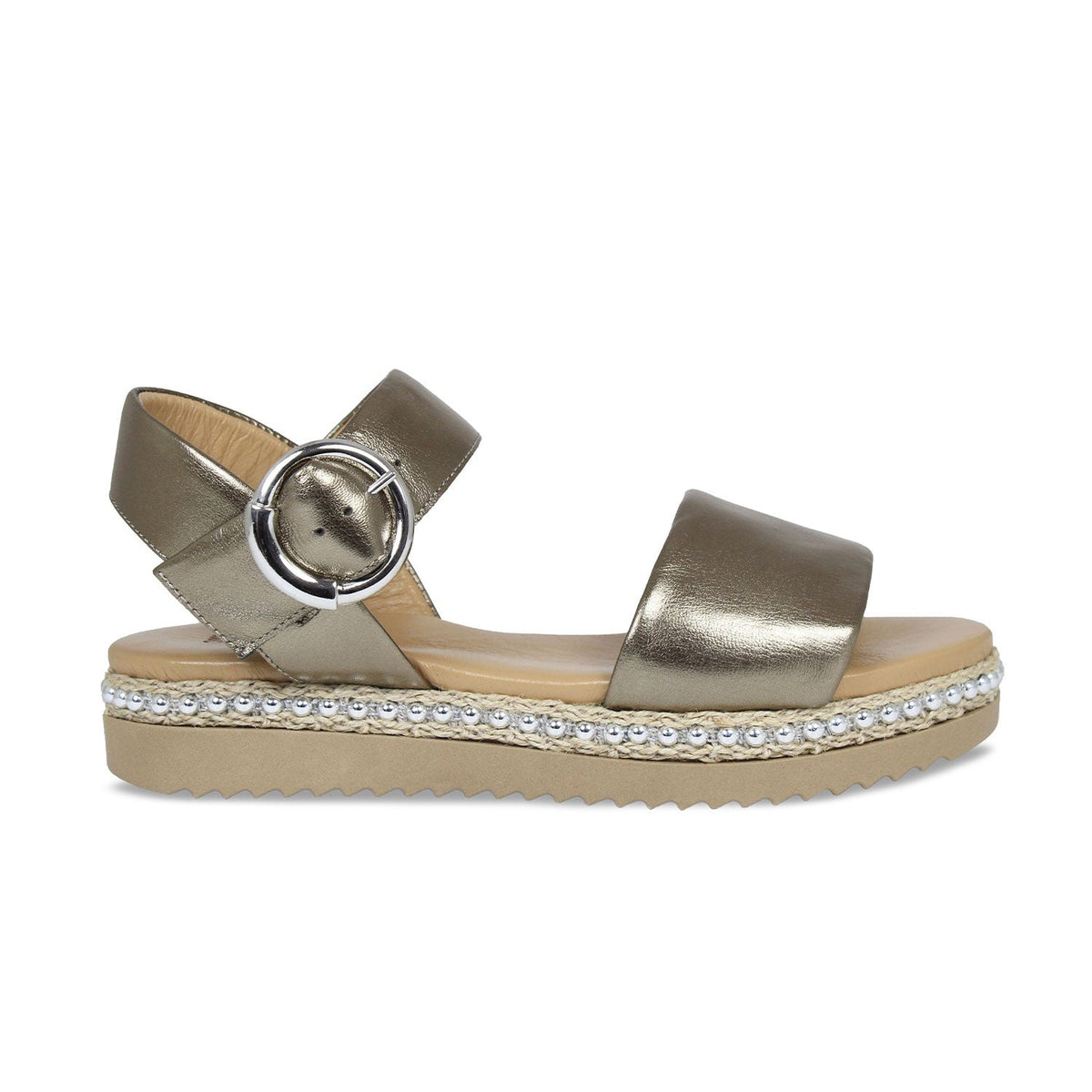
Sandals podiatrists commonly discourage
Some sandals are fine for a quick trip but poor choices for long walks. This difference matters more than many shoppers realize.
Podiatrists often advise limiting:
• Thin flip-flops with no arch support
• Backless slides that make you grip with your toes
• High-heeled sandals that shift weight onto the forefoot
• Narrow styles that squeeze the toes
• Flat sandals with a sole that folds easily
• Heavy sandals that change your natural walking pattern
Flip-flops are not automatically dangerous. They may work for a short walk near a pool or locker room. They become a problem when people wear them all day, drive long distances in them, or use them for sightseeing.
High heels can increase pressure on the ball of the foot and reduce stability. Wedges may feel steadier than narrow heels, but a tall wedge can still create balance and pressure concerns.
One common mistake is choosing fashion first and support second. I have seen many people buy a sandal because it feels soft in the store, then discover that the lack of structure causes foot fatigue after a full day. Comfort at minute five does not always predict comfort at hour five.

How to test sandals before buying
Use this simple fitting process to judge what sandals do podiatrists recommend for your needs.
-
Shop later in the day. Feet often swell after hours of standing and walking.
-
Wear the socks or inserts you plan to use with the sandals.
-
Stand and walk on a firm surface. Notice whether your heel stays in place.
-
Check your toes. They should not hang over the edge or touch the front.
-
Bend the sole near the toe area. It should not collapse beneath the arch.
-
Adjust every strap. The sandal should feel secure without leaving deep marks.
-
Walk for several minutes. Watch for rubbing, slipping, pinching, or toe gripping.
-
Inspect your feet after wearing the sandals at home. Red marks that remain may signal pressure.
Do not assume that sandals will “stretch into comfort.” Leather may soften, but a poor shape will not become a good shape. Return any pair that causes pain during normal walking.
A useful real-life test is to wear new sandals at home for 30 to 60 minutes before taking them on vacation. This can reveal problems before you are miles from your hotel.
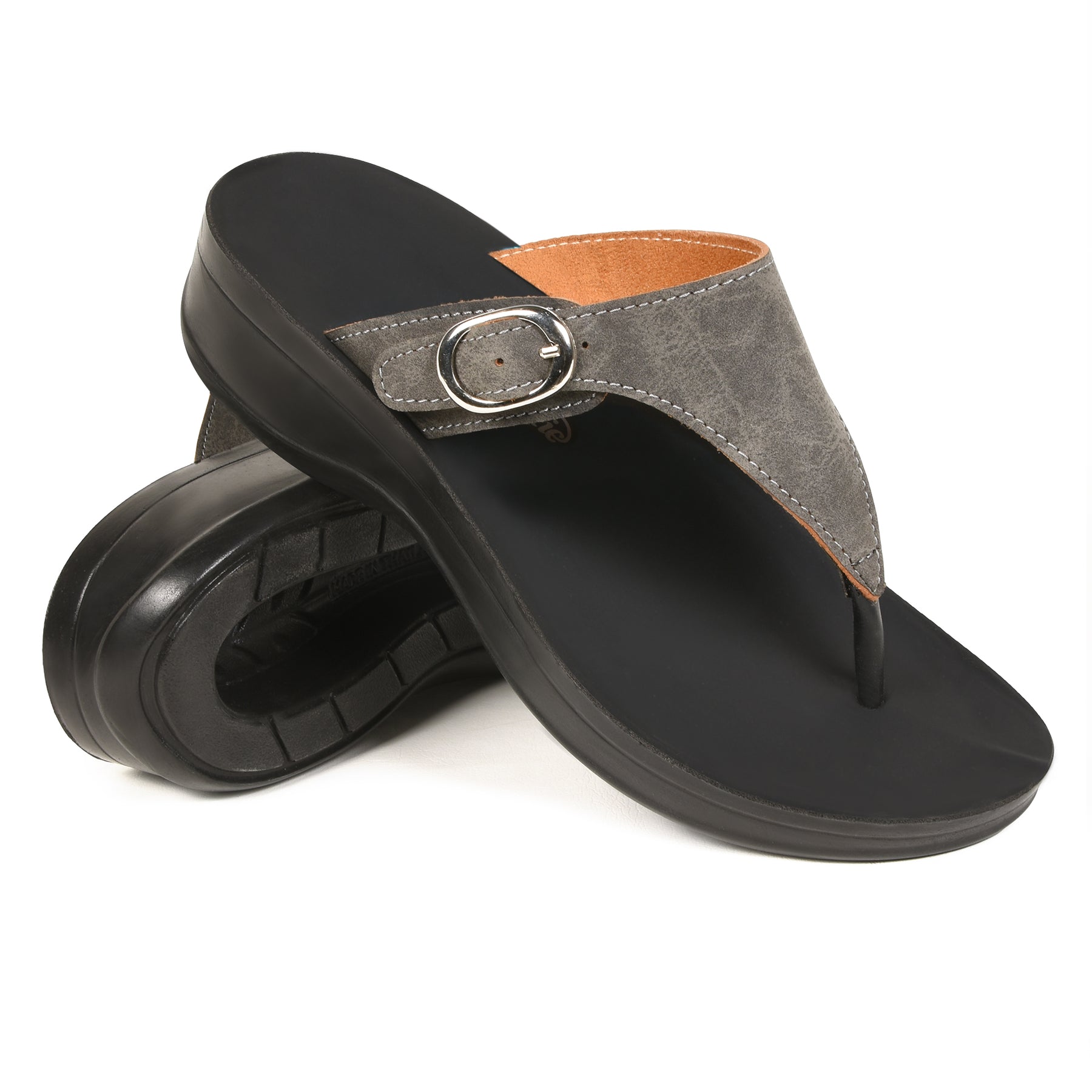
How to break in supportive sandals safely
Even supportive sandals may need time to feel natural. Start with short periods of wear.
Try this gradual plan:
• Wear them indoors for 20 to 30 minutes.
• Check your skin for red spots or blisters.
• Increase use by 15 to 30 minutes if your feet feel well.
• Avoid long walks until the straps and footbed feel comfortable.
• Keep another pair of familiar shoes nearby.
Do not push through sharp pain. Mild awareness of a new arch shape can be normal, but burning, tingling, numbness, or joint pain is a warning sign.
People with diabetes, nerve problems, poor circulation, or a history of foot ulcers should ask a health professional before breaking in new sandals.

When sandals are not enough
Supportive footwear can help many minor aches, but it is not a complete treatment plan. See a podiatrist or another qualified clinician if you have:
• Severe or worsening pain
• Swelling that does not improve
• Numbness or burning
• A wound, ulcer, or skin color change
• Pain after an injury
• Trouble bearing weight
• Repeated ankle instability
A clinician may check your walking pattern, joint movement, muscle strength, and foot alignment. They may also recommend exercises, physical therapy, custom orthotics, or medical treatment.
Research on foot orthoses suggests that support may help some forms of foot pain, but results vary. The best choice depends on the condition, the individual, and how consistently the footwear is used.
There is also a limit to online advice. A sandal recommendation cannot replace an examination, especially when pain is new, severe, or linked to a medical condition.
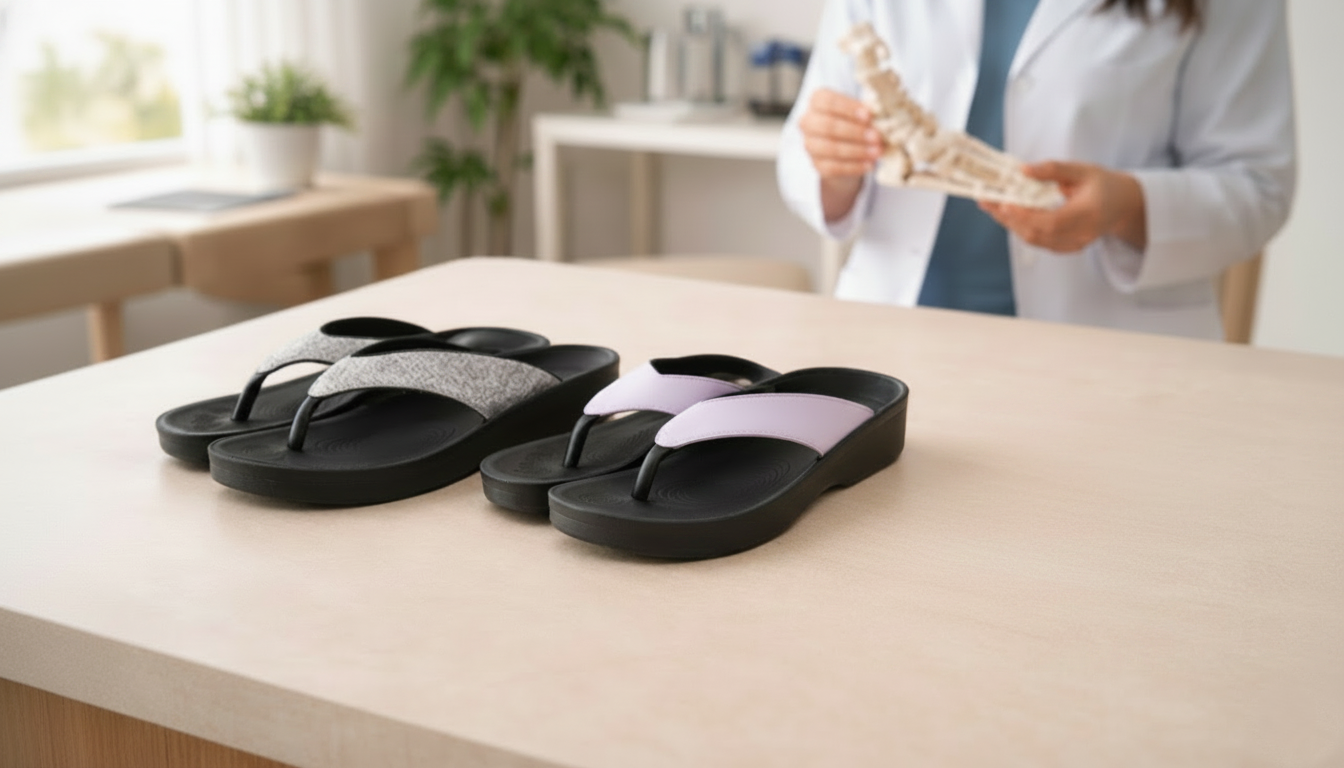
Frequently asked questions about what sandals do podiatrists recommend
What sandals do podiatrists recommend for walking?
Podiatrists often recommend walking sandals with a firm footbed, arch support, a cushioned sole, and secure straps. Choose a pair that stays on without toe gripping and has enough room for your toes.
Are Birkenstock-style sandals good for your feet?
Contoured sandals with a firm footbed may support some feet well. They are not suitable for everyone, so check that the arch shape, width, and strap placement feel comfortable during walking.
Are flip-flops bad for your feet?
Flip-flops are usually best for short-term use, such as at a pool or beach shower. Thin, flat styles may cause fatigue and strain when worn for long walks or extended standing.
What sandals are best for plantar fasciitis?
Look for a sandal with arch support, heel cushioning, a stable midsole, and a secure fit. Avoid very flat, flexible sandals and do not walk long distances in a pair that causes heel pain.
Should sandals have arch support?
Many people benefit from some arch support, especially during long periods of walking or standing. The support should match your foot and feel comfortable rather than create a hard pressure point.
Can supportive sandals prevent foot pain?
Supportive sandals may reduce stress and improve comfort, but they cannot prevent every cause of foot pain. Proper fit, gradual increases in activity, strength exercises, and medical care also matter.
How often should you replace sandals?
Replace sandals when the tread is worn, the sole leans to one side, the footbed is compressed, or the straps no longer hold your foot securely. The exact lifespan depends on materials, use, body weight, and walking conditions.
Conclusion
The best answer to what sandals do podiatrists recommend is simple: choose support, stability, room, and a secure fit over appearance alone. Look for a sandal with a firm but comfortable footbed, useful cushioning, adjustable straps, a wide toe box, and a sole that bends in the right place.
Use flip-flops and loose slides for short periods, not as your main walking shoes. Test new sandals slowly, check your feet for pressure spots, and seek professional care when pain continues.
Your feet carry you through every workday, walk, trip, and family outing. Give them footwear that respects their shape. Compare supportive sandals carefully, and share your own fitting tips or questions in the comments.

Madison Clark is a footwear expert and the voice behind MyStyleGrid.com. She specializes in honest shoe reviews, style tips, and practical guides to help readers find the perfect pair for any occasion. With years of experience in blogging and content creation, Madison makes footwear knowledge simple, stylish, and easy to follow.