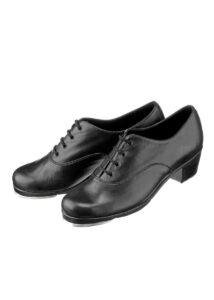
You can buy tap shoes at dance stores, online retailers, studio shops, and trusted resale marketplaces.
Knowing where can i buy tap shoes is only the first step. The best pair must fit well, suit your dance level, and match your class or performance needs. This guide explains the safest places to shop, how to compare options, and what experienced dancers check before paying.

Where can I buy tap shoes locally?
A local dancewear store is often the best place to start, especially if you are buying tap shoes for a child or a first class. You can try several sizes, compare brands, and ask staff about fit, heel height, sound, and support.
Search for dance stores, theater supply shops, or specialty shoe stores in your area. Many stores also work with nearby dance studios and understand the needs of ballet, jazz, musical theater, and tap students.
When asking where can i buy tap shoes near you, check these options:
• Local dancewear stores with fitting services
• Dance studios that sell required class shoes
• Performing arts stores
• Large dance competition vendors
• Children’s shoe stores with dance sections
Call before visiting. Stock can change by season, and some stores carry only basic black tap shoes. If you need tan, white, character, split-sole, or adult performance shoes, ask whether the store can order them.
A local fitting can prevent a common mistake: buying the same size as your street shoes. Tap shoes often fit more closely, but they should never pinch the toes or crush the toenails.
Where can I buy tap shoes online?
Online shopping gives you more choices and often makes it easier to compare prices. It is useful when local stores do not carry your size, color, or preferred brand.
You can look at established dance retailers, manufacturer websites, large online shoe stores, and major marketplaces. Reliable listings should include clear photos, a size chart, material details, return rules, and customer reviews.
When deciding where can i buy tap shoes online, look for:
• A detailed brand-specific size chart
• A clear return or exchange policy
• Reviews that discuss fit and comfort
• Photos of the sole, heel, and toe plate
• Secure payment options
• Seller contact details
• Realistic shipping times
Do not choose a pair based on price alone. Very cheap tap shoes may use stiff materials, weak stitching, or poorly attached metal plates. That does not mean every inexpensive pair is poor, but the listing should provide enough detail to judge its quality.
Read reviews with care. One dancer may love a narrow shoe, while another needs a wide toe box. Focus on repeated comments about sizing, comfort, durability, and sound.
Best places to buy tap shoes
Each shopping source has strengths and limits. The right choice depends on your experience, budget, deadline, and need for professional advice.
Dancewear stores
Dancewear stores usually offer the best balance of selection and expert help. Staff may know the difference between beginner shoes, student shoes, character tap shoes, and performance models.
This is especially helpful for young dancers. Children’s feet grow fast, so a staff member can help you find a secure fit without buying a shoe that is too large.
Dance studios
some studios sell tap shoes or work with a preferred vendor. This can be convenient because the teacher may recommend a style that works well for class.
Ask whether the studio has a dress code. Some teachers require a specific color, sole design, or brand for recitals and group performances.
Brand websites
Manufacturer websites are useful when you already know the model and size. They often provide complete product details and may offer colors or widths that smaller stores do not keep in stock.
The limitation is that you cannot test the fit before ordering. Check the brand’s return policy before buying.
Online dance retailers
Specialty dance websites often have a broad selection of tap shoes. They may sort products by age, skill level, width, color, and price.
This is usually a safer online option than buying from an unknown seller because the product information is more focused on dancers. Still, confirm the store’s return process.
Resale marketplaces
Used tap shoes can be a good choice for children, beginners, or short-term classes. Look for clean shoes with secure plates and little wear on the heel or sole.
Avoid used shoes with:
• Loose or missing screws
• Cracks in the sole
• Heavy wear on the toe plate
• Bent metal plates
• Torn lining
• Strong moisture or chemical odors
• A collapsed heel
Used shoes can save money, but they may not provide the same support or hygiene as new shoes. They also may have molded to another dancer’s foot.
How to choose the right tap shoes
Tap shoes are not just regular shoes with metal plates. Their shape, sole, heel, and plate design affect comfort, balance, movement, and sound.
Choose the correct style
Common tap shoe styles include:
• Lace-up tap shoes: These offer a secure fit and are common for classes and performances.
• Slip-on tap shoes: These are quick to wear and may work well for younger dancers, but they must fit securely.
• Mary Jane tap shoes: These have a strap and are popular with children and beginner dancers.
• Character tap shoes: These often have a low heel and a classic look for musical theater or stage work.
• Split-sole tap shoes: These allow more flexibility and are often chosen by experienced dancers.
A beginner usually benefits from a stable shoe with good support. Advanced dancers may prefer a lighter or more flexible style, but comfort should still come first.
Check the fit
Your heel should stay in place when you walk. Your toes should lie flat, and you should be able to move them slightly.
A tap shoe should feel snug without causing pain. Do not buy a shoe that is much too large so a child can “grow into it.” Extra space can cause sliding, poor balance, and blisters.
Try the shoes with the socks or tights you plan to wear in class. Walk, bend your knees, and make a few gentle sounds on an approved surface.
Consider width
Width matters as much as length. A narrow shoe can create pressure near the little toe, while a wide shoe may allow too much movement.
Look for brands that offer narrow, medium, wide, or extra-wide options. If your foot feels squeezed even after trying a larger size, you may need a wider model rather than a longer one.
Inspect the plates
Tap plates should sit flat and feel secure. Look closely at the screws and edges.
A plate that rattles, shifts, or catches on the floor may need repair. New dancers should ask a teacher or experienced fitter to inspect the shoes before regular use.
How much do tap shoes cost?
Tap shoe prices vary by brand, materials, design, and skill level. Basic children’s and beginner shoes often cost less than advanced performance shoes.
A general price guide in the United States looks like this:
• Budget beginner shoes: about $25 to $60
• Mid-range student shoes: about $60 to $120
• Premium or professional shoes: about $120 to $250 or more
Prices can change during sales, recital seasons, and back-to-school periods. Shipping, taxes, fitting fees, and shoe repairs may also affect the final cost.
If you are asking where can i buy tap shoes at a low price, consider end-of-season sales, studio fundraisers, clearance sections, and gently used pairs. Make sure the savings do not come from poor fit or damaged plates.
A slightly more expensive shoe can be the better value if it lasts longer and prevents discomfort. However, beginners do not always need professional shoes. Ask the teacher what level is suitable before spending more.
New versus used tap shoes
New shoes offer clean interiors, fresh cushioning, and a better chance of finding the right size. They are often the safest option for dancers who train several times each week.
Used shoes may work well for a short class, a growing child, or a limited budget. The key is condition.
Before buying used tap shoes, check:
-
The inner lining for tears or deep wear.
-
The heel for cracks or movement.
-
The sole for separation.
-
The metal plates for missing screws.
-
The toe area for severe scraping.
-
The fit while standing and walking.
Do not buy used shoes that feel loose in the heel or painful across the toes. A low price cannot fix an unsafe fit.
One practical lesson I often share with dancers is to inspect the plates before admiring the color or brand. A beautiful shoe is not a good purchase if the plate is loose.
Mistakes to avoid when buying tap shoes
Many first-time buyers focus on appearance. Tap shoes may look similar online, but small design differences can affect comfort and control.
Avoid these common mistakes:
• Buying without measuring your feet
• Assuming your street-shoe size will match
• Choosing a shoe that is too large
• Ignoring width
• Buying a professional model for a beginner without advice
• Skipping the return policy
• Selecting a pair only because it is cheap
• Wearing new shoes on rough outdoor pavement
• Forgetting class color or uniform rules
• Waiting until the day before a recital
It is also wise to avoid practicing loud taps on hard floors at home. This can damage flooring and disturb neighbors. Use a tap board, dance floor, or approved practice surface when possible.
Tap shoes need a short break-in period. Wear them for brief sessions indoors before using them for a long class or performance.
How to order tap shoes online
Online shopping becomes easier when you follow a clear process.
-
Ask the teacher about the required style, color, and level.
-
Measure both feet at the end of the day.
-
Compare your measurements with the brand’s chart.
-
Read reviews about width, heel security, and comfort.
-
Confirm the seller’s exchange window.
-
Order early enough to test the shoes.
-
Try them indoors on a clean, safe surface.
-
Keep the packaging until you know the fit is correct.
Trace both feet on paper while standing. Measure from the longest toe to the heel, then measure the widest part of the foot. Use the larger foot when comparing sizes.
If one foot is slightly larger, choose a fit that keeps the larger foot comfortable. A thin insole or heel grip may help with a small difference, but it should not be used to hide a badly oversized shoe.
Where can i buy tap shoes for kids?
Parents can usually find children’s tap shoes at dancewear stores, studio shops, online dance retailers, and some department-store websites. Local fitting is helpful because children may not describe pressure or slipping clearly.
Children’s tap shoes should stay secure during jumps, steps, and quick changes. Check the strap, laces, heel, and toe space before each class.
For fast-growing feet, avoid buying several sizes too large. A little room is normal, but too much space can cause trips and unstable movement. Ask the instructor how much growing room is acceptable for the class.
A child may also need a different shoe after moving from beginner steps to more advanced work. Teachers can often explain when a sturdier or more flexible model makes sense.
Caring for tap shoes after purchase
Good care can extend the life of tap shoes and protect their sound.
• Let shoes air out after class.
• Store them in a breathable bag.
• Keep them dry and away from direct heat.
• Wipe dirt from the upper with a suitable cloth.
• Check screws and plates often.
• Do not wear tap shoes outside.
• Keep each shoe with its matching pair.
• Ask a qualified repair shop to replace loose plates.
Do not soak leather or synthetic tap shoes unless the manufacturer allows it. Water can damage adhesives, warp materials, and cause the metal plates to loosen.
If a plate begins to rattle, stop using the shoes until they are checked. A small repair may prevent a larger problem.
Frequently Asked Questions About Where Can I Buy Tap Shoes
Where can I buy tap shoes for a beginner?
You can buy tap shoes from a local dancewear store, a dance studio, or a reputable online dance retailer. A stable lace-up or strap style is often a practical choice for beginners.
Where can I buy tap shoes near me?
Search online for dancewear stores, performing arts shops, and dance studio vendors in your area. Call first to confirm that the store carries your size and required color.
Can I buy tap shoes from a regular shoe store?
Some regular shoe stores carry basic tap shoes, but their selection and fitting help may be limited. A dancewear store is usually better for comparing widths, styles, and plate designs.
Is it safe to buy used tap shoes?
Used tap shoes can be safe if the sole, heel, lining, and metal plates are in good condition. Avoid pairs with loose plates, cracks, severe wear, or a poor fit.
Should tap shoes fit tight or loose?
Tap shoes should fit snugly without pain. Your heel should stay secure, and your toes should have enough room to move without sliding inside the shoe.
How much should I spend on tap shoes?
Many beginner pairs cost about $25 to $60, while mid-range and professional models cost more. Choose based on fit, class requirements, and durability rather than price alone.
Can I return tap shoes after trying them?
Many sellers allow returns if the shoes are tried indoors and remain clean. Always read the return policy before ordering, especially when buying online.
Conclusion
The best answer to where can i buy tap shoes depends on your location, budget, dance level, and need for fitting help. Local dance stores and studio shops offer personal guidance, while reputable online retailers provide more sizes and styles.
Focus on fit, width, plate security, return policies, and class requirements. Whether you choose new or used shoes, inspect them carefully and test them indoors before your first lesson. Start by checking a trusted dancewear store or comparing a few reliable online options today.
Rubel Miah is the Senior Editor at MyStyleGrid.com, where he brings a sharp editorial eye and an unshakable love for fashion to everything he does. A true style addict, Rubel lives and breathes trends, from streetwear to high fashion, and has a knack for turning inspiration into impactful stories. With years of experience in fashion journalism and digital media, he curates content that empowers readers to express themselves through style. When he’s not editing features or forecasting the next big thing, you’ll find him hunting down vintage pieces or capturing street style moments around the city.