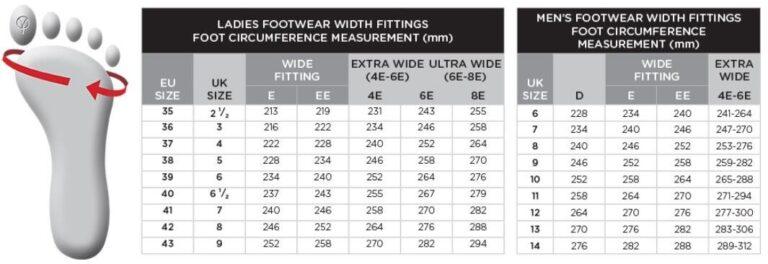
In U.S. shoe sizing, wide usually means a D width for women and an E or 2E width for men.
Knowing what shoe size is wide can save your feet from pressure, blisters, numbness, and pain. Shoe width is not the same as shoe length, and the letter system can change by brand. This guide explains width labels, fit clues, measuring steps, and smart shopping tips so you can choose a comfortable pair with confidence.
What Does “Wide” Mean in Shoe Size?
A wide shoe has more space across the ball of the foot, the toes, and sometimes the heel. It does not mean the shoe is longer. For example, a women’s 8W is usually the same length as a women’s 8B, but it has more room from side to side.
In the United States, shoe widths use letters. The letter usually appears after the shoe size, such as 9D, 8W, or 10EE. However, brands do not always use the same labels, so the width chart for each brand matters.
Here is a general guide to common U.S. width labels:
| Width label | Women’s shoes | Men’s shoes | General meaning |
|---|---|---|---|
| AA or 2A | Extra narrow | Rarely used | Very slim fit |
| A | Narrow | Narrow in some brands | Narrow fit |
| B | Standard | Narrow | Regular women’s width |
| D | Wide | Standard | Wide for women, regular for men |
| 2E or EE | Extra wide | Wide | Extra room |
| 4E | Very extra wide | Extra wide | Much more room |
| 6E | Specialized extra wide | Very extra wide | Specialty fit |
These labels are general, not universal. A D-width women’s shoe is often wide, while a D-width men’s shoe is usually standard. This difference is one of the main reasons shoppers feel confused when searching for what shoe size is wide.
What Shoe Size Is Wide for Women?
For most women’s shoes in the United States, a wide size is marked W or D. Some brands write the width as “wide,” while others use “D.” A women’s 8W and 8D often describe a wide version of the same length.
Women’s shoe widths commonly follow this pattern:
• B means standard width.
• D means wide.
• 2E or EE means extra wide.
• 4E may mean an even wider specialty fit.
A woman who normally wears a size 8B may need an 8D if her toes feel squeezed or the sides of her feet bulge over the sole. She may need an 8EE if the 8D still creates pressure.
Keep in mind that some women’s brands use W instead of D. Others list only “regular,” “wide,” and “extra wide.” Always check the brand’s own chart before ordering online.
When people ask what shoe size is wide for women, the simplest answer is usually D or W. Still, the best fit depends on foot shape, shoe design, and the materials used.
What Shoe Size Is Wide for Men?
For most men’s shoes, D is the standard or medium width. A wide men’s shoe is often marked 2E or EE. Some brands use W for wide, but 2E is a very common label.
Men’s shoe widths often follow this pattern:
• B means narrow.
• D means standard or medium.
• 2E or EE means wide.
• 4E means extra wide.
• 6E may be made for very broad feet.
For example, a man who wears a 10D may try a 10EE when the shoe feels tight across the forefoot. If the 10EE still feels restrictive, a 10 4E may provide better comfort.
This system explains why the question “what shoe size is wide?” cannot be answered by length alone. A men’s size 10 is not automatically wide. The width letter is what tells you how much space the shoe provides.

How Shoe Width Letters Work
Shoe width letters show how broad the shoe is at key points. These points include the ball of the foot, the toe box, and sometimes the heel. The exact measurement can differ between brands and shoe types.
A width label is best understood as a range, not a fixed measurement. One brand’s 2E may feel similar to another brand’s 4E. Running shoes, work boots, dress shoes, and sandals can also fit very differently.
The most common confusion comes from the letter D:
• In women’s shoes, D often means wide.
• In men’s shoes, D usually means standard.
• In some unisex shoes, the brand may use a separate chart.
Width can also change with the shape of the shoe. A pointed dress shoe may feel narrow even when it carries a wide label. A soft running shoe may feel roomy because its upper stretches.
A wide size should give your foot room to spread naturally. It should not let your heel slide or allow your foot to move from side to side.
Signs You May Need Wide Shoes
Your feet often tell you when a shoe is too narrow. Pain is not a normal part of breaking in a shoe, especially when the pain comes from constant side pressure.
You may need a wide shoe if:
• Your toes feel squeezed together.
• The sides of your feet bulge over the sole.
• You see red marks after removing your shoes.
• You develop blisters on the sides of your feet.
• Your little toe rubs against the upper.
• Your toenails feel sore after walking.
• Your feet go numb or tingle.
• The shoe feels tight even when the length is correct.
• You loosen the laces as far as possible but still feel pressure.
A shoe can also be too narrow if your forefoot feels trapped while your heel fits well. In that case, going up in length may create new problems. A longer shoe can cause heel slipping, toe impact, and poor balance.
One practical lesson I often share is simple: do not judge fit by the first few seconds in the store. Walk, bend, and stand for several minutes. Feet spread during the day, so a shoe that feels “just right” in the morning may feel tight later.
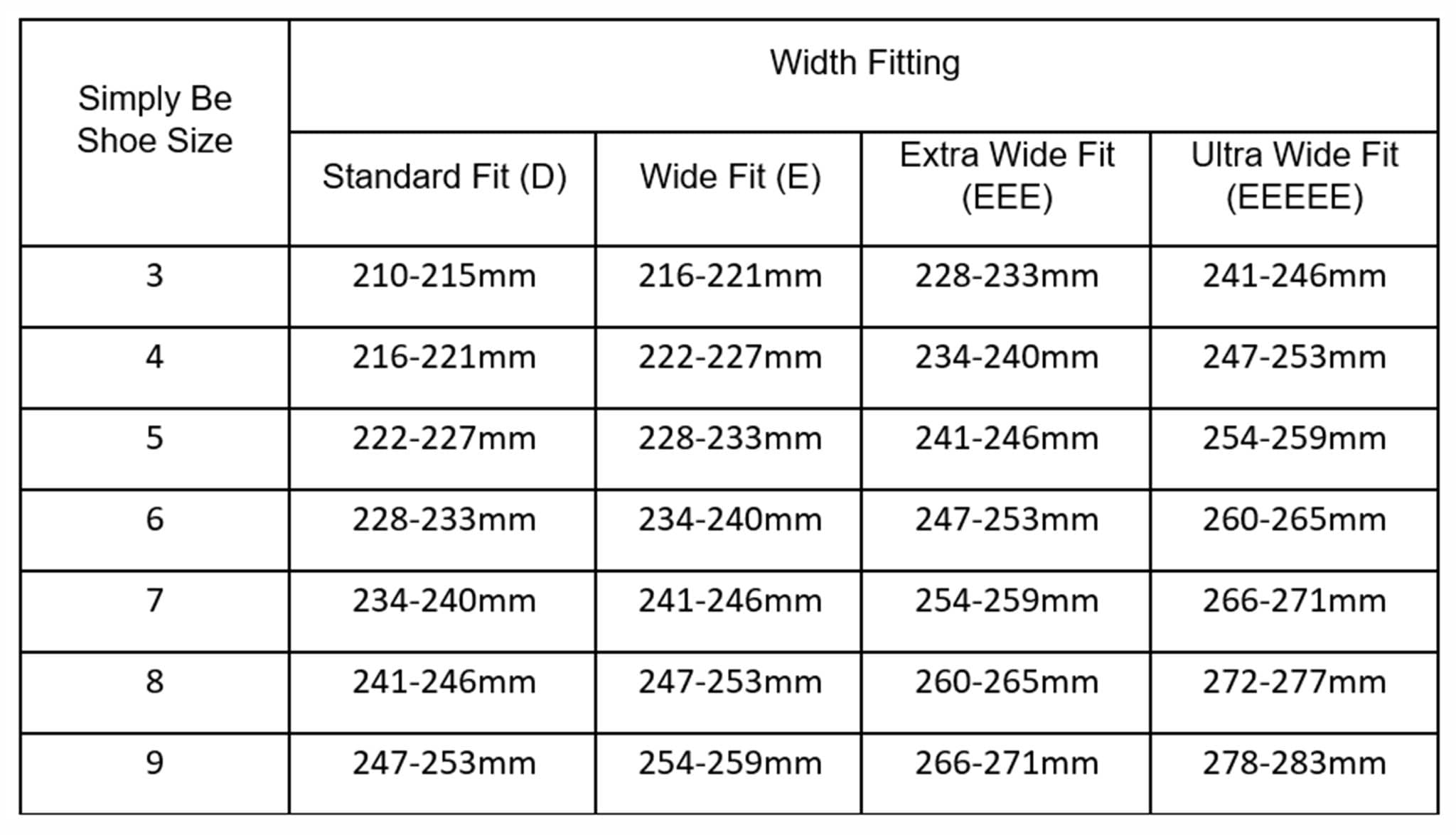
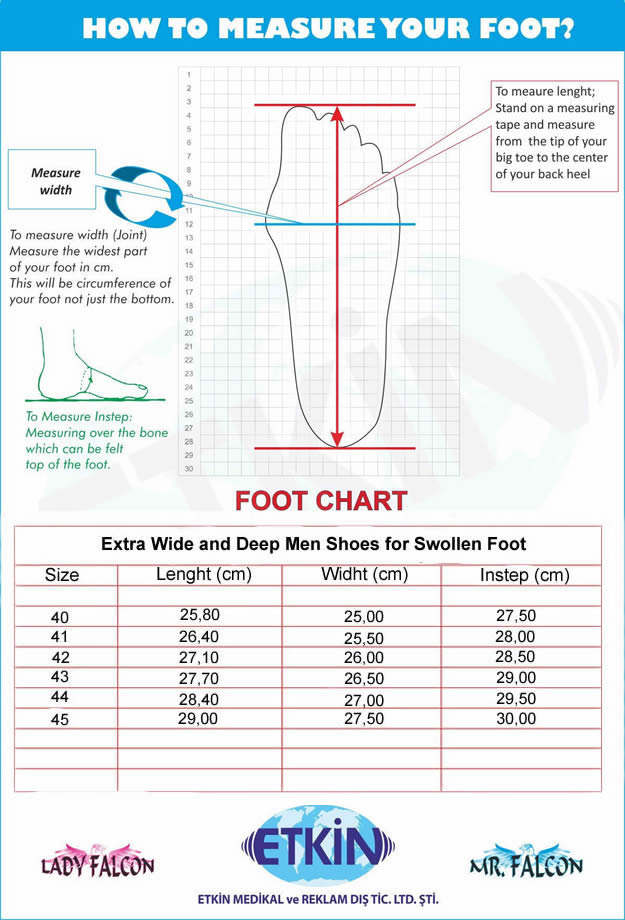
How to Measure Your Foot Width at Home
Measuring both feet can give you a useful starting point. It will not replace a professional fitting, but it can help you compare your foot with a brand’s size chart.
Follow these steps:
-
Place a sheet of paper on a hard floor.
-
Wear the socks you plan to use with the shoes.
-
Stand with one foot on the paper.
-
Trace around the foot while holding the pencil straight up.
-
Mark the widest points near the ball of the foot.
-
Measure the distance between those points.
-
Repeat the process for the other foot.
-
Compare the longer foot and wider foot with the brand’s chart.
Measure near the end of the day. Feet can swell after walking and standing, so an evening measurement often gives a more realistic result.
Do not pull the tape tightly around your foot. Tight pressure can make your foot appear narrower than it is. Also, measure both feet because many people have one foot that is slightly longer or wider.
If one foot is wider, choose a shoe that fits the larger foot. You can use an insole or heel grip to improve the fit on the smaller foot.
Wide Shoes Versus Extra-Wide Shoes
Wide and extra-wide shoes are not the same. A wide shoe gives more room than a standard shoe, while an extra-wide shoe adds even more space across the forefoot and sometimes the heel.
A common progression looks like this:
• Standard: B for women or D for men.
• Wide: D for women or 2E for men.
• Extra wide: 2E or 4E for women, and 4E for men.
• Very extra wide: 6E or a specialty width.
The labels can vary. A shoe marked “extra wide” may be 2E from one company and 4E from another. This is why the exact letter and measurement are more helpful than the words alone.
You may need extra-wide shoes if wide shoes still leave deep marks, cause side pain, or make your foot spill over the outsole. People with swelling, bunions, hammertoes, or naturally broad feet may benefit from this added room.
More width is not always better. If your foot moves too much inside the shoe, you may develop rubbing and poor stability. The goal is a secure fit with enough room, not the widest possible shoe.
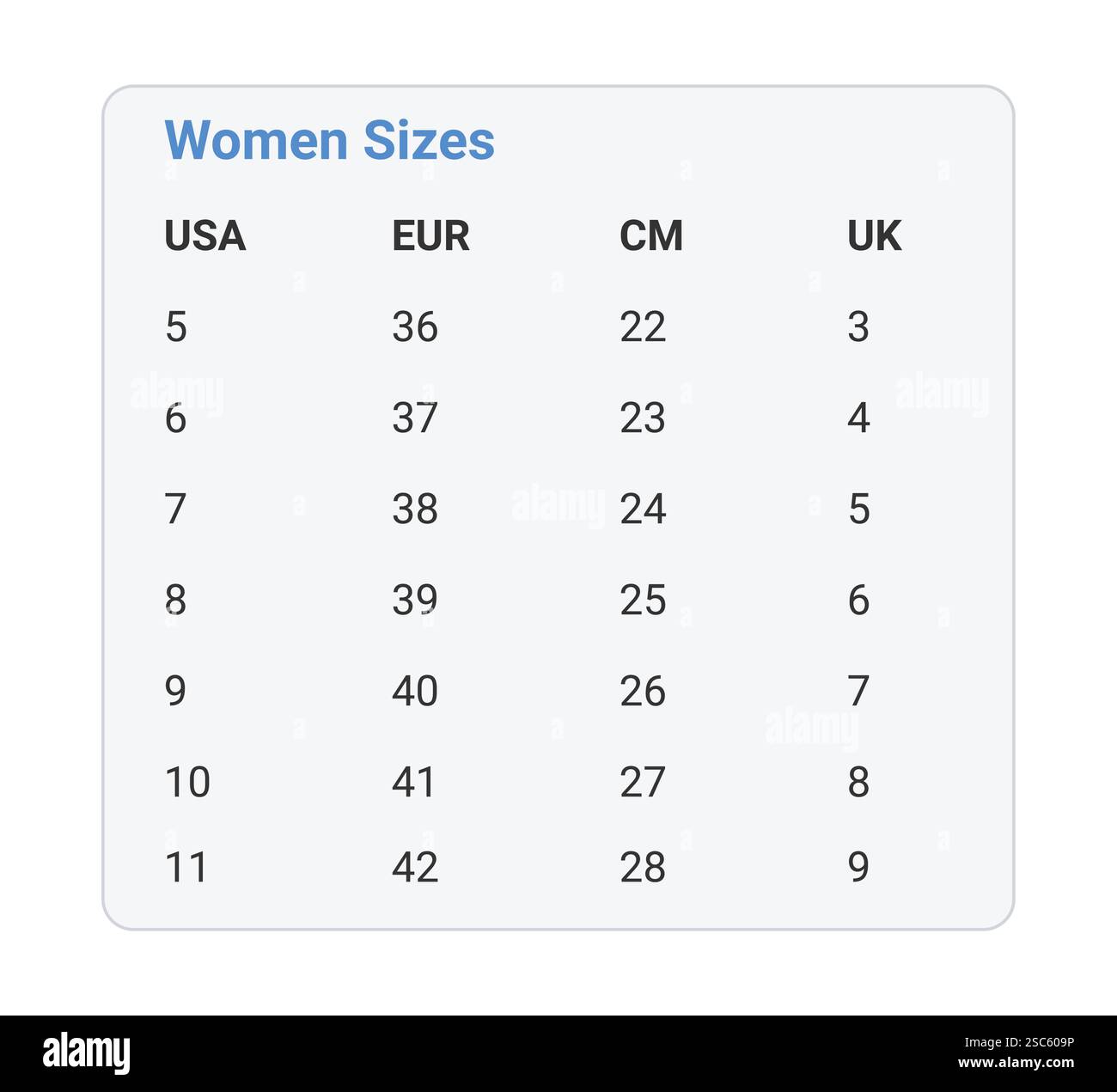
How Shoe Shape Affects Width
Two shoes with the same width label can feel very different. The toe shape, upper material, sole design, and heel structure all affect comfort.
A round or square toe box usually gives your toes more usable space than a pointed toe box. A shoe can have a wide midfoot but a narrow toe box, which may still cause discomfort.
Look for these design features:
• A rounded toe box for natural toe movement.
• Stretch mesh or soft leather across the forefoot.
• Adjustable laces, straps, or buckles.
• A wide outsole that supports the full foot.
• A removable insole for custom orthotics.
• A firm heel counter that reduces unwanted movement.
Avoid judging width by the outside appearance alone. Some shoes look broad but have thick padding inside. Others look slim but use flexible materials that provide more room.
A useful fitting rule is to leave about a thumb’s width between your longest toe and the front of the shoe. Your toes should also be able to wiggle without touching the top or sides.
Choosing Wide Shoes for Different Activities
The best wide shoe depends on how you use it. A walking shoe, hiking boot, work shoe, and dress shoe place different demands on your feet.
Walking and running shoes
Running shoes often offer wide and extra-wide versions. Look for a secure heel, a roomy toe box, and enough space for your foot to swell during activity.
Do not buy a longer shoe just to gain width. A correct wide size usually gives better control and reduces sliding.
Work boots
Work boots should leave room for work socks and natural swelling. A cramped toe box can become especially painful after long hours on hard floors.
Check that your toes do not touch the safety cap. If you use orthotics, test the boots with them before making a final choice.
Dress shoes
Dress shoes often run narrow because of their pointed shape. Choose a rounded or almond-shaped toe when possible, and consider adjustable straps for a better hold.
Soft leather may relax slightly, but it should not be expected to fix severe pressure. Stretching cannot add unlimited width or change a poor shape.
Sandals
Sandals should support the whole foot. Your heel and toes should stay within the sole, and the straps should not cut into swollen areas.
Adjustable sandals can be helpful because foot size may change during hot weather or long walks.

Common Mistakes When Buying Wide Shoes
Many fit problems come from choosing the wrong solution. Avoid these common mistakes:
• Going up in length instead of choosing a wider width.
• Assuming every D width means the same thing.
• Measuring only one foot.
• Shopping late at night without checking the return policy.
• Ignoring toe shape and looking only at the width letter.
• Wearing thin socks when you normally wear thick ones.
• Believing painful shoes will always stretch enough.
• Buying based on size memory instead of current measurements.
I have seen shoppers focus on the number inside the shoe and ignore how the shoe feels during movement. That approach often leads to a size that looks correct on paper but fails in daily use.
Try both shoes and walk on a clean indoor surface. Check the brand’s return rules before removing tags or wearing the shoes outside. Online buyers should order from retailers that provide clear width charts and simple returns.
When to See a Foot Specialist
A wider shoe may solve mild pressure, but ongoing pain deserves attention. Foot problems can have several causes, and width is only one part of the picture.
Consider seeing a podiatrist or qualified foot specialist if you have:
• Persistent foot pain.
• Numbness or burning.
• Repeated blisters or sores.
• A painful bunion or hammertoe.
• Major swelling.
• Diabetes or reduced foot sensation.
• Trouble walking in properly fitted shoes.
People with diabetes should take foot comfort seriously because reduced sensation can hide injury. A specialist can check your feet and recommend suitable footwear or inserts.
A professional fitting may also help if your feet have very different sizes or if standard width labels never work. Some stores use a Brannock-style device to measure length, arch length, and width.
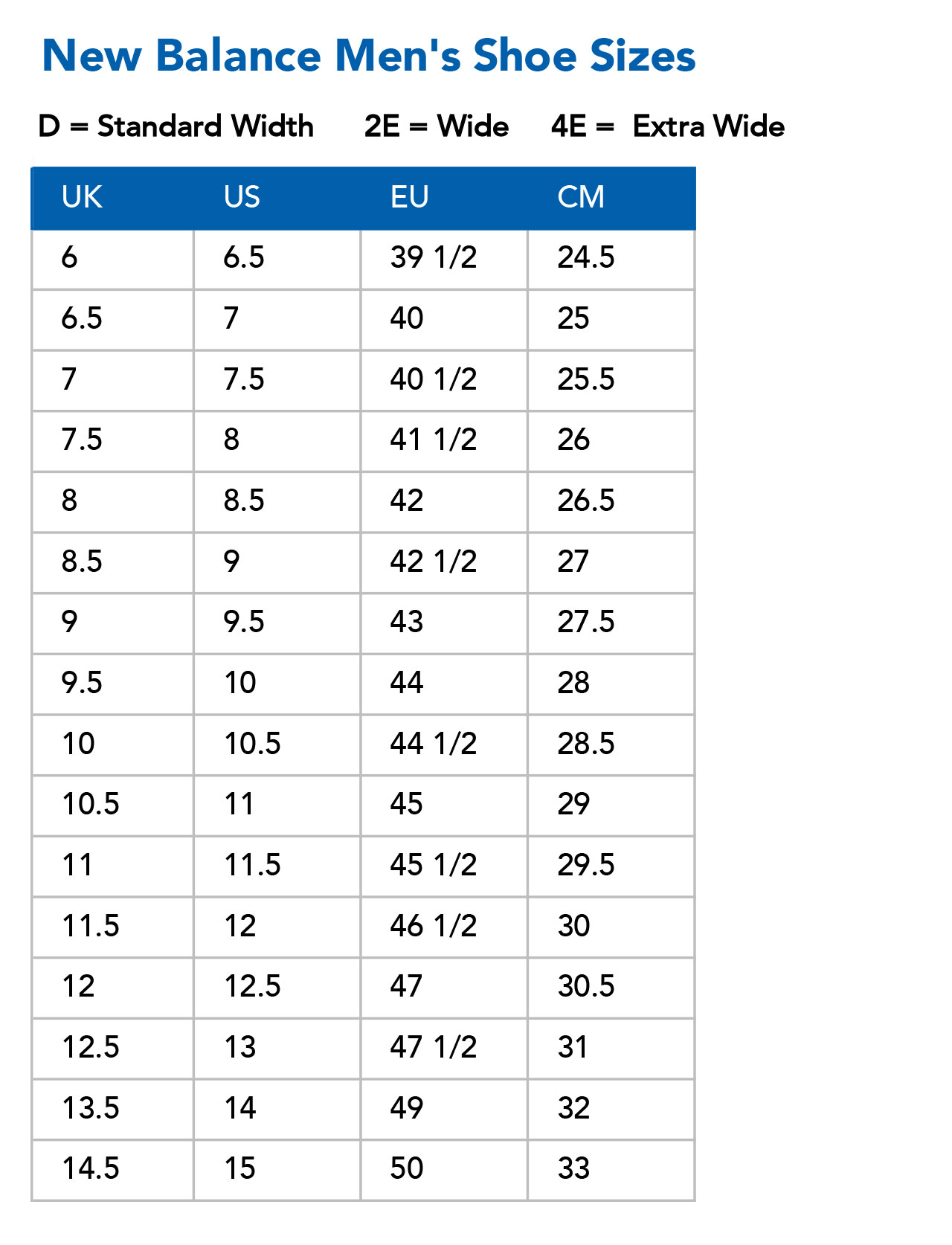
Frequently Asked Questions About What Shoe Size Is Wide
What shoe size is wide for women?
A women’s wide shoe is commonly marked D or W. Extra-wide women’s shoes are often labeled 2E, EE, or 4E, depending on the brand.
What shoe size is wide for men?
A men’s wide shoe is commonly marked 2E or EE. Men’s D width usually means standard, while 4E and 6E provide progressively more room.
Is a wide shoe longer than a regular shoe?
No. A wide shoe usually keeps the same length but adds space across the foot. Choosing a longer shoe to solve a width problem can cause heel slipping and poor control.
How do I know if I need wide shoes?
You may need wide shoes if your toes feel crowded, your foot bulges over the sole, or you see red marks after wearing shoes. Repeated side pain and numbness are also strong warning signs.
Is D considered wide in women’s shoes?
Yes, D commonly means wide in women’s shoes. In men’s shoes, D usually means standard, so always check the brand’s width chart.
Are extra-wide shoes better for swollen feet?
Extra-wide shoes can provide useful room for swelling, but they are not automatically better. Choose a pair that gives space without allowing your heel or foot to slide.
Can wide feet wear regular shoes?
Some people with slightly broad feet can wear regular shoes with a roomy shape and flexible upper. If regular shoes cause pain, pressure, or numbness, a true wide size is usually a better choice.
Conclusion
The answer to what shoe size is wide depends on both the shoe category and the brand. In general, D or W means wide for women, while 2E or EE usually means wide for men. Extra-wide sizes often begin at 2E or 4E, but labels are not fully consistent.
Measure both feet, shop later in the day, and focus on comfort during movement. Choose the width that supports your foot without squeezing your toes or letting your heel slip. Use a brand’s chart, check the return policy, and speak with a foot specialist if pain continues.
Your shoes should support your feet, not force them to adapt. Explore reliable width charts, test your next pair carefully, and share your fitting experience in the comments.

Madison Clark is a footwear expert and the voice behind MyStyleGrid.com. She specializes in honest shoe reviews, style tips, and practical guides to help readers find the perfect pair for any occasion. With years of experience in blogging and content creation, Madison makes footwear knowledge simple, stylish, and easy to follow.