The best sunglasses balance your face shape, fit your features, protect your eyes, and suit your personal style.
Knowing what sunglasses fit my face shape can make shopping much easier. Face shape offers a useful starting point, but it is not a strict rule. Frame width, bridge fit, lens height, comfort, and UV protection matter just as much. This guide combines classic eyewear advice with practical fitting tips, so you can choose frames that look good and feel right in daily life.

How to Find Your Face Shape
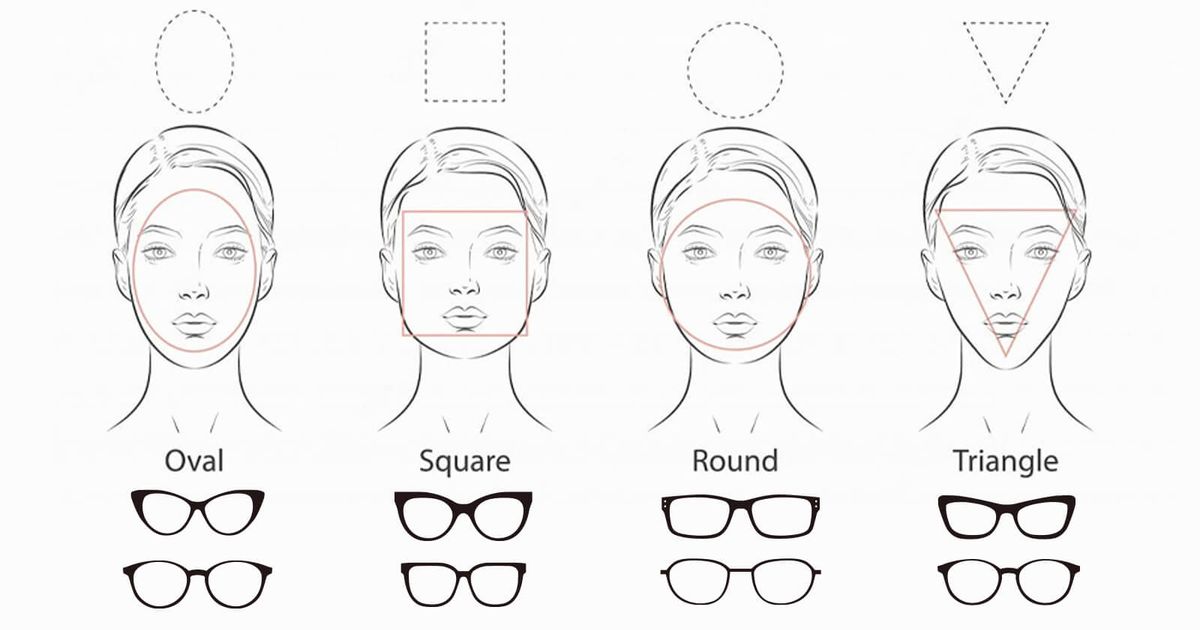
Before asking what sunglasses fit my face shape, identify your main face shape. Most people have a blend of features, so do not worry if your face does not match one perfect category.
Stand in front of a mirror with your hair pulled back. Keep your head straight and look at the widest parts of your forehead, cheekbones, and jaw. Then compare the length of your face with its width.
You can also take a front-facing photo with your phone. Keep the camera at eye level and avoid wide-angle settings, since they can change your proportions.
Look for these common face shapes:
• Oval: The face is longer than it is wide, with balanced features and a softly curved jaw.
• Round: The face has similar length and width, with fuller cheeks and gentle angles.
• Square: The forehead, cheekbones, and jaw have similar widths, with a strong jawline.
• Heart: The forehead is wider, while the chin is narrower or more pointed.
• Diamond: The cheekbones are the widest part, with a narrower forehead and jaw.
• Oblong: The face is noticeably longer than it is wide, often with a longer nose or forehead.
• Triangle: The jaw is wider than the forehead, creating a broader lower face.
Face shape is only one part of the answer. Your nose bridge, eyebrow line, eye spacing, and preferred level of coverage can change which frames look and feel best.
What Sunglasses Fit My Face Shape Best?
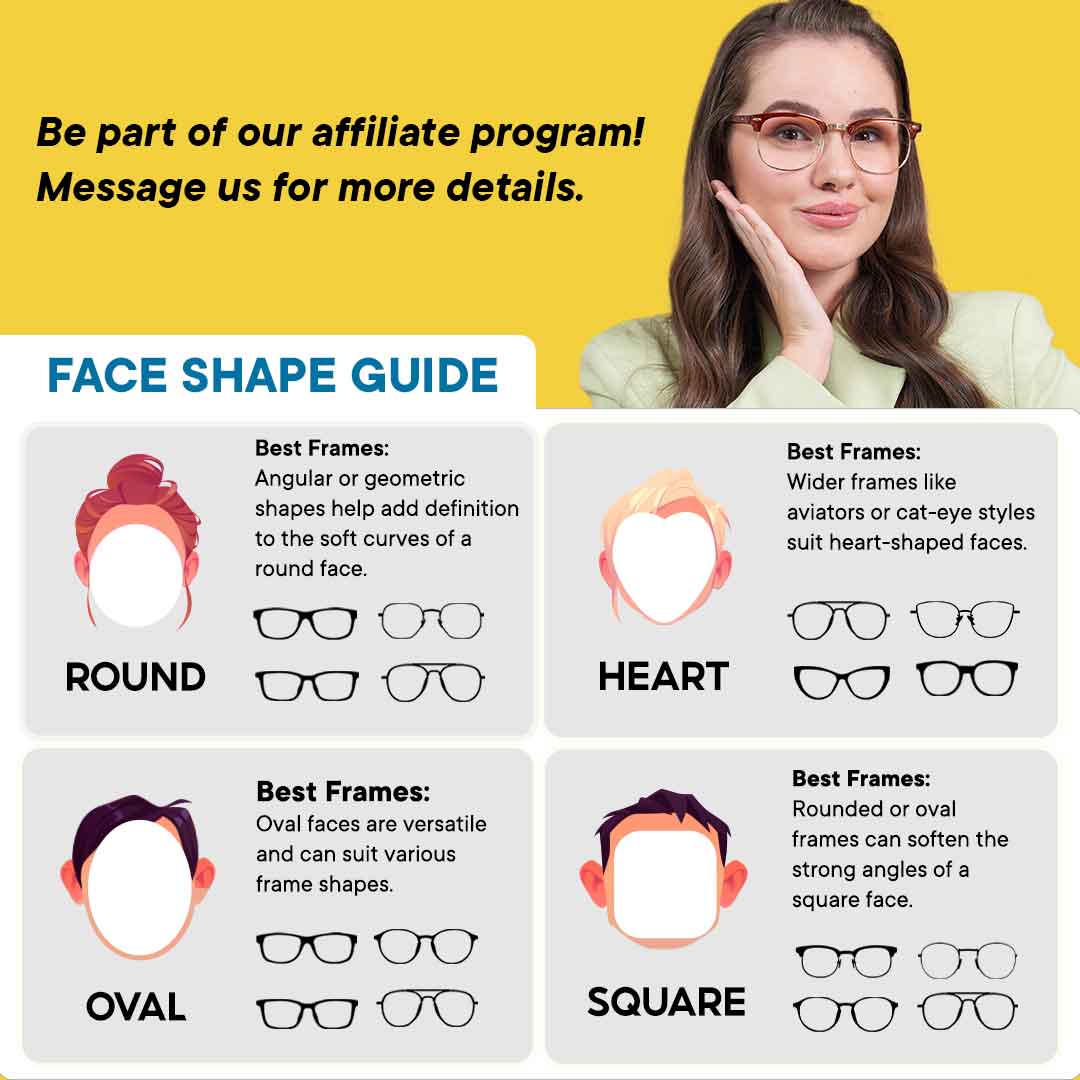
The most useful rule is to create balance. If your face has soft curves, angular frames can add structure. If your face has strong angles, rounded frames can soften the overall look.
Still, these are guidelines rather than laws. A frame may look excellent on you even if it does not follow the traditional matching rule. Your best choice should feel comfortable and reflect your taste.
Sunglasses for an Oval Face
An oval face usually works with many frame styles because its proportions are balanced. The goal is to keep that balance without choosing frames that are too narrow or too oversized.
Good options include:
• Wayfarer frames
• Square frames
• Rounded frames
• Browline styles
Choose frames that are at least as wide as the broadest part of your face. Very small frames may make the face look longer, while extra-large frames can hide your features.
If you have an oval face and want a classic look, medium-size rectangular frames are a safe choice. If you want a softer look, try round lenses with a slim metal frame.
Sunglasses for a Round Face
If you have a round face, look for frames that add length and definition. Square, rectangular, and slightly upswept frames often work well.
Good options include:
• Rectangular frames
• Square frames
• Cat-eye sunglasses
• Browline sunglasses
• Geometric frames
Avoid very narrow frames if they make your face look wider. Perfectly round frames can also emphasize facial roundness, although they may still work if you prefer a playful or vintage style.
A frame with a higher lens and a clear top line can make the face appear longer. Darker colors and sharper corners may add extra structure.
Sunglasses for a Square Face
A square face often has a broad forehead, strong cheekbones, and a defined jaw. Rounded or curved frames can soften those angles.
Good options include:
• Round sunglasses
• Oval sunglasses
• Aviator styles
• Soft cat-eye frames
• Rimless or thin-rim frames
Avoid frames that are very boxy if you do not want to emphasize your jaw. That said, square sunglasses can create a bold, modern appearance when the frame size is correct.
A useful test is to compare the frame corners with your jawline. If both have the same sharp shape, the look will be strong. If the frame has curved edges, the result will appear gentler.
Sunglasses for a Heart-Shaped Face
A heart-shaped face is usually wider at the forehead and narrower at the chin. The right frames can balance the upper and lower parts of the face.
Good options include:
• Light-colored frames
• Round sunglasses
• Oval sunglasses
• Thin aviator styles
• Bottom-heavy frames
Avoid very thick or oversized frames that add more weight to the forehead. A frame with a wider lower edge can draw attention toward the chin and create visual balance.
Cat-eye frames can work well, but choose a moderate upsweep rather than an extreme top-heavy shape. Soft colors, clear acetate, and thin metal can also keep the look balanced.
Sunglasses for a Diamond Face
A diamond face often has prominent cheekbones, a narrower forehead, and a narrow jaw. Curved frames can soften the cheek area, while browline styles can add width near the forehead.
Good options include:
• Oval frames
• Cat-eye sunglasses
• Browline frames
• Rimless sunglasses
• Soft rectangular frames
Avoid frames that are much wider than your cheekbones. They may overpower the center of your face and feel less balanced.
If you want to highlight your cheekbones, choose a frame with a clean, simple shape. If you want to soften them, use rounded lenses and a lighter frame color.
Sunglasses for an Oblong Face
An oblong face is longer than it is wide. Taller lenses and decorative details can add visual width and make the proportions look more balanced.
Good options include:
• Oversized sunglasses
• Tall square frames
• Wayfarer sunglasses
• Aviator styles
• Frames with a strong brow line
Avoid very narrow frames with short lenses. They can make the face appear even longer.
A deep lens gives the eye more vertical coverage and can create a balanced appearance. Do not confuse large lenses with a poor fit, though. Oversized frames should still stay secure without sliding down your nose.
Sunglasses for a Triangle Face
A triangle face is wider around the jaw and narrower at the forehead. Frames with a stronger upper edge can draw attention upward.
Good options include:
• Browline sunglasses
• Cat-eye frames
• Aviator sunglasses
• Frames with a bold top rim
• Light or rimless styles around the lower edge
Avoid heavy frames that add extra visual weight to the jaw. A strong top line can help create balance between the forehead and lower face.
How to Choose Sunglasses by Frame Fit
Even if you know what sunglasses fit my face shape, the frame must fit your measurements. A stylish frame will not look good for long if it pinches your temples, slips down, or blocks your vision.
Check these details when trying on sunglasses:
• Frame width: The outer edges should sit close to the sides of your face without pressing your temples.
• Bridge fit: The bridge should rest securely on your nose. It should not leave deep marks or slide when you look down.
• Lens position: Your eyes should sit near the center of each lens.
• Temple length: The arms should reach your ears without bending too sharply or leaving a large gap.
• Eyebrow placement: Your eyebrows may sit slightly above the frame, but they should not be completely hidden by very tall lenses unless that is your chosen style.
• Cheek clearance: The lenses should not touch your cheeks when you smile.
• Frame stability: The sunglasses should stay in place when you turn your head or walk.
One simple fitting trick is to smile, look down, and shake your head gently. If the frames move a lot, they may need adjustment or a different size.
Most eyewear shops can adjust acetate and metal frames. A small bridge or temple adjustment can turn an almost-right pair into a comfortable pair.

How Sunglass Size Affects Your Face
Frame size can change the appearance of your face as much as frame shape. A small frame may make the face look larger, while an oversized frame can make facial features look smaller.
Many sunglasses include three numbers printed on the inside of the temple. They usually represent lens width, bridge width, and temple length, such as 52 18 140. These numbers help you compare a new pair with sunglasses you already own.
Use these measurements as a guide, not a guarantee. Two frames with the same numbers may fit differently because of lens depth, bridge design, frame curve, and material.
For a balanced fit:
• Choose a frame close to the width of your face.
• Keep the pupils near the center of the lenses.
• Avoid frames that touch your eyelashes.
• Make sure the temples do not press behind your ears.
• Check that the frame does not slide when you sweat or move.
People with a low nose bridge may prefer adjustable nose pads or frames designed with a lower bridge. People with a high nose bridge may need a different bridge shape to prevent the lenses from sitting too close to the face.

Lens Color, Material, and UV Protection
The best answer to what sunglasses fit my face shape also includes lens function. Sunglasses are not only a fashion item. They protect the eyes from bright light and ultraviolet radiation.
Look for sunglasses labeled 100% UV protection or UV400. These labels indicate protection against both UVA and UVB rays. Dark lenses without UV protection can be risky because they reduce visible light while allowing harmful ultraviolet rays to reach the eyes.
Lens color affects visual comfort, but it does not prove UV protection. Gray lenses usually keep colors fairly natural. Brown lenses can increase contrast in some conditions. Green lenses may reduce glare while preserving color balance.
Polarized lenses reduce glare from reflective surfaces such as water, roads, snow, and car hoods. They can be helpful for driving, boating, fishing, and outdoor sports. However, polarization does not automatically mean better UV protection, so check for both features.
Common lens materials include:
• Glass: Very clear and scratch resistant, but heavier and more likely to break.
• Polycarbonate: Light and impact resistant, making it useful for sports and active use.
• High-index plastic: Thin and light, often used for prescription sunglasses.
• Standard plastic: Affordable and easy to produce, but it may scratch more easily.
No lens can replace good eye care. If you have light sensitivity, migraines, an eye condition, or a recent eye procedure, ask an eye care professional which lens features suit you.

How to Match Sunglasses With Your Style
Face shape helps narrow the choices, but personal style finishes the decision. Think about where you will wear the sunglasses and what message you want them to send.
Classic black frames work well with many outfits. Tortoiseshell adds warmth and texture. Clear frames look light and modern. Metal frames can create a clean, refined appearance.
Consider these style pairings:
• Casual clothing: Try Wayfarer, round, or simple rectangular frames.
• Professional clothing: Choose slim metal frames, browline styles, or muted acetate.
• Active clothing: Look for wraparound coverage, secure temples, and impact-resistant lenses.
• Vintage clothing: Consider cat-eye, round, or softly tinted lenses.
• Minimalist clothing: Choose rimless, clear, or thin-frame sunglasses.
Your skin tone and hair color may also guide frame color. Warm brown, gold, olive, and tortoiseshell shades often complement warm undertones. Silver, black, gray, and blue may suit cool undertones. These are style ideas, not strict rules.
The best pair is often the one you enjoy wearing. If you feel natural in the frames, they will become part of your look instead of an accessory you leave in a drawer.

Common Sunglass Shopping Mistakes
Many people focus only on the mirror. Comfort and protection deserve equal attention.
Here are common mistakes to avoid:
• Choosing a frame because it is trendy, even when it slips or pinches.
• Buying dark lenses without confirming UV protection.
• Selecting frames that are too narrow for the cheekbones.
• Ignoring lens height and choosing lenses that leave too much exposed area.
• Assuming a high price always means better eye protection.
• Forgetting to check whether the lenses distort straight lines.
• Buying online without comparing frame measurements.
• Choosing a very heavy frame for long outdoor use.
A useful lesson from helping people compare eyewear is that the first pair they love visually is not always the pair they wear most. Comfort often wins after a full day. Try to keep sunglasses on for several minutes before buying, and move your face as you would in real life.
If you buy online, measure a pair you already like. Check the retailer’s return policy and look for clear information about UV protection, lens material, and frame dimensions.
A Simple Method for Choosing Your Best Pair
Use this five-step process the next time you shop.
-
Identify your general face shape.
-
Choose two or three frame shapes that create balance.
-
Compare the frame width with the width of your face.
-
Check bridge comfort, eye position, cheek clearance, and temple pressure.
-
Confirm UV protection before making the purchase.
Take a front photo and a side photo while wearing the frames. Mirrors can be helpful, but photos show how the sunglasses look from a normal viewing distance.
Try several colors and sizes. A frame that seems too bold on a display stand may look balanced on your face. A frame that looks small in your hand may disappear when worn.
Do not rush the decision. The right sunglasses should protect your eyes, stay secure, and make you want to wear them often.
Frequently Asked Questions About What Sunglasses Fit My Face Shape
What sunglasses fit my face shape if I have an oval face?
Oval faces suit many frame shapes, including square, rectangular, round, aviator, and Wayfarer styles. Choose a frame that is close to the width of your face and does not overwhelm your balanced features.
What sunglasses fit my face shape if I have a round face?
Square, rectangular, cat-eye, and geometric frames can add definition to a round face. Look for frames with clear angles and enough height to create a longer appearance.
Can I wear sunglasses made for a different face shape?
Yes. Face shape guides your choice, but it does not limit your style. Focus on frame width, comfort, eye position, and the overall balance of the design.
Should sunglasses cover my eyebrows?
There is no universal rule. Many frames sit below or across the eyebrow line, while oversized styles may cover part of the brows; the key is that the frame does not block your vision or feel too large.
Are polarized sunglasses better for my eyes?
Polarized lenses reduce glare from roads, water, and other reflective surfaces. They do not automatically provide UV protection, so confirm that the sunglasses also block 100% of UVA and UVB rays.
How do I know if my sunglasses are too wide?
The frame should not extend far beyond your face or slide when you move. If the temples point outward, the frame feels loose, or the lenses sit far from your eyes, try a smaller size.
What sunglasses fit my face shape if I wear prescription lenses?
Prescription sunglasses can be made in many frame shapes, but lens thickness, prescription strength, and frame size matter. An optician can help select a frame that supports your prescription and sits correctly on your face.
Conclusion
Finding what sunglasses fit my face shape starts with identifying your proportions, but the final choice depends on fit, comfort, protection, and style. Round faces often benefit from angular frames, square faces can suit curved designs, and balanced faces can wear many shapes. Heart, diamond, oblong, and triangle faces each have frame options that create visual balance.
Choose sunglasses with 100% UV protection, check the measurements, and test how the frames feel when you smile, move, and look down. Try a few shapes instead of relying on one rule. Explore different frames, compare their fit, and share your favorite style or question in the comments.

Rubel Miah is the Senior Editor at MyStyleGrid.com, where he brings a sharp editorial eye and an unshakable love for fashion to everything he does. A true style addict, Rubel lives and breathes trends, from streetwear to high fashion, and has a knack for turning inspiration into impactful stories. With years of experience in fashion journalism and digital media, he curates content that empowers readers to express themselves through style. When he’s not editing features or forecasting the next big thing, you’ll find him hunting down vintage pieces or capturing street style moments around the city.