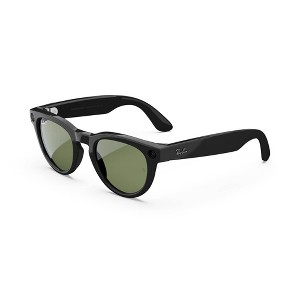
Yes, some Ray-Ban Meta glasses are polarized, but polarization depends on the lens option you choose.
Ray-Ban Meta smart glasses combine a camera, speakers, microphones, and hands-free controls with classic Ray-Ban frames. However, not every pair includes polarized lenses. This guide explains how to check, what polarization does, which users benefit most, and what to know before buying.

Are Ray-Ban Meta glasses polarized?
Are Ray-Ban Meta glasses polarized? The answer is sometimes. Ray-Ban Meta glasses can be ordered with polarized sun lenses, but the feature is not included in every model or lens setup.
The main lens choices may include:
• Clear lenses for indoor use and low-light settings
• Sun lenses for bright outdoor conditions
• Polarized sun lenses for reducing reflected glare
• Transition-style lenses that darken in sunlight, depending on availability
Lens choices can vary by frame color, country, prescription needs, and product availability. Always check the exact product page before ordering. A frame that looks like a standard pair of sunglasses may have regular tinted lenses rather than polarized lenses.

What does polarized mean?
Polarized lenses contain a special filter that blocks much of the horizontal light that creates glare. This glare often bounces off flat surfaces such as water, roads, windows, snow, and car hoods.
Think of polarization as a small window blind inside the lens. It allows useful light to pass through while cutting down harsh reflected light. This can make outdoor scenes look calmer and easier to view.
Polarized lenses can help with:
• Driving during bright daytime conditions
• Fishing and boating
• Hiking near water or snow
• Walking on sunny city streets
• Spending long periods outdoors
Polarization is different from tint. A dark lens may reduce overall brightness, but it may not reduce reflected glare. A polarized lens does both when it is properly designed and fitted.

How to tell if Ray-Ban Meta glasses are polarized
The safest way to confirm polarization is to check the exact lens description. Do not rely only on the frame name or the fact that the glasses are sold as sunglasses.
Use these checks before you buy:
-
Read the lens specifications. Look for the word “polarized” in the official product listing.
-
Check the model configuration. The same frame can be sold with clear, tinted, transition, prescription, or polarized lenses.
-
Ask an authorized retailer. A store should be able to confirm the lens type from the product code.
-
Test the lenses after purchase. Hold the glasses in front of an LCD screen and rotate them slowly. A polarized lens may make the screen become darker or nearly black at certain angles.
-
Check the packaging and receipt. Polarized lenses are often listed on the product label or order details.
The screen test is useful, but it is not the best buying method. Some screens and lens coatings behave differently, and a failed test does not always prove that a lens is not polarized. The product specification is more reliable.
Do polarized Ray-Ban Meta glasses block UV rays?
Quality sun lenses should provide strong ultraviolet protection, but polarization alone does not guarantee UV protection. These are two separate features.
Polarization controls glare. UV protection helps block ultraviolet radiation from the sun. A lens can be polarized without offering proper UV protection if it is poorly made or not certified.
When buying Ray-Ban Meta glasses, look for clear information about:
• 100% UVA and UVB protection
• UV400 protection
• Authentic Ray-Ban lens labeling
• An authorized seller
Ray-Ban sunglasses are designed to provide UV protection when purchased through legitimate channels, but counterfeit products may not meet the same standard. If the price looks unusually low, check the seller carefully.
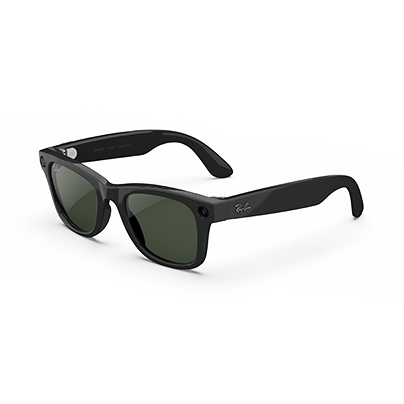
Benefits of polarized Ray-Ban Meta glasses
Polarized Ray-Ban Meta glasses offer the normal smart features of the product along with better comfort in bright, reflective settings. They can be especially useful when you want to capture content or listen to audio without holding a phone.
Reduced glare
The biggest benefit is glare control. Reflections from wet roads, lakes, glass buildings, and car surfaces can feel sharp and tiring. Polarized lenses reduce much of that reflected light.
This does not make the glasses suitable for every lighting condition. Polarized sun lenses can be too dark indoors, in tunnels, or late in the day.
Better visual comfort
Strong glare can cause squinting and eye fatigue. Cutting down that glare may make outdoor walks, road trips, and beach days more comfortable.
Polarization does not improve eyesight or treat an eye condition. It simply filters certain types of light before it reaches your eyes.
Clearer views near water
People who spend time on boats, docks, or beaches often notice the difference quickly. Water reflects a large amount of horizontal light, which is exactly the kind of glare polarized lenses are designed to reduce.
For anglers, polarized lenses may also make it easier to see below the surface in some conditions. Results depend on water clarity, sunlight, and the viewing angle.
A familiar Ray-Ban look
Ray-Ban Meta glasses use well-known frame shapes, including styles inspired by classic Ray-Ban designs. You can get smart features without wearing a visibly technical headset.
That matters in real life. The best wearable device is often the one people feel comfortable wearing for hours.
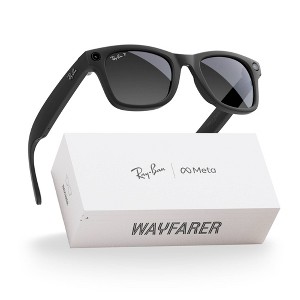
Limitations of polarized Ray-Ban Meta glasses
Polarized lenses are helpful, but they are not perfect. Understanding the limits can prevent disappointment.
They may make screens harder to see
Polarized lenses can darken some LCD screens. This may affect:
• Car dashboards
• Gas station displays
• Smartphones
• ATMs
• Some cameras
Rotating your head or changing the viewing angle often helps. Modern OLED screens may behave differently, so the effect depends on the device.
They are not ideal for every activity
Polarized lenses may not be the best choice for pilots, skiers who need to read snow texture, or people who frequently move between bright and dark spaces. They can also make some reflections that help reveal icy patches less visible.
If you drive, test the glasses in your vehicle during the day. Make sure you can read the dashboard and see road conditions clearly.
They do not replace safety glasses
Ray-Ban Meta glasses are consumer smart glasses, not industrial safety eyewear. They are not designed to protect your eyes from flying debris, chemicals, high heat, or workplace impact hazards.
Use certified protective eyewear when your work or activity requires it.
Lens availability can change
Ray-Ban and Meta may change available lens choices over time. Prescription options, transition lenses, and polarized configurations may not be offered for every frame or in every region.
That is why current product details matter more than an older review or a product photo.
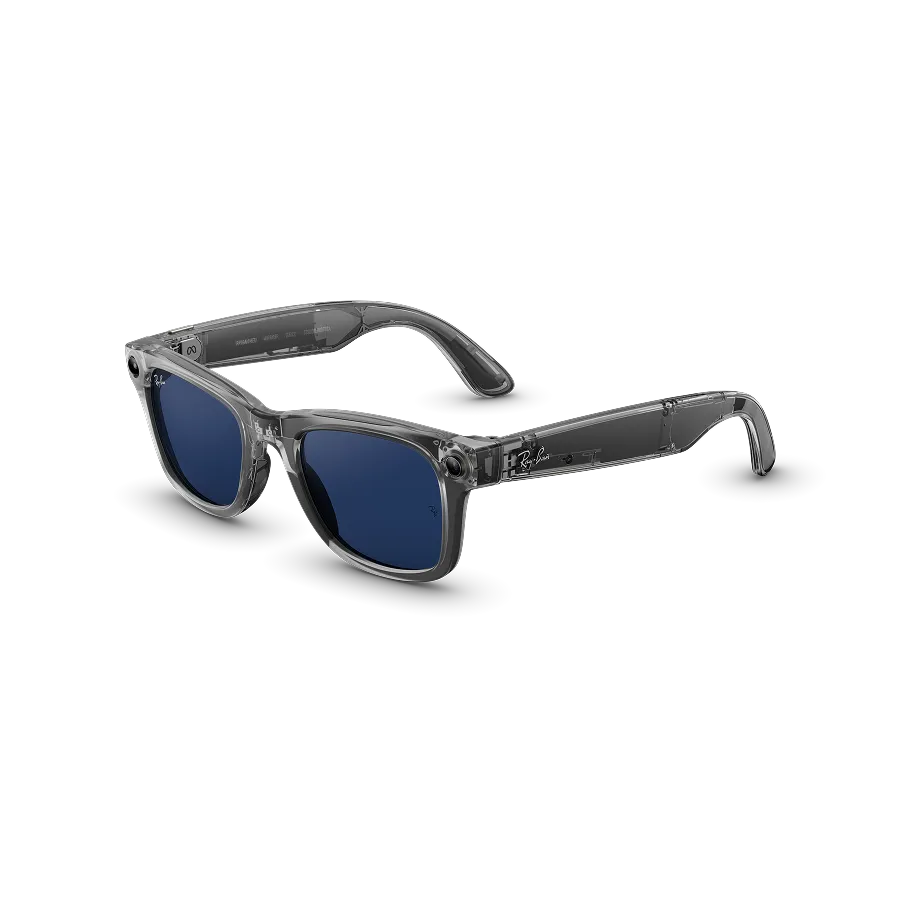
Polarized versus non-polarized Ray-Ban Meta lenses
The right lens depends on how you plan to use the glasses.
| Lens type | Best for | Main limitation |
|---|---|---|
| Clear | Indoor use, calls, and low-light settings | Offers little protection from bright sunlight |
| Regular sun | General outdoor use | Does not reduce all reflected glare |
| Polarized sun | Driving, water, beaches, and strong glare | Can affect screen visibility |
| Transition-style | Moving between indoor and outdoor areas | May not darken fully inside a car |
If you spend most of your time outdoors, polarized lenses may be worth the extra cost. If you use the glasses indoors, clear lenses may be more practical.
Some buyers choose two pairs. One pair stays clear for daily use, while the other uses polarized sun lenses for outdoor activities.

Are polarized lenses worth it for driving?
Polarized Ray-Ban Meta glasses can be useful for daytime driving because they reduce glare from roads and other vehicles. They may make bright conditions feel less tiring, especially after rain.
However, test them before relying on them for regular driving. Some dashboards and navigation screens may become harder to read through polarized lenses.
Never use dark sunglasses at night or in low-light conditions. Also remember that smart glasses can record audio and video, but you should not adjust controls or interact with the glasses in a way that distracts you while driving.

How to choose the right Ray-Ban Meta lens option
Start with your main use case rather than the frame color. The lens type has a greater effect on daily comfort than many shoppers expect.
Choose polarized lenses if you:
• Spend time on water or near snow
• Walk or work outdoors in bright sun
• Drive mainly during the day
• Dislike glare from roads and windows
• Want sunglasses for beach trips and travel
Choose clear lenses if you:
• Wear the glasses mostly indoors
• Need them for calls, music, and voice commands
• Often use them at night
• Prefer one pair for everyday use
Consider transition lenses if you:
• Move between indoor and outdoor settings
• Want one pair for changing light
• Do not need strong polarization
• Prefer a lighter look indoors
Prescription users should confirm whether their prescription and preferred coating are supported. An optician can also check fit, lens thickness, and whether the frame works well with your prescription.
Common mistakes to avoid
Many problems come from buying based on appearance instead of specifications.
Avoid these mistakes:
• Assuming every Ray-Ban Meta sun lens is polarized
• Buying from an unverified seller
• Confusing a dark tint with polarization
• Ignoring the effect on car or phone screens
• Choosing very dark lenses for indoor use
• Assuming polarized means impact-resistant safety protection
• Forgetting to check prescription and regional availability
A practical approach is to save a screenshot of the lens description before ordering. Keep the receipt and product packaging until you confirm that the glasses match your order.
A practical way to test your glasses
If you already own the glasses, you can perform a simple home check.
-
Open an LCD screen, such as a laptop or older smartphone.
-
Hold the glasses in front of the screen.
-
Rotate the glasses by about 90 degrees.
-
Watch for a major change in brightness.
Polarized lenses often make the screen look much darker at one angle. This test is only a basic indication. It does not measure UV protection, lens quality, or optical accuracy.
For a firm answer, take the glasses to an optician. They may have a professional polarization or lens-testing tool.
What my evaluation process would focus on
When assessing smart sunglasses, I would not judge the lens by color alone. I would check the written specification, test glare in bright outdoor conditions, and use the glasses near common screens.
One easy mistake is choosing polarized lenses for a pair that will mostly be worn indoors. Another is choosing clear lenses for a lifestyle filled with driving, beaches, and outdoor travel. Matching the lens to your routine is more useful than simply choosing the most advanced option.
It is also wise to test comfort over several hours. The frame should sit securely without pressing your nose or temples, and the camera and speaker features should remain convenient to use. A lens can be technically excellent and still be the wrong choice if the glasses do not fit well.
Frequently Asked Questions About Are Ray-Ban Meta Glasses Polarized
Are all Ray-Ban Meta glasses polarized?
No. Ray-Ban Meta glasses come with different lens choices, and polarization depends on the specific configuration. Check the product listing or order details for the word “polarized.”
How can I check whether my Ray-Ban Meta glasses are polarized?
Use the official lens description first. You can also rotate the glasses in front of an LCD screen and look for a strong change in screen brightness, although this is only a basic test.
Do polarized Ray-Ban Meta glasses protect your eyes from UV rays?
Polarization and UV protection are different features. Authentic sun lenses should provide UV protection, but confirm the product specifications and buy from an authorized seller.
Can I get prescription polarized Ray-Ban Meta glasses?
Prescription availability depends on the frame, lens option, prescription, and region. An authorized optical retailer can confirm whether your prescription can be made with polarized lenses.
Are polarized Ray-Ban Meta glasses good for driving?
They can reduce daytime glare from roads and vehicles. However, they may make some dashboards or displays harder to see, so test them in your car before regular use.
Do polarized lenses affect the camera or audio features?
Polarization does not normally prevent the camera, microphones, speakers, or voice features from working. Its main effect is on what your eyes see, especially reflections and certain digital screens.
Conclusion
So, are Ray-Ban Meta glasses polarized? Some are, but polarization is an optional lens feature rather than a standard feature across every pair. Polarized versions can reduce glare and improve outdoor comfort, while clear and regular sun lenses may suit different routines.
Check the exact lens specifications, confirm UV protection, consider screen visibility, and buy from a reliable retailer. Choose the lens that matches your daily life, then explore the available Ray-Ban Meta frame and prescription options before placing your order.

Rubel Miah is the Senior Editor at MyStyleGrid.com, where he brings a sharp editorial eye and an unshakable love for fashion to everything he does. A true style addict, Rubel lives and breathes trends, from streetwear to high fashion, and has a knack for turning inspiration into impactful stories. With years of experience in fashion journalism and digital media, he curates content that empowers readers to express themselves through style. When he’s not editing features or forecasting the next big thing, you’ll find him hunting down vintage pieces or capturing street style moments around the city.