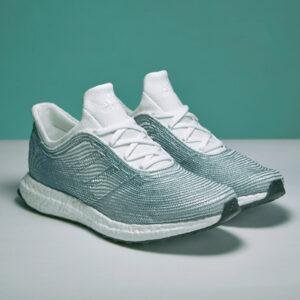
If your shoes pinch at the sides, you can often make them wider with a shoe stretcher, careful wear, or help from a professional shoe repair shop. The best method depends on the shoe’s material, where it feels tight, and how much extra room you need.
Leather and suede usually respond better to stretching than plastic-based materials. A shoe stretcher can add a small amount of width, but it cannot turn a narrow shoe into a true wide-size shoe. If your toes touch the front, stretching the sides will not fix the fit.

Check Whether the Shoes Are Too Narrow
First, find the exact problem area. Shoes can feel tight across the ball of the foot, around the toes, near the arch, or at the sides of the heel.
A shoe is likely too narrow if:
- Your little toe is pushed inward.
- The sides press hard against the widest part of your foot.
- You feel numbness, burning, or tingling.
- Red marks remain after you remove the shoes.
- Your foot spills over the edge of the sole.
- The upper creases sharply and presses on your toes.
A shoe may be too short if your toes touch the front. Width stretching will not create more length. You may need a larger size, a different toe shape, or a wide-width version.
Measure before you stretch
Measure both feet while standing. Feet often swell during the day, so an afternoon or evening measurement may give a more realistic result.
Place each foot on paper and trace its outline. Measure the widest part of the foot, usually across the ball. Compare that measurement with the brand’s size chart. Do not assume that the same width label fits the same way across all brands.
In the United States, common width labels include:
| Width label | Common use |
|---|---|
| B | Often standard women’s width |
| D | Often standard men’s width |
| 2E or EE | Wide in many men’s shoes |
| 4E or EEEE | Extra-wide in many men’s shoes |
| C, D, or wider labels | May indicate wider women’s options, depending on the brand |
These labels are not fully consistent between manufacturers. Always check the brand’s own chart when possible.
Use a Shoe Stretcher for Controlled Width
A two-way shoe stretcher is usually the most controlled home method for making leather or suede shoes wider. It expands the shoe from side to side and may also include small plugs for pressure points.
What you need
- A shoe stretcher that matches the shoe type
- Stretch spray made for the shoe’s material, if needed
- A soft cloth
- The original shoe box or a cool, dry storage area
Steps for widening shoes
- Clean the shoes. Remove dirt and let them dry fully.
- Check the material. Read the care label or manufacturer’s instructions.
- Apply stretch spray only if suitable. Test it on a hidden area first. Some sprays can darken leather or mark suede.
- Insert the stretcher. Place it inside the shoe so the widest part lines up with the tight area.
- Turn the handle slowly. Expand the stretcher until it makes firm contact. Do not force it.
- Leave it in place for 8 to 24 hours. Follow the stretcher’s instructions.
- Remove and test the shoe. Wear it indoors with normal socks.
- Repeat in small steps if needed. Several mild stretches are safer than one aggressive stretch.
Use a stretcher designed for width if the sides are tight. A length stretcher may change the shoe shape without solving the pressure across your foot.
How much can a shoe stretcher widen shoes?
A shoe stretcher can often improve a mildly tight fit. The exact amount depends on the material, construction, seams, lining, and shape of the shoe. There is no safe, universal measurement for how much every shoe can expand.
Stop if you see:
- Cracks in the finish
- Open seams
- Wrinkles that do not relax
- Distortion of the sole or heel
- New pressure in another area
A stretcher works best when the shoe is close to the correct size but slightly tight. It is not a substitute for buying a wide or extra-wide shoe.
Stretch Shoes by Wearing Them Gradually
Short indoor wear can help some shoes adapt to your foot. This method works best with leather shoes that are only mildly snug.
Wear the shoes over thin or medium socks for 15 to 30 minutes at home. Remove them before pain or numbness starts. Repeat once a day and check your feet after each session.
Do not wear tight shoes for hours in the hope that pain will make them fit. Pain is a warning, not a stretching tool. Long wear can cause blisters, skin damage, and pressure on the toes.
Try thicker socks with caution
Thick socks can create gentle pressure while you wear the shoes indoors. This may help soften some leather uppers, but it can also make a tight shoe more painful.
Use this approach only when:
- The shoe is slightly tight, not severely narrow.
- Your toes still have room to move.
- You do not feel numbness or sharp pain.
- The shoe does not have delicate stitching or a fragile finish.
If the shoe feels tight with normal socks, adding thick socks may increase pressure rather than improve the fit.
Use Heat and Moisture Carefully
Heat and moisture are common online suggestions, but they can damage shoes. Hair dryers may dry out leather, warp synthetic materials, loosen glue, or damage finishes. High heat can also affect foam and molded parts.
If you use gentle warmth, keep the dryer on a low setting and hold it well away from the shoe. Move it constantly, and warm the shoe only briefly while it is on a stretcher. Stop if the surface becomes hot to the touch.
Avoid soaking shoes in water. Water can stain leather, weaken adhesives, deform cardboard components, and cause suede to dry with a rough or uneven texture.
Do not use an oven, radiator, clothes dryer, or heat gun. These methods can damage both the shoe and the wearer.
Choose the Right Method for the Shoe Material
The material changes how much stretching is possible and how much risk the shoe can take.
| Shoe material | Best approach | Main limitation |
|---|---|---|
| Smooth leather | Shoe stretcher and gradual wear | Can crack or distort if overstretched |
| Suede | Suede-safe stretcher spray and slow stretching | Can change color or nap |
| Fabric or canvas | Gentle wear or a professional assessment | May stretch unevenly |
| Knit or mesh | Gradual wear if the structure allows it | The sole shape may still limit width |
| Synthetic leather | Small, controlled stretching only | May resist stretching or split |
| Patent leather | Professional help | Finish can crease or crack |
| Rubber or molded plastic | Usually cannot be meaningfully stretched at home | Shape is largely fixed |
| Shoes with heavy seams or overlays | Professional assessment | Seams may limit expansion |
A shoe can have a flexible upper but a rigid sole. In that case, the upper may loosen while the base still squeezes your foot. Stretching the upper alone may not solve the problem.
Try Simple Fit Changes Before Stretching
Sometimes the shoe is not too narrow. The problem may come from an insole, sock, lacing pattern, or foot position.
Try these adjustments:
- Remove the removable insole. This can create a little more vertical room, but it may reduce cushioning and support.
- Use thinner socks. Make sure they do not create rubbing.
- Loosen the laces across the forefoot. Keep the heel area secure.
- Use a skip-lacing pattern. Leave the eyelets above the tight area unlaced or loosely laced.
- Check the tongue and seams. A folded tongue or thick seam can create a false sense of narrowness.
- Compare both feet. If one foot is wider, fit the larger foot first.
Do not remove a supportive insole from an athletic or work shoe if doing so makes your heel unstable. A shoe that feels wider but allows your foot to slide may increase friction and reduce control.
When to Take Shoes to a Professional
A cobbler can stretch many leather, suede, and dress shoes with a shop-grade machine. Professional help is useful when the shoes are expensive, have a delicate finish, or need stretching in one specific spot.
Take the shoes to a repair shop if:
- The leather is stiff or valuable.
- The shoes have a complex design.
- The tight area is near a seam or decorative panel.
- The shoes have patent leather or a special finish.
- Home stretching has already caused wrinkles or damage.
- You need more than a small amount of extra width.
Tell the cobbler exactly where the shoe hurts. A professional may use a spot-stretching tool rather than expanding the entire shoe.
A professional cannot always make a shoe wider. A narrow sole, rigid toe cap, reinforced safety toe, or fixed molded shell may set a hard limit.
Know When to Replace the Shoes
Replace the shoes or choose a wide-width model when stretching does not create enough room. This is especially important if you have ongoing pain, swelling, numbness, or skin damage.
People with diabetes, reduced foot sensation, circulation problems, arthritis, bunions, hammertoes, or other foot conditions should be cautious with tight shoes. Reduced sensation can make it harder to notice harmful pressure. A podiatrist can help assess fit and recommend footwear changes.
A good fit should allow your toes to spread and move. The shoe should hold your heel without squeezing the front or sides of your foot.
Signs that the shoe is a poor match
Stop wearing the shoe if you develop:
- Blisters or open skin
- Persistent redness
- Numbness or tingling
- Sharp pain
- Swelling
- Pain that lasts after removing the shoes
Stretching may solve a small fit issue. It should not be used to push through repeated pain.
Common Mistakes When Widening Shoes
Avoid these shortcuts:
- Using boiling water: It can stain, warp, or weaken the shoe.
- Heating one spot too much: Local heat can damage finishes and adhesives.
- Forcing the stretcher: Excess pressure can split seams or deform the shoe.
- Stretching only one shoe without checking both: The fit may become uneven.
- Using oil without checking the material: Oil can darken suede and affect some finishes.
- Freezing wet shoes: Expansion from ice is hard to control and may damage the shoe.
- Wearing painful shoes for long periods: Pain does not mean the shoe is safely breaking in.
- Expecting length to increase: Width stretching cannot fix toes touching the front.
- Ignoring the sole: A flexible upper cannot overcome a rigid, narrow base.
The safest general rule is simple: make small changes, test indoors, and stop at the first sign of damage or pain.
Quick Decision Guide
Use this guide to choose your next step:
| Problem | Best first step |
|---|---|
| Slightly tight leather sides | Use a width shoe stretcher |
| Tight spot over a bunion or toe | Use a spot-stretching plug or see a cobbler |
| Tight synthetic shoe | Try lacing or insole changes; stretch only slightly |
| Toes touch the front | Buy a longer size or different shape |
| Foot spills over the sole | Choose a wide or extra-wide shoe |
| Pain, numbness, or skin damage | Stop wearing the shoe and seek professional advice |
| Expensive or delicate shoe | Use a qualified shoe repair shop |
| Rigid safety or molded shoe | Replace it if the width is wrong |
FAQs About Making Shoes Wider
Can you make shoes wider permanently?
Often, yes, but only by a limited amount. Leather and suede may keep some of the added room after controlled stretching. The result can reduce as the material settles, especially if the shoe is worn in wet conditions or stored under pressure.
Can you stretch sneakers to make them wider?
Sometimes. Knit, mesh, and soft fabric uppers may loosen with gradual wear, but the sole and toe box still limit the fit. A shoe stretcher may not work well on sneakers with glued, molded, or reinforced sections.
Does putting shoes in the freezer make them wider?
This method is not reliably controlled. Water expansion may put stress on the upper, lining, seams, and adhesive. It can also leave the shoe misshapen. A proper stretcher is a safer choice.
How can you widen shoes around a bunion?
Use a spot stretcher that targets the bunion area, or ask a cobbler for localized stretching. Do not stretch the shoe until it creates a large bulge. If the bunion causes regular pain, a podiatrist can help with footwear and treatment options.
Can a shoe repair shop stretch all shoes?
No. A cobbler may be unable to widen shoes with rigid plastic shells, reinforced safety toes, narrow soles, heavy structural panels, or fragile finishes. Ask for an assessment before the work begins.
Conclusion
The safest way to make shoes wider is to use a width-specific shoe stretcher in small steps, especially for leather or suede. Gradual indoor wear, careful lacing, and a thinner insole may also help.
Do not use high heat, boiling water, or force. If the shoe is too short, has a rigid structure, or causes pain and numbness, stretching is not the right fix. Choose a wide-width shoe or consult a qualified cobbler or foot-care professional.
Madison Clark is a footwear expert and the voice behind MyStyleGrid.com. She specializes in honest shoe reviews, style tips, and practical guides to help readers find the perfect pair for any occasion. With years of experience in blogging and content creation, Madison makes footwear knowledge simple, stylish, and easy to follow.