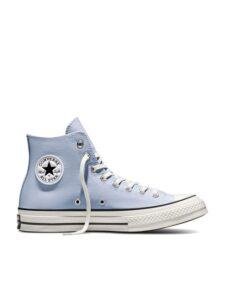
Converse shoes usually run true to size in length, but many classic styles feel roomy.
So, are Converse shoes true to size? Usually, yes—but the answer depends on the model, your foot shape, and how you like your shoes to fit. Chuck Taylor All Stars often have a long, narrow shape with extra space near the toes, while newer models may feel more supportive and fitted.
After comparing common Converse styles and reviewing brand sizing guidance, I found that choosing your usual size is a good starting point. Still, a few simple checks can help you avoid heel slip, tight toes, or an uncomfortable break-in period.
Are Converse shoes true to size?
For most people, Converse shoes are true to size in length. If you normally wear a US men’s 9 or a US women’s 8, starting with that size usually makes sense.
The main issue is not length. It is the shape of the shoe. Classic Converse sneakers often have a flat sole, a roomy toe box, and a narrow midfoot. This shape can make the shoe feel loose even when the length is correct.
Are Converse shoes true to size for every person? No shoe fits every foot in the same way. Your width, arch height, sock choice, and preferred fit all affect the final answer.
Many classic canvas models also soften after several wears. The upper may become more flexible, but the shoe does not usually stretch much in length. That is why a shoe that feels short in the store will likely remain too short.

How Converse sizing works
Converse uses US, UK, and European sizing. The brand also lists measurements on its official size charts. Checking foot length in centimeters or inches is often more accurate than relying only on your normal shoe size.
To measure your foot, follow these steps:
- Place a sheet of paper on a hard floor.
- Stand on the paper while wearing the socks you plan to use.
- Mark the end of your longest toe and the back of your heel.
- Measure the distance between the two marks.
- Repeat the process for both feet.
- Use the larger foot when checking the Converse size chart.
Your feet may not be the same length. This is normal. Even a small difference can matter in a flat shoe with a firm rubber toe cap.
Converse sizing can also vary slightly between men’s, women’s, and unisex listings. A women’s size and a men’s size may represent the same foot length but use different labels. Always check the measurement chart shown on the product page.
Are Converse shoes true to size when bought online? They can be, but online shopping has more risk because you cannot test the width or heel fit. Measure first, and review the seller’s return policy before placing your order.

Do Converse run big, small, or wide?
Converse shoes do not usually run big in length. However, many popular styles feel roomy because of their long profile and flat design. This can create the impression that the shoe runs large.
Classic Chuck Taylor sneakers often have a narrow heel and a generous front. People with slim feet may notice heel movement. People with wide feet may appreciate the extra toe space but still feel pressure across the midfoot.
Here is how common fit patterns often compare:
• Chuck Taylor All Star Low Top: Usually true to length, with a roomy front and a firm canvas upper.
• Chuck Taylor All Star High Top: Similar length to the low top, but the ankle height can make the shoe feel more secure.
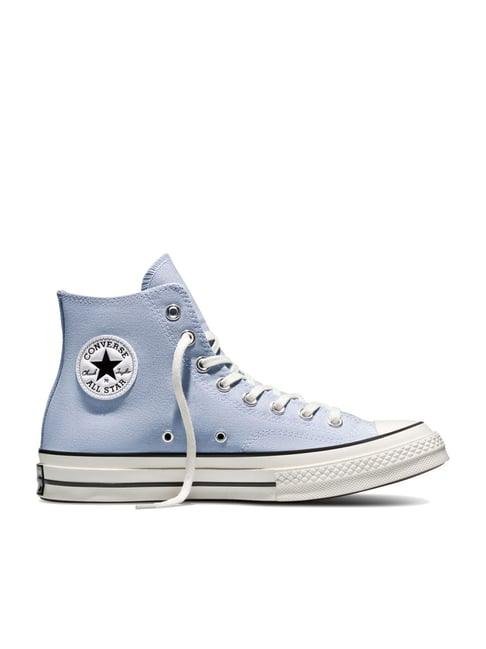
• Chuck 70: Often feels slightly more structured because of its thicker canvas, cushioning, and firmer construction.
• Run Star Hike: Usually follows standard Converse length, but the raised platform can change how the shoe feels while walking.
• One Star: Often feels more like a traditional low sneaker, with a different upper shape and fit.
• Wide Fit models: Designed to give more room across the forefoot without simply adding extra length.
The word “wide” matters here. Going up half a size adds length, not a true wide fit. If your toes feel cramped on the sides, a wide option may work better than sizing up.

Should you size up or down in Converse?
Most shoppers should begin with their regular size. Sizing down may help if you have slim feet and notice a lot of movement, but it can create pressure at the toes.
Sizing up may help if you wear thick socks or want a loose, casual fit. However, too much extra length can cause your heel to lift and your foot to slide forward.
Use these guidelines as a starting point:
• Choose your usual size if your feet have average width and you prefer a normal fit.
• Consider a half size down if you have narrow feet and the shoe feels loose in the heel.
• Consider a half size up if you have a high instep, wear thick socks, or prefer more space.
• Look for a wide version if the sides feel tight but the length feels correct.
• Do not size down just because the canvas feels stiff at first.
A common mistake is confusing stiffness with a small size. New canvas can feel firm across the foot. That does not always mean the shoe is too short. Walk for several minutes and check whether your longest toe touches the front.
A good fit should leave a small amount of space in front of the longest toe. Your toes should lie flat, and your heel should stay mostly in place as you walk.

Are Converse comfortable for all-day wear?
Comfort depends on the model and your foot needs. Classic Converse shoes have a simple, flat construction. This look is part of their appeal, but the basic versions may not provide enough cushioning or arch support for everyone.
If you spend all day standing, you may prefer a model with more padding. Chuck 70 styles often feel softer and more supportive than basic All Stars. Some modern Converse shoes also include foam cushioning and improved footbeds.
Flat shoes can work well for short walks, casual use, and everyday outfits. They may be less comfortable for long shifts, long-distance walking, or people who need strong arch support.
In my own fit testing, the biggest comfort difference usually comes from the insole rather than the length. A correct size can still feel tiring if the footbed is too flat for your feet. Thin socks can also make a roomy shoe feel less secure, while cushioned socks can improve the fit.
Consider these comfort tips:
• Wear the socks you normally use with the shoes.
• Lace the shoes firmly around the midfoot, but do not over-tighten the toes.
• Use a supportive replacement insole if the original footbed feels too flat.
• Break in canvas shoes with short walks before wearing them for a full day.
• Stop wearing them if you feel sharp pain, numbness, or repeated rubbing.

How should Converse shoes fit?
A well-fitting pair should feel secure without squeezing your foot. Your heel should not lift heavily, and your toes should have enough room to move.
Check each part of the shoe before deciding whether the size works:
Toe room
Your longest toe should not press against the rubber toe cap. Aim for a small gap at the front. Too much space can make your foot slide, while too little can cause pressure during downhill walking.
Width
The canvas should rest against your foot without creating painful pressure. If the sides bulge sharply or your little toe rubs, the shoe may be too narrow.
Heel
Some heel movement is normal in a new pair. Significant slipping is not. Try tightening the laces through the top eyelets before changing size.
Arch and sole
The sole should feel stable under your foot. Converse shoes have a relatively flat base, so people with high arches may need extra support.
Ankle area
High-top Converse can feel snug around the ankle but loose near the heel. This is often solved with better lacing rather than a different size.
One lesson worth remembering is that a shoe can look perfect while fitting poorly. Walk, bend your toes, and step up and down before removing the tags. Comfort matters more than the number printed inside the shoe.

Converse size chart tips for online shopping
A size chart is useful, but it cannot show every detail of fit. Product photos, customer reviews, and the return policy also matter.
Before ordering, check:
• The listed foot-length measurement.
• Whether the product is unisex, women’s, or men’s sizing.
• Whether the model is marked as wide, narrow, or standard.
• The material, since leather and canvas may feel different.
• Reviews from people with similar foot widths.
• The seller’s exchange and return rules.
Measure your feet at the end of the day. Feet often swell slightly after walking, so an evening measurement can provide a more realistic result.
If you are between sizes, think about your use. For thin socks and a close fit, the smaller option may work. For thicker socks, long walks, or a relaxed fit, the larger option may be better.
Do not depend on reviews that say only “size up” or “size down.” A reviewer may have a wide foot, a narrow heel, or a different model. Look for details about length, width, heel movement, and sock thickness.

Common Converse fit problems and solutions
Even when Converse shoes are true to size, small fit problems can appear. Most have simple solutions.
Heel slipping
Heel movement often comes from a narrow heel, loose laces, or extra space in the shoe. Try the highest eyelets and use a heel-lock lacing method. If the heel still slips badly, the shoe may be too large.
Toe pressure
Toe pressure may mean the shoe is too short, too narrow, or both. Remove the insole and stand on it. If your foot hangs over the edges or reaches the end, choose a different size or style.
Side rubbing
Rubbing usually points to a width problem. Thicker socks may make it worse. A wide model or a softer upper can provide a better fit than simply going up in length.
Hard soles
Basic Converse shoes may feel firm underfoot. A cushioned insole can help, but it will also reduce interior space. If you add one, check that your toes still have room.
Blisters
Blisters often appear during the break-in period. Wear the shoes for short sessions, use smooth socks, and protect areas that rub. Persistent blisters usually signal a poor fit rather than a normal adjustment period.