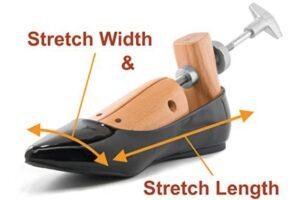
New shoes can often be stretched a little, especially when they feel tight across the sides or over the top of your foot. The safest approach in the United States is to start with short periods of wear, use thick socks, and add a shoe stretcher if needed. Do not try to force a shoe that causes sharp pain, numbness, or toe pressure.
The best method depends on the shoe material and where it feels tight. Leather and suede usually respond better to careful stretching than plastic-based materials. Stretching can create more room in the width or toe box, but it cannot reliably fix a shoe that is too short.

What to Know Before You Stretch New Shoes
First, identify where the shoe feels tight. A shoe that presses on the sides needs a different solution from one that rubs the heel or pushes your toes into the front.


Use this simple guide:
| Problem | Likely solution | What stretching can do |
|---|---|---|
| Tight sides | Thick socks or a shoe stretcher | May add a small amount of width |
| Tight over the top of the foot | Stretch spray and gentle wear | May soften pressure points |
| Toes touch the front | Exchange for a larger size | Stretching rarely adds useful length |
| Heel slips | Different size, heel grip, or lacing | Stretching is not the right fix |
| One painful spot | Spot stretching or professional repair | May reduce pressure in one area |
A shoe should feel snug but not painful. Your toes should have room to move, and the front of the shoe should not press against them when you walk. If your toes curl, go numb, or develop burning pain, stop wearing the shoes.
Check the material
- Smooth leather: Usually the easiest material to stretch.
- Suede or nubuck: Can stretch, but may stain or change texture.
- Canvas or fabric: May loosen with wear, but can lose its shape.
- Synthetic leather, vinyl, and plastic: Often stretch very little.
- Patent leather: Can crack or show marks if heated or bent.
- Athletic shoes: Foam and mesh may soften, but the shoe may not become wider.
Check the care label or manufacturer’s instructions before using heat, liquid, or a stretching product. When in doubt, test any product on a hidden area first.
The Safest Way to Stretch New Shoes at Home
The safest home method is gradual wear with thick socks. It applies gentle pressure and gives the material time to adjust.
Method 1: Wear thick socks for short periods
- Put on one pair of thick socks. Use two pairs only if the shoes are mildly tight and your feet do not feel squeezed.
- Put on the shoes while sitting down.
- Wear them indoors for 10 to 20 minutes.
- Remove them and check your feet for red spots, blisters, numbness, or pain.
- Repeat once or twice a day.
- Increase the wear time slowly if the shoes feel better.
Do not walk for hours in new, tight shoes. A short indoor test helps you protect your feet and keep the shoes returnable if the fit does not improve.
This method works best for leather, suede, canvas, and some knit uppers. It may soften the shoe rather than create a large amount of extra space.
Method 2: Use a shoe-stretching spray
Shoe-stretching sprays help soften some materials before you apply pressure. They are not universal. Choose a product labeled for your shoe material.
- Read the product directions.
- Test the spray on a hidden area.
- Apply a light amount to the inside of the tight area.
- Put on thick socks and wear the shoes indoors, or insert a shoe stretcher.
- Let the shoes dry fully before wearing them outside.
- Repeat only as directed.
Avoid soaking the shoes. Too much moisture can stain leather, weaken adhesives, cause odors, or change the shape of the upper. Do not use a leather spray on suede unless the label specifically allows it.
Method 3: Use an adjustable shoe stretcher
A shoe stretcher is useful when both shoes feel tight in the same area. Most stretchers work best for width. Some include small plugs that target pressure points, such as a bunion area.
- Select a stretcher made for the shoe type.
- Insert it without forcing the shoe open.
- Turn the handle until you feel light pressure.
- Leave it in place for about 6 to 8 hours, unless the instructions say otherwise.
- Remove it and try on the shoes.
- Repeat in small increments if needed.
Do not keep turning the handle until the shoe looks distorted. A stretcher can damage seams, overlays, or the shape of the toe box. A two-way stretcher may provide some length adjustment, but it is not a substitute for buying the correct size.


Method 4: Stretch one tight spot
If only one area hurts, use a spot stretcher or a stretcher plug. This is more controlled than stretching the entire shoe.
Place the plug over the pressure point, such as the side of the big-toe joint. Apply light pressure, wait several hours, and check the fit. This approach can help with minor pressure, but it cannot safely correct a narrow design that does not suit your foot.
How to Stretch Leather, Suede, and Synthetic Shoes
Material changes the amount of stretch you can expect. Use the least aggressive method that may solve the problem.
Leather shoes
Leather may relax and mold to your foot over time. Thick socks, a leather-safe stretching spray, and a shoe stretcher are usually the most practical options.
Apply leather conditioner only if the product is made for that type of leather. Conditioner can soften leather, but it is not the same as a stretching product. Too much conditioner may darken the surface or leave it greasy.
Suede and nubuck shoes
Suede and nubuck need extra care. Liquids can leave dark marks, and heavy pressure can flatten the nap, which is the soft raised surface.
Use a product labeled for suede or nubuck. A cobbler can often stretch these materials with less risk than a home treatment. Brush the surface gently after it dries, using a suede brush made for that purpose.
Synthetic leather and vinyl
Synthetic uppers often have a plastic coating. They may soften slightly but usually do not stretch as much as real leather.
Avoid strong heat. Heat can warp the material, loosen glue, or create shiny patches. If the shoe remains tight after careful indoor wear, exchanging it is usually safer than forcing more stretch.
Mesh and knit athletic shoes
Mesh and knit shoes may feel more comfortable after a few short walks. However, the sole, heel counter, and internal support parts will not stretch much.
Do not use a shoe stretcher unless the manufacturer allows it. A stretcher may damage the upper or alter the support structure. If your toes hit the front, choose a longer shoe rather than trying to stretch it.
Methods to Avoid When Stretching Shoes
Some popular tricks can damage shoes or injure your feet.
Avoid putting shoes in the freezer
The freezer method involves filling bags with water and placing them inside the shoes. As water freezes, it expands and may push the shoe outward. This method can also leak, stain the lining, deform the shoe, and stress adhesives.


It is hard to control where the force goes. For that reason, a proper shoe stretcher is a safer choice.
Avoid high heat
A hair dryer may soften some materials, but high heat can dry leather, warp synthetic uppers, melt glue, and damage foam. If a manufacturer permits low heat, keep the dryer moving and use the lowest setting. Let the shoe cool while it is held in the desired shape.
Do not use an oven, clothes dryer, heat gun, or open flame.
Do not soak the shoes
Water can affect dyes, leather fibers, insoles, and glue. Wet shoes may also develop odor or mildew if they dry slowly.
A light application of a material-safe spray is very different from soaking the entire shoe.
Do not force a painful fit
Stretching should reduce mild pressure. It should not be used to make a clearly undersized shoe fit.
Stop if you notice:
- Numbness or tingling
- Sharp pain
- Blisters
- Bruising
- Swelling
- Toes touching the front
- A bent or curled toe position
How Much Can New Shoes Be Stretched?
Most shoes can be adjusted only slightly. Stretching may improve width and pressure points, but it does not change the basic design of the shoe.
A shoe may be a poor candidate for stretching when:
- The length is too short.
- The toe box is sharply pointed.
- The upper has hard plastic panels.
- The shoe has a rigid safety toe.
- The seams already feel strained.
- The heel counter is rubbing because of the wrong size.
- Your feet are different sizes and one shoe is much too tight.
A small amount of extra room can make a major comfort difference. Still, more stretching is not always better. A loose shoe can cause your foot to slide, which may lead to rubbing and blisters.
If the shoes are new, check the seller’s return policy before altering them. Stretch spray, visible creases, outdoor wear, or scuffed soles may affect a return in the United States.
When to Use a Professional Shoe Repair Shop
A professional shoe repair shop, often called a cobbler, is a good choice for expensive shoes, delicate materials, or one specific pressure point.
A cobbler may be able to:


- Stretch the width.
- Expand a bunion area.
- Adjust leather boots.
- Work on one shoe more than the other.
- Use a professional stretching machine.
- Protect suede, patent leather, or unusual finishes.
Professional stretching still has limits. A cobbler cannot safely turn a short shoe into a long one. Ask what change is realistic before the work begins.
If your feet hurt in many types of shoes, or if you have diabetes, reduced sensation, poor circulation, or a known foot condition, ask a podiatrist for advice. Reduced sensation can make it harder to notice pressure and skin damage.
What to Do If Stretching Does Not Work
If the shoes still hurt after a few short indoor sessions, stop trying to stretch them further. The design, size, or shape may not match your feet.
Use this troubleshooting order:
- Check the length. Your toes should not press against the front.
- Check the width. Look for side pressure, pinching, or bulging.
- Check the heel. Some heel movement is normal, but constant rubbing is not.
- Check the socks. Thick seams can create pressure.
- Try a different lacing pattern. Loosening the laces over the instep may reduce top pressure.
- Use a return or exchange. Choose a different size or a wider version if available.
- Ask a cobbler for an assessment. This is useful for quality leather shoes.
- Seek medical advice for ongoing pain. Foot pain is not a normal sign that shoes are “breaking in.”
The best new shoe is not the one that can be stretched the most. It is the one that fits well before major changes are needed.
Frequently Asked Questions
Can you stretch shoes a full size?
Usually, no. Stretching may add limited width or relieve a pressure point, but it rarely adds a full shoe size. If the shoes are too short, exchange them for a longer size.
How long does it take to stretch new shoes?
Gentle stretching may improve comfort after several short wear sessions. A shoe stretcher often needs several hours per session. The exact result depends on the material, construction, and amount of pressure.
Can I stretch shoes that are tight across the toes?
Sometimes. If the toes are pressed from the sides, a shoe stretcher or professional spot stretch may help. If the toes touch the front, stretching is unlikely to solve the problem.
Does wearing two pairs of socks stretch shoes?
It can create mild pressure that helps some leather shoes relax. Use caution. Two pairs can also squeeze your feet, reduce circulation, and cause blisters. Stop if your feet feel numb or painful.
Can a cobbler stretch sneakers?
Sometimes, but results vary. A cobbler may adjust certain leather or fabric areas, but foam, mesh, rubber overlays, and structured support parts may resist stretching. Ask for an assessment first.
Conclusion
To stretch new shoes safely, start with short indoor wear and thick socks. If the shoes still feel tight, use a material-safe stretching spray or an adjustable stretcher with light pressure. Avoid freezing, soaking, and high heat.
Stretching works best for mild width problems and small pressure points. It will not reliably fix shoes that are too short, badly shaped, or painful. If the fit does not improve, return or exchange the shoes—or ask a cobbler for help before the material is damaged.
Rubel Miah is the Senior Editor at MyStyleGrid.com, where he brings a sharp editorial eye and an unshakable love for fashion to everything he does. A true style addict, Rubel lives and breathes trends, from streetwear to high fashion, and has a knack for turning inspiration into impactful stories. With years of experience in fashion journalism and digital media, he curates content that empowers readers to express themselves through style. When he’s not editing features or forecasting the next big thing, you’ll find him hunting down vintage pieces or capturing street style moments around the city.