Converse shoes often run slightly large; many people size down half to one full size.
As a footwear tester and longtime Converse wearer, I break down whether do converse shoes run big, why sizing varies by model, and how to pick the best fit. I’ve tried Chucks, One Stars, and modern Converse styles in different sizes, and I’ll share clear, tested advice so you buy with confidence.
Why people ask, "do converse shoes run big?"
Converse has a long history and many styles. That makes sizing confusing for shoppers. People ask, "do converse shoes run big" because fit feels different from sport shoes. Canvas uppers, thin soles, and minimal padding change how size feels. Some models are true to size. Others feel roomy in length or narrow in width. I’ll explain the patterns and what to expect.
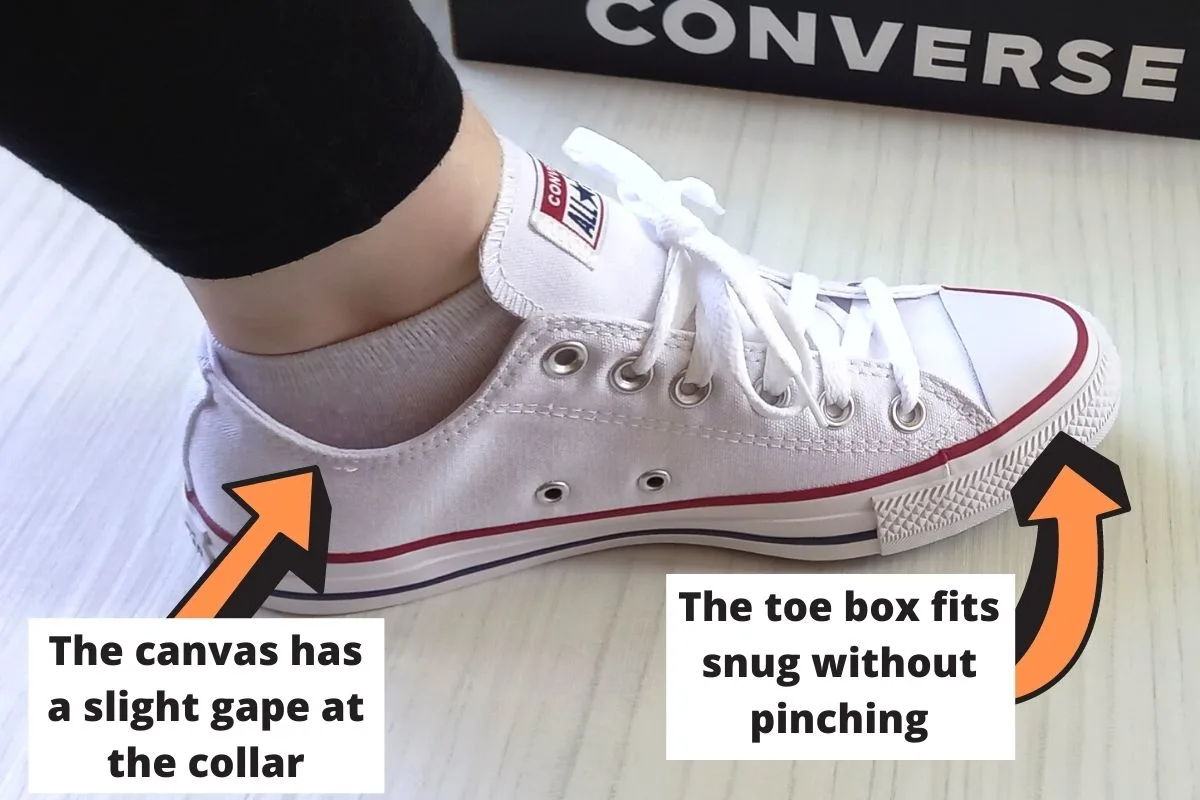
How Converse sizing typically fits
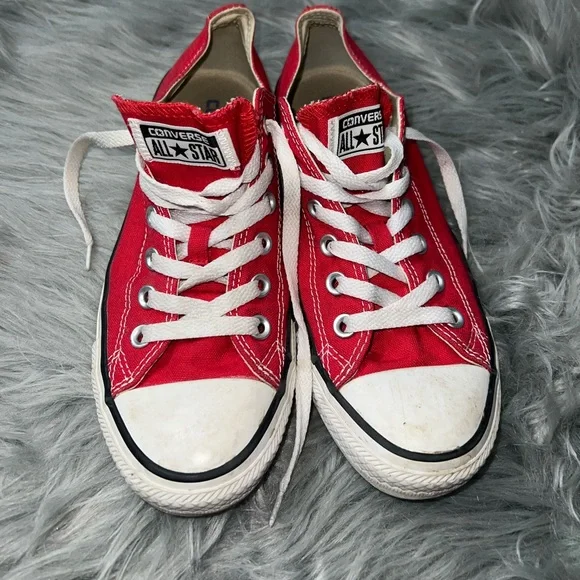
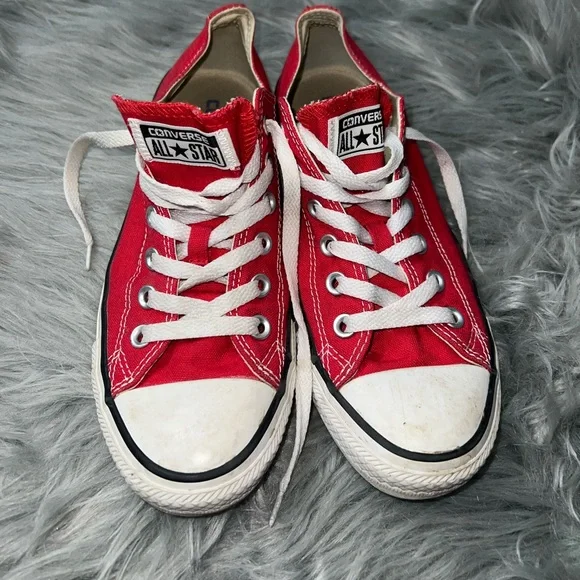
Converse sizing depends on the model and era. Classic Chuck Taylor All Stars often feel longer than other casual shoes. They also have a narrow toe box. Newer Converse models sometimes add padding and fit closer to other brands.
Common patterns I’ve seen:
- Length: Many wearers find Chucks run a half to a full size long.
- Width: The toe box often feels narrow, even if length feels big.
- Height: High-tops fit the ankle differently and can change perceived size.
- Modern vs classic: Updated Converse with cushioned insoles often fit truer to size.
This variance explains why shoppers ask, "do converse shoes run big" so often. The short answer is: it depends on the style and how you like your fit.
Factors that make Converse feel big or small
Several things change how “big” Converse shoes feel:
- Sock thickness: Thick socks make shoes feel smaller. Thin socks make them feel roomier.
- Insoles: Adding an insole reduces internal space quickly.
- Breaking in: Canvas stretches a bit. New Chucks can feel stiff, then loosen.
- Foot shape: Wide feet may feel tight even if length is long.
- Size conversions: Women buying men’s sizes or converting EU sizes can misjudge fit.
Because of these variables, the simple question "do converse shoes run big" needs this context. Fit is personal.
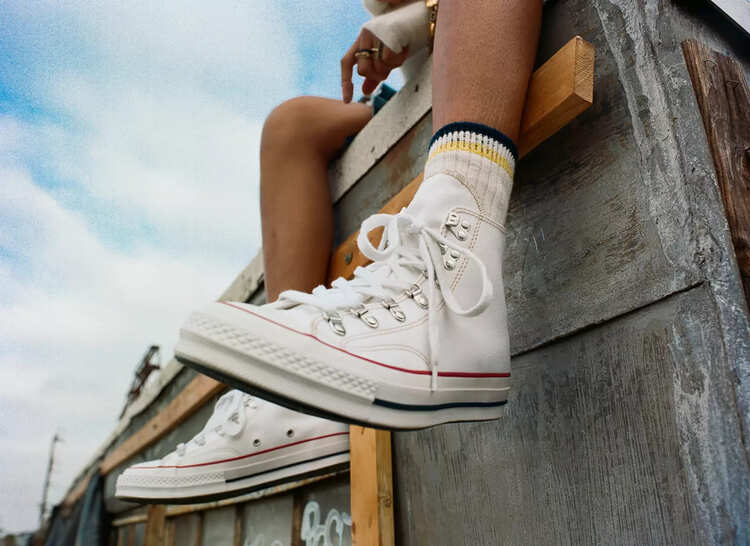
Sizing recommendations — practical, tested tips
If you’re wondering whether do converse shoes run big for you, try these steps:
- Measure your foot length standing, in inches or centimeters.
- Compare against the Converse size chart for the model you want.
- If between sizes, size down half for classic Chucks; consider true size for cushioned models.
- For wide feet, go up a half size even if length seems long.
- Try the shoes with the socks you plan to wear most.
My rule of thumb from testing: for Chuck Taylor All Stars, size down 0.5 to 1.0 size from your running shoe. For One Star or new cushioned Converse, try your normal size first.
How to measure your foot and pick the right Converse size
Follow these simple steps to avoid returns:
- Place paper on floor against a wall and stand on it with heel touching the wall.
- Mark the longest toe point and measure from wall in centimeters or inches.
- Measure both feet and use the longer measurement.
- Use the brand’s size chart; consider size down if you prefer snug shoes.
- Try on with typical socks and walk around for at least five minutes.
This method answers the core of "do converse shoes run big" with personal data rather than guesswork.

Personal experience and lessons learned
I’ve owned several Converse pairs. My Chucks felt long and narrow at first. I sized down a half size and added a thin insole. That gave a snug, comfortable fit. I also learned:
- Avoid one-size-fits-all assumptions. Each model fits differently.
- Buying two sizes and returning one is worth the hassle if returns are free.
- Insoles and thicker socks are quick fixes for a loose fit.
These small experiments taught me that "do converse shoes run big" is a nuanced question. Testing different fits reveals the truth.
Common mistakes and how to avoid them
Buyers often make the same errors:
- Relying on your athletic shoe size without measuring.
- Ignoring width and trying to fix fit with thicker socks only.
- Not checking the model’s notes—some Converse models explicitly advise sizing adjustments.
Avoid these pitfalls by measuring, reading product descriptions, and trying before committing.
Quick consumer Q&A (PAA-style)
Q: Do Converse shoes run big compared to sneakers?
A: Classic Converse often run longer than many sneakers. Newer Converse with cushioning are closer to sneaker fit.
Q: Should I size up or down for Chucks?
A: Many users size down half a size for Chucks, but wide-footed people may prefer their usual size.
Frequently Asked Questions of do converse shoes run big
Are Converse Chuck Taylors true to size?
Chuck Taylors often run slightly long and narrow, so many people size down half a size for a snug fit. Wide-footed wearers may keep their usual size.
Do Converse sneakers run bigger for women?
Women converting from men’s sizes should follow a conversion chart and try a half size down for classic models if you like a snug fit. Fit varies by model and personal preference.
Should I size up for Converse if I have wide feet?
Yes, if your feet are wide, consider going up a half size to avoid pressure in the toe box. You can also use a cushioned insole to improve comfort.
How do I convert EU or UK sizes to Converse US sizes?
Use the Converse sizing chart for the specific model and measure your foot first; conversions can differ slightly between models and between men’s and women’s sizing.
Can insoles fix sizing issues with Converse?
Insoles can reduce internal length and improve arch support, making a slightly large pair fit better. They won’t resolve a shoe that is too narrow.
Conclusion
Converse sizing is not one-size-fits-all. Many people find classic Chuck Taylors run a bit long and narrow, while newer Converse designs fit closer to standard sneaker sizes. Measure your feet, consult the model’s size chart, and consider a half-size adjustment based on your foot shape and sock preference. Try on shoes with the socks you’ll wear most and don’t be afraid to test two sizes if returns are easy.
Take action today: measure your feet, check the Converse chart for the model you want, and pick the size that matches your comfort goals. If you’ve tried different Converse sizes, share your experience below or subscribe for more fit guides and honest footwear tips.

Rubel Miah is the Senior Editor at MyStyleGrid.com, where he brings a sharp editorial eye and an unshakable love for fashion to everything he does. A true style addict, Rubel lives and breathes trends, from streetwear to high fashion, and has a knack for turning inspiration into impactful stories. With years of experience in fashion journalism and digital media, he curates content that empowers readers to express themselves through style. When he’s not editing features or forecasting the next big thing, you’ll find him hunting down vintage pieces or capturing street style moments around the city.