The best shoes for occupational therapists combine all-day comfort, steady traction, easy fit, and fast hands-free use.
An occupational therapist may walk across a clinic, help with transfers, kneel beside a child, and stand for hours in one shift. The wrong shoe can leave your feet sore before the day ends. I looked at the listed products for comfort, ease of use, fit, and real work value. The Kizik Lima 2 stands out as the strongest everyday shoe option. The Vive models serve a different need: foot recovery. The remaining products make useful OT gifts, but they are not work shoes.
See the differences between my top picks at a glance.
| Product | Best use | Fit or design | Work value | Action |
|---|---|---|---|---|
| Kizik Lima 2, Black | Daily clinic wear | Hands-free slip-on; wide toe box option | Best overall | View on Amazon |
| Kizik Lima 2, Gray | Long walking shifts | Breathable upper; hands-free entry | Strong comfort pick | View on Amazon |
| Kizik Lima 2, Blue | Casual OT work wear | Light, breathable construction | Good daily value | View on Amazon |
| Kizik Lima 2, Alternate color | Easy on/off use | Wide toe box option | Practical work shoe | View on Amazon |
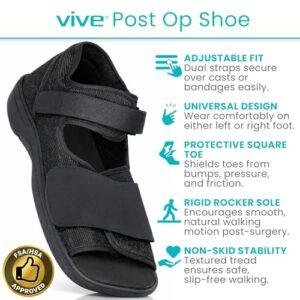
| Vive Post Op Shoe | Injured foot recovery | Adjustable; left or right foot | Recovery support | View on Amazon |
| Vive Rounded Post Op Shoe | Bunions or foot injury | Rounded front; adjustable straps | Protective recovery shoe | View on Amazon |
| HAPPYPOP OT Socks | OT appreciation gift | Novelty socks and gift box | Not a shoe | View on Amazon |
| Geiserailie OT Gift Set | Gift for an OT | Eight-piece themed set | Not a shoe | View on Amazon |
| OT Quick Reference Cards | Study or desk use | 42 adult OT cards | Not a shoe | View on Amazon |
| VVNTY OT Shirt | OT appreciation gift | Funny graphic T-shirt | Not a shoe | View on Amazon |
Kizik Lima 2 Hands-Free Slip-On Shoes
The Kizik Lima 2 is the clearest match for an occupational therapist who needs a daily work shoe. Its hands-free slip-on design helps when your hands carry therapy tools, charts, toys, or mobility items. The wide toe box option gives your toes more room to spread. That can feel helpful during long periods of walking and standing.
The lightweight, breathable upper also suits busy clinic work. I like the simple design because it can move from a therapy gym to a home visit without looking out of place. It is not a medical shoe, and it does not replace a prescribed orthotic. Still, it offers the easy entry and comfort many therapists want from the best shoes for occupational therapists.
Pros:
- Hands-free entry saves time between tasks
- Wide toe box option supports a roomier fit
- Lightweight design helps reduce shoe bulk
- Breathable upper suits active work days
- Works for clinic, home, and casual use
Cons:
- Not designed for post-surgery foot protection
- Fit can vary by foot shape and size
- May not offer enough support for every orthotic user
What Amazon Buyers Are Saying
Buyer feedback commonly focuses on easy hands-free use and casual comfort. Many shoppers look for this style because they dislike bending to put on shoes. The main concerns often involve personal fit, toe room, and the level of support expected. Check the current size chart and return terms before ordering.
My Recommendation
I recommend the Lima 2 as the best overall choice here for therapists who want an easy, light daily shoe. It is most useful for normal work days, not foot recovery. Overall rating: 4.5 out of 5.
Kizik Lima 2 in Gray
This gray version gives therapists the same basic Lima 2 design in a neutral color. Gray can hide small marks better than very light shoes, which matters in pediatric rooms and busy treatment areas. The hands-free entry also helps when you need to change shoes without touching them.
The wide toe box option is worth checking if your feet swell during a long shift. The breathable upper may feel better than a heavy, stiff shoe in warm indoor spaces. I would still test the heel hold and arch feel before wearing it for a full day. Comfort depends on the match between the shoe and your foot.
Pros:
- Neutral gray color fits many work outfits
- Hands-free design supports quick changes
- Wide toe box option adds room at the front
- Lightweight upper feels easy for walking
- Useful for work and off-duty wear
Cons:
- Color and fit may differ from screen images
- Not a slip-resistant medical work shoe by claim
- May need an insole for extra arch support
What Amazon Buyers Are Saying
Customer comments tend to praise the simple entry system and light feel. Buyers who have trouble bending or tying laces often find the design appealing. Some reviews in this product type raise normal concerns about sizing and support. Read recent reviews for the exact color and size you plan to buy.
My Recommendation
This is a strong alternate pick for an OT who wants a quiet color and easy daily wear. I would choose it for clinic walking, home visits, and general standing. Overall rating: 4.4 out of 5.
Kizik Lima 2 Lightweight Blue Shoes
This Lima 2 listing offers the same useful work traits in another color choice. The lightweight build can help the shoe feel less tiring during repeated trips across a clinic. Its breathable upper also suits therapists who stay active during sessions rather than sit at a desk.
The blue color adds a more casual look, so it may suit therapists who do not need a strict uniform. I see it as a flexible walking shoe rather than a specialty healthcare shoe. Before purchase, confirm that the color, size, and width option match the listing you want.
Pros:
- Light design suits active therapy sessions
- Breathable upper may reduce a hot foot feel
- Hands-free entry is useful during busy care
- Wide toe box option supports toe comfort
- Casual style works beyond the clinic
Cons:
- Blue styling may not suit every dress code
- Does not provide post-injury protection
- Individual arch support needs may require another shoe
What Amazon Buyers Are Saying
Buyers commonly discuss the easy slip-on action and everyday comfort. The most useful reviews are from people who describe long walks, travel, or repeated daily wear. As with most online shoes, some shoppers report that fit depends on foot shape. Use customer size notes as a guide, not as a substitute for the size chart.
My Recommendation
I recommend this version for OTs who want a lighter casual shoe for normal work and daily errands. It is a good value if the color fits your workplace. Overall rating: 4.3 out of 5.
Kizik Lima 2 Hands-Free Work Shoe
This fourth Lima 2 listing gives shoppers another color or size route to the same hands-free shoe family. That matters because availability can change by color and size. The shoe aims to make daily wear simple, with a breathable upper, light feel, and roomy toe box option.
For occupational therapy, ease matters when you move from standing work to floor work and back again. A hands-free shoe reduces the need to sit and tie laces. I would pair it with clean socks and a fit check at the end of the day, when feet may be slightly larger.
Pros:
- Fast hands-free on and off
- Roomier toe box option
- Breathable material suits indoor activity
- Lightweight for repeated walking
- Simple look for many daily settings
Cons:
- Not intended as a recovery boot
- May not meet a workplace-specific slip rule
- Online fit can be hard to judge
What Amazon Buyers Are Saying
Review patterns for this type of Lima 2 listing center on convenience, comfort, and fit. Buyers who value no-lace shoes often treat the hands-free feature as the main benefit. Common cautions include choosing the right size and checking support needs. I suggest reading current reviews tied to the exact listing.
My Recommendation
This is another sensible everyday choice, especially for therapists who value quick entry above all else. It earns a strong score but does not replace a supportive medical shoe. Overall rating: 4.3 out of 5.
Vive Post Op Shoe for Foot Recovery
The Vive Post Op Shoe serves a very different purpose from the Kizik shoes. It is made for foot recovery after issues such as surgery, a fracture, injured toes, or a sprain. Its adjustable strap and left-or-right-foot design can help users fit the shoe around a dressing or swollen area.
An OT with an injured foot may need this type of protective walking shoe during recovery. It is not the best shoe for normal clinical work, since the shape and purpose focus on protection rather than a sleek daily fit. Follow your clinician’s instructions about weight bearing, walking, and when to stop using it.
Pros:
- Works on either the left or right foot
- Adjustable strap allows fit changes
- Useful around some dressings and swelling
- Designed for post-op and injury use
- Can offer more coverage than an open sandal
Cons:
- Too bulky for normal daily OT work
- Must not replace medical advice
- May change walking balance and stride
What Amazon Buyers Are Saying
Buyers of post-op shoes often focus on adjustability, room for bandages, and basic walking protection. Complaints in this category commonly involve bulk, strap fit, or the need to adjust the shoe as swelling changes. Always compare the product with your surgeon’s or podiatrist’s instructions.
My Recommendation
I recommend it only for an OT who needs a recovery shoe and has medical approval to use one. It is not my pick for routine work. Overall rating: 4.1 out of 5.
Vive Rounded Post Op Shoe
The Vive Rounded Post Op Shoe offers a broad, rounded front for an injured foot. The listing names uses that include surgery, stress fracture, bunions, and sprains. Adjustable straps may help when the foot changes size during recovery or when a bandage takes up extra space.
This model can help an OT stay mobile during a short recovery period, but it is still a medical recovery shoe. It may feel less natural than a regular athletic shoe. The rounded front can help reduce contact at the toes, yet the right choice depends on the injury and medical advice.
Pros:
- Rounded front gives the toes more space
- Designed for men and women
- Adjustable closure supports changing foot size
- Left-or-right-foot use adds flexibility
- Useful for several listed foot injuries
Cons:
- Not a normal athletic shoe for long shifts
- May feel large or stiff to some users
- Medical guidance remains important
What Amazon Buyers Are Saying
Customer discussions for rounded post-op shoes often mention toe clearance and the ability to fit a swollen foot. Buyers may also note that a recovery shoe changes the way they walk. Look for recent comments about the exact size and foot condition, and stop use if pain or pressure increases.
My Recommendation
This is a useful recovery option for the right patient, not a general answer to the best shoes for occupational therapists. I would buy it only for a defined injury need. Overall rating: 4.1 out of 5.
HAPPYPOP Occupational Therapist Gift Socks
These HAPPYPOP socks are a gift item, not footwear for clinical support. The OT theme and “Nacho Average OT” message make them a fun choice for OT Month, graduation, or staff appreciation. The included gift box can make the presentation easier.
Socks can add comfort under a good shoe, but they cannot provide the support, traction, or structure of a work shoe. I would pair them with a practical shoe gift if the recipient spends long hours on their feet. Check the available size details before ordering.
Pros:
- Clear occupational therapy theme
- Gift box supports easy presentation
- Fun choice for OT Month
- Useful small add-on gift
- Can complement everyday work shoes
Cons:
- Not a supportive work shoe
- Novelty design may not suit everyone
- Size and fabric feel need checking
What Amazon Buyers Are Saying
Gift buyers usually focus on the OT message, packaging, and general appearance. The most common practical questions concern size, softness, and whether the design matches the image. Since this is a gift, confirm the recipient’s size before checkout.
My Recommendation
Buy these as a lighthearted OT gift, not as one of the best shoes for occupational therapists. They work well as an add-on. Overall rating: 3.8 out of 5.
Geiserailie Eight-Piece OT Gift Set
The Geiserailie set targets women who work as occupational therapists. The listed bundle includes items such as a tote bag, cosmetic bag, tumbler, plush socks, keychain, card, and envelope. That range makes it more useful as a complete appreciation gift than as a shoe purchase.
An OT could use the tote for supplies or personal items, while the smaller pieces add a fun theme. Product quality may vary across several items in a bundle, so I would inspect the descriptions and current photos closely. This set suits a coworker, student, mentor, or new graduate.
Pros:
- Includes several gift items in one purchase
- Useful tote bag may suit daily work
- OT theme feels personal
- Works for many appreciation events
- Can save time compared with building a gift
Cons:
- Not a shoe or foot-care product
- Some pieces may receive more use than others
- Gendered design may not suit every recipient
What Amazon Buyers Are Saying
Gift-set buyers generally assess the number of pieces, presentation, and usefulness. Reviews can vary because each person values different items in the bundle. Check current buyer photos when available, since they can show scale and finish better than a product title.
My Recommendation
This is worth considering for OT appreciation, but it should not rank as a work-shoe choice. Buy it when variety matters more than clinical footwear. Overall rating: 3.9 out of 5.
Occupational Therapy Quick Reference Cards
This card set is a learning tool, not a shoe. The listing describes 42 quick-reference cards for adult occupational therapy. It may help students, new therapists, and clinicians who like short prompts at a desk or during study.
Cards cannot replace formal training, clinical judgment, or current facility policy. Still, a compact reference can make review easier between tasks. I would treat it as an educational gift and pair it with a comfortable shoe if the goal is to support a therapist’s work day.
Pros:
- Compact format for quick review
- Useful gift for OT students and new clinicians
- Focuses on adult OT topics
- Easy to keep near a desk or study space
- May support recall of key ideas
Cons:
- Not footwear
- Cards cannot cover every patient need
- Users should check content against current practice
What Amazon Buyers Are Saying
Buyers of reference cards usually value clear layout, useful topics, and easy handling. The key concern is depth: quick cards offer reminders, not full clinical teaching. Review the sample images and topic list to confirm that the set fits the recipient’s level.
My Recommendation
I recommend this for study or appreciation, not for someone searching for supportive work shoes. It can be a thoughtful add-on gift. Overall rating: 3.8 out of 5.
VVNTY Occupational Therapy Shirt
The VVNTY shirt is another OT gift option. Its funny therapy theme may appeal to women who enjoy profession-based clothing. A T-shirt can work for casual Fridays, conferences, school events, or time away from patient care.
It does not solve foot fatigue, improve traction, or support long clinical shifts. For that reason, I would not count it among the best shoes for occupational therapists. Check the available size chart, color, and care details before buying it as a gift.
Pros:
- Clear occupational therapy theme
- Fun choice for casual wear
- May suit OT Month or graduation
- Easy gift for a coworker or student
- Lightweight and simple to wrap
Cons:
- Not a shoe or support product
- Graphic style may not suit every workplace
- Fit and fabric feel require size checking
What Amazon Buyers Are Saying
Shirt buyers tend to focus on graphic appearance, fit, and fabric feel. Some may prefer a loose fit, while others want a closer cut. Compare the size chart with a shirt the recipient already owns for a safer gift choice.
My Recommendation
This shirt makes a fun OT gift, but it cannot replace a proper work shoe. Choose it for personality, not foot comfort. Overall rating: 3.7 out of 5.
How to Choose the Best Shoes for Occupational Therapists
Choosing the best shoes for occupational therapists takes more than picking a soft pair. An OT may stand, walk, squat, kneel, and move quickly in one shift. The shoe should support the work setting without adding bulk or slowing you down.
1. Match the Shoe to Your Work Day
Start with the tasks you do most. A pediatric OT may spend time on the floor and need a flexible shoe with a secure heel. A hospital OT may walk long halls and need steady comfort. A home health OT may value light weight and hands-free entry. Choose a normal walking shoe for daily work. Choose a post-op shoe only for an injury and only when a medical professional approves it.
2. Check Fit, Toe Space, and Support
Measure both feet and shop late in the day if possible. Feet can swell after hours of standing. Leave room for your toes, but do not allow your heel to slide. A wide toe box can help if narrow shoes press the front of your foot. If you use orthotics, bring them when testing shoes. A soft upper alone does not guarantee good support.
3. Review Traction, Cleaning, and Value
Look for a sole that feels stable on the floors in your workplace. Ask your employer about slip-resistant requirements before buying. A washable or easy-to-clean upper may help in busy care settings. Check the return policy, size notes, and current price. The best shoes for occupational therapists should remain comfortable after a full shift, not just during a short try-on.
Final Verdict: Which Should You Buy?
The Kizik Lima 2 is my top choice among these listings for everyday OT work. It offers hands-free entry, a light feel, breathability, and a wide toe box option.
For foot recovery, choose a Vive post-op model only with medical guidance. For gifts, the socks, set, cards, and shirt add personality but are not work shoes.
FAQs Of best shoes for occupational therapists
What are the best shoes for occupational therapists?
The Kizik Lima 2 is the best option in this review for everyday work because it is lightweight, breathable, and hands-free. Fit and workplace rules still matter.
Are hands-free shoes good for occupational therapy work?
Yes, hands-free shoes can help therapists move quickly when their hands carry supplies. Check heel security, comfort, and workplace traction needs first.
Should occupational therapists wear post-op shoes at work?
Only when recovering from a foot problem and following medical advice. Post-op shoes protect an injured foot but may feel bulky for routine work.
What features should I check in OT work shoes?
Check fit, toe room, heel hold, traction, breathability, weight, cleaning needs, and compatibility with your orthotics.
Can socks replace supportive occupational therapy shoes?
No. Socks may add comfort, but they cannot provide the structure, traction, or protection of a suitable work shoe.

Madison Clark is a footwear expert and the voice behind MyStyleGrid.com. She specializes in honest shoe reviews, style tips, and practical guides to help readers find the perfect pair for any occasion. With years of experience in blogging and content creation, Madison makes footwear knowledge simple, stylish, and easy to follow.