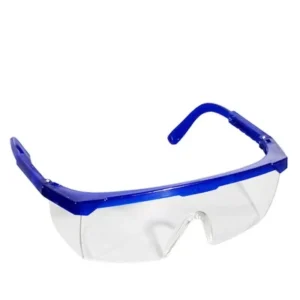
Introduction
You can buy safety glasses in the United States at hardware stores, home improvement stores, farm and tool-supply shops, pharmacies, optical stores, industrial safety suppliers, and online retailers. The best place depends on the hazard, the fit you need, and whether you need prescription lenses.
For basic home projects, a local hardware or home improvement store is often the fastest choice. For welding, chemical work, lab use, or workplace protection, use an industrial safety supplier or an employer-approved source. Online stores offer more styles, but you must check the product markings, size, return policy, and seller details before buying.
Look for safety glasses marked ANSI Z87.1. If you need protection from flying particles, look for the stronger Z87+ impact marking. Regular fashion sunglasses, blue-light glasses, and ordinary prescription glasses are not substitutes for certified protective eyewear.

Where to Buy Safety Glasses in the United States
The right retailer depends on how you will use the glasses. A nearby store may be best for a quick purchase, while a specialty supplier may offer better protection for a specific job.
Hardware and home improvement stores
Large U.S. hardware and home improvement chains commonly sell basic safety glasses in-store and online. You may find clear lenses, tinted lenses, anti-fog models, over-the-glass styles, and simple goggles.
This option works well for:
- Drilling and cutting wood
- Mowing and yard work
- Sanding
- Home repairs
- Light metal work
- General workshop use
Check the frame or package before you pay. A pair may look like safety eyewear but lack the required impact marking.
Industrial safety suppliers
Industrial suppliers sell eyewear for more demanding work. Their product range may include sealed goggles, face shields, welding lenses, chemical splash goggles, prescription safety glasses, and replacement parts.
Choose this type of supplier when you need:
- Chemical splash protection
- Dust or fine-particle protection
- Welding or cutting protection
- Side protection
- Prescription safety eyewear
- A documented workplace product
- Multiple pairs for a crew
A safety supplier can also help match the eyewear to a hazard assessment. However, the buyer still needs to confirm that the product meets the job’s requirements.
Optical stores and prescription safety-glass providers
If you wear corrective lenses, ask an optometrist, optical store, or prescription safety-glass provider about protective eyewear. Some providers can make prescription lenses in frames designed for workplace use.
Do not assume that ordinary prescription glasses provide impact protection. Ask for eyewear that is made and marked as prescription safety eyewear under the applicable standard.
Prescription safety glasses are useful for people who:
- Need clear vision while working
- Wear glasses for most of the day
- Cannot safely fit goggles over their current frames
- Need side shields or a wraparound design
- Work under an employer’s written PPE program
Pharmacies and general retailers
Some U.S. pharmacies, big-box stores, and general retailers sell low-cost safety glasses. These can be useful for simple tasks if the package clearly identifies the required safety rating.
The selection may be limited. You may not find the right lens shade, gasket, prescription option, or chemical protection. Treat these stores as a convenience option, not proof that every product they sell is suitable for every hazard.
Online retailers
Online marketplaces and safety-equipment websites offer the widest range. You can search by use, such as “ANSI Z87+ safety glasses,” “chemical splash goggles,” or “prescription safety glasses.”
Before ordering online:
- Read the full product description.
- Check photos for the ANSI marking.
- Confirm the seller and manufacturer.
- Review the return policy.
- Check the size and lens coverage.
- Confirm whether the product is sold as one pair or a multipack.
- Avoid listings that make vague claims such as “industrial grade” without a recognized marking.
Online listings can contain errors or copied descriptions. When the product page and package photo disagree, do not rely on the product until you can verify the marking.
What Safety Glasses Should You Buy?
Buy safety glasses that match the hazard, not just the task name. “Woodworking,” for example, can mean light hand sanding or high-speed routing. Those jobs may need different protection.
The Occupational Safety and Health Administration (OSHA) requires suitable eye or face protection when workers may face hazards from flying particles, molten metal, liquid chemicals, acids, caustic liquids, chemical gases, vapors, or potentially harmful light radiation. OSHA also says protective eyewear must meet the applicable consensus standard or provide equivalent protection. See OSHA’s eye and face protection requirements.
Use this quick selection guide
| Task or hazard | Often suitable | Key point |
|---|---|---|
| Mowing and yard work | Impact-rated safety glasses | Use side coverage when debris can come from the side |
| Drilling or sawing | Z87+ safety glasses | Look for high-impact marking |
| Sanding | Safety glasses or goggles | Goggles may seal better against fine dust |
| Chemical splash | Chemical splash goggles | Safety glasses alone may leave gaps |
| Grinding | Impact-rated glasses plus a face shield | A face shield does not replace primary eye protection |
| Welding | Proper welding helmet or filter lens | Choose the shade for the process |
| Dusty work | Goggles or glasses designed for dust | Vent design affects protection |
| Prescription use | Prescription safety glasses or approved over-glasses | Ordinary eyeglasses are not enough |
| UV exposure | Eyewear rated for the specific light hazard | Impact protection and UV protection are separate features |
This table is a starting point, not a complete hazard assessment. Some work needs more than one type of protection.
Understand the main markings
ANSI Z87.1 refers to a voluntary consensus standard for occupational and educational personal eye and face protection devices. The standard covers design, performance, marking, and related requirements.
Z87 generally identifies basic impact protection. Z87+ identifies high-impact performance. Look for the marking on the lens, frame, or product packaging.
Other markings may identify protection from specific hazards. Examples can include:
- D3: splash or droplet protection
- D4: dust protection
- D5: fine-dust protection
- Filter or shade markings for ultraviolet, infrared, visible light, or welding
Markings can vary by product type and standard edition. Read the manufacturer’s instructions instead of guessing from a symbol alone.
Safety glasses versus safety goggles
Safety glasses usually protect the eyes from the front and may include side coverage. They are comfortable and suitable for many impact hazards.
Goggles fit more closely around the eyes. They are often the better choice for chemical splashes, heavy dust, or work where particles can enter around the sides.
A face shield protects more of the face, but it usually should be worn with suitable safety glasses or goggles underneath. A face shield alone may not stop small particles from reaching the eyes.
How to Choose the Right Place to Buy
Use the hazard first, then choose the retailer. This order prevents a common mistake: buying a convenient product that does not protect against the actual risk.
Choose a local store when speed matters
A local store is useful when:
- You need glasses today.
- The job is a common home task.
- You want to try the fit.
- You can inspect the markings before purchase.
- You need a low-cost spare pair.
Bring the glasses to a well-lit area and inspect the lens and frame. Do not buy a pair with cracks, deep scratches, loose parts, or unclear labeling.
Choose a specialty supplier for unusual hazards
Use a specialty supplier when the work involves chemicals, welding, lasers, laboratory materials, fine dust, or prescription lenses. These suppliers are more likely to list technical details and provide product documents.
For workplace use, ask your safety manager or employer which products are approved. An employer may have rules for lens color, side shields, chemical compatibility, cleaning, and replacement.
Choose an optical provider for prescription needs
Ask whether the product is:
- Prescription-rated safety eyewear
- Compatible with your prescription
- Marked for the needed impact level
- Available with side protection
- Suitable for the work environment
Avoid modifying safety eyewear yourself. Drilling holes, removing side shields, or replacing lenses with unapproved parts can change how the product performs.
How to Check Safety Glasses Before You Buy
A reliable inspection takes only a few minutes.
1. Find the safety marking
Look on the lens, frame, temple, or package for the applicable marking. For impact work, confirm whether the product shows Z87 or Z87+, based on the protection your job requires.
If the listing says “meets ANSI standards” but provides no marking or manufacturer information, choose a different product.
2. Check the coverage
The lenses should cover the eyes from the front. Side shields or wraparound lenses can reduce gaps at the sides.
For splash hazards, glasses with open sides are usually not enough. Use goggles designed for chemical splash protection.
3. Check the fit
The glasses should stay in place when you bend, look up, or turn your head. They should not press painfully on the nose, ears, or temples.
A poor fit can create gaps and may cause the wearer to remove the glasses during work. Adjustable temples, nose pads, and several frame sizes can help.
4. Check lens condition
Do not buy or use eyewear with:
- Cracks
- Deep scratches
- Clouding
- Loose lenses
- Warped vision
- Broken temples
- Damaged seals
Scratches can make it harder to see and may lead to unsafe work. Replace damaged eyewear rather than trying to repair the lens.
5. Check compatibility with other PPE
Safety glasses must work with hard hats, hearing protection, respirators, welding helmets, and face shields. A pair that pushes a respirator seal away from the face may create a separate safety problem.
Try the complete PPE setup before starting work.
Can You Buy Safety Glasses at a Dollar Store?
You may find safety glasses at a dollar store or discount retailer, but low price does not confirm protection. Buy them only when the package clearly shows the required safety marking and the product fits the task.
For simple, low-risk home work, a marked product may be suitable. For high-impact work, chemical handling, welding, or an employer-controlled task, use a product with clear manufacturer information and documented performance.
Do not use unmarked glasses for work that can produce flying particles or chemical splashes. Clear plastic lenses that resemble safety glasses may be ordinary protective fashion eyewear.
Where to Buy Prescription Safety Glasses
You can buy prescription safety glasses through an optometrist, optical retailer, occupational safety supplier, or online prescription provider that accepts a valid prescription.
Before ordering, confirm:
- The prescription is current.
- The frame is designed for safety use.
- The lenses meet the needed impact requirement.
- The provider can add side protection if needed.
- The product works with your other PPE.
- The return policy covers fit or prescription issues.
Over-the-glass safety glasses are another option. They fit over ordinary prescription glasses, but they may be larger, heavier, or less comfortable. They also may not fit under every respirator or face shield.
Common Buying Mistakes
The most common mistake is choosing eyewear by appearance rather than by hazard and marking.
Avoid these errors:
- Buying sunglasses for impact protection
- Assuming ordinary prescription glasses are safety glasses
- Using safety glasses instead of splash goggles
- Using a face shield without eye protection underneath
- Choosing dark lenses for work that needs clear vision
- Ignoring side exposure
- Wearing scratched or cracked lenses
- Removing side shields
- Mixing unapproved replacement lenses and frames
- Buying from a listing with no clear manufacturer or rating
- Assuming “ANSI tested” means protection from every hazard
Eye protection is only one part of safe work. Use guards, ventilation, safe work methods, and other required PPE as well.
What OSHA Says About Workplace Eye Protection
For U.S. workplaces, OSHA’s requirements apply to employers and employees within OSHA’s jurisdiction. Employers must assess hazards and provide suitable personal protective equipment when required. OSHA’s general PPE rule, 29 CFR 1910.132, addresses hazard assessment, selection, use, and training.
OSHA’s eye and face protection rule, 29 CFR 1910.133, addresses protection from common eye and face hazards. Construction and other industries may have additional rules.
If you are buying glasses for a job, ask the employer before purchasing. The employer may provide the eyewear, require a specific model, or cover the cost under its PPE program. A consumer product that seems suitable may not meet the employer’s written requirements.
Frequently Asked Questions
Where is the best place to buy safety glasses?
For basic home projects, a hardware or home improvement store is usually practical. For chemical, welding, dust, prescription, or workplace needs, use an industrial safety supplier, optical provider, or employer-approved source.
Do safety glasses have to be ANSI approved?
OSHA requires suitable eye protection that meets the applicable consensus standard or provides equivalent protection for covered workplace hazards. For many buyers, the easiest check is an ANSI Z87.1-related marking on the eyewear or package.
Are clear safety glasses better than tinted glasses?
Neither is always better. Clear lenses suit indoor and low-light work. Tinted lenses can help with glare, but the tint must not make it hard to see hazards. Welding and other bright-light tasks need the correct filter or shade, not just a dark lens.
Can I wear safety glasses over regular glasses?
Yes, some products are designed as over-the-glass safety eyewear. Check the fit, side coverage, comfort, and compatibility with other PPE. Prescription safety glasses may provide a closer and more comfortable fit.
How often should safety glasses be replaced?
Replace them when they are cracked, deeply scratched, distorted, loose, or otherwise damaged. Also follow the manufacturer’s cleaning, inspection, and replacement instructions. A fixed calendar is less useful than regular inspection and the conditions of use.
Conclusion
In the United States, you can buy safety glasses from local hardware stores, home improvement retailers, industrial suppliers, optical stores, pharmacies, and online sellers. For the safest choice, match the eyewear to the hazard and confirm the product marking before you buy.
For general impact work, start with properly marked Z87 or Z87+ safety glasses. For chemicals, fine dust, welding, or prescription needs, choose specialized protection. If the glasses do not fit, do not cover the hazard, or lack clear product information, select another pair or ask a qualified safety professional for help.
Rubel Miah is the Senior Editor at MyStyleGrid.com, where he brings a sharp editorial eye and an unshakable love for fashion to everything he does. A true style addict, Rubel lives and breathes trends, from streetwear to high fashion, and has a knack for turning inspiration into impactful stories. With years of experience in fashion journalism and digital media, he curates content that empowers readers to express themselves through style. When he’s not editing features or forecasting the next big thing, you’ll find him hunting down vintage pieces or capturing street style moments around the city.