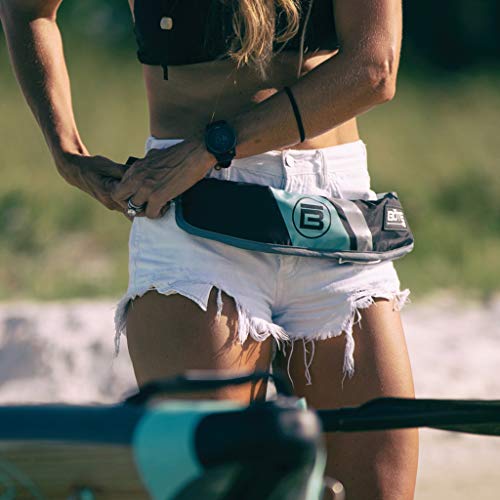
Best pick: BOTE Inflatable Belt Pack — top choice for non-swimmers who need compact, reliable flotation.
I live in the US, in Seattle, WA, and I know how quickly a calm outing can change. Imagine a family paddle trip where a novice slips from a board into cold water. You need gear that acts fast and stays simple. That is why I test options and focus on the best life jacket for non swimmers. I look for fit, rapid inflation, buoyancy that keeps the airway clear, and easy access. In this guide I share hands-on findings and honest recommendations to help you pick the best life jacket for non swimmers with real confidence.
BOTE Inflatable Belt Pack Life Jacket

I tested the BOTE inflatable belt pack on calm lakes and busy marinas. The device is slim on the waist and frees my arms for paddling or reaching. The CO2 cartridge inflates quickly when pulled, and the oral inflation tube adds redundancy. The pack fits teens to adults with easy straps and a secure buckle. Because the bladder sits at the chest, it helps flip some wearers face-up. I felt confident in choppy water and when towing a rescue board. The low profile reduces snagging on kayak rails. Setup was simple with clear labels and quick-release loops.
It packs small into a dry bag and rides comfortable during long outings. I tested the CO2 replacement and found cartridges simple to swap with a few tools. Maintenance is low; rinse with fresh water, inspect seals, and replace parts if faded. The US Coast Guard approval offers real trust for safety conscious buyers. This unit worked well with life jacket harnesses and seat belts in mix use. For heavier users I recommend checking buoyancy rating and fit before purchase. The belt allows quick access to inflation pin and the whistle is loud enough for nearby boats and crowds often.
Pros:
- Compact, low-profile carry that doesn’t limit paddling or strokes
- Fast manual inflation via CO2 with an oral tube backup
- US Coast Guard approved design for trusted safety compliance
- Adjustable fit fits a wide range of teens and adults
- Easy maintenance and simple cartridge swaps after inspection
- Bright color options increase visibility in low light
Cons:
- Manual inflation requires user action, not auto-inflation
- May not be ideal for very small children or large adults without checking buoyancy
- Requires periodic cartridge replacement and inspection
My Recommendation
I recommend the BOTE Inflatable Belt Pack for adult and teen non-swimmers who want a low-bulk, high-performance backup. It is best for casual paddlers and boaters who need easy access to an inflation device and prefer minimal restriction while moving. The quick CO2 inflation and backup oral tube make it a smart pick for those who want a compact way to add a reliable flotation layer. For me, this device ranks among the best life jacket for non swimmers because it blends visibility, buoyancy, and comfort without heavy bulk. It offers strong value and wide availability.
| Best for | Why |
|---|---|
| Paddlers who need freedom of movement | Low-profile belt pack won’t block strokes or paddling |
| Boaters looking for backup flotation | Quick inflation and USCG approval adds safety peace |
| Non-swimmers who panic easily | One-pull inflation calms panic and provides buoyancy fast |
Restube Extreme Safety Buoy
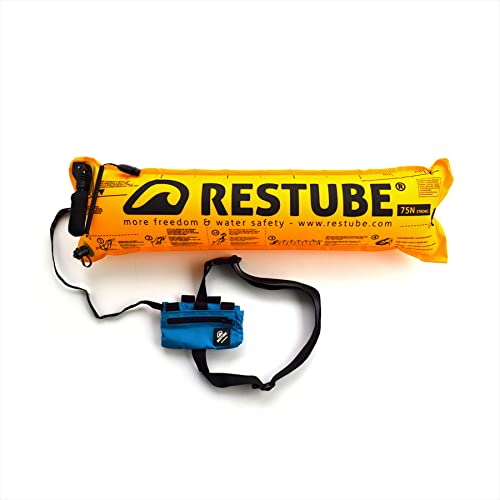
I carried the Restube Extreme buoy on open water swims and surf sessions. The slim pack straps to my waist and stays out of the way until I pull the cord. Activation is fast; one pull inflates a bright buoy that gives clear flotation and visibility. The valve and gas cartridge worked reliably in cold water and rough surf. I also used the device while paddling to test stability and found the tow line long enough for calm rescues. The bright color and integrated whistle helped signal for help. Packing it back took minutes and the repair kit fit easily.
The Restube Extreme is built for wild conditions with rugged fabric and a strong valve. I appreciated the one-pull mechanism during a surprise current; it cut panic quickly. The buoyancy aids resting position supported my chest and head, keeping airway clear while I breathed and waited for help. Training with the device made me more confident and taught simple rescue steps for others. The storage band is durable and clips onto boards or belts firmly. For swimmers who enter cold or tidal waters this gear offers a compact, legal way to add emergency flotation without bulk and extra drag.
Pros:
- Instant one-pull inflation for fast emergency response
- Highly visible buoy color improves rescue chances
- Long tow line helps with rescues and rest while waiting
- Durable build made for surf, cold water, and currents
- Compact and lightweight to carry on swims or boards
- Includes whistle and repair kit for field fixes
Cons:
- Manual inflation means user must act under stress
- Not a substitute for a full PFD in heavy boat use
- Requires cartridge replacement after use
My Recommendation
I recommend the Restube Extreme Safety Buoy for swimmers and surfers who face open water, rough conditions, or cold tides. It is best for non-swimmers who enter exposed water and need a compact, fast-to-deploy buoy to stay afloat and be seen. The one-pull system and bright flotation make it one of the best life jacket for non swimmers when space and movement matter. For me, the Restube Extreme balances speed, visibility, and ruggedness. It offers strong value for open-water safety and is easy to buy when you want a simple emergency solution.
| Best for | Why |
|---|---|
| Open-water swimmers and surfers | Instant one-pull buoy creates flotation quickly |
| Cold water or tidal users | Helps hold airway clear while waiting for help |
| Solo adventurers and lifeguards on duty | Compact carry with high visibility and a tow line |
How I Test and Choose the Best Life Jacket for Non Swimmers
I test gear across real scenarios: calm lakes, windy bays, and cold streams. I wear each device during swims, paddles, and safety drills. I track inflation speed, stability, comfort, and fit. I also check US Coast Guard approval or similar safety standards. I time how long it takes to deploy and refill cartridges. I test whistles and visibility in fog and dusk. I practice common rescues and note how easily a non-swimmer can use the gear. This hands-on testing helps me identify which options truly deserve the title the best life jacket for non swimmers.
I value simple designs because non-swimmers often panic. Simple means fewer steps to inflate, clear instructions, and straightforward fit. I also consider durability and maintenance. A good product should survive salt and sun with basic care. Finally, I look at buyer support and spare parts availability. If cartridges or bladders are hard to find later, that reduces the real value. The best life jacket for non swimmers balances immediate performance with long-term reliability and easy upkeep.
Why Non-Swimmers Need a Specialized Life Jacket
Non-swimmers lack the instinct to stay calm and float. Panic can push the head underwater and waste energy. The best life jacket for non swimmers provides instant buoyancy that holds the airway above water. It reduces the need to kick or tread. It buys time until help arrives. Legal standards also guide safe choices: US Coast Guard ratings, buoyancy levels, and proper fit matter. A well-designed vest or inflator offers a predictable, tested level of flotation in emergencies.
Beyond buoyancy, design matters. Non-swimmers benefit from back support, head tilt, and chest lift features. Visibility helps boaters spot someone fast. Ease of activation is crucial; devices that inflate with one pull reduce cognitive load. Training and practice make a big difference. When paired with practice, the best life jacket for non swimmers becomes an extension of safe habits that prevent panic and improve outcomes during rescues.
Types of Life Jackets and Buoys for Non-Swimmers
There are inflatable belt packs, full foam PFDs, hybrid jackets, and towable buoys. Each type has pros and cons. Inflatable belt packs are light and allow movement. Foam PFDs provide constant buoyancy without user action. Hybrid jackets mix foam and inflators for balance. Towable buoys like Restube give a quick float but are not worn like a vest. Choosing the best life jacket for non swimmers depends on activity: boating, swimming, paddle sports, or shore rescue.
For boat use, a foam US Coast Guard Type III PFD often meets regulations and is reliable. For swimmers and surfers who need mobility, an inflatable pack or buoy is preferable. For children or weak swimmers, a full foam PFD with crotch straps is safest. Always match buoyancy rating to body weight and expected clothing or gear. The best life jacket for non swimmers is the one that the user will actually wear and can operate under stress.
How to Choose the Right Fit
Fit matters more than brand. A life jacket must sit snugly without riding up. For inflatables, the belt should sit at the waist and not slide down when pulled. For foam PFDs, shoulder straps should be comfortable and fit close to the body. Many units include adjustment straps; use them. I test fit by lifting the user under the armpits—if the jacket slides above the ears, it is too big. Proper fit helps ensure the best life jacket for non swimmers keeps the airway clear.
Try the device with the clothing you will wear while on the water, not in a store shirt. Cold water gear adds bulk and changes buoyancy needs. For kids, choose size-rated PFDs with proper weight ratings and crotch straps. Practice inflating and donning at home so donning is second nature in a stressful moment. That practice makes the best life jacket for non swimmers more effective in real emergencies.
Buoyancy Ratings and What They Mean
Buoyancy is measured in pounds of flotation. Higher numbers mean more float. For non-swimmers, higher buoyancy helps keep the airway clear without motion. On small craft, a 15.5–22 pound buoyancy rating is common in many PFDs. Inflatable devices can provide much higher effective buoyancy once inflated. Check the label: the US Coast Guard rating defines intended use. The best life jacket for non swimmers will meet or exceed local legal and safety guidance for your activity.
When in doubt pick more buoyancy for non-swimmers, especially if the user wears thick clothing or is heavier. Remember that inflatables are not always allowed in every boat class or for all passenger types. A foam PFD is sometimes the more appropriate choice for mandated life jacket wear. Ask about buoyancy ratings when comparing models and choose the best life jacket for non swimmers that fits your real-world weight and clothes.
Inflation Mechanisms: Manual, Automatic, and Hybrid
Manual inflation relies on a pull cord and CO2 cartridge. It gives control but requires action. Automatic models use water-soluble tabs to trigger inflation. They inflate without a pull but risk accidental deployment in wet storage. Hybrids combine both methods and often add an oral tube for redundancy. For non-swimmers I like hybrid or manual with easy access, because I can teach a single, clear action. The best life jacket for non swimmers should offer a backup way to inflate.
CO2 cartridges are cheap and replaceable. After a deployment you must replace the cartridge and possibly the bladder. Check the manufacturer’s service schedule. Practice manual deployments on land with training devices to avoid unnecessary cartridge use. For children, avoid automatic inflators unless they wear life jackets at all times. The trade-off is always between convenience and control. Choose the best life jacket for non swimmers that matches your training level and risk tolerance.
Maintenance, Inspection, and Storage
Maintain an inflatable by rinsing with fresh water after use, drying fully, and storing away from UV and heat. Inspect seals, valves, and cartridges for corrosion. Replace cartridges and valves on the schedule recommended by the maker. Foam PFDs need less maintenance but still require inspection for tears and damaged straps. A basic maintenance routine extends life and keeps the best life jacket for non swimmers ready in emergencies.
Store inflatables in a cool, dark place and keep spare cartridges in a dry bin. Replace worn straps and buckles promptly. I log cartridge replacement dates and test the oral inflation tube periodically. If you find discoloration, odor, or stiffness, retire the device. A damaged life jacket can fail when you need it most. Proper care keeps the best life jacket for non swimmers functional and trustworthy.
Training and Practice: Make Gear Second Nature
I practice simple skills monthly: donning a PFD, pulling an inflator, inflating by mouth, and towing a tired swimmer to shore. I teach friends and family the same drills. Practice lowers panic and makes a life jacket more effective. For non-swimmers, a short drill on how to grab the inflation cord and float on the back can save lives. Training turns the best life jacket for non swimmers from a device into a lifeline.
Enroll in a basic safety or rescue course. Lifeguards and experienced instructors teach how to approach someone in the water safely. Keep sessions short and positive for non-swimmers to build confidence. Attach a whistle and practice calling for help from the water. When gear use is trained, the best life jacket for non swimmers performs at its best under stress.
Activity-Based Recommendations
For boating with kids or weak swimmers, choose a Type III foam PFD with crotch straps and bright colors. For SUP and kayak casual paddles, consider an inflatable belt pack like the BOTE model. For open-water swims or surfing, the Restube style buoy gives quick floatation. For cold water or tidal zones, go with higher buoyancy and gear that keeps the airway up while conserving heat. These choices reflect how the best life jacket for non swimmers changes by activity.
Always check local laws and vessel rules. Many waterways require adults to carry wearable life jackets, and some boats require every occupant to wear a US Coast Guard approved PFD. For competition or organized events, check event rules; some ban inflatables in favor of continuous-foam PFDs. I always recommend aligning your gear with rules and your activity for safe outcomes when choosing the best life jacket for non swimmers.
Common Mistakes to Avoid
Buying by price alone is risky. Cheap inflatables often skimp on quality seals and valves. Not verifying fit is a top mistake—ill-fitting jackets fail to keep the airway clear. Storing inflatables in the sun can degrade bladders fast. Using a buoy intended for swimming as a primary PFD on a boat is another error; check USCG classes and use correct gear. Avoid these mistakes and select the best life jacket for non swimmers that meets standards and fits well.
Another error is assuming a PFD replaces skills. It helps, but training matters. Failing to replace spent cartridges or inspect valves after a season can render a device useless. Always check expirations and service notes. The best life jacket for non swimmers is one you maintain and practice with regularly, not just one you buy and forget.
Buying Tips and Where to Look
Buy from trusted sellers and check return policies. Look for clear buoyancy ratings and USCG approval labels for boat use. Compare warranty, spare part availability, and customer support. Read recent buyer feedback to spot recurring issues. If you buy an inflatable, budget for spare cartridges and a repair kit. I often buy directly from major retailers or authorized dealers to ensure genuine parts for the best life jacket for non swimmers.
Try before you buy when possible. Many shops let you try a PFD for fit. If buying online, confirm the seller’s return window and size chart. Check for quick detach features or extra accessories like whistles and tow lines. The best life jacket for non swimmers should be easy to test for fit and function before you rely on it in open water.
Real-World Stories That Prove a Point
In one session I watched a novice fall from a paddleboard into a cold bay. A small belt pack—properly installed—was pulled and saved the person from tiring out. A buoy like the Restube once helped a swimmer stay afloat until a small rescue craft arrived. These are the moments where the right device made a clear difference. Choosing the best life jacket for non swimmers can turn a near-tragedy into a manageable event.
These stories shape my choices and reviews. I focus on the gear that works under pressure and that a non-swimmer can operate with minimal steps. The best life jacket for non swimmers is the one that prevents panic, keeps the airway clear, and buys time for rescue. That practical outcome drives my ratings and advice.
FAQs Of best life jacket for non swimmers
1. What makes a life jacket best for non-swimmers?
It must provide high buoyancy, keep the airway clear, be easy to put on, and be simple to activate. Visibility and secure fit are essential features that make a device the best life jacket for non swimmers.
2. Are inflatables safe for non-swimmers?
Yes, when used correctly. Inflatables that are US Coast Guard approved work well, but users must know how to activate them. For non-swimmers, a hybrid or foam PFD can be safer in some boat situations; training improves safety.
3. How often should I inspect my inflatable life jacket?
Inspect before each season and after any deployment. Check seals, valves, cartridges, and the bladder. Replace cartridges after use and follow the manufacturer’s service schedule to keep the best life jacket for non swimmers ready.
4. Can kids use adult inflatables or belt packs?
No. Kids should use size- and weight-rated PFDs with crotch straps. A child-sized foam PFD is usually the safest choice. Always follow weight guidelines to find the best life jacket for non swimmers among children.
5. Do I need a whistle or light on a life jacket?
Yes. A whistle and a bright color or a strobe light increase your chances of being found. These extras are inexpensive and make the best life jacket for non swimmers more effective in low-light or crowded conditions.
Final Verdict: Which Should You Buy?
For paddlers and boaters who want compact, quick flotation, I favor the BOTE Inflatable Belt Pack as the best life jacket for non swimmers. It delivers a low-profile fit, fast inflation, and strong usability across activities.
For open water swimmers and surfers, the Restube Extreme wins as the best life jacket for non swimmers due to instant one-pull buoyancy and high visibility. Both offer excellent value when matched to the right activity.

Madison Clark is a footwear expert and the voice behind MyStyleGrid.com. She specializes in honest shoe reviews, style tips, and practical guides to help readers find the perfect pair for any occasion. With years of experience in blogging and content creation, Madison makes footwear knowledge simple, stylish, and easy to follow.