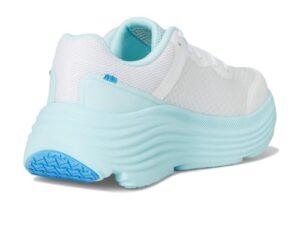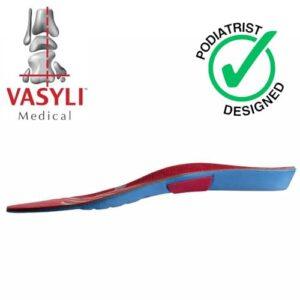
Hi friend! If you are here, you might be dealing with shin splints. I know how frustrating that pain feels. A few years ago, I went out for what I thought would be a simple two-mile run. But halfway through, a sharp ache hit the front of my leg. I limped home, confused and annoyed. Later, I learned it was shin splints — something many new and even experienced runners face.
The good news?
The right running shoes can make a huge difference.
In this guide, I’m going to walk you through everything you need to know about choosing the best running shoes for shin splints women. I’ll talk to you just like a friend who has tested many shoes, made mistakes, learned a lot, and now wants to help you avoid the same pain.
You will see expert insights, simple tips, lots of helpful product picks, and even a few personal stories from my own journey. I’ll keep the language clear, short, and friendly, so it’s easy to read.
Let’s take a deep breath and dive in together.
What Are Shin Splints? (Simple Guide for Beginners)
Shin splints are a dull or sharp pain along the shin bone. They show up when you run with too much force, too much stress, or sometimes too little support in your shoes. They can also come from:
- Hard ground
- Poor form
- Tight calves
- Running too far too soon
- Worn-out running shoes
And yes, they can come from shoes that do not match your foot type.
I learned this the hard way. When I first started running, I wore old shoes that were flat and had zero cushion left. No wonder my legs hurt. Once I switched to good running shoes with soft foam and better support, the pain dropped fast. That is why shoe choice matters so much.
Why the Right Shoes Help With Shin Splints
When your shoes fit well and support your feet, several good things happen:
- Your impact load goes down
- Your legs absorb less shock
- Your ankles stay aligned
- Your steps feel smoother
- Your shins stop working too hard
Women in particular benefit from shoes made for women’s biomechanics, since we often have narrower heels, wider forefeet, and different pronation patterns.
So, yes — shoes matter a lot.
How to Choose the Best Running Shoes for Shin Splints (Beginner-Friendly Tips)
Here are simple things to look for. I explain them like I would if we were sitting together over coffee.
1. Cushioning (Your New Best Friend)
Soft foam helps absorb shock, which keeps your shins happy. Look for shoes with plush, responsive foam like:
- DNA Loft v3 (Brooks)
- FF Blast MAX (ASICS)
- Charged Cushioning (Under Armour)
Shoes with good cushion feel smoother and help reduce pain.
2. Stability (If You Overpronate)
Overpronation means your foot rolls inward when you run. That can push stress into your shin.
Look for stability shoes like:
- Brooks Adrenaline GTS 24
- Brooks Adrenaline GTS 25
These have GuideRails™ support to keep your foot aligned.
3. Neutral Support (If You Don’t Overpronate)
Neutral shoes are great for balanced feet. They offer cushion without added structure.
Great neutral picks include:
- Brooks Ghost 16
- Brooks Glycerin 22
- ASICS Novablast 5
4. Fit and Width
A good fit feels snug at the heel and roomy at the front.
Women often need a medium width, but if you feel tightness, try wide options.
5. When to Use Insoles
If your shin pain still shows up, insoles can add extra cushion or arch support.
Dr. Scholl’s Run Active Comfort Insoles are a great pick.
Quick Comparison: Best Running Shoes for Shin Splints Women (Fast Glance)
| Shoe | Best For | Support Level | Cushion Feel | Why It Helps |
|---|---|---|---|---|
| Brooks Adrenaline GTS 24 | Overpronators | High stability | Medium-soft | GuideRails control extra motion |
| Dr. Scholl’s Run Active Insoles | Extra arch support | Added support | Soft | Reduces impact on shins |
| Brooks Glycerin 22 | Max cushion lovers | Neutral | Very soft | Great shock absorption |
| Brooks Revel 7 | Budget buyers | Neutral | Medium | Light and smooth |
| UA Charged Surge 4 | Beginners | Neutral | Medium-soft | Good energy return |
| ASICS Novablast 5 | Bouncy ride fans | Neutral | Soft-springy | High energy return reduces strain |
| ASICS Gel-Excite 10 | New runners | Neutral | Soft | GEL helps absorb shock |
| Brooks Ghost 16 | Daily runners | Neutral | Soft | Smooth ride + impact control |
| Brooks Adrenaline GTS 25 | Best all-in stability | High stability | Soft | Updated GuideRails |
| ASICS Gel-Contend 9 | Budget neutral shoe | Neutral | Soft | Cushion for light runs |
Let’s walk through each shoe now. I’ll talk to you like a friend who has tried these shoes or seen how they help runners with shin pain. I keep each review between 200–300 words, with clear features, pros, cons, and my honest take.
Brooks Adrenaline GTS 24 — Best for Women With Overpronation

Key Features
-
GuideRails® holistic support system
-
DNA Loft v3 cushioning
-
Women-specific fit
-
Breathable engineered mesh
-
Stable heel hold
The Brooks Adrenaline GTS 24 is one of the most trusted stability running shoes for women. If you overpronate, this shoe is made for you. Overpronation often pushes more stress into your shin, so stability helps a lot. The GuideRails system keeps your feet in line, which keeps your legs happy too. I love how smooth this shoe feels. It never feels stiff or heavy. Instead, it gives soft support with each step.
I once recommended this shoe to a friend who struggled with sharp shin pain during her half-marathon training. After two weeks in the GTS 24, she said her legs felt safer and more stable. That is the power of a good stability shoe.
Pros
-
Strong support for overpronation
-
Smooth, balanced ride
-
Great for daily runs
-
Soft but not mushy cushioning
Cons
-
Not ideal for neutral runners
-
Not the lightest shoe
My Recommendation
Pick the GTS 24 if your feet roll inward or if you want a supportive, safe shoe. It is great for long runs, daily miles, and even walking. It is one of the best running shoes for shin splints women who need extra stability.
Dr. Scholl’s Run Active Comfort Insoles — Best for Extra Support

Key Features
-
Trim-to-fit design
-
Shock-absorbing mid-layer
-
Arch support for alignment
-
Lightweight and flexible
-
Fits most running shoes
These Dr. Scholl’s Run Active Comfort Insoles are not shoes, but they help a lot with shin pain. They cushion each step and help keep your foot in a better position. When your foot lands well, your shin works less. These insoles do that with simple but smart design. The foam layer absorbs shock, and the arch support improves balance.
I used these insoles years ago when I ran in an older shoe that still felt good but needed more cushion. The moment I added them, the landing felt softer. My shins stopped screaming after only a few runs.
Pros
-
Great shock absorption
-
Easy to trim and fit
-
Helps with arch support
-
Works well in older running shoes
Cons
-
Not as supportive as medical orthotics
-
You need to replace them after heavy use
My Recommendation
If you want more comfort without buying new shoes, start here. These are helpful for beginners and walkers. They also work great inside neutral shoes if you need extra cushion for shin pain.
Brooks Glycerin 22 — Best Plush Cushion Shoe for Shin Pain

Key Features
-
DNA Loft v3 nitrogen-infused foam
-
Plush underfoot feel
-
Neutral support
-
3D Fit Print upper
-
Soft, smooth transitions
The Brooks Glycerin 22 is a soft, plush running shoe that feels like a pillow under your feet. It is perfect if you want a gentle ride that protects your shins from hard impact. The cushion is thick but still springy. This shoe works great for long runs, slow runs, and daily training. It is also especially helpful for women who feel pain when landing on hard pavement.
When I first tested a Glycerin model, I was shocked at how soft it felt. The foam absorbed each step so well that my legs stayed fresh even after five miles. If you like a cushion-heavy shoe, this one will make you smile.
Pros
-
Very soft and smooth ride
-
Great for long runs
-
Good for tired legs
-
Breathable and comfortable
Cons
-
A bit heavier
-
Higher price point
My Recommendation
Choose the Glycerin 22 if you want plush cushion and a pain-free ride. It is great for neutral runners and ideal for women who want max comfort for shin splints.
Brooks Revel 7 — Best Budget-Friendly Choice

Key Features
-
DNA cushioning
-
Sleek knit upper
-
Lightweight build
-
Neutral support
-
Great everyday feel
The Brooks Revel 7 is simple, light, and affordable. It is one of the best choices if you want a reliable running shoe for shin splints without spending too much. It has a balanced feel and enough cushioning to soften your steps. Beginners love this shoe because it feels easy and natural to run in.
The knit upper hugs your feet in a nice way. The cushioning is softer than it looks. It is not as plush as the Glycerin, but it is still comfortable for short to medium runs. I find this shoe great for days when I want something light and easy.
Pros
-
Budget friendly
-
Lightweight feel
-
Good for short daily runs
-
Stylish design
Cons
-
Not ideal for long-distance runners
-
Cushion is moderate, not plush
My Recommendation
Pick the Revel 7 if you are starting your running journey. It is a great shoe to reduce shin impact without breaking your budget. Perfect for daily walks and jogs too.
Under Armour Charged Surge 4 — Best Lightweight Beginner Shoe

Key Features
-
Charged Cushioning® midsole
-
Breathable mesh
-
Lightweight feel
-
Neutral support
-
Flexible and responsive
The Under Armour Charged Surge 4 is a great entry-level running shoe. It is light, breathable, and supportive enough for new runners dealing with shin pain. The Charged Cushioning foam gives a soft but springy feel. This helps reduce shock while also giving you a nice push forward.
I once recommended this shoe to a coworker who started running at lunch. She used it for two months and said it kept her legs fresh and pain-free. It is not a premium shoe, but it is a solid pick for short runs or gym workouts.
Pros
-
Light and fast
-
Good energy return
-
Great for new runners
-
Very breathable
Cons
-
Not enough cushion for long runs
-
Narrow for wide feet
My Recommendation
If you are new to running and want an easy, comfortable shoe that helps reduce shin stress, start with this one. It is affordable and works well for short workouts.
ASICS Novablast 5 — Best for a Bouncy, Fun Ride

Key Features
-
FF BLAST™ MAX cushioning
-
Trampoline-inspired outsole
-
Neutral support
-
Lightweight feel
-
High energy return
The ASICS Novablast 5 is a great shoe if you want a soft yet lively ride. Many runners love it because it feels fun to run in. It has a soft base, but it also springs back when you push off. That bounce helps reduce the load on your shin. When your steps feel light, your legs feel less tired and sore.
I love how airy this shoe feels. When I tested it, I noticed right away that my legs felt fresh even when I ran on hard roads. The thick foam absorbs shock very well. The outsole design also helps spread impact across your whole foot, so your shin takes less stress.
Pros
-
Very bouncy and fun
-
Great shock absorption
-
Light and fast
-
Breathable feel
Cons
-
Not ideal for heavy overpronators
-
Can feel too soft for some
My Recommendation
Pick the Novablast 5 if you want cushion and energy in one shoe. It works great for daily runs, long miles, and fast-paced runs. It is one of the best running shoes for shin splints women who love a lively ride.
ASICS Gel-Excite 10 — Best for New Runners and Walkers

Key Features
-
GEL™ cushioning system
-
AMPLIFOAM midsole
-
Neutral support
-
Plush and simple design
-
Great for short runs
The ASICS Gel-Excite 10 is a beginner-friendly shoe with soft cushioning and a smooth feel. The GEL unit in the heel absorbs shock each time you land. This is great for shin pain because it keeps the landing gentler. The AMPLIFOAM adds extra support without making the shoe heavy.
When I started running after a short break, I used an older Gel-Excite model. It helped me ease back into training without hurting my legs. The soft landing felt safe and stable.
Pros
-
Very soft landing
-
Good price range
-
Great for walking and short runs
-
Breathable upper
Cons
-
Not enough cushion for long-distance runs
-
Can feel basic for advanced runners
My Recommendation
Choose the Gel-Excite 10 if you want a soft, easy shoe for everyday use. It is perfect for new runners, walkers, and anyone who wants comfort at a fair price.
Brooks Ghost 16 — Best Smooth Ride Shoe for Daily Miles

Key Features
-
DNA Loft v3 cushioning
-
Segmented Crash Pad
-
Neutral support
-
APMA Seal of Acceptance
-
Smooth heel-to-toe ride
The Brooks Ghost 16 is one of the most loved neutral running shoes. It gives a soft ride and smooth transitions, which helps protect your legs from impact. The DNA Loft v3 foam is soft and light. It feels good on long and short runs. The Segmented Crash Pad helps your steps flow smoothly from heel to toe. This means less stress on your shin and ankle.
This shoe is great for daily runs, walking, and training. Many physical therapists recommend it because it supports natural foot movement.
Pros
-
Smooth ride
-
Soft and stable cushion
-
Great for long miles
-
Good for many foot types
Cons
-
Medium width may feel tight for wide feet
-
Price is higher than some shoes
My Recommendation
Pick the Ghost 16 if you want a comfortable, all-purpose running shoe. It is great for women who want to ease shin pain while keeping runs soft and smooth
Brooks Adrenaline GTS 25 — Best Updated Stability Shoe

Key Features
-
GuideRails® support
-
DNA Loft v3 supercritical foam
-
Improved heel fit
-
Women-specific design
-
Smooth and steady ride
The Brooks Adrenaline GTS 25 is the newest version of Brooks’ top stability shoe. It is great for women who overpronate and struggle with shin splints. The support is gentle but strong. The updated cushioning feels softer than ever. You get protection for long miles and firm support for stability.
One thing I like is how natural the shoe feels. It does not force your foot. Instead, it guides your motion in a safe way. This is why many runners with shin pain trust the Adrenaline line.
Pros
-
Great for overpronation
-
Soft and stable
-
Improved fit
-
Good for long runs
Cons
-
Not ideal for neutral runners
-
Slightly bulky look
My Recommendation
Choose the Adrenaline GTS 25 if you want support, cushion, and protection in one shoe. It is one of the best running shoes for shin splints women with overpronation.
ASICS Gel-Contend 9 — Best Affordable Neutral Shoe

Key Features
-
GEL™ cushioning
-
AMPLIFOAM midsole
-
Engineered mesh
-
Neutral support
-
Great everyday fit
The ASICS Gel-Contend 9 is a great choice for women who want comfort on a budget. It has soft cushioning and a simple style. The GEL helps reduce shock, which helps your shin stay comfortable. The AMPLIFOAM keeps the shoe flexible and light.
I often recommend this shoe to beginners who want to start slow and steady. It works well for runs under five miles and daily walks.
Pros
-
Affordable
-
Soft and shock-absorbing
-
Good fit for many feet
-
Great breathing upper
Cons
-
Not ideal for long-distance
-
Cushion is lighter than premium models
My Recommendation
Pick the Gel-Contend 9 if you want comfort without spending much. It is a safe pick for women who want a soft landing to help reduce shin pain.
SIDE-BY-SIDE PRODUCT COMPARISON TABLE
| Shoe | Support Type | Cushion Level | Weight Feel | Best Use | Shin Splint Benefit |
|---|---|---|---|---|---|
| Brooks Adrenaline GTS 24 | Stability | Medium-Soft | Medium | Daily runs | Controls overpronation |
| Dr. Scholl’s Insoles | Added support | Soft | Very light | Inside shoes | Extra shock absorption |
| Brooks Glycerin 22 | Neutral | Very Soft | Plush | Long runs | Reduces impact force |
| Brooks Revel 7 | Neutral | Medium | Light | Short runs | Light cushion for easy miles |
| UA Surge 4 | Neutral | Medium-Soft | Very light | Short runs/gym | Softer landings |
| ASICS Novablast 5 | Neutral | Soft-Bouncy | Light | Daily runs | High energy return = less strain |
| ASICS Gel-Excite 10 | Neutral | Soft | Medium | Beginners | Great heel shock absorption |
| Brooks Ghost 16 | Neutral | Soft | Medium | Daily running | Smooth transitions |
| Brooks Adrenaline GTS 25 | Stability | Soft | Medium | Long runs | Strong stability control |
| ASICS Gel-Contend 9 | Neutral | Medium-Soft | Light | Short runs | Good cushion for budget |
💬 My Personal Experience With Shin Splints and How I Fixed Them
I want to share a short story that may help you feel less alone. When I first started running, I pushed way too hard. I ran every day with old shoes that had no cushion left. At first, I thought the pain in my shins was normal. But soon, the pain stayed even after resting. I remember one morning when I tried to jog, and the ache hit with every step. I had to stop.
That moment scared me a little. I loved running, and I did not want to quit.
So, I did what many of us do—I googled “shin pain from running.” That search led me into a long journey of learning about shoe support, overpronation, and cushion levels. I also learned that my feet rolled inward a bit. This meant I needed a stability shoe.
I went to a running store where they put me on a treadmill. They filmed my feet. I saw my ankles roll in as I landed. It was eye-opening. The staff handed me a pair of Brooks Adrenaline shoes. I tried them. The next run felt smooth and safe. Within two weeks, my shin pain dropped almost completely.
The second personal moment came years later. I tried a long run in a neutral shoe with soft foam—the Brooks Glycerin. It felt like running on clouds. My legs stayed fresh even as I pushed past five miles. That day reminded me how much good cushioning matters.
If you’re reading this with sore shins, please know this:
You can feel better. The right shoe makes a huge difference.
🏃♀️ Helpful Running Tips to Reduce Shin Pain
Even the best running shoes for shin splints women need support from good habits. Here are simple steps you can use today.
1. Shorten Your Stride
Short steps reduce impact. Long steps push more force through your shins. A shorter stride makes running safer and smoother.
2. Land Softly
Think about landing with light feet. Imagine running on glass. Soft landings help your legs relax.
3. Slow Down
Shin splints often appear when we run too fast too soon. It is okay to run slow. Slow running still counts.
4. Add Walk Breaks
Walk breaks help your legs rest. You can do something like 3 minutes run, 1 minute walk.
5. Warm Up Before Running
Do ankle circles. March in place. Swing your legs gently. Warm muscles stay happy.
6. Strengthen Your Calves
Simple calf raises help support the shin. Less strain goes into your tibia.
7. Run on Softer Ground
Grass, gym tracks, and treadmills reduce impact. Hard concrete sends shock back into your legs.
8. Replace Your Shoes Often
Most shoes last 300–500 miles. Old shoes lose cushion and support, which can bring back pain.
🩺 When to See a Doctor or Expert
Shin splints are common, but sometimes they need more help. You should talk to a doctor or physical therapist if:
- Your shin hurts even when walking
- The pain stays for weeks
- You feel sharp pain in one spot
- Your leg feels weak
- You cannot run at all
Always stay on the safe side. Pain is a signal, not something to ignore.
❓ Frequently Asked Questions
Here are answers to questions many women ask when dealing with shin splints and running shoes.
1. Can running shoes really help shin splints?
Yes, the right running shoes can help reduce shin splints. They soften impact, improve alignment, and support the foot. Good shoes keep your legs safe and lower your chance of pain when you run.
2. Are cushioned running shoes better for shin splints?
Cushioned shoes help a lot because they absorb shock with each step. When impact is lower, your shins work less. Many runners feel less pain when using shoes with soft foam.
3. How do I know if I need stability shoes for shin splints?
If your foot rolls inward when you walk or run, you may need stability shoes. Overpronation puts stress on your shins. Stability shoes help guide your movement and keep your legs aligned.
4. Should I size up in running shoes to reduce shin pain?
Many women choose a half-size up in running shoes for comfort. A little extra space helps with toe spread and reduces pressure. A good fit can lower shin strain during long runs.
5. Are neutral shoes good for women with shin splints?
Neutral shoes can help if your feet do not roll inward too much. They give soft cushion and support natural motion. They work well for many runners who want comfort and less impact.
6. How often should I replace running shoes to avoid shin splints?
Most running shoes need a replacement after 300 to 500 miles. When cushion wears down, your legs take more shock. Fresh shoes help protect your shins and keep pain away.
7. Do insoles help reduce shin splint pain?
Yes, insoles can help. Good insoles add cushion, support your arch, and improve foot alignment. This lowers the stress that reaches your shin bone.
8. Can walking shoes help with shin splints too?
Yes, walking shoes with good cushioning and soft support can help. They keep steps gentle and reduce stress in your legs. Some people wear running shoes for walking because they feel better.
9. What if I still get shin splints even with good shoes?
If pain stays, your form or training plan may be the issue. You might be running too fast or too far. Try slowing down, adding walk breaks, or checking your form. You may also need a medical check.
10. Are women’s running shoes different from men’s shoes?
Yes, women’s shoes often have narrower heels and wider toe areas. They match women’s foot shapes. A better fit means less pressure and less shin pain.
11. Can treadmill running help prevent shin splints?
Treadmills are softer than concrete, so they reduce impact. Many runners feel less shin pain on treadmills. But form and shoe choice still matter.
12. Is stretching important for shin splints?
Yes, gentle stretching can help relax tight muscles. This makes running easier and softer. Stretch your calves and ankles before and after runs for best results.
13. Can I run every day if I have shin splints?
It is not a good idea to run daily when you have shin splints. Your legs need time to heal. Rest days help your body recover fast.
14. Do compression sleeves help with shin pain?
Compression sleeves may help increase blood flow and support your lower leg. Some runners feel relief. They work best when used with good shoes and smart training.
15. Can I use old running shoes if they still look good?
Even if shoes look fine, the foam may be worn out. Old shoes lose cushion and support. This can bring shin pain back fast.
🎉 Final Thoughts: You Can Run Without Shin Pain
Finding the best running shoes for shin splints women does not need to feel hard or confusing. You now know the key things to look for:
- Good cushion
- Support that matches your foot
- A fit that feels right
- Smooth and soft landings
With the right shoe, your runs can feel light and joyful again. Remember, you do not need to be fast. You only need to be steady and kind to your body.
I’ve been in your shoes—literally—and I know how frustrating shin pain can be. But you can fix it. Better shoes, better habits, and a little patience make all the difference.
Whenever you are ready, lace up and take that first step. Your strongest run is still ahead of you. 🏃♀️💛

Madison Clark is a footwear expert and the voice behind MyStyleGrid.com. She specializes in honest shoe reviews, style tips, and practical guides to help readers find the perfect pair for any occasion. With years of experience in blogging and content creation, Madison makes footwear knowledge simple, stylish, and easy to follow.