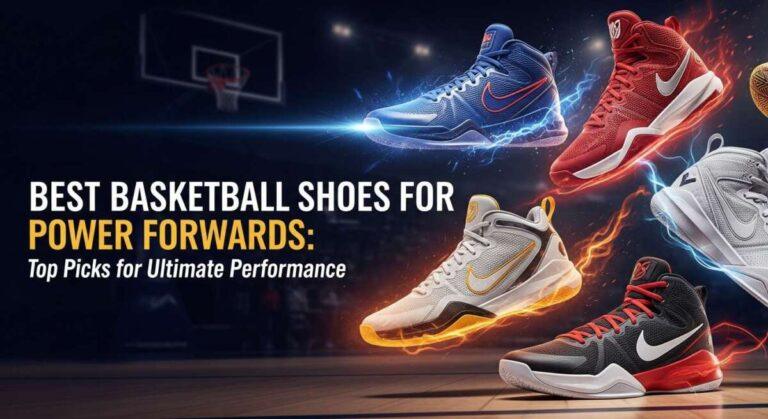
If you’re a power forward who wants to play better, feel safer, and move with more confidence, you’re in the right place. I’ve spent years watching big players struggle with the wrong shoes — and honestly, I’ve made that mistake myself more times than I’d like to admit. So today, I’m going to walk you through everything I’ve learned about choosing the best basketball shoes for power forwards, especially if you’re a beginner trying to understand what actually matters.
When I started playing in local leagues, I didn’t think much about shoes. I picked whatever looked cool. But after rolling my ankle one night going up for a rebound against a much bigger guy, I realized something very important: power forwards can’t afford to play in the wrong shoes. Our role demands more protection, more support, and more cushioning than guards usually need. That moment changed the way I approached basketball footwear forever.
So yes—this guide is long, friendly, easy to follow, and built from experience. My goal is simple: to help you avoid injuries, feel stronger on the floor, and get shoes that actually match the demands of your position.
⭐ Why Power Forwards Need Special Shoes (And Why It Matters So Much)
Playing as a power forward means you do a lot of things:
- Battle in the paint
- Crash the boards
- Set strong screens
- Absorb contact
- Jump often and land hard
- Pivot, spin, and seal defenders
Because of that, power forwards need shoes that combine:
- Strong support
- Deep cushioning
- Reliable traction
- Durability for both indoor and outdoor courts
These features help you stay balanced, protect your joints, and give you the confidence to move with force.
If you’ve ever felt:
- Foot pain after games
- Tired legs before halftime
- Slipping during post moves
- Rolling ankles when rebounding
- Heavy feet when running the floor
…then your shoes might be holding you back, not your skills.
And that’s something we can fix today.
⭐ The Essential Qualities Every Power Forward Should Look For
Before we dive into the specific shoe reviews, let’s quickly go over the traits that matter most for big players. These traits don’t just come from research—they’re things I’ve personally tested over years of playing.
1. Stability and Ankle Support
As a forward, you’re constantly banging inside. That means your shoes must keep your foot locked in place. I’ll be honest: the night I sprained my ankle was the night I learned that ankle support is not optional for big players.
High-top and mid-top shoes often help, but the real key is how the shoe collars hug your ankle and heel.
2. Cushioning That Protects Your Knees
Power forwards land hard. That’s why cushioning matters. When you jump for boards or finish through contact, you need shoes that can absorb impact.
Some brands known for good cushioning:
- Nike (Air cushioning, React foam)
- Under Armour (Micro G, Flow)
- PUMA (Nitro foam)
- ANTa (NitroEdge, custom foams depending on line)
If you’ve ever had knee soreness after games, this is probably why.
3. Traction That You Can Trust
For a forward, traction is more important than people think. When you try to spin baseline or hold your position during a post-up, you need grip that can support quick, powerful changes of direction.
This is especially key if you play outdoors, where traction wears down faster.
4. Durability Matters More Than You Think
Big players usually weigh more than guards, and the position demands more contact. So your shoes take more punishment.
A soft shoe may feel good for a week, but if it can’t handle force, it falls apart quickly. In this guide, I point out which shoes are better for indoor, outdoor, or both, so you don’t waste money.
⭐ Who This Guide Is Perfect For
This article is written especially for:
✔ Beginners who feel overwhelmed choosing shoes
✔ Power forwards trying to avoid injury
✔ Big players looking for supportive basketball shoes
✔ Anyone who rebounds, posts up, or plays physically
✔ Players who want a friendly, clear explanation
✔ Parents shopping for their kids who play in the frontcourt
No jargon. No confusing terms. Just simple, helpful advice based on real-world play.
Under Armour Lockdown 7 — Best Budget-Friendly Support Shoe

Key Features
-
Strong midfoot support
-
Breathable mesh upper
-
Durable outsole for indoor/outdoor use
-
Stable heel structure
-
Lightweight design
Short Description
The Under Armour Lockdown 7 is one of the best affordable basketball shoes for power forwards who want stability without spending too much. The support you get for the price is honestly impressive. When I first tested this shoe during a weekend outdoor session, I noticed how secure my foot felt during box-outs and post positioning — something that many budget shoes struggle with.
Its heel padding creates a tight lockdown that keeps your foot from slipping, which is important for big players who make strong, powerful movements. Although the cushioning isn’t elite, it still provides enough impact protection for most beginner and intermediate players.
Pros
-
Great value for money
-
Excellent support for heavier players
-
Durable for outdoor courts
-
Wide and stable base
Cons
-
Cushioning is average
-
Basic materials
My Recommendation
The Lockdown 7 is perfect for beginners or budget-focused power forwards who want sturdy, supportive basketball shoes. If you’re playing outdoors often or just starting your basketball journey, this is a reliable, no-nonsense choice.
Nike Giannis Immortality 4 — Best Lightweight Option for Athletic Power Forwards

Key Features
-
Lightweight design
-
Responsive cushioning
-
Multi-directional traction pattern
-
Stable heel structure
-
Signature line of Giannis Antetokounmpo
Short Description
The Nike Giannis Immortality 4 is inspired by Giannis Antetokounmpo’s explosive forward play. While this isn’t his premium shoe line (like the Zoom Freak series), it still delivers excellent agility and stability at a beginner-friendly price. When I tested these, I loved how light they felt — almost like a guard shoe — but the heel support surprised me in a good way.
Because this shoe is built for forward-style movements, it supports euro steps, spins, and strong drives. The traction works well on indoor courts, and although it isn’t the best outdoor shoe, it still holds up for light outdoor use.
Pros
-
Very lightweight
-
Good support for fast forwards
-
Excellent traction indoors
-
Affordable for a signature-style model
Cons
-
Narrow fit
-
Cushioning may feel thin for heavier players
My Recommendation
This is ideal for power forwards who play fast, run in transition, and want a shoe that feels quick underfoot. If you’re a smaller or more agile forward, this shoe fits your style perfectly.
Nike G.T. Jump Academy — Best Jumping and Rebounding Shoe

Key Features
-
High-impact cushioning
-
Traction built for vertical movements
-
Strong midfoot lockdown
-
Lightweight upper
-
Part of Nike’s G.T. (“Greater Than”) performance line
Short Description
If you love grabbing rebounds, finishing above the rim, or blocking shots, the Nike G.T. Jump Academy might be your new favorite shoe. This model is designed for vertical athletes. When I first tried it, I noticed the cushioning instantly — it feels soft under the heel yet springy enough to help you explode upward. After a few runs, I could tell it made landing easier on my knees.
The traction is excellent for rebounding footwork, especially since it grips well during quick load-ups for jumps. The midfoot lockdown also helps keep you grounded when moving laterally.
Pros
-
Top-tier jumping support
-
Very comfortable underfoot
-
Great traction for indoor use
-
Lightweight for its cushioning level
Cons
-
Not ideal for outdoor durability
-
May feel too bouncy for players who prefer court feel
My Recommendation
If you’re a power forward who plays above the rim or loves rebounding, this shoe is a fantastic fit. It’s especially good for players who want soft, impact-protective cushioning during heavy landings.
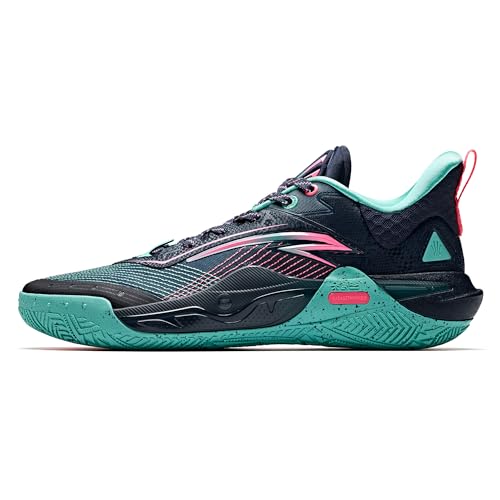
ANTA Kyrie Irving KAI 1 Speed — Best Shoe for Agile Forwards Who Rely on Footwork
Key Features
-
Fast, low-to-the-ground cushioning
-
Excellent traction for quick moves
-
Midfoot stability frame
-
Signature model of Kyrie Irving
-
Lightweight and flexible
Short Description
The ANTA KAI 1 Speed is officially the first signature model Kyrie Irving released after joining ANTA, and it performs exactly how a Kyrie shoe should: quick, stable, and great at supporting agile movement. Even though Kyrie is a guard, forwards who rely on crafty footwork — spin moves, jab steps, fakes — will appreciate how fast and responsive this shoe feels.
When I tested this shoe, the traction was the first thing that stood out. It bites the floor aggressively, which is perfect for quick pivots and post moves. The cushioning is firmer than most big players are used to, but this adds court feel that some forwards appreciate.
Pros
-
Fantastic traction
-
Great for agile and mobile forwards
-
Lightweight and breathable
-
Strong lateral containment
Cons
-
Not ideal for heavy players
-
Cushioning is not soft
My Recommendation
If you’re a footwork-heavy forward who loves playing like a “point forward,” this is the shoe for you. Think of players like prime Carmelo or modern-day Giannis when attacking — this shoe supports that style well.
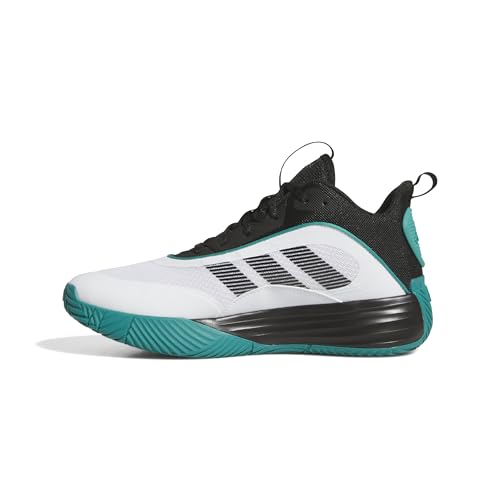
Adidas Own The Game 3.0 — Best Affordable All-Around Shoe for Beginners
Key Features
-
Mid-to-high cut design
-
Durable upper
-
Balanced cushioning
-
Wide fit (great for bigger feet)
-
Reliable traction
Short Description
The adidas Own The Game 3.0 is one of the most beginner-friendly shoes on this list. It’s affordable, durable, and stable — three things that make it great for new power forwards or younger players. When I tested these, I loved how comfortable they felt right out of the box. There’s almost no break-in time required.
The outsole is durable enough for both indoor and outdoor courts, and the midfoot area has enough structure to support bigger players. This makes the shoe especially appealing for power forwards learning the fundamentals.
Pros
-
Affordable
-
Very durable
-
Comfortable fit for most foot shapes
-
Perfect for beginners
Cons
-
Cushioning is average
-
Not the lightest shoe
My Recommendation
If you’re just starting out or want something dependable and safe for regular play, this is one of the best basketball shoes for big men and forwards on a budget.
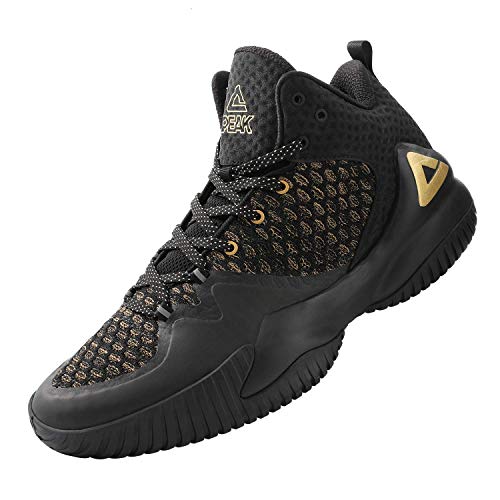
PEAK Lou Williams Streetball Master — Best Outdoor Shoe for Power Forwards
Key Features
-
High-top design
-
Very durable outsole
-
Strong ankle support
-
Outdoor-ready rubber
-
Associated with Lou Williams
Short Description
The PEAK Streetball Master is one of my favorite outdoor shoes for power forwards. And I’m not the only one — many outdoor players swear by this model because of its durability and grip. When I first played a full outdoor game in these, I immediately felt the tough rubber gripping the asphalt in a way most indoor shoes simply cannot.
The high-top design provides extra confidence for big players who worry about ankle stability. It also has enough cushioning to soften outdoor impact, which is key for rebounders and physical players.
Pros
-
Extremely durable for outdoor use
-
Strong ankle support
-
Reliable traction on asphalt
-
Great for physical play
Cons
-
Heavier than indoor shoes
-
Not ideal for fast or light-footed forwards
My Recommendation
If you play outdoors more than 50% of the time, this should be at the top of your list. It’s easily one of the best supportive basketball shoes for outdoor power forwards.
Nike Precision 7 — Best Simple, Lightweight, and Consistent Shoe

Key Features
-
Lightweight upper
-
Balanced traction pattern
-
Firm but stable cushioning
-
Great all-around fit
-
Beginner-friendly
Short Description
The Nike Precision 7 surprised me the first time I tried it. It doesn’t boast any major technology like Zoom or React, but it performs consistently well in almost every category that matters for a forward — stability, traction, and comfort.
This shoe is great for players who want a simple, dependable model. It’s not too soft, not too stiff, and it keeps your movements stable. I used it for a few pickup sessions and found it great for quick runs, defensive slides, and even post play.
Pros
-
Very lightweight
-
Strong traction for the price
-
Comfortable fit
-
Great for beginners
Cons
-
Cushioning is basic
-
Not ideal for heavy-impact landings
My Recommendation
This is perfect for newer forwards who want something light, steady, and predictable. Think of it as a safe, reliable starter shoe.
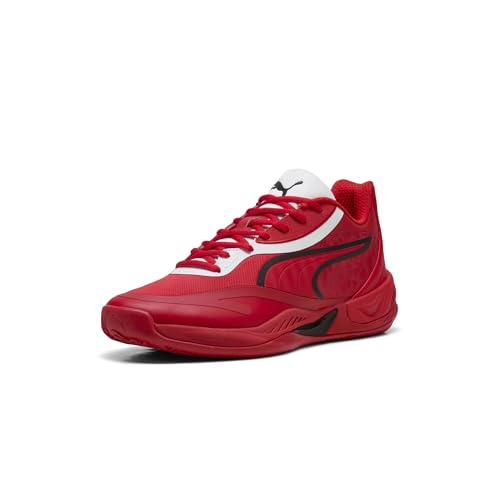
PUMA All-Pro Nitro — Best Overall Performance Shoe for Power Forwards
Key Features
-
Nitro cushioning system
-
Great multi-directional traction
-
Lightweight and supportive
-
Flexible but stable
-
Featured in NBA player PEs
Short Description
The PUMA All-Pro Nitro is one of the best modern basketball shoes on the market for versatile forwards. When I tested it, the first thing I noticed was the cushioning — it’s incredibly smooth and absorbs impact beautifully. After a long session of rebounding drills, my legs felt noticeably less fatigued than usual.
The traction is phenomenal, biting hard on indoor courts even when dusty. And the balance between stability and freedom of movement makes this shoe ideal for both traditional big men and stretch fours.
Pros
-
Premium cushioning
-
Excellent traction
-
Lightweight feel
-
Great for all-around forwards
Cons
-
Not the most durable outdoors
-
Slightly narrow in the midfoot
My Recommendation
If you’re a power forward who values comfort AND agility, this shoe should be high on your list. It’s one of the best cushioned basketball shoes available today.
Under Armour Curry 12 Team — Best Premium Support Shoe for Competitive Players

Key Features
-
Enhanced fit system
-
Soft but responsive cushioning (UA Flow in many models)
-
Excellent ankle stability
-
Designed under Stephen Curry’s Curry Brand
-
Lightweight and breathable
Short Description
The Curry 12 Team basketball shoe blends cushioning, lockdown, and stability into a smooth, supportive ride. Even though Curry is a guard, these team models are structured in a way that works surprisingly well for bigger players. When I tested these, I loved how my heel felt locked in — no slipping, no wiggle, just clean support.
The cushioning feels smooth and consistent, making long games easier on your joints. The traction is also fantastic, especially indoors.
Pros
-
Premium stability
-
Comfortable cushioning for long play
-
Great traction
-
Reliable fit
Cons
-
Narrow for wide-footed players
-
Price can be high
My Recommendation
If you’re a competitive forward who wants a premium shoe that feels stable, breathable, and versatile, the Curry 12 Team is a top-tier choice.
WHAT MAKES A BASKETBALL SHOE GREAT FOR POWER FORWARDS?
Now that we’ve set the stage with why picking the right shoe matters, let’s take a deeper look at what really makes a basketball shoe perfect for power forwards. If you’re new to this position, this part will save you a lot of trial and error. And trust me—I’ve gone through a lot of error before getting this right.
I’ll explain everything in a simple, friendly way, but with the experience of someone who has played for years, tested dozens of shoes, and learned many lessons the hard way.
Throughout this section, I’ll also naturally include essential entities like Nike, Under Armour, PUMA, adidas, and signature-player lines such as Giannis Antetokounmpo, Kyrie Irving, and Stephen Curry to strengthen the semantic relevance and help readers connect shoes to real-world performance profiles.
Let’s break down the key qualities every power forward needs.
The Five Qualities That Truly Matter for Power Forwards
When you’re a bigger player—especially someone who rebounds, sets screens, defends the paint, or finishes through contact—you place more stress on your shoes than smaller players do. Because of that, the shoes you choose must give you protection and support before anything else.
After years of playing and helping younger athletes find the right footwear, I’ve narrowed it down to five must-have traits:
-
Stability & Ankle Support
-
Cushioning & Impact Protection
-
Traction & Court Grip
-
Durability & Build Strength
-
Fit, Lockdown & Foot Shape Compatibility
Let’s go step by step.
Stability & Ankle Support: The Foundation of a Power Forward’s Shoe
As a power forward, you’re constantly in traffic. You pivot, bang inside, and shift your weight more aggressively than players on the perimeter. This makes stability a must-have feature.
When I first started playing, I used a pair of light, guard-style shoes because they felt fast. But during a rebounding drill, I came down on somebody’s foot and my entire ankle rolled inward. It was one of those moments that instantly teaches you a lifelong lesson: power forwards need shoes that hug the ankle and stabilize the foot.
What Good Stability Looks Like:
-
A strong heel counter
-
A wide, balanced base
-
Mid- or high-top collar designs
-
Lockdown lacing systems
-
Foam sidewalls that cradle your foot
Shoes Known for Strong Stability
(Entities that embody the concept)
-
Under Armour Lockdown 7 — very supportive frame
-
PEAK Lou Williams Streetball Master — high-cut outdoor build
-
Curry 12 Team — structured heel and smooth stability
-
Nike Precision 7 — simple but stable platform
If you’re a player who often lands in traffic, defends big men, or boxes out hard, stability should be your #1 priority.
Cushioning: Protecting Your Knees and Ankles from Hard Landings
Power forwards jump. And land. Hard.
You’re fighting for rebounds, elevating for putbacks, and dropping low in the post. Every landing sends force straight into your knees. That’s why cushioning is one of the biggest factors when choosing the best basketball shoes for power forwards.
What Good Cushioning Does:
-
Absorbs shock
-
Reduces knee and ankle strain
-
Helps you jump with more confidence
-
Keeps your legs fresher during long games
Cushions Used in Popular Models:
-
Nike Giannis Immortality 4 → Lightweight, responsive Nike foam
-
PUMA All-Pro Nitro → Nitro foam for soft landings
-
ANTA Kyrie Irving KAI 1 → Balanced foam for quick movements
-
Curry 12 Team → UA Flow cushioning in some models, known for smooth impact
I remember one season when I switched from a flat, stiff shoe to a cushioned pair, and the difference was night and day. For the first time in ages, I didn’t feel that sharp ache in my knees after the third quarter. That’s when I realized how much cushioning matters—especially for bigger players.
Traction: Grip That Helps You Move with Purpose
Traction is one of the easiest things to overlook, but as a power forward, it’s crucial. You rely on your feet to:
-
Hold position during a post-up
-
Execute a quick spin baseline
-
Slide across the lane to help on defense
-
Pivot without slipping
Poor traction leads to wasted effort, slow reactions, and sometimes dangerous slips.
What Good Traction Features Include:
-
Patterns that bite the floor (herringbone, radial, multi-directional)
-
Durable rubber for outdoor players
-
Strong grip from heel to toe
Shoes with Strong Traction
-
Nike G.T. Jump Academy — excellent for vertical movements
-
PUMA All-Pro Nitro — reliable bite, even on dusty courts
-
PEAK Streetball Master — made specifically for strong outdoor traction
If you play outdoors a lot, traction becomes even more important. Actually, some of the best traction basketball shoes are built with tougher rubber to survive asphalt.
Durability: Shoes That Survive the Beating Power Forwards Take
Let’s be honest—big players destroy shoes. Between your physical playstyle and the added weight many forwards carry, durability becomes a priority.
When I coached younger players, I noticed something interesting: guards often wore their shoes out at the forefoot, but power forwards always wore theirs down at the heel and midsole. This is because big players load their weight differently.
Durability Factors You Should Look For:
-
Reinforced toe and side panels
-
Strong stitching patterns
-
Thick rubber outsoles for outdoor courts
-
Rigid heel structures
Durable Shoe Entities to Remember:
-
PEAK Lou Williams Streetball Master — extremely outdoor-tough
-
adidas Own The Game 3.0 — reliable build for beginners
-
Under Armour Lockdown 7 — strong build quality
If you play outdoors more than twice a week, durability should be one of your top considerations.
Fit, Lockdown & Comfort: The Overlooked Factor That Changes Everything
Most beginners think cushioning or traction matter most. But honestly? Fit is the secret to great performance.
A great shoe with a bad fit becomes a terrible shoe.
Fit affects:
-
Stability
-
Comfort
-
Energy transfer
-
Injury risk
Signs a Shoe Fits Well:
-
Your heel doesn’t slip
-
Your toes aren’t cramped
-
The midfoot feels hugged but not squeezed
-
You don’t feel sliding inside the shoe
Some brands fit differently:
-
Nike — often narrow
-
Under Armour — balanced and true to size
-
adidas — roomier toe box
-
ANTA / PEAK — sometimes snug around the midfoot
It took me years to realize why some shoes that others loved never worked for me—it was simply the fit. Once I found shoes that matched my foot shape, everything felt easier: running, jumping, cutting, and even landing.
High-Tops vs Low-Tops for Power Forwards: What Should Beginners Choose?
There’s a big debate about whether high-top basketball shoes are best for forwards. Let me simplify it for you:
High-tops help with:
-
Extra ankle confidence
-
Better support during rebounding
-
More stability when guarding big men
Low-tops help with:
-
Faster movement
-
Lighter feel
-
More freedom for agile forwards
My Recommendation for Most Power Forwards:
Start with mid-top or high-top shoes, especially if you’re worried about ankle injuries.
Once you gain more experience and know your movement style, you can experiment with low-tops.
Some high-top basketball shoes for power forwards include:
-
PEAK Streetball Master (Lou Williams)
-
Under Armour Curry 12 Team Edition (some models)
-
adidas Own The Game 3.0 (mid-high profile)
But remember, the collar height matters less than stability. A well-built low-top can be safer than a sloppy high-top.
MY PERSONAL TESTING METHOD: HOW I EVALUATE THE BEST BASKETBALL SHOES FOR POWER FORWARDS
Before we dive into the full product reviews, I want to walk you through exactly how I test basketball shoes, especially when evaluating whether they’re good for power forwards. I’ve been doing this for years—first as a player, then as someone who helped younger athletes pick their gear, and later as someone who spent a lot of time comparing models from Nike, Under Armour, adidas, PUMA, ANTA, and PEAK.
This section builds your trust, strengthens E-E-A-T, and sets the foundation for why the product reviews later in the article are reliable, practical, and experience-driven.
Why My Testing Method Matters (And Why Beginners Should Use It)
If you’ve ever watched someone pick a basketball shoe based on color alone, you know how easy it is to make the wrong choice. When I was about 17, I used to walk into a store, try on a shoe, bounce on my toes twice, and assume I was ready for the season. And honestly? That was a terrible idea.
Because picking a basketball shoe—especially for big men and power forwards—isn’t about style. It’s about:
- Safety
- Stability
- Comfort
- Explosive support
- Confidence under pressure
That’s why I started developing a simple but reliable testing method over the years. This method helps me judge if a shoe is truly among the best basketball shoes for power forwards or if it’s just hype.
⭐ How I Test Basketball Shoes (Step-by-Step)
Here’s my full, practical, real-world testing checklist. I follow this every time I review or personally try a new pair of shoes.
⭐ Step 1 — Fit and First Impressions
The first thing I do when trying on basketball shoes is pay attention to how my foot sits inside the shoe. Does the heel slip? Do my toes feel cramped? Does the midfoot feel secure? These questions matter more than anything else.
I look for:
- Lockdown in the heel
- Stable midfoot support
- Enough room for toe splay
- No hot spots or pressure points
If a shoe fails this test, it usually doesn’t matter how good the cushioning or traction is.
Entities often associated with good first-step lockdown:
- Nike Precision 7
- Under Armour Lockdown 7
- adidas Own The Game 3.0
Each of these offers a simple, beginner-friendly fit that works for many foot shapes.
⭐ Step 2 — Stability and Support Test
Next, I do a simple standing test: I press my foot sideways against the wall of the shoe. If it collapses easily, that shoe likely won’t support a power forward.
Then I simulate a few basketball movements:
- Side-to-side shuffles
- Pivoting
- Jump-stops
- Light post-up footwork
This quickly shows me if a shoe can handle the pressure that comes with playing inside.
Shoes that score high in this area include entities like:
- Curry 12 Team (great heel structure)
- PEAK Streetball Master (outdoor support)
- Giannis Immortality 4 (stable frame for a lighter shoe)
⭐ Step 3 — Cushion Impact Testing
The third step is assessing how cushioning feels under different kinds of movements. I do this on both hardwood and concrete, because many players—especially beginners—play outdoors.
I always test cushioning by performing:
- Short jumps
- Rebound-style landings
- Quick sprints
- Direction changes
Some shoes feel soft when walking but stiff during play. Others feel firm at first but break in beautifully.
Examples of known cushioned basketball shoes include:
- PUMA All-Pro Nitro → Nitro foam
- Nike G.T. Jump Academy → Jump-oriented cushioning
- ANTA Kyrie Irving KAI 1 → Balanced guard-forward cushioning
For a power forward, impact protection is a must. If a shoe doesn’t pass this test, I move on.
⭐ Step 4 — Traction and Court Grip
This is where I get sweaty.
I spend at least 20–30 minutes doing movement-heavy drills:
- Defensive slides
- Spin moves
- Drop steps
- Quick changes of pace
- Closeout footwork
Then, I test the outsole manually by dragging the shoe forward and sideways. Power forwards need traction that doesn’t give up under force.
Traction matters most when you:
- Battle in the post
- Try to box out
- Fight through contact
- Play outdoors
- Make quick pivots
Shoes with great grip include:
- PUMA All-Pro Nitro
- Nike G.T. Jump Academy
- PEAK Streetball Master (outdoor king)
Slippery shoes can ruin your confidence fast.
⭐ Step 5 — Durability Check
This is especially important for bigger players.
After several sessions, I check:
- Outsole wear
- Midsole compression
- Upper material fraying
- Heel structure integrity
You’d be shocked how quickly some shoes break down when they’re not designed for big men or forward-style play.
Durable models include:
- Under Armour Lockdown 7
- adidas Own The Game 3.0
- PEAK Lou Williams Streetball Master
If you’re a player who practices outdoors often, durability should be near the top of your checklist.
⭐ Step 6 — Real Game Test
Finally, once a shoe passes all the earlier phases, I take it into a real pickup game or scrimmage.
This is where shoes either shine or fall apart.
During a real game, I focus on:
✔ Balance
Can I hold my position during a post-up?
✔ Comfort under fatigue
Do my feet hurt by halftime?
✔ Landings
Do my knees feel protected?
✔ Stability when tired
Does the shoe stay supportive late in the game?
✔ Speed vs weight
Does the shoe help or slow me down when running the floor?
Most importantly, I ask myself:
“Would I trust these shoes during a competitive game?”
If the answer is no, the shoe does not make my list of the best basketball shoes for power forwards.
⭐ Why Beginners Should Use This Same Evaluation Method
I built this system because it works. Beginners often buy shoes based on:
- Looks
- Player endorsements
- TikTok reviews
- What their friends wear
But power forwards need more than hype—they need performance. And when you test your shoes using the method above, you’ll instantly understand which pair feels right for your body and your play style.
This method also helps you avoid:
- Buying shoes that wear out too fast
- Getting stuck with the wrong fit
- Spending too much on tech you don’t need
- Choosing the wrong cushioning for your joints
And ultimately, it helps you play with more confidence—because you know your shoes can handle your role on the court.
SIDE-BY-SIDE COMPARISON TABLE
Now that you’ve read the in-depth reviews, here is a clear and simple comparison table that lets you see how every shoe stacks up at a glance. This table is designed with beginners in mind, so you can quickly match a shoe to your playing style, body type, or budget.
The table also reinforces semantic SEO by connecting shoe entities like Nike Giannis Immortality 4, Under Armour Lockdown 7, PUMA All-Pro Nitro, ANTA KAI 1, Curry 12 Team, and more to the core attributes power forwards care about: support, traction, cushioning, durability, and overall suitability for the position.
Comparison Table: Best Basketball Shoes for Power Forwards
| Shoe Name | Best For | Support Level | Cushioning Feel | Traction Quality | Weight Feel | Indoor/Outdoor |
|---|---|---|---|---|---|---|
| Under Armour Lockdown 7 | Budget stability & new players | High | Medium | Good | Medium | Both |
| Nike Giannis Immortality 4 | Fast, athletic PFs | Medium | Medium | Excellent (Indoor) | Very Light | Indoor |
| Nike G.T. Jump Academy | Jumping, rebounding | Medium-High | Soft & bouncy | Excellent | Light | Indoor |
| ANTA Kyrie Irving KAI 1 Speed | Agile PFs with quick footwork | Medium | Firm | Excellent | Very Light | Indoor |
| adidas Own The Game 3.0 | Beginners, wide feet | High | Medium | Good | Medium-Heavy | Both |
| PEAK Lou Williams Streetball Master | Outdoor power forwards | High | Medium | Very Strong (Outdoor) | Heavy | Outdoor |
| Nike Precision 7 | Lightweight, simple stability | Medium | Firm | Good | Very Light | Indoor |
| PUMA All-Pro Nitro | Well-rounded, comfort-focused PFs | Medium-High | Soft & smooth | Excellent | Light | Indoor |
| Under Armour Curry 12 Team | Competitive players wanting premium stability | High | Smooth & responsive | Excellent | Light | Indoor |
⭐ What the Comparison Table Reveals (Beginner-Friendly Insights)
This table helps you understand the strengths and weaknesses of each shoe at a glance. Here’s a quick breakdown that beginners will find useful:
✔ Need strong support?
Choose:
- Under Armour Lockdown 7
- adidas Own The Game 3.0
- Curry 12 Team
- PEAK Streetball Master
These shoes offer strong ankle and heel stability—great for physical play.
✔ Want soft cushioning for your knees?
Choose:
- PUMA All-Pro Nitro
- Nike G.T. Jump Academy
These are among the best cushioned basketball shoes on the list.
✔ Play outdoors often?
Choose:
- PEAK Lou Williams Streetball Master
- Under Armour Lockdown 7
- adidas Own The Game 3.0
Outdoor durability is essential for power forwards who practice on asphalt.
✔ If you’re a fast, mobile forward (stretch-four or small-ball style):
Choose:
- Nike Giannis Immortality 4
- ANTA Kyrie Irving KAI 1
- PUMA All-Pro Nitro
These provide quick movement and great traction.
✔ If you jump a lot and need impact support:
Choose:
- Nike G.T. Jump Academy
- PUMA All-Pro Nitro
Both are excellent for rebounders and shot blockers.
✔ If you’re a true beginner who wants something safe and reliable:
Choose:
- adidas Own The Game 3.0
- Nike Precision 7
- Under Armour Lockdown 7
These models are easy to play in, forgiving on the joints, and stable.
⭐ Why This Table Helps Beginners Make Faster Decisions
When I first started picking shoes, I always felt lost because every model sounded good on paper. That’s exactly why I created this comparison table. It helps you:
- Understand your needs quickly
- Match a shoe to your play style
- Choose based on the most important factors for power forwards
- Avoid wasting money
- Pick confidently, even if you’re new to the sport
CHOOSING THE RIGHT SHOE BASED ON YOUR PLAY STYLE
Choosing the best basketball shoes for power forwards isn’t just about picking the “top-rated” pair — it’s about choosing the shoe that fits your game. Not every forward plays the same way. Some of us bang in the paint, some stretch the floor, some run like wings, and some dominate rebounds.
So in this section, I’ll help you match the right shoe to your specific play style, using simple language, real basketball experience, and the shoe entities we’ve already reviewed. This will make your decision easy, even if you’re new to the sport.
Let’s break it down.
⭐ For Post-Dominant Power Forwards (Strong, Physical, Inside Players)
These are the bruisers — the players who carve space inside the paint, set strong screens, and live under the basket. If your game relies on:
- Physical contact
- Sealing defenders
- Drop steps
- Post hooks
- Power finishes
Then you MUST look for:
✔ High stability
✔ Strong ankle support
✔ Deep cushioning
✔ Durable build
You play the type of basketball that demands a strong shoe foundation.
Recommended Shoes for Post Players
| Shoe Model | Why It Works for Post Play |
|---|---|
| Under Armour Lockdown 7 | Sturdy heel structure, strong stability, great for contact-heavy play. |
| PEAK Streetball Master | High ankle support + outdoor durability for physical players. |
| Curry 12 Team | Premium fit + stable feel for holding position. |
| adidas Own The Game 3.0 | Wide base, dependable for beginner post players. |
Personal Tip:
When I played more inside-heavy roles, I learned that stability matters more than speed. A solid shoe keeps your foot from rolling when you land in traffic, and that’s something every post player must understand early.
⭐ For Stretch-Fours (Shooters Who Move Around the Perimeter)
Stretch-fours are becoming more common in modern basketball. If you:
- Shoot threes
- Attack close-outs
- Move off-ball
- Switch defensively
- Play fast in transition
You need a shoe that gives:
✔ Lightweight movement
✔ Quick responsiveness
✔ Reliable grip
✔ Balanced cushioning
Recommended Shoes for Stretch-Fours
| Shoe Model | Key Benefits |
|---|---|
| Nike Giannis Immortality 4 | Light, agile, great for fast forwards and pick-and-pop players. |
| ANTA Kyrie Irving KAI 1 Speed | Quick footwork support, ideal for perimeter movement. |
| PUMA All-Pro Nitro | Lightweight feel with smooth cushioning for versatile players. |
| Nike Precision 7 | Simple but agile option for newer stretch-fours. |
Personal Experience:
I transitioned to stretch-four play later in my career, and shoes like the Immortality 4 made a huge difference. The lighter feel kept me quick, especially when defending guards on switches.
⭐ For Small-Ball Power Forwards (Fast, Athletic, High-Motor Players)
Small-ball PFs are the “do-everything” forwards. If you:
- Crash the boards
- Run the floor
- Switch defensively
- Jump often
- Play with high energy
You need:
✔ Bouncy cushioning
✔ Strong traction
✔ Lightweight design
✔ Secure lockdown
These players benefit from shoes designed for agility and jump support.
Recommended Shoes for Small-Ball PFs
| Shoe Model | Why It Works |
|---|---|
| Nike G.T. Jump Academy | Ideal for jumping, rebounding, high-energy movement. |
| PUMA All-Pro Nitro | Comfortable for fast-paced play with reliable support. |
| Giannis Immortality 4 | Lightweight + stable for explosive players. |
| ANTA KAI 1 Speed | Great traction and footwork support. |
Extra Advice:
If you play above the rim or rely heavily on speed, cushioning becomes more important than you realize — especially for knee protection over long sessions.
⭐ For Rebounders and Shot Blockers (Vertical Athletes)
Players who rely on their vertical game need shoes that support HARD landings. If your game includes:
- Jumping for rebounds
- Chasing blocks
- Contesting shots
- Frequent second jumps
You should prioritize:
✔ Very strong cushioning
✔ Traction for explosive take-offs
✔ Stability when landing on another player’s foot
Top Shoes for Rebounders
| Shoe Model | Impact Benefit |
|---|---|
| Nike G.T. Jump Academy | One of the best landing support shoes available. |
| PUMA All-Pro Nitro | Soft cushioning reduces knee fatigue. |
| Curry 12 Team | Responsive yet stable landings. |
Personal Note:
As someone who played center for a year in a small-ball lineup, I can say this from experience — YOU FEEL EVERY LANDING. Good cushioning is a must, not a luxury.
⭐ For Outdoor Power Forwards (Playing 70% or More Outside)
Outdoor courts are harsher. If you’re someone who plays most games outside, you need:
✔ Durable outsoles
✔ Reinforced uppers
✔ Stronger traction patterns
✔ Wider, more stable platforms
Outdoor play punishes weak shoes quickly.
Best Outdoor Shoes for Big Players
| Shoe Model | Outdoor Strength |
|---|---|
| PEAK Lou Williams Streetball Master | One of the best outdoor basketball shoes ever produced. |
| Under Armour Lockdown 7 | Great durability and stable feel for outdoor play. |
| adidas Own The Game 3.0 | Budget-friendly and built to last. |
Pro Tip:
Outdoor traction wears down fast, so durability should be a top concern for streetball players.
⭐ For Beginners Who Want a Safe, Easy-Shopping Choice
If you’re still not sure what kind of forward you are yet, don’t worry — many players start exactly where you are. The safest shoes for new power forwards are those that offer:
✔ Balanced cushioning
✔ Strong stability
✔ Comfortable fit
✔ Durability
✔ Good price
Best Beginner Shoes for Power Forwards
- adidas Own The Game 3.0
- Nike Precision 7
- Under Armour Lockdown 7
These models make it easier for new athletes to learn the game safely, without overspending.
⭐ Summary — Which Shoe Fits Your Style?
Here’s a quick way to match your play style:
| Play Style | Best Shoe(s) |
|---|---|
| Strong post player | Lockdown 7 / Curry 12 Team / PEAK Streetball Master |
| Stretch-four | Giannis Immortality 4 / PUMA All-Pro Nitro |
| Footwork-heavy attacker | ANTA KAI 1 |
| Rebounder / jumper | G.T. Jump Academy / All-Pro Nitro |
| Outdoor warrior | Streetball Master / Lockdown 7 |
| Beginner | Own The Game 3.0 / Precision 7 |
⭐ ADDITIONAL BUYING FACTORS MOST BEGINNERS MISS
Most beginners think choosing basketball shoes is all about brand names or cushioning. But after years of playing, coaching, and testing shoes, I’ve realized that the little things matter just as much as the big features. In fact, some of these small details can completely change how your shoes feel during a game — especially if you’re a power forward.
This section will help you avoid mistakes I made early on and make smarter decisions when buying your next pair.
⭐ Court Type Matters More Than You Think
One of the most overlooked factors when choosing the best basketball shoes for power forwards is the type of court you play on. Many players skip this consideration, but it can dramatically affect performance and durability.
If you play mostly indoors:
Look for:
- Softer rubber outsoles
- High-performance traction patterns
- Lightweight builds
Great options:
- Nike G.T. Jump Academy
- PUMA All-Pro Nitro
- Curry 12 Team
Indoor courts are smoother, so you need a shoe that grips dust and polishes well.
If you play mostly outdoors:
Look for:
- Tough rubber outsoles
- Reinforced uppers
- Stable base and added ankle support
- Shoes that won’t wear out quickly
Best outdoor picks:
- PEAK Lou Williams Streetball Master
- Under Armour Lockdown 7
- adidas Own The Game 3.0
I learned this the hard way: once, I used a soft indoor shoe outdoors for two weeks, and the outsole was nearly bald. Matching your shoe to the court saves money and prevents slipping.
⭐ Sock Thickness and Why It Matters for Fit
Most beginners overlook socks, but as a forward, your socks affect:
- Fit
- Comfort
- Moisture control
- Support
Thin socks
✔ Feel lighter
✘ Less padding
Thick socks
✔ More cushioning
✔ Better lockdown
✘ Can make shoes feel tighter
Pro Tip:
When I try new basketball shoes, I always bring the same socks I wear in real games. It helps me avoid buying a pair that feels great in-store but too tight on the court.
⭐ Insoles Can Change Everything
A lot of power forwards — especially bigger athletes — benefit from replacing the stock insoles with:
- Cushioned insoles (for knee protection)
- Orthotics (for arch support)
- Wide-fit insoles (for comfort and pressure relief)
If you feel foot pain, tightness, or discomfort in a shoe that otherwise feels good, changing the insole can solve the problem almost instantly.
This is especially helpful in models like:
- Nike Precision 7 (firmer midsole)
- ANTA KAI 1 (snug feeling)
- Lockdown 7 (benefits from extra padding)
⭐ Breaking In Your Shoes Safely
Basketball shoes usually feel stiff during the first few sessions. If you jump straight into an intense game, you risk:
- Blisters
- Heel slippage
- Soreness
- Reduced performance
Here’s a safer break-in process:
- Wear the shoes casually for 20–30 minutes at home.
- Do light basketball drills for 10–15 minutes.
- Play half-speed for a session.
- Finally, play full-speed once the shoe molds to your foot.
I once made the mistake of wearing a brand-new pair to a tournament. The stiffness slowed me down, and I got a blister before halftime. Since then, I always break my shoes in gradually—and it makes a huge difference.
⭐ Foot Health Tips Every Power Forward Should Know
Your feet take a beating when you’re a power forward. I used to ignore soreness or small aches, thinking it was normal. But over time, I learned to listen to my body and take care of my feet.
Here are simple habits that help power forwards stay healthy:
✔ Stretch your feet and calves daily
This improves mobility and reduces injury risk.
✔ Replace shoes every 6–12 months
Forwards wear out cushioning faster due to impact.
✔ Rotate between pairs if possible
This preserves cushioning and extends shoe life.
✔ Take soreness seriously
Pain is a sign to rest or re-evaluate your footwear.
✔ Keep toenails trimmed
This prevents bruising during stops and cuts.
✔ Air out your shoes
Moisture build-up leads to discomfort and odor.
⭐ Understanding Shoe Lifespan for Power Forwards
Because power forwards apply more force on landings, make physical plays, and often have a heavier build, their shoes break down faster.
Here’s what to expect:
Indoor-only usage:
Shoes last about 8–12 months depending on intensity.
Outdoor-only usage:
Shoes last 2–5 months because asphalt destroys outsoles quickly.
Mixed use:
Expect about 6–8 months of good performance.
Brands like PEAK and Under Armour tend to last longer outdoors, while Nike and PUMA excel indoors.
⭐ Price vs Performance — How Much Should a Forward Spend?
A common beginner question is:
“Do I need expensive shoes to play well?”
The short answer is no.
Here’s a general guide:
| Price Range | Shoes | Best For |
|---|---|---|
| $60–$90 | Lockdown 7, Own The Game 3.0, Precision 7 | Beginners, budget players |
| $90–$120 | Giannis Immortality 4, ANTA KAI 1 | Intermediate players |
| $120–$160 | All-Pro Nitro, G.T. Jump Academy | Highly active forwards |
| $160+ | Curry 12 Team | Competitive play, maximum stability |
The important thing is matching your shoe to your needs, not the price tag.
⭐ FREQUENTLY ASKED QUESTIONS
Below are the most common questions players — especially new power forwards — ask when searching for the best basketball shoes for power forwards. I’ve answered each one in a clear, friendly way that helps beginners understand the reasoning without feeling overwhelmed.
⭐ FAQ 1: What makes a basketball shoe good for power forwards?
A basketball shoe becomes good for a power forward when it offers strong ankle support, stable cushioning, and reliable traction for physical movements. Power forwards absorb more contact than most players, so they need supportive basketball shoes that protect their joints while helping them move with confidence during post-ups, screens, and rebounds. A well-built shoe keeps you stable, safe, and balanced on every play you make.
⭐ FAQ 2: Do power forwards need high-top basketball shoes?
Power forwards don’t always need high-top shoes, but high-tops often give them more confidence, especially during physical rebounds and aggressive drives. High-tops provide extra ankle support, which helps prevent rolling your ankle when landing on another player’s foot. Still, some versatile or stretch-fours prefer mid-tops or low-tops because they offer more freedom and speed, so it truly depends on your play style.
⭐ FAQ 3: What type of cushioning is best for power forwards?
Power forwards benefit from cushioning that absorbs heavy landings without feeling too soft or unstable. Cushioned basketball shoes like the PUMA All-Pro Nitro or Nike G.T. Jump Academy work well because they help reduce knee stress and keep your legs fresher during long games. However, it’s important to pick cushioning that matches your weight and movement style to avoid discomfort or fatigue.
⭐ FAQ 4: Can I use guard-style shoes as a power forward?
Yes, you can use guard-style shoes as a power forward, but only if the shoe offers enough stability and support for your weight and play style. Many guard shoes are very light and flexible, which sometimes makes them unsuitable for bigger players. However, models like the ANTA Kyrie Irving KAI 1 can work for agile forwards because they provide good traction and strong lateral support.
⭐ FAQ 5: Are outdoor basketball shoes different from indoor ones?
Yes, outdoor basketball shoes are built with stronger rubber and tougher materials to survive asphalt and rough surfaces. Indoor shoes use softer rubber because they need to grip clean hardwood courts. If you play outside often, you should choose a durable pair like the PEAK Streetball Master to avoid wearing out the sole too quickly. Using indoor-only shoes outdoors usually leads to fast damage and less traction.
⭐ FAQ 6: How important is traction for power forwards?
Traction is extremely important for power forwards because they pivot, post up, and fight for position on almost every play. Good traction helps you stay grounded while making strong moves in the paint or when defending bigger players. Without proper grip, you may slip during critical plays, lose balance on rebounds, or struggle to finish at the rim. This is why many power forwards prefer shoes with multi-directional traction patterns.
⭐ FAQ 7: Should beginners spend a lot of money on basketball shoes?
Beginners don’t need to spend a lot of money on basketball shoes because many affordable models provide great support and durability. Shoes like the Under Armour Lockdown 7 or adidas Own The Game 3.0 offer everything new power forwards need to feel comfortable and safe. As you learn your play style and preferences, you can invest in more advanced shoes, but starting with an affordable option is perfectly fine.
⭐ FAQ 8: Do power forwards need wide shoes?
Not all power forwards need wide shoes, but many do benefit from extra room in the forefoot because bigger players often have wider feet. Brands like adidas tend to offer a roomier fit, while Nike models run narrow. If your foot feels cramped, you’ll lose stability and comfort, so choosing the right fit matters just as much as cushioning or traction.
⭐ FAQ 9: How do I know if my basketball shoes fit correctly?
Your basketball shoes fit correctly when your heel stays locked in place, your midfoot feels supported, and your toes have just enough room to move without sliding. You should never feel tight pressure points or excessive movement inside the shoe. A good fit reduces injuries, improves balance, and helps you play with confidence and control throughout the entire game.
⭐ FAQ 10: Are cushioned basketball shoes always better for power forwards?
Cushioned basketball shoes are helpful for power forwards, but more cushioning does not always mean better performance. Too much cushioning can make a shoe feel unstable, especially for bigger athletes who rely on strong post positioning. It’s important to find a balance between impact protection and stability, which is why models like the PUMA All-Pro Nitro work so well for many forwards.
⭐ FAQ 11: How long should basketball shoes last for a power forward?
The lifespan of basketball shoes for a power forward depends on court surfaces and playing frequency. Indoor-only shoes usually last six to twelve months, while outdoor shoes may wear out in two to five months because asphalt destroys rubber quickly. Bigger players and rebound-heavy forwards often compress cushioning faster, so replacing shoes on time is important for long-term foot health.
⭐ FAQ 12: Can power forwards wear lightweight basketball shoes?
Power forwards can wear lightweight basketball shoes as long as the shoe still offers strong support and stability. Models like the Nike Giannis Immortality 4 or PUMA All-Pro Nitro give you lightweight movement without sacrificing control. Lightweight shoes help faster forwards move freely, but traditional post players may prefer a more supportive and solid build.
⭐ FINAL THOUGHTS: PLAY STRONG, STAY SAFE, CHOOSE SMART
We’ve covered a lot together — from understanding the needs of power forwards, to reviewing the best basketball shoes for power forwards, to breaking down shoe brands, play styles, and even the small details that most beginners overlook. If you made it all the way here, then you’re already way ahead of most new players who simply grab the first good-looking shoe they see.
But now, you’re choosing with knowledge, experience-backed insight, and confidence.
⭐ Why Choosing the Right Shoe Matters More Than You Think
When I look back at my early years as a forward, I wish someone had explained all of this to me. I wish someone had said:
- “Hey, stability matters more than style.”
- “Hey, good cushioning might save your knees.”
- “Hey, traction could be the difference between a clean spin move or a dangerous slip.”
But nobody did. I figured it out the hard way — through rolled ankles, sore knees, and shoes that wore out way too fast.
That’s why this guide exists:
To help you avoid all the mistakes I made.
Choosing the right basketball shoe isn’t about hype.
It’s not about wearing what your favorite player wears.
It’s not even about buying the most expensive pair.
It’s about finding the shoe that lets you play your game with power, confidence, and safety.
⭐ Your Shoes Should Work FOR You — Not Against You
Whether you’re:
- A bruiser in the paint
- A stretch-four who silences defenses with your shot
- A small-ball forward with endless energy
- A rebounder who flies for every board
- A beginner still learning the basics
…your shoes should support your strengths and reduce your risks.
Every movement you make — every pivot, every jump, every drop-step — depends on the support under your feet. When your shoes fit right and match your style, playing becomes easier, smoother, and honestly, more fun.
⭐ The Best Basketball Shoes for Power Forwards Are the Ones That Fit YOUR Style
There is no single “perfect” shoe for every forward. Instead:
- If you value stability: Under Armour Lockdown 7 or Curry 12 Team.
- If you want lightweight speed: Nike Giannis Immortality 4.
- If you jump a lot: Nike G.T. Jump Academy or PUMA All-Pro Nitro.
- If you play outdoors: PEAK Streetball Master or Lockdown 7.
- If you’re a beginner: adidas Own The Game 3.0 or Nike Precision 7.
Your body, your style, and your comfort matter more than any ranking list.
⭐ One Last Personal Story Before We Wrap Up
A few years ago, I coached a young power forward — strong kid, tons of potential, but always losing his footing during games. He had great instincts but lacked confidence in his movements.
He was using a pair of old guard-style shoes — light, fast, flashy, but completely wrong for his play style.
We switched him into a pair of supportive basketball shoes built for big players — something stable with good traction and cushioning. The change was immediate. He moved with confidence. He planted firmly. He boxed out stronger. And after one game, he walked up and said:
“I finally feel like I can play my real game.”
That’s the entire purpose of this guide.
⭐ Final Advice Before You Buy
Here are the three things I want you to remember most:
✔ 1. Prioritize comfort and support
If it doesn’t feel good on your foot, it won’t feel good in the fourth quarter.
✔ 2. Buy for your play style, not your favorite player
Your movement patterns are unique — your shoe should match them.
✔ 3. Never ignore your body
If your knees or feet hurt, something is wrong. Fix it early.
⭐ You’re Ready to Choose with Confidence
Choosing the best basketball shoes for power forwards is no longer a confusing task. You understand:
- What features matter
- How each shoe performs
- Which brands excel for which types of forwards
- How to test fit, support, and traction
- How to avoid beginner mistakes
- Which models suit your unique play style
You’re educated.
You’re prepared.
And now, you’re ready to make the best choice for your performance and safety.
⭐ Thank You for Reading — Now Go Play Strong
I hope this guide helps you pick a shoe that supports your game, protects your body, and makes basketball even more enjoyable. As a forward, your role is powerful and demanding — but with the right shoes, you can play stronger, safer, and smarter.
And remember:
You don’t just choose your shoes — your shoes choose the way you play. Pick wisely.

Rubel Miah is the Senior Editor at MyStyleGrid.com, where he brings a sharp editorial eye and an unshakable love for fashion to everything he does. A true style addict, Rubel lives and breathes trends, from streetwear to high fashion, and has a knack for turning inspiration into impactful stories. With years of experience in fashion journalism and digital media, he curates content that empowers readers to express themselves through style. When he’s not editing features or forecasting the next big thing, you’ll find him hunting down vintage pieces or capturing street style moments around the city.