Most sunglasses block UV, but many fashion-only pairs offer no true protection.
If you have ever asked are all sunglasses uv protected, you are not alone. I help people choose eyewear every day. I test lenses, read labels, and see the mistakes that cost eye health. This guide answers the big question in plain words. Stick with me and you will know how to spot safe shades in minutes. You will also get simple tips you can use right now.

Why UV protection matters for your eyes
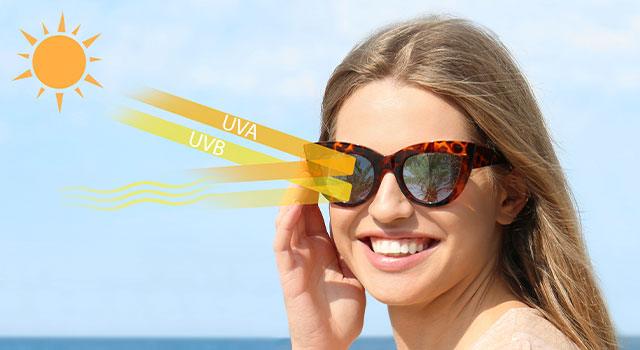
Ultraviolet light harms the eye. UVA reaches deep into the eye. UVB hits the front. Both can damage over time. You may not feel it right away, but it adds up.
Common UV risks include:
- Photokeratitis, which is like a sunburn on your cornea
- Cataracts that cloud your lens over the years
- Growths on the eye, often called surfer’s eye
- Macular changes that can affect central vision
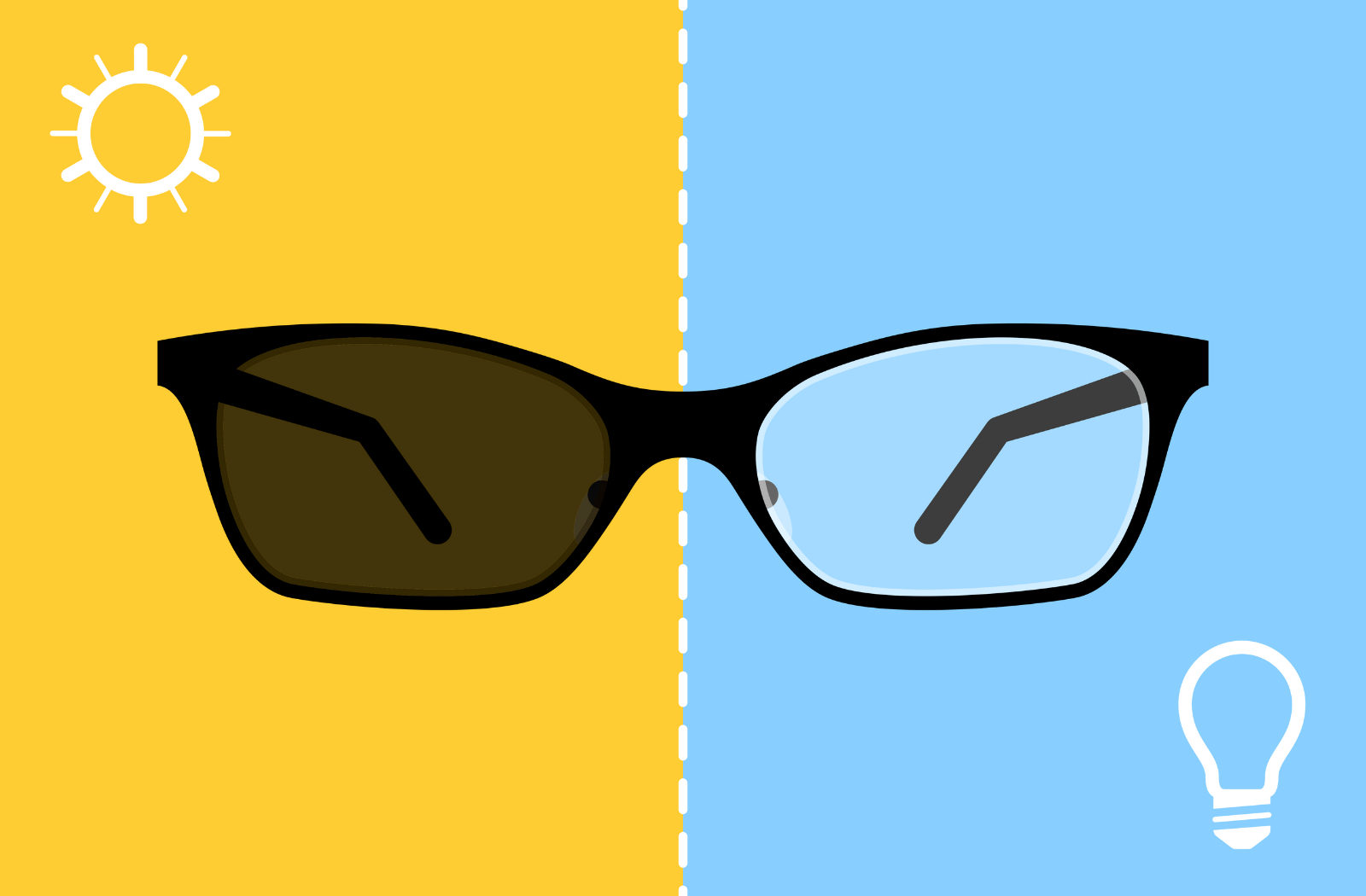
Dark lenses alone do not block UV. Your pupils get larger behind dark tints. If the lens has no UV filter, more UV gets in. That is why the question are all sunglasses uv protected matters so much. It is not about style. It is about a daily habit that guards your sight for life.

Are all sunglasses UV protected? The truth behind labels and standards
Short answer to are all sunglasses uv protected: no. Many do block UV. Many do not. Price does not always tell the whole story. I have tested cheap and costly pairs on a UV meter. Some budget lenses hit full UV400. Some pricey fashion lenses failed.
Look for these clear markers:
- UV400 on the tag or lens. This blocks wavelengths up to 400 nm.
- 100% UV protection or 99–100% UVA and UVB. Both should be listed.
- Compliance with standards like ANSI Z80.3, ISO 12312-1, CE, or AS/NZS 1067.2.
What the labels mean:
- UV400 means the lens blocks UVA and UVB up to 400 nm.
- CE and other marks mean the maker followed a tested rule set.
- If the tag only says “blocks UV,” that is not enough. Vague claims are a red flag.
Here is the key insight. The question are all sunglasses uv protected has a catch. The color, darkness, and style do not prove UV safety. Only the UV rating or a test can tell you. I have seen very dark fashion lenses let in high UV. I have also seen light gray lenses block it all.

How to check if your sunglasses block UV
You can test this with a few simple steps. When friends ask me are all sunglasses uv protected, I show them this quick check list.
At the store:
- Read the label. It should say UV400 or 100% UVA and UVB.
- Ask staff if they can test the lenses on a UV meter. Many optical shops can.
- Skip lenses with no specs, no tag, or only “UV coated” without numbers.
At home:
- Visit an optician and ask for a UV check. It takes one minute.
- Use a UV flashlight and a UV-reactive card. If the card glows less through the lens, the lens is blocking UV. This is a quick screen, not a lab test.
- Check for wear. Deep scratches or delamination can lower UV protection in some lenses.
What to avoid:
- Do not trust darkness, color, or a mirror look alone.
- Do not assume polarized means UV safe. Polarization cuts glare, not UV.
- Do not rely on a phone app for UV testing. These are not accurate.
If you still wonder are all sunglasses uv protected, remember this. Proof is either a clear rating or a meter reading. Anything else is guesswork.

Lens types, tints, and coatings: what they do and what they do not
There are many lens features. They can help comfort and style. But only UV filters stop UV. Here is a quick guide that I use when I explain are all sunglasses uv protected to clients.
Lens materials:
- Polycarbonate and Trivex block most UV by nature. Good makers still add UV coatings.
- Standard plastic (CR-39) and glass need a UV coating to block UV.
- Photochromic lenses change tint in sun. They must still say UV400 to be safe.
Tints:
- Gray, brown, and green are common. Tint affects color and comfort, not UV.
- Gradient tints are darker on top. They can still be UV400. Check the rating.
- Very light tints can block UV if rated UV400. Do not judge by darkness.
Coatings and features:
- Polarized cuts glare from water, snow, and roads. It does not mean UV safe.
- Mirror coatings reflect visible light. They do not prove UV safety.
- Blue-light filters target high energy visible light. That is not UV.
If you ask are all sunglasses uv protected when a lens has many features, the answer is still no unless UV400 is stated. Features add comfort. UV rating adds health protection.

Fit, environment, and extra protection
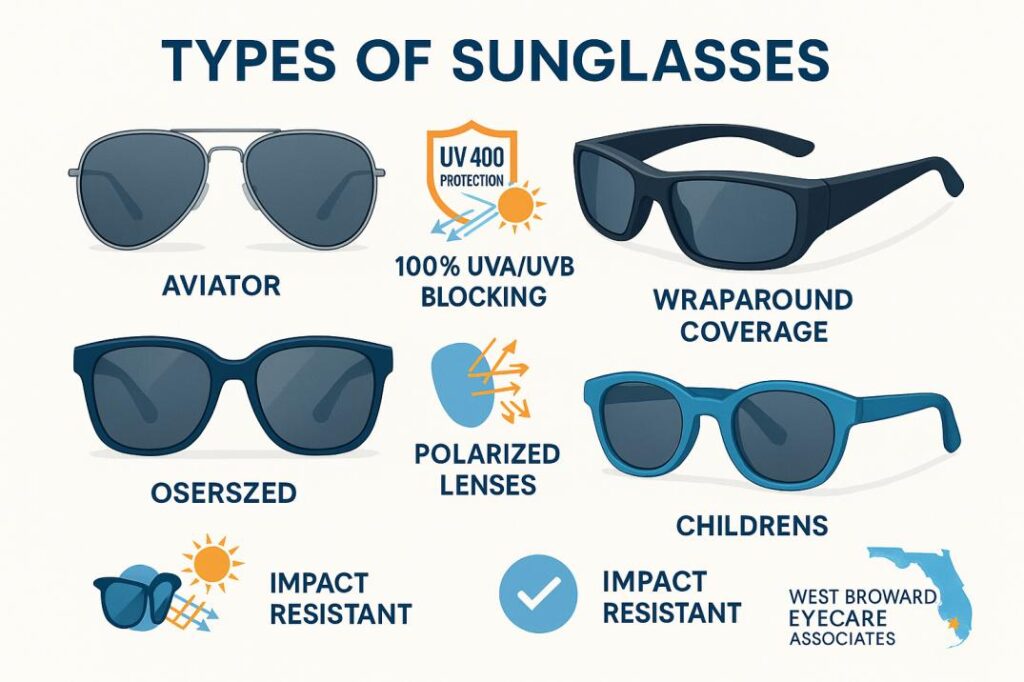
UV comes from above, below, and the sides. Fit matters. Wrap styles reduce side and back glare. This lowers UV from the edges.
Situations that need more care:
- On water or snow, where UV reflects. Use wrap frames and a hat.
- At high altitude, where UV is stronger. Use full coverage styles.
- For kids. Their lenses are clear and let in more UV. Choose UV400 and a snug fit.
Extra tips:
- Combine UV400 shades with a wide-brim hat.
- Use sport straps for active days so the frame stays close.
- For drivers, polarized UV400 lenses reduce glare and eye strain.
I often hear are all sunglasses uv protected from parents. The answer guides the whole family. If a frame slips or sits far from the face, the sides stay exposed. Choose coverage you will wear all day.
Buyer’s checklist and mistakes to avoid
If you still wonder are all sunglasses uv protected, use this checklist when you shop. It keeps the choice simple and safe.
Checklist:
- Check for UV400 or 100% UVA and UVB on the lens or tag.
- Ask for a UV test on a meter if possible.
- Choose standards like ANSI Z80.3, ISO 12312-1, CE, or AS/NZS 1067.2.
- Pick a wrap or larger frame for better side protection.
- Match lens color to use. Gray for true color. Brown for contrast. Green for balance.
- Choose polarized if glare is a big issue, like on water or roads.
- Confirm the return policy so you can test and swap if needed.
Mistakes to avoid:
- Buying by darkness or color alone.
- Trusting a brand name without a UV rating.
- Skipping a test for secondhand or old pairs.
- Leaving glasses in a hot car. Heat can harm coatings over time.
When friends ask me are all sunglasses uv protected, I tell them this. You do not need to spend much. You do need the right words on the tag and a good fit.
Care and lifespan of UV protection
Good lenses last when you care for them. UV coatings can fail with harsh use. Keep them clean and cool.
Care tips:
- Rinse dust, then clean with lens spray and a soft cloth.
- Store in a hard case. Avoid loose pockets or bags.
- Keep away from high heat, like a car dash in summer.
Replacement signs:
- Deep scratches or peeling at the edge
- Fogging between layers on mirrored or polarized lenses
- Faded or missing labels with unknown history
People ask are all sunglasses uv protected even after they buy a pair. The answer can change if the lens gets damaged. If in doubt, test again. A one-minute check can save your eyes a lifetime of strain.
Frequently Asked Questions of are all sunglasses uv protected
Are all sunglasses uv protected?
No. Many are, but some fashion-only shades are not. Look for UV400 or 100% UVA and UVB, or ask for a meter test.
Does lens darkness mean UV protection?
No. Dark lenses can still let UV in. Only a UV rating or a test proves protection.
Are polarized lenses always UV safe?
No. Polarized cuts glare, not UV by itself. You still need UV400 or 100% UVA and UVB on the label.
Do kids need different sunglasses?
Kids need UV400 even more. Their eyes let in more UV, so pick wrap styles and a snug fit.
How can I test my sunglasses for UV at home?
Ask an optician for a quick UV meter check. A UV-reactive card and UV light can help screen, but a pro test is best.
Will photochromic lenses protect from UV?
Yes, if they are rated UV400. The color change does not confirm UV protection by itself.
Can I trust cheap sunglasses with a UV400 label?
Often, yes, but verify when you can. A quick in-store meter test adds peace of mind.
Conclusion
Not all sunglasses are UV protected, and that is the core truth. Labels can mislead, and dark tints can trick the eye. Look for UV400, verify when possible, and choose frames that block light from the sides. Your eyes will feel better today and stay safer for years.
Make one change this week. Check the pairs you own, and test or replace any that do not say UV400. Share this guide with a friend who asks, are all sunglasses uv protected, and help them choose smart. Want more practical eyewear tips? Subscribe for new guides, or drop your questions in the comments.

Rubel Miah is the Senior Editor at MyStyleGrid.com, where he brings a sharp editorial eye and an unshakable love for fashion to everything he does. A true style addict, Rubel lives and breathes trends, from streetwear to high fashion, and has a knack for turning inspiration into impactful stories. With years of experience in fashion journalism and digital media, he curates content that empowers readers to express themselves through style. When he’s not editing features or forecasting the next big thing, you’ll find him hunting down vintage pieces or capturing street style moments around the city.