Most Costa sunglasses are not ANSI Z87 approved unless they’re clearly stamped.
Curious if are costa sunglasses z87 approved for your job or project? You’re in the right place. I work with teams that need eye protection every day, and I’ve tested many models in harsh, real-world use. In this guide, I’ll explain exactly what Z87 means, where Costa stands, and how to make the safest choice. If you’ve ever wondered are costa sunglasses z87 approved, you’ll get a clear, confident answer here—without the fluff.
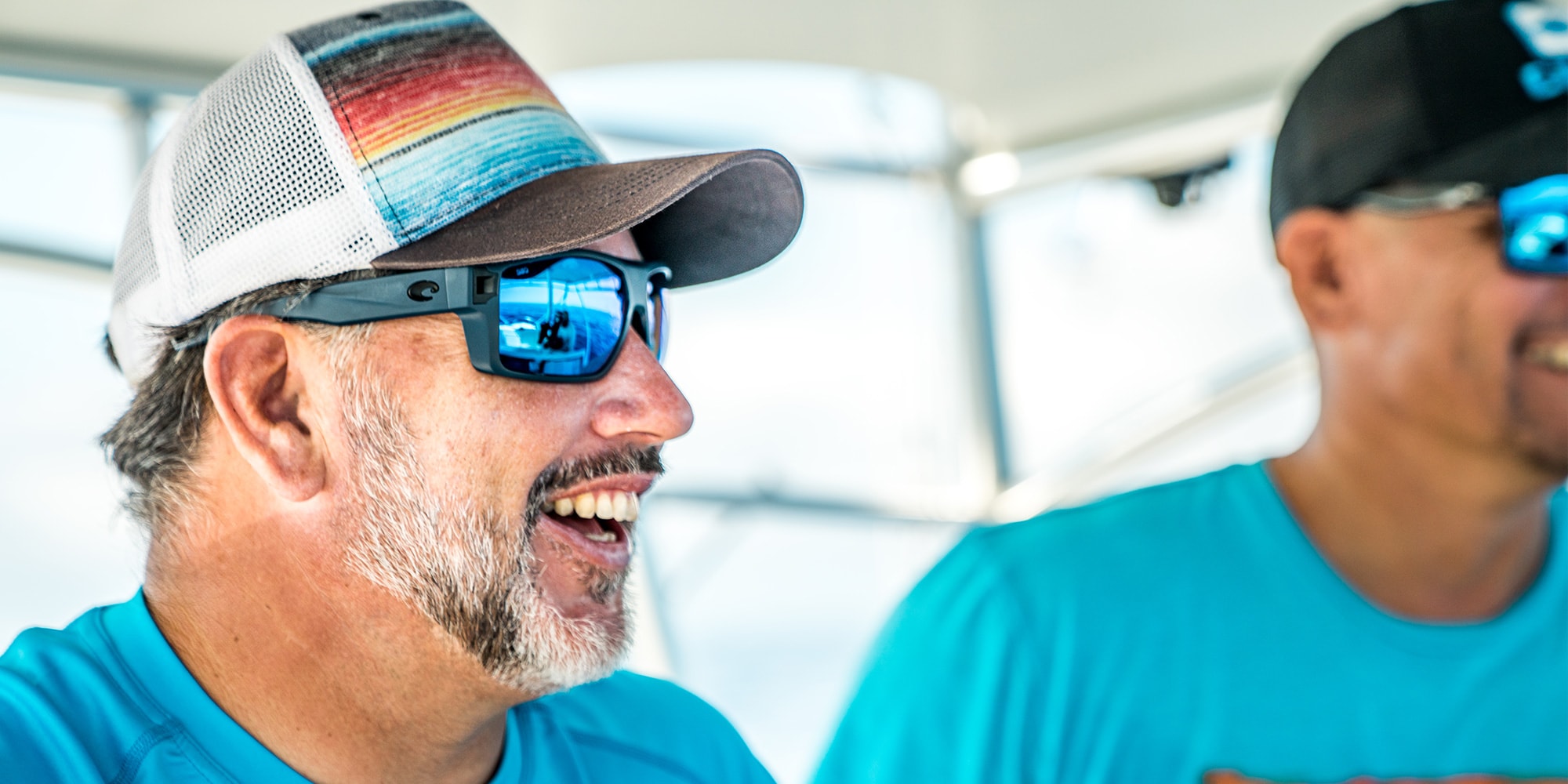
What ANSI Z87.1 Actually Means (And Why It Matters)
ANSI Z87.1 is the US standard for impact-rated safety eyewear. It sets the rules for how glasses resist impact, protect from hazards, and how they should be marked. OSHA recognizes this standard at work sites.
Here’s the quick breakdown most people miss:
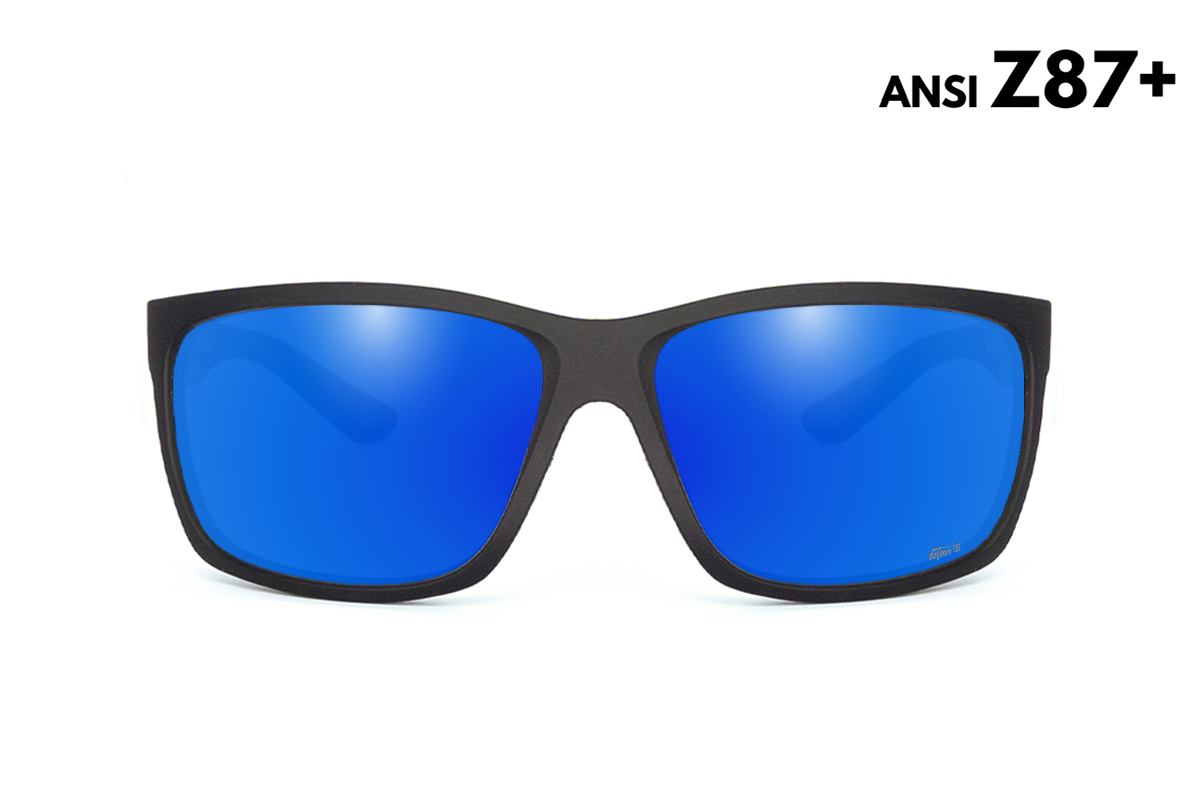
- Z87 means basic impact protection. Z87+ means high-impact protection.
- Side shields matter. For flying debris, you usually need wrap or removable shields.
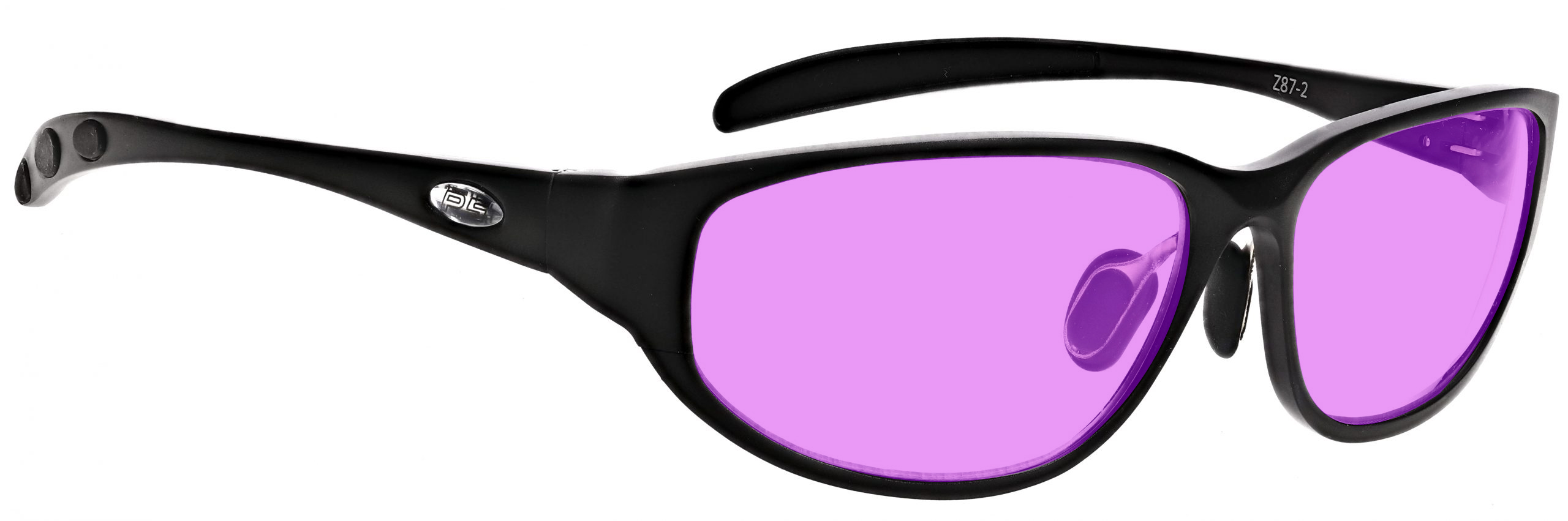
- Extra codes exist. D3 is splash, D4 is dust, D5 is fine dust, and Z87-2 covers prescription safety frames.
If your safety manager asks, “Are those Z87?” they’re asking about tested impact protection. So, are costa sunglasses z87 approved? Only if they are stamped to the standard. No stamp, no approval.
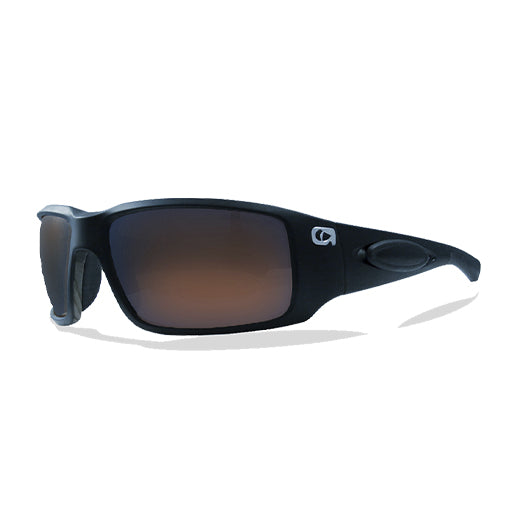
Where Costa Stands Today
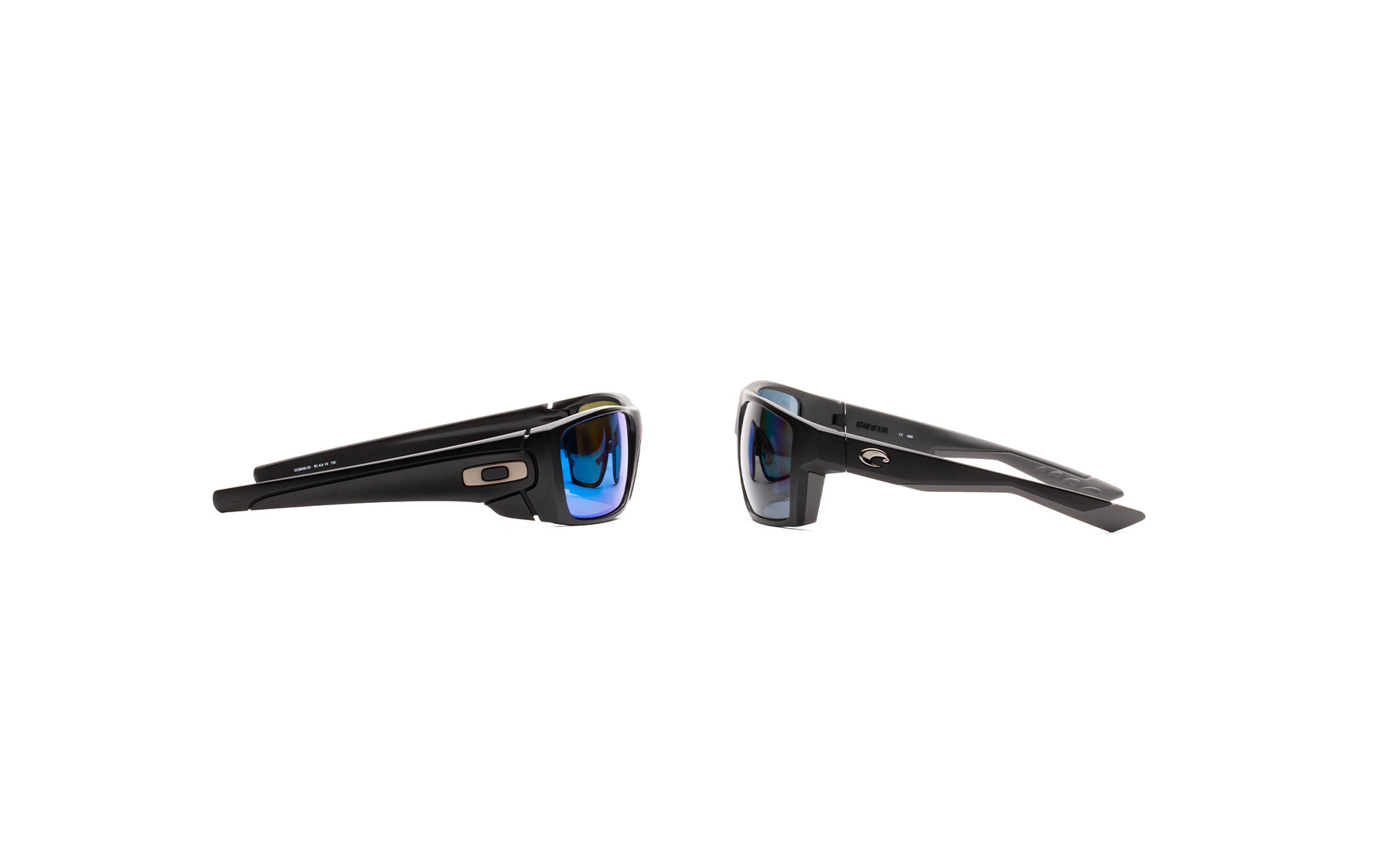
Let’s address the big question: are costa sunglasses z87 approved? As of the latest product cycles I’ve reviewed, Costa Del Mar makes premium fishing and lifestyle sunglasses. They’re excellent for glare reduction, clarity, and on-water contrast. But they’re not marketed as industrial safety eyewear.
What does that mean in practice?
- Most Costa frames and lenses do not carry an ANSI Z87 or Z87+ marking.
- If there’s no Z87 stamp on the frame and lens, they don’t meet workplace Z87 requirements.
- Company policies and OSHA guidance expect ANSI markings. Performance alone isn’t enough.
I’ve had crews ask me, “But these Costas feel strong—do they count?” Feeling sturdy isn’t the same as tested and certified. If you need to satisfy a job site rule, are costa sunglasses z87 approved? Not unless you can find Z87 or Z87+ clearly marked on the eyewear itself.
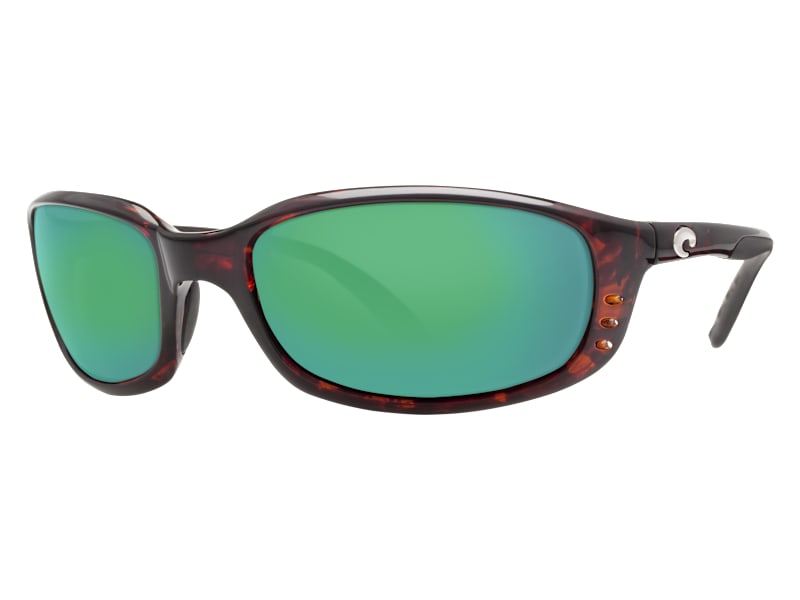
How To Check If Your Eyewear Is Z87 Compliant In 30 Seconds
You don’t need a lab to verify compliance. You just need your glasses and good light. The marking tells the story.
What to look for:
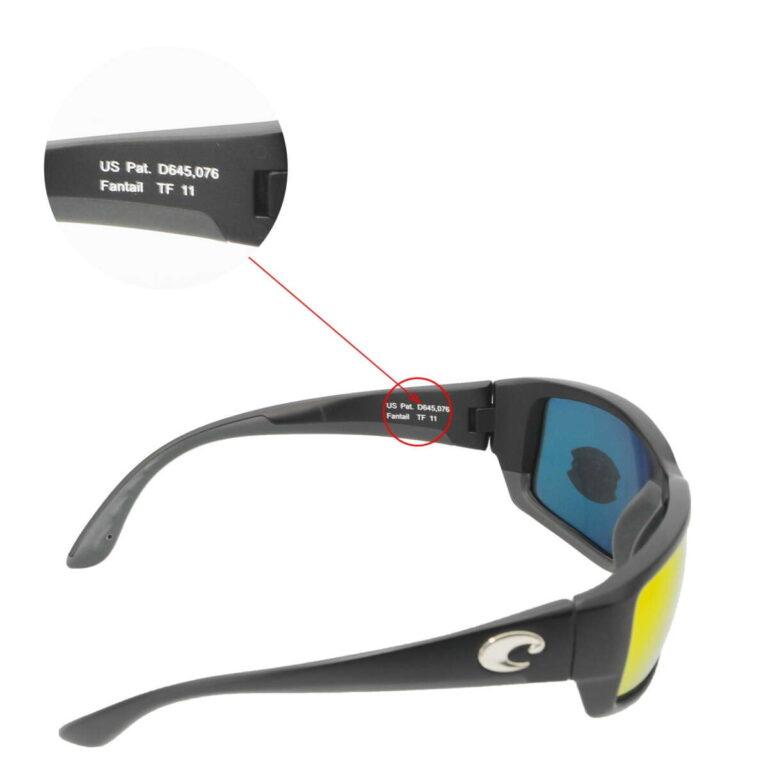
- Frame stamp: Look on the temples or inside the bridge. You should see Z87 or Z87+. Some frames add logos or hazard codes like D3/D4/D5.
- Lens stamp: High-impact eyewear often includes a marking on the lens itself. Some standards require both frame and lens markings for Z87+.
- Side shields: If your task calls for side protection, shields should be part of the design and many carry markings too.
- Prescription note: If you wear Rx, look for Z87-2 on the frame. Non-rated Rx adapters won’t qualify.
Pro tip from the field: snap a quick photo of the markings and send it to your safety manager before day one. It avoids delays, and it ends the debate. When a manager asks are costa sunglasses z87 approved, show them the stamp—or the lack of it.

Why Non-Z87 Sunglasses Can Get You In Trouble At Work
Here’s the hard truth. If you use non-Z87 sunglasses on an OSHA job, you could be sent off site. It also affects injury reporting and liability if debris strikes your eye. Even insurance claims can get messy.
Risks to consider:
- Injury risk: Non-rated eyewear can shatter on impact. Z87+ exists to prevent that.
- Compliance risk: No Z87 marking often means not allowed on site.
- Replacement risk: If your glasses break, you lose both your eyewear and work time.
I’ve seen workers lose a full day’s pay because their favorite shades weren’t marked. The question are costa sunglasses z87 approved isn’t just academic—it’s about your safety and your paycheck.
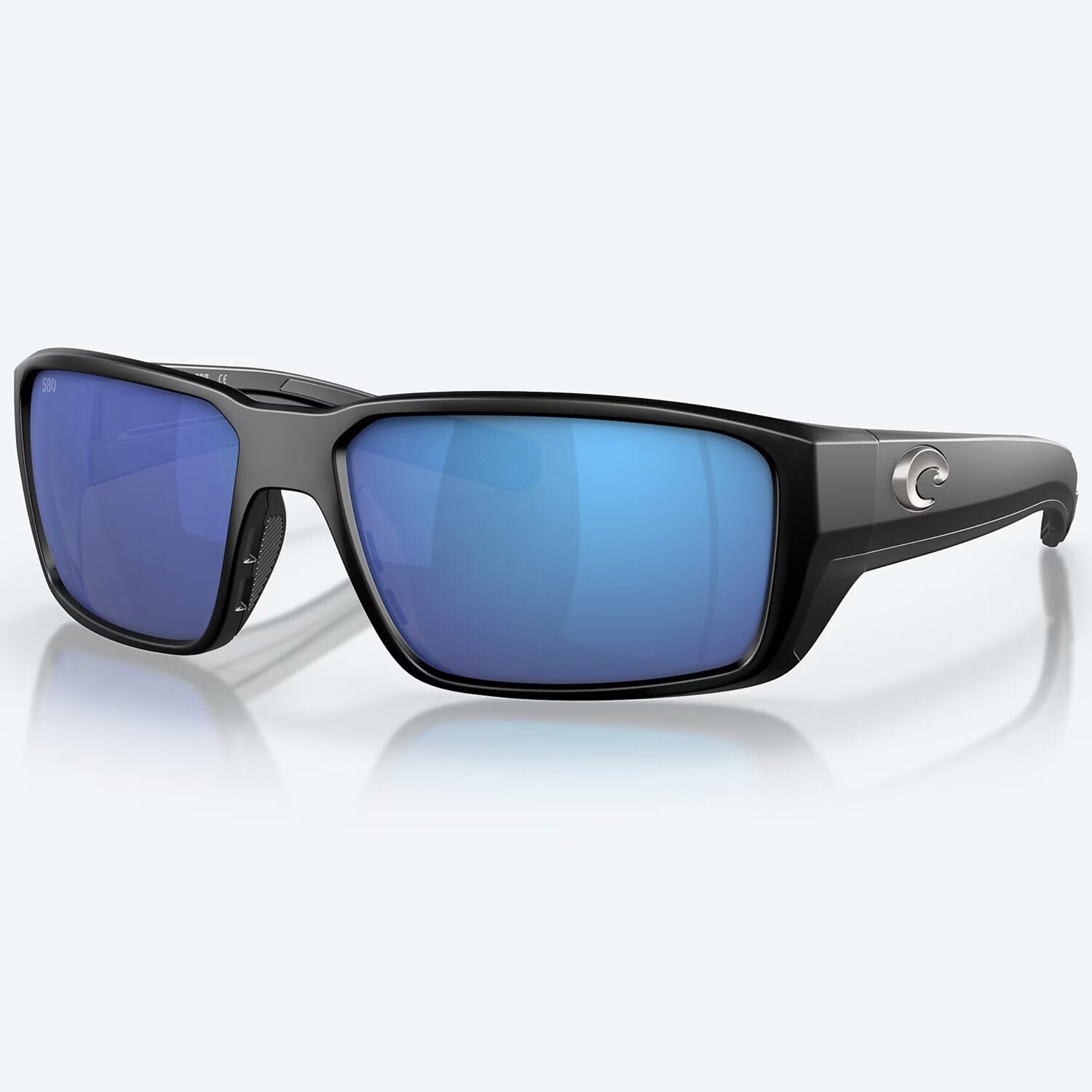
Safer Alternatives If You Need Z87 Sunglasses
If your job calls for Z87 or Z87+, pick eyewear built and marked to the standard. The good news: you can still get polarized lenses, wrap styles, and anti-fog coatings in safety frames.
Features to prioritize:
- Z87+ marking on frame and lens for high-impact tasks
- Side shields or a full wrap design for debris protection
- Polarized lenses if you work on water, concrete, or steel
- Anti-fog and scratch-resistant coatings for long shifts
- Prescription-ready Z87-2 frames if you need Rx
Balanced approach: wear your Costas off the clock, and dedicated Z87 eyewear on the job. If someone asks are costa sunglasses z87 approved, you can answer fast and avoid any back-and-forth at the gate.
When Costa Sunglasses Still Make Sense
Costa sunglasses shine for fishing, boating, and driving. Their 580G glass and 580P poly lenses cut glare and boost contrast on the water. If you’re not under OSHA or job site rules, they’re an excellent choice.
Smart ways I’ve seen people use them:
- Off the job: weekend fishing, beach days, and long drives
- Over protection: some workers wear Z87 goggles, then switch to Costas after shift
- As a backup: keep Z87 eyewear in your bag, Costas in your truck
But remember the core question: are costa sunglasses z87 approved? For industrial or construction tasks, assume no unless you find a clear Z87 or Z87+ stamp.
Field Notes, Personal Tips, And Mistakes To Avoid
Over the years, I’ve outfitted crews in construction, utilities, and marine work. The pattern is the same: confusion at the gate, delays, then a scramble for compliant glasses. A little prep solves it.
What works:
- Pack a spare Z87+ pair in your toolbox or glove box
- Take photos of markings for quick manager approval
- Choose anti-fog if you sweat or move between hot and cool areas
- If you need Rx, get Z87-2 frames from the start
Common mistakes:
- Assuming “tough-looking” eyewear is Z87
- Believing expensive lifestyle brands meet job site rules
- Forgetting side shields when task hazards call for them
When people ask me are costa sunglasses z87 approved, I keep it simple: look for the mark. No mark, not approved.
Frequently Asked Questions of are costa sunglasses z87 approved
Are Costa sunglasses ANSI Z87 approved?
Most are not. Unless a Costa model shows Z87 or Z87+ markings on the frame and lens, it won’t meet ANSI Z87.1 for workplace use.
Where would the Z87 marking be on sunglasses?
Check the inside of the temples or the bridge first. For Z87+, many products also mark the lens and any side shields.
Can polarized safety glasses meet Z87?
Yes. Many Z87 and Z87+ safety glasses come with polarized lenses. Polarization and safety rating are separate features.
Are Costa sunglasses okay for OSHA job sites?
Only if they’re marked Z87 or Z87+. If there is no marking, OSHA and site policies usually won’t accept them as safety eyewear.
What’s the difference between Z87 and Z87+?
Z87 is basic impact protection. Z87+ is high-impact protection and is often required for construction or heavy-duty tasks.
Do prescription safety glasses need a special mark?
Yes. Look for Z87-2 on the frame. That marking identifies prescription-capable safety frames that meet the standard.
Can I add side shields to make glasses Z87?
Side shields help, but they don’t create compliance by themselves. The frame and lens still need proper Z87 or Z87+ markings.
Conclusion
If your day involves impact risks, the safest path is clear. Ask yourself, are costa sunglasses z87 approved? If you don’t see Z87 or Z87+ on the frame and lens, treat them as non-compliant for work. Save your Costas for off-hours, and use purpose-built, marked safety eyewear on the job.
Make your next shift smoother. Check your glasses now, snap a photo of the markings, and share it with your safety lead. Want more tips like this? Subscribe, ask a question in the comments, or share your experience so others can learn from it.

Rubel Miah is the Senior Editor at MyStyleGrid.com, where he brings a sharp editorial eye and an unshakable love for fashion to everything he does. A true style addict, Rubel lives and breathes trends, from streetwear to high fashion, and has a knack for turning inspiration into impactful stories. With years of experience in fashion journalism and digital media, he curates content that empowers readers to express themselves through style. When he’s not editing features or forecasting the next big thing, you’ll find him hunting down vintage pieces or capturing street style moments around the city.