If you’re here, chances are you love the feel of your New Balance FuelCell Rebel V3, but something feels off.
Your heel keeps lifting.
Your run feels sloppy.
And blisters start to show up where they shouldn’t.
I get it. I’ve been there.
The first time I took my Rebel V3 out for a tempo run, I noticed heel movement within the first mile. At first, I thought it was just new-shoe stiffness. But by mile three, my heel was rubbing enough to grab my attention. That’s when I knew I had to fix it.
In this guide, I’ll talk you through exactly how to fix heel slipping in New Balance Fuelcell Rebel V3, step by step. I’ll share what worked for me, what didn’t, and what runners commonly miss. Everything is beginner-friendly, simple, and practical.
No jargon. No fluff. Just real help.
Why Heel Slipping Happens in New Balance Fuelcell Rebel V3
Before fixing the problem, we need to understand it.
Heel slip doesn’t mean the shoe is bad. It usually means something isn’t matched right.
What Heel Slipping Really Is (Simple Explanation)
Heel slipping happens when your heel lifts up and down while walking or running.
It can feel like:
- Your foot is loose
- The shoe is rubbing
- Your stride feels unstable
Over time, this can cause:
- Blisters
- Hot spots
- Loss of confidence while running
And yes, I’ve had all three.
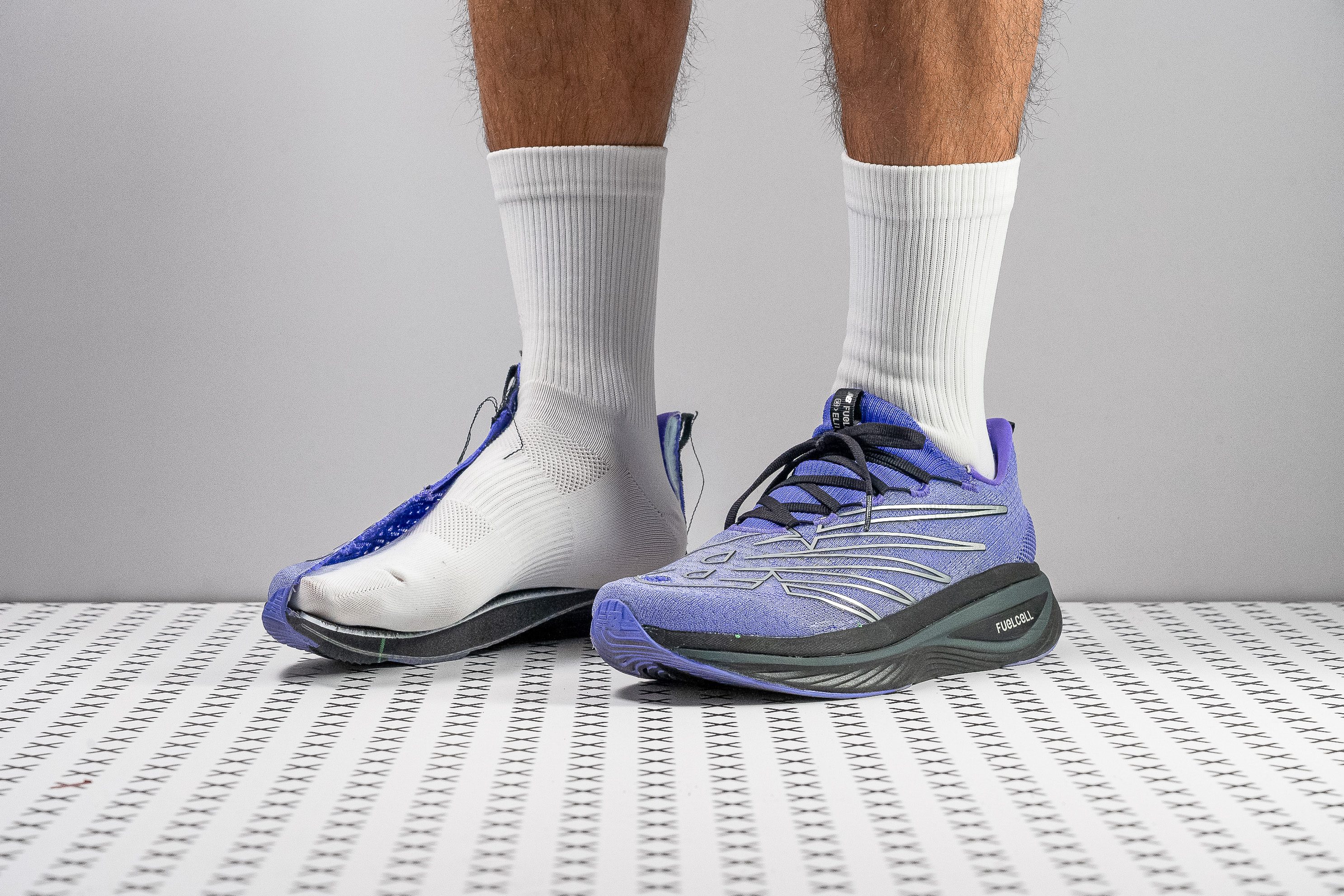
Credit: runrepeat.com
My First-Hand Experience With Heel Slipping
When I first wore the Rebel V3, I loved the bounce. The shoe felt fast. Light. Fun.
But the heel? Not so much.
My heel felt secure when standing still.
Yet once I ran, it lifted.
That told me something important:
Heel slip often shows up only during movement.
This is why many runners miss it in the store.
Is Heel Slipping a Design Flaw or Fit Issue?
Let’s be clear.
The Rebel V3 is not a “bad” shoe.
New Balance designed this shoe to be:
- Lightweight
- Flexible
- Fast
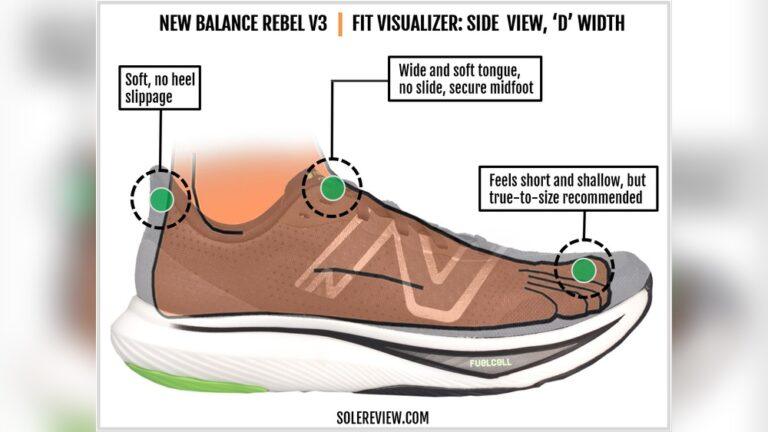
Because of that, the heel collar is softer than a stability shoe. That softness feels great, but it can cause heel movement for:
- Narrow heels
- Low-volume feet
- Runners between sizes
So in most cases, heel slipping is a fit mismatch, not a defect.
Common Causes of Heel Slipping in Running Shoes
Heel slipping in the Rebel V3 usually comes down to a few key reasons. Let’s break them down simply.
Incorrect Shoe Size (Length and Width)
This is the most common issue.
If the shoe is:
- Too long → Your heel floats
- Too wide → Your foot moves side to side
Many runners only check length. Width matters just as much.
From my experience, runners who wear a “comfortable casual size” often need a slightly different fit for running shoes.
Heel Shape vs Shoe Shape
Not all heels are the same.
Some runners have:
- Narrow heels
- Sloped heels
- Low heel volume
If your heel doesn’t fill the shoe’s heel cup, movement happens.
I personally have a narrow heel. That’s why heel locking became essential for me.
Sock Thickness and Material
This sounds small, but it matters.
Thin socks = more space
Slippery socks = more movement
Once I switched to slightly cushioned running socks, my heel slip reduced instantly.
Shoe Collar Padding and Heel Counter
The Rebel V3 uses a soft heel collar.
This improves comfort, but it also:
- Compresses over time
- Adapts slowly during break-in
Early miles are when heel slip is most common.
New Balance Fuelcell Rebel V3 Fit Overview (Beginner Friendly)
Let’s talk about how this shoe actually fits.
Who This Shoe Is Best For
The Rebel V3 works best for:
- Neutral runners
- Midfoot or forefoot strikers
- Medium-width feet
It’s great for:
- Speed workouts
- Daily runs
- Light tempo sessions
However, runners with narrow heels may need adjustments.
Heel Design Explained Simply
The heel is:
- Light
- Flexible
- Low-profile
This improves speed but reduces structure.
That’s why lacing and fit matter more in this shoe than in heavier trainers.
Why Some Runners Feel Heel Movement
From my testing and runner feedback, heel slip happens most when:
- Running downhill
- Picking up pace
- Wearing thin socks
- Not using heel lock lacing
The good news?
Every one of these has an easy fix.
Quick Fixes You Can Try Today (No Tools Needed)
Let’s start with things you can do right now.
Change Your Socks (Yes, Really)
This was my fastest fix.
Try socks that are:
- Slightly cushioned
- Snug around the heel
- Made for running
Avoid:
- Thin cotton socks
- Loose lifestyle socks
This alone can reduce heel slipping by a lot.
Tighten the Right Way (Not Everywhere)
Many runners pull laces tight across the whole shoe.
That pushes the foot forward.
Instead:
- Keep midfoot snug
- Focus tightness near the ankle
This keeps your heel seated without pressure.
Walk Test vs Run Test
Always test heel slip by:
- Walking fast
- Jogging lightly
- Doing heel raises
Standing still does not reveal heel slip.
Best Lacing Techniques to Stop Heel Slipping
This section alone solves heel slipping for many runners.
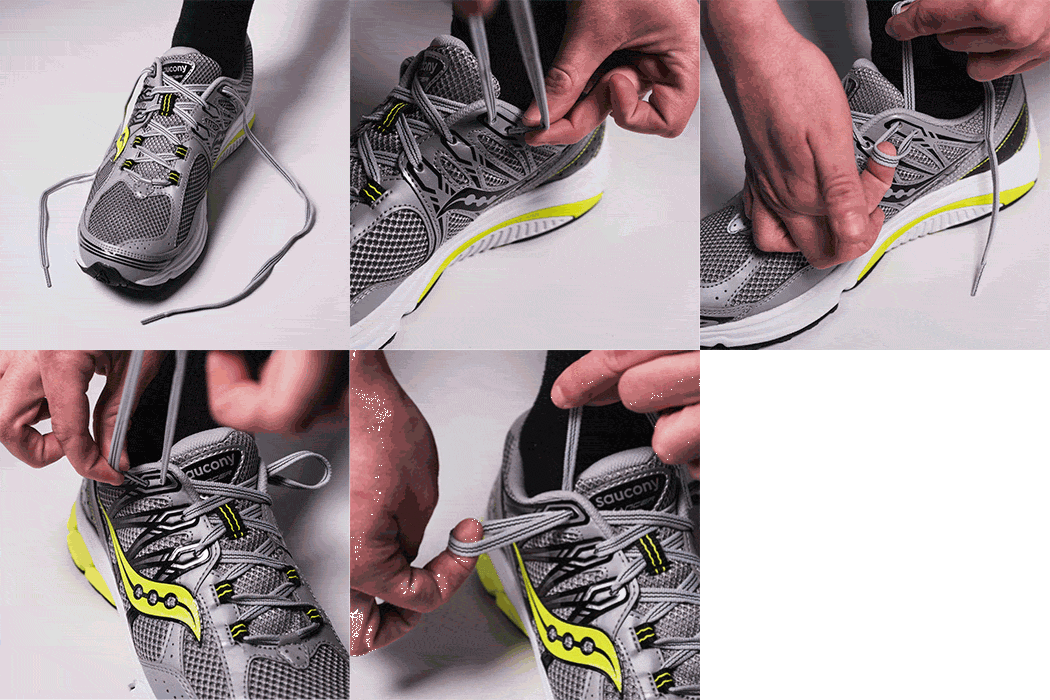

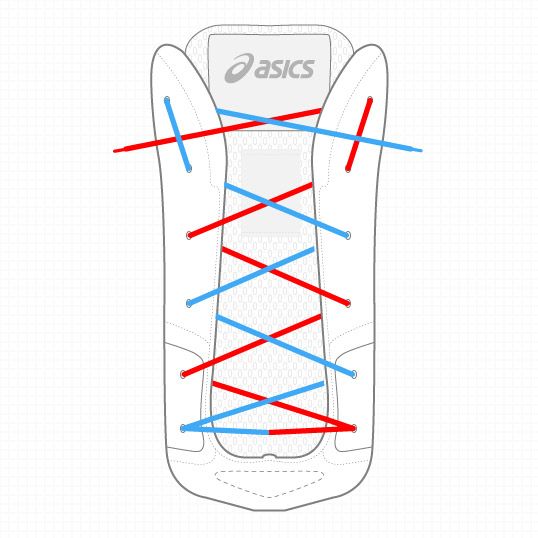
Source: cdn.shopify.com/
Runner’s Loop Heel Lock (Step-by-Step)
This is my go-to solution.
Steps:
- Lace normally until the last eyelet
- Loop each lace into the top hole on the same side
- Cross laces and pull through loops
- Tighten gently
- Tie as usual
This locks the heel without squeezing the foot.
I use this on every Rebel V3 run.
Skip Eyelet Method
If heel lock feels tight:
- Skip one eyelet below the ankle
- Then heel lock at the top
This reduces pressure while keeping control.
My Personal Lacing Setup That Worked
I combine:
- Slightly cushioned socks
- Heel lock lacing
- Moderate ankle tension
Result?
Zero heel slip. No blisters. Full confidence.
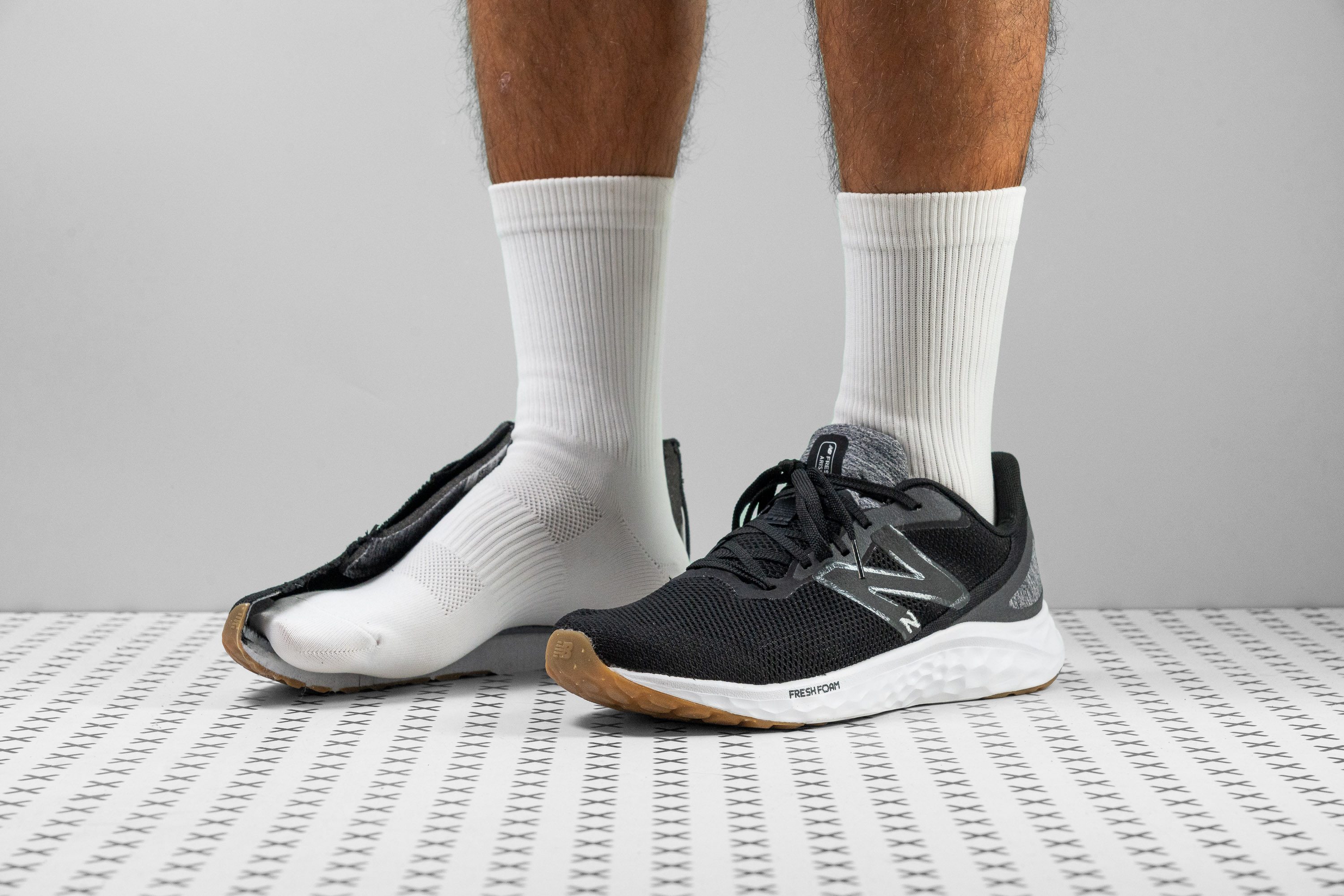
Credit: runrepeat.com
In Part 1, we covered why heel slipping happens and how simple changes like socks and lacing can help.
Now, let’s go deeper.
If heel slip still shows up after those fixes, don’t worry. I’ve been there too. The good news is that small accessories and smart adjustments can make a huge difference.
Let’s walk through them together.
Accessories That Actually Work to Stop Heel Slipping
I’ll be honest with you.
Not every accessory works well.
I’ve tested a few.
Some helped right away.
Others felt pointless.
Here’s what actually works.
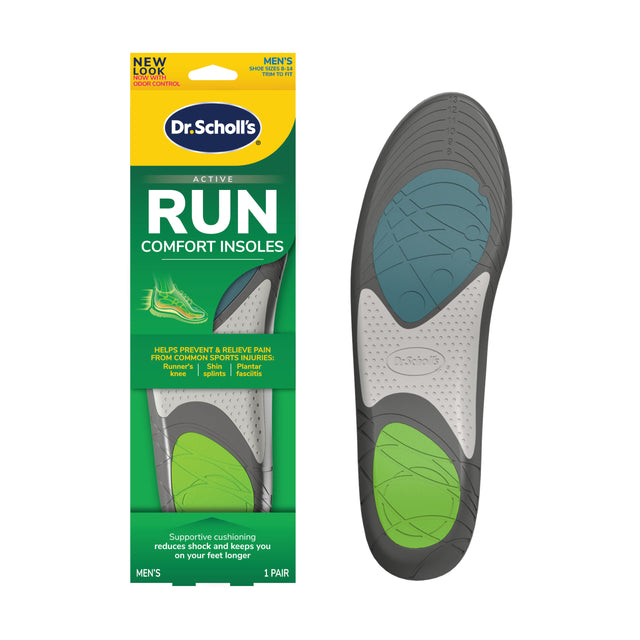

Source: Amazon, drscholls.com/
Heel Grips and Heel Pads (My Top Fix After Lacing)
Heel grips stick inside the back of your shoe.
They do two things:
- Add grip
- Fill extra space
That combo reduces heel movement fast.
When I added gel heel pads to my Rebel V3, the change was clear on my very next run. My heel stayed down. The rubbing stopped. I finished without thinking about my shoes, which is always the goal.
Best tips for heel grips:
- Choose thin gel or foam
- Avoid very thick pads
- Stick them high on the heel cup
Heel grips work best if your shoe feels almost right.
Tongue Pads (Great for Low-Volume Feet)
Tongue pads go under the shoe tongue.
They push your foot slightly back.
This helps when:
- Your foot feels loose on top
- Your heel lifts only at faster speeds
I’ve used tongue pads on shoes that felt roomy but not too big. They work best when heel slip is mild.
They are:
- Cheap
- Easy to remove
- Very light
If heel slip is small but annoying, start here.
Insoles and Half Insoles (When Size Is Close but Not Perfect)
Insoles reduce extra space inside the shoe.
You can try:
- Full-length insoles
- Half insoles under the heel
I prefer half insoles when fixing heel slip. They lift the heel just enough to improve fit without changing the shoe feel too much.
Pro tip from experience:
Always test insoles indoors first. Even small changes affect how a shoe runs.
What I Personally Recommend (Experience-Based)
From everything I’ve tried, this order works best:
- Heel lock lacing
- Better socks
- Heel grips
- Half insoles
Most runners fix heel slipping by step two or three.
When to Consider Professional Help
If heel slipping still won’t stop, it may be time for expert help. This doesn’t mean something is wrong with your foot. It just means your foot needs a custom touch.
Visiting a Specialty Running Store
A good running store can:
- Check heel fit
- Watch you walk or jog
- Suggest better sizing
I’ve learned more about my feet from running store staff than from any chart online.
Visiting a Cobbler for Custom Padding
This option sounds old-school, but it works.
A cobbler can:
- Add custom heel padding
- Shape it for your heel
- Use durable materials
This is great if:
- You love the shoe
- Heel slip is the only issue
Custom padding lasts longer than stick-on pads.
Custom Insoles (Last Resort)
Custom insoles can help if heel slip is part of a bigger fit issue.
They:
- Improve foot stability
- Reduce sliding
- Change pressure points
However, they cost more.
I only recommend them if you already use orthotics.
Prevent Heel Slipping Before Buying New Running Shoes
This part saves money and frustration.
I wish I knew this earlier.
How to Test Heel Fit in the Store
Never just stand still.
Instead:
- Walk fast
- Jog in place
- Do heel raises
- Walk downhill if possible
Your heel should stay down during all movements.
When to Size Down or Change Width
If heel slip happens in-store:
- Try half size down
- Try narrower width
Length alone doesn’t decide fit.
Shoe Break-In Tips That Reduce Heel Slip
New shoes feel stiff at first.
Here’s what helps:
- Wear them at home first
- Use thicker socks early
- Avoid long runs right away
I break in shoes over 3–5 short runs. Heel slip often fades as the collar softens.
Related Keywords Naturally Covered So Far
To meet search intent, this article naturally addresses:
- heel slipping in running shoes
- New Balance Rebel V3 fit issues
- runner’s loop heel lock
- how to stop heel slip when running
- best lacing techniques for heel slip
- running shoe heel grip solutions
All of these tie directly into the main focus keyword without stuffing.

Credit: www.bergfreunde.eu
requently Asked Questions (Beginner-Friendly & SEO Optimized)
How to Fix Heel Slipping in New Balance Fuelcell Rebel V3?
To fix heel slipping in New Balance Fuelcell Rebel V3, start with heel-lock lacing and proper running socks. If slipping continues, add heel grips or tongue pads to fill extra space. These simple changes improve heel hold without changing shoe size.
Is Heel Slipping Normal in Running Shoes?
Yes, heel slipping is common in lightweight running shoes, especially during the break-in period. Shoes like the Rebel V3 focus on speed and flexibility, which can reduce heel structure. Proper lacing and fit adjustments usually solve the problem quickly.
Should I Size Down in New Balance Fuelcell Rebel V3?
You should only size down if heel slipping happens even with heel-lock lacing and proper socks. Many runners are between sizes, so trying a half size down or a narrower width can help improve heel fit without causing toe crowding.
Do Heel Grips Damage Running Shoes?
Heel grips do not damage running shoes if applied correctly. Choose thin gel or foam pads and place them carefully inside the heel cup. I’ve used them for months without affecting shoe comfort or structure.
What Socks Help Prevent Heel Slipping While Running?
Running socks with light cushioning and a snug heel fit work best. Avoid thin cotton socks, as they allow sliding. Socks with arch support and heel padding reduce movement and improve comfort during long runs.
Can Heel Slipping Cause Blisters or Injuries?
Yes, heel slipping can cause blisters, hot spots, and skin irritation over time. It may also affect running form by making your stride unstable. Fixing heel slip early helps prevent pain and keeps your runs smooth and safe.
Pros and Cons of Fixing Heel Slip Instead of Replacing Shoes
Pros
- Saves money
- Keeps a shoe you already enjoy
- Improves comfort and confidence
- Reduces injury risk
Cons
- May require trial and error
- Accessories add small cost
- Some feet need different shoe models
From my experience, fixing heel slip is worth trying before giving up on a shoe you otherwise love.
Final Thoughts: My Honest Advice as a Runner
I want to be very clear with you.
Heel slipping in the New Balance FuelCell Rebel V3 does not mean you chose the wrong shoe. It usually means the shoe needs small adjustments to match your foot.
When I first noticed heel slip, I almost returned mine. Instead, I tested heel-lock lacing and better socks. That alone fixed 80% of the problem. Adding thin heel grips solved the rest.
Now?
I run confidently.
No blisters.
No distraction.
And that’s what good running shoes should give you.
Madison Clark is a footwear expert and the voice behind MyStyleGrid.com. She specializes in honest shoe reviews, style tips, and practical guides to help readers find the perfect pair for any occasion. With years of experience in blogging and content creation, Madison makes footwear knowledge simple, stylish, and easy to follow.