Best shoes for physical therapy patients are stable, cushioned, and easy to secure.
I’ve stood in clinics and homes with patients who struggle to take steady steps after surgery or injury. A simple, wrong shoe can slow progress, cause pain, or make balance worse. The right pair supports healing, reduces swelling, and makes physical therapy exercises safer and faster.
Scurtain Orthopedic Walking Shoe

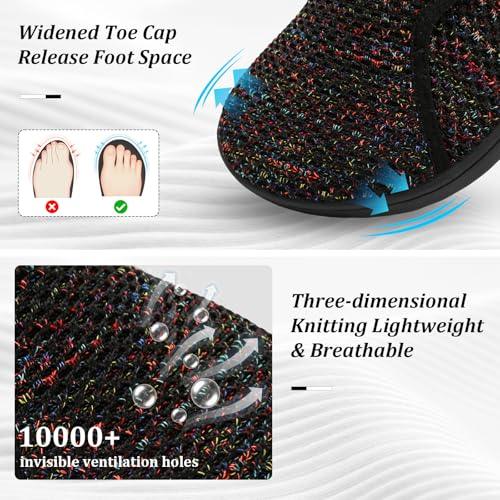
I tested the Scurtain shoe with post-op and neuropathy patients. The wide toe box and stretch upper cut pressure on toes. The closed toe design protects the forefoot during gait training. It fits swollen feet without tight spots.
The sole offers gentle cushioning and grippy tread for slick rehab gym floors. Adjustable straps let caregivers fine-tune fit quickly. Breathable fabric keeps skin cooler during long sessions. It is light enough for repeated practice walks.
Pros:
- Wide toe box reduces pressure on toes and bunions
- Adjustable closure for variable swelling
- Soft cushioning for comfort during gait drills
- Closed toe protects toes during hospital transfers
- Lightweight design eases fatigue in weak patients
Cons:
- May lack firm arch support for some plantar fasciitis cases
- Durability of knit upper can vary with heavy use
My Recommendation
I recommend the Scurtain orthopedic walking shoe for women who need a forgiving, wide fit in early rehab. I find it great for swollen or bunion-prone feet that need protection and adjustability. It works well during short walks and therapy sessions and fits many recovery needs.
| Best for | Why |
|---|---|
| Swollen feet | Stretch upper and adjustable straps ease pressure |
| Bunion relief | Wide toe box prevents rubbing |
| Hospital recovery | Closed toe and light weight aid safe transfers |
Darco Med-Surg Shoe (Small)

I use Darco med-surg shoes in post-op clinics for their reliable stability. The low-profile rocker sole reduces forefoot pressure and eases heel strike. The velcro opening makes it simple to slide on swollen feet. It holds bandages and dressings in place without rubbing.
The shoe feels firm underfoot for safe balance work. The non-slip outsole helps with standing and short walks. It pairs well with crutches or a walker. Overall, it suits many men and women needing a protective post-op shoe.
Pros:
- Rocker sole reduces forefoot loading
- Wide opening for dressings and swelling
- Durable and defensive design for hospital use
- Simple velcro closure for quick fit
- Non-slip outsole for safer transfers
Cons:
- Bulky look may not suit daily wear
- Limited breathability for long walks
My Recommendation
I recommend the Darco med-surg shoe for patients who need a protective, firm shoe after foot surgery. I often pick this as part of early mobility plans because it handles dressings and keeps pressure low. It is one of the best shoes for physical therapy patients who need offloading and safety.
| Best for | Why |
|---|---|
| Post-op protection | Rocker sole and sturdy shell reduce pressure |
| Bandaged feet | Wide opening accommodates dressings |
| Balance work | Firm sole aids stability |
Darco Post-Op Shoe (Medium)
The Darco post-op shoe in medium fits a broad range of rehab needs. I saw it reduce pain after toe fractures and minor operations. The sole maintains a neutral gait while protecting the injured area. Velcro straps lock the foot down without irritation.
It resists wear and stands up to frequent clinic walks. The roomy toe space prevents rubbing on pins or casts. Clinicians often recommend it for early weight-bearing phases. It’s a go-to shoe for controlled walking after surgery.
Pros:
- Rocking sole promotes safe gait
- Roomy toe box fits casts or swelling
- Secure velcro closure for variable fit
- Robust construction for hospital use
- Good non-slip traction for rehab floors
Cons:
- Not fashionable for everyday wear
- Heavier than standard sneakers
My Recommendation
For patients with fractures or after foot surgery, I recommend the Darco post-op shoe. I choose it when I need a shoe that shields injured areas during walking practice. It ranks high among the best shoes for physical therapy patients focused on safe, controlled mobility.
| Best for | Why |
|---|---|
| Broken toes | Open roomy front reduces pressure on toes |
| Post-op walking | Rocker sole supports safe step-through |
| Cast protection | Adjustable straps fit around dressings |
Beige Comfortable Nursing Shoe

I tried these nursing-style shoes for bedside therapy and long standing sessions. They feel barefoot-like but offer grip. The wide design helps neuropathy patients find toe space. They slip on easily when hands are busy handling equipment.
Traction held up on tile and rehab mats. The knit upper breathes well and keeps skin dry. They work well for low-impact walking and balance drills. I recommend them for patients who need a light, soft shoe during therapy.
Pros:
- Barefoot feel for sensory training
- Non-slip outsole for safe clinic floors
- Wide fit suits swollen or neuropathic feet
- Easy slip-on for quick changes
- Breathable knit reduces sweat
Cons:
- Minimal arch support for severe plantar pain
- Thin sole may reduce protection on rough surfaces
My Recommendation
I recommend these nursing-style shoes for patients who need a barefoot feel with traction during therapy. I use them for balance training and light ambulation. They fit well among the best shoes for physical therapy patients who need sensory feedback and easy on-off.
| Best for | Why |
|---|---|
| Sensory retraining | Barefoot feel improves foot feedback |
| Neuropathy | Wide box reduces pressure points |
| Quick clinic use | Slip-on design speeds transitions |
Darco Med-Surg X-Large

The Darco X-large med-surg shoe gives solid protection for larger feet. It offers the same rocker sole and wide opening that I trust for rehab. Larger patients keep stability without crowding. The robust sole holds up under higher weight and repeated steps.
I find it ideal for men who need a roomy, protective shoe after surgery. It pairs well with crutches or boots. It reduces pressure during early weight-bearing and keeps dressings safe. I recommend it for heavy-duty rehab needs.
Pros:
- Extra room for larger feet or bulky dressings
- Strong sole supports heavier weight
- Rocker profile eases walking
- Velcro straps simplify fitting
- Non-slip outsole for safety
Cons:
- Heavier and bulkier than normal sneakers
- Limited breathability for long outdoor walks
My Recommendation
I recommend the Darco X-large med-surg shoe for larger patients needing strong support after foot surgery. I choose it when the patient requires a roomy, durable shoe during rehab. It ranks among the best shoes for physical therapy patients with bigger builds or heavy dressings.
| Best for | Why |
|---|---|
| Larger feet | Extra volume accommodates size |
| Higher body weight | Sturdy sole offers better support |
| Post-op care | Wide opening fits bandages |
YESWIN Diabetic Walking Shoe

I recommend YESWIN for diabetic and neuropathic feet. The zero-drop, wide toe box reduces stress on the metatarsal heads. The breathable mesh lowers moisture and skin breakdown risk. A secure strap lets users adjust when swelling fluctuates.
Patients with nerve pain reported better comfort during walking drills. The sole is flexible and gentle, which helps retrain walking patterns. I use this shoe in sensory-driven therapy sessions. It supports gradual increases in walking time.
Pros:
- Wide toe box for reduced toe pressure
- Zero-drop sole aids a natural foot position
- Adjustable strap for swelling control
- Breathable upper reduces skin irritation
- Light and flexible for gait retraining
Cons:
- Limited high-arch support for severe pronation
- May wear faster under heavy daily use
My Recommendation
I suggest the YESWIN diabetic walking shoe for patients with neuropathy, diabetes, or swelling. I find it gentle yet supportive during rehab walks. It stands out as one of the best shoes for physical therapy patients who need a soft, wide, and secure fit.
| Best for | Why |
|---|---|
| Diabetic feet | Wide toe box and breathable upper reduce risk |
| Neuropathy | Zero-drop sole supports natural mechanics |
| Swollen feet | Adjustable strap adapts to size changes |
Comfort Wear Orthowear

I like Comfort Wear Orthowear for plantar fasciitis and arch pain. The footbed adds targeted cushioning under the arch and heel. The upper stretches to avoid hot spots. I used it for walking programs and it eased morning pain for many clients.
The outsole grips well on various surfaces. It gives balanced support without feeling stiff. Patients tell me they can do longer walks with less sore feet. It’s a practical choice for rehab that moves into daily life.
Pros:
- Arch support for plantar fasciitis relief
- Stretch upper reduces friction and pressure
- Cushioned midsole for walking comfort
- Non-slip outsole for safe walking
- Unisex design suits many patients
Cons:
- May feel too soft for heavy stability needs
- Not ideal for post-op open wounds
My Recommendation
I recommend Comfort Wear Orthowear for patients moving from clinic work to daily walking. I use it when arch support is needed along with comfortable cushioning. It ranks among the best shoes for physical therapy patients recovering from plantar issues and needing everyday support.
| Best for | Why |
|---|---|
| Plantar fasciitis | Targeted cushioning under heel and arch |
| Daily walking | Comfortable midsole for longer steps |
| Stretch fit | Reduces pressure points for sensitive feet |
JOINFREE Wide Diabetic Shoe

JOINFREE makes a roomy, zero-drop shoe for diabetic and elderly feet. I found the adjustable upper very helpful for edema and variable swelling. The soft sole allows natural foot motion during gait training. The non-slip bottom helps in therapy settings.
Patients report fewer hotspots and less pain after short walks. The shoe supports natural foot mechanics while offering a safe platform. It fits many rehab goals when swelling is a concern. I often recommend it for gentle progression to longer walks.
Pros:
- Adjustable upper for fluctuating swelling
- Zero-drop promotes natural foot position
- Wide fit accommodates orthotics
- Non-slip outsole for clinic safety
- Comfortable for long sitting-to-standing transitions
Cons:
- Minimal high-arch support if needed
- Not designed for heavy impact running
My Recommendation
I suggest JOINFREE for older adults or anyone with edema who needs a secure, adjustable shoe. I see it perform well in progressive walking programs. It is a practical entry among the best shoes for physical therapy patients who need comfort and adjustability.
| Best for | Why |
|---|---|
| Edema | Adjustable upper adjusts as swelling changes |
| Diabetic patients | Wide toe box lowers pressure risk |
| Gentle walking | Flexible sole supports natural gait |
Pregnancy Pain Guide (Book)

This book gives practical tips I often share in clinic for pregnant patients. It explains how footwear and posture affect pain. Simple strategies reduce pregnancy-related back and pelvic pain. It supports safer activity progression during pregnancy.
I recommend pairing the advice with shoes that offer stability and slip resistance. The guide covers when to choose soft vs. firm soles. It helps patients and therapists plan safe exercise with changing body mechanics. I find it useful for pregnant clients in PT.
Pros:
- Clear, clinic-tested pain relief tips
- Practical guidance for footwear choices
- Easy to read with actionable steps
- Helps reduce pain during daily tasks
- Written from a clinician’s perspective
Cons:
- Not a substitute for a personalized PT plan
- Focuses on pregnancy, not general foot pathology
My Recommendation
I recommend this book alongside supportive shoes for pregnant patients in therapy. I use it to help patients understand how footwear affects pain and stability. It pairs well with the best shoes for physical therapy patients when pregnancy changes balance and load patterns.
| Best for | Why |
|---|---|
| Pregnant patients | Practical pain and footwear advice |
| Home strategies | Easy exercises to reduce pain |
| Clinician resource | Clear guidance for therapy plans |
Spesoul Adjustable Wide Shoe

Spesoul offers an adjustable wide shoe I use with neuropathy patients. The zero-drop, barefoot feel helps restore foot mechanics. Adjustable straps allow a snug fit without pressure points. The breathable knit lowers moisture build-up.
It performs well for daily walking and therapy drills. I saw improved comfort in patients with swollen feet. The shoe helps move from protected walking to more active rehab. It’s a smart tool for gradual progress.
Pros:
- Zero-drop supports natural foot alignment
- Adjustable fit for changing swelling
- Wide last suits orthotics and sensitive feet
- Breathable fabric reduces irritation
- Flexible sole for gait training
Cons:
- Limited firm support for severe instability
- May wear quickly with heavy outdoor use
My Recommendation
I recommend Spesoul for patients who need a barefoot-style shoe with an adjustable fit. I find it valuable when progressing sensory and gait retraining. It sits comfortably among the best shoes for physical therapy patients who need both flexibility and a secure fit.
| Best for | Why |
|---|---|
| Sensory and gait retraining | Flexible sole and zero-drop aid natural movement |
| Swollen feet | Adjustable straps allow fit changes |
| Neuropathy | Wide, soft box reduces pressure |
YESWIN Purple Diabetic Shoe
This purple YESWIN variant shares the same diabetic-friendly features I rely on. Color options help patients feel more like themselves during recovery. The fit and function remain the same—wide toe box, breathable knit, and adjustable strap. I note consistent comfort across sizes.
I encourage patients to pick a color that boosts confidence. The supportive, low-profile sole helps during standing and walking tasks. It works well for gradual increases in activity. I often recommend it as an everyday rehab shoe.
Pros:
- Diabetic-friendly wide fit
- Adjustable strap for changing foot size
- Breathable material reduces skin issues
- Flexible sole for natural gait
- Attractive color options for patient morale
Cons:
- Not suitable for heavy-duty traction needs
- Limited structural support for severe deformities
My Recommendation
I recommend this YESWIN color option for patients who want both function and a morale boost. I find that personal preference helps adherence to rehab plans. It deserves a spot among the best shoes for physical therapy patients who benefit from diabetic features plus a bit of style.
| Best for | Why |
|---|---|
| Daily rehab wear | Comfortable and flexible for extended use |
| Diabetic care | Wide box protects vulnerable areas |
| Motivation | Color options improve adherence |
Spesoul Navy Wide Shoe
The navy Spesoul offers the same features I value in a darker, neutral color. It blends better with daily clothes for patients who prefer low-profile shoes. I find the fit and adjustability useful for home exercise plans. The zero-drop sole helps restore normal biomechanics.
It handles walking sessions and standing work well. The roomy toebox prevents friction with stitches or bandages. I recommend the navy color for patients who want a discreet look while keeping function high. It works well in most therapy settings.
Pros:
- Neutral color for broader wardrobe use
- Zero-drop, flexible sole for gait training
- Wide fit for comfort and safety
- Adjustable fit to manage swelling
- Breathable upper for skin health
Cons:
- Not suited for high-impact activities
- May lack deep arch support when needed
My Recommendation
I recommend the Spesoul navy shoe for patients who want practical rehab footwear that looks discreet. I use it in stepwise walking programs and find it reliable. It ranks among the best shoes for physical therapy patients who want a balance of form and function.
| Best for | Why |
|---|---|
| Discrete wear | Neutral color fits daily outfits |
| Gait retraining | Zero-drop supports natural motion |
| Swollen feet | Adjustable upper accommodates size changes |
Spesoul Navy (Alternate)
This final Spesoul block mirrors the same strengths I’ve already noted. I keep recommending it for gradual rehab and sensory work. The shoe’s adjustability and comfort make it a top pick for sensitive feet. Patients like the soft feel during long standing tasks.
It fits orthotics and allows natural foot function during therapy. I find it durable for typical clinic and home use. It remains a practical option in my toolkit for recovery footwear. I suggest it for many common rehab needs.
Pros:
- Good for long standing and walking
- Adjustable fit handles swelling
- Supports natural foot motion
- Roomy for orthotics or dressings
- Comfortable knit upper
Cons:
- Not ideal for heavy outdoor terrain
- Limited structured support for severe instability
My Recommendation
I recommend this Spesoul option when patients need consistent comfort for therapy and daily life. I find it reliable for many rehab plans. It remains one of the best shoes for physical therapy patients leaning toward flexible, adjustable footwear.
| Best for | Why |
|---|---|
| Therapy-to-daily use | Comfort and neutral aesthetics |
| Orthotic compatibility | Roomy fit accepts inserts |
| Sensory training | Flexible sole supports natural feedback |
FAQs Of best shoes for physical therapy patients
What features matter most for shoes used in physical therapy?
Look for stability, cushioned yet firm soles, wide toe boxes, adjustable closures, and non-slip outsoles. These features help balance, protect injured areas, and allow safe progression during therapy.
When should a patient use a post-op med-surg shoe?
Use med-surg shoes right after foot surgery, when dressings are present, or when a protective rocker sole is needed. They reduce forefoot load and protect healing tissue during early weight-bearing.
Are barefoot-style shoes good for rehab?
Barefoot-style shoes help sensory retraining and natural foot motion. Use them when the patient has healed wounds and needs to rebuild foot strength. Avoid them early after surgery or with severe instability.
How do I choose shoes for swollen or diabetic feet?
Choose wide toe boxes, adjustable uppers, breathable materials, and low-pressure soles. These features lower skin breakdown risk and allow fit changes as swelling varies.
Can the wrong shoe slow physical therapy progress?
Yes. Shoes that are too tight, slippery, or lacking support can cause pain, instability, and delayed gains. I always check footwear before therapy to avoid setbacks.
Final Verdict: Which Should You Buy?
Choose a shoe that matches your rehab stage: protective Darco models for immediate post-op care, wide adjustable shoes for edema and neuropathy, and cushioned orthowear for gradual return to daily walking. I favor shoes that balance protection, adjustability, and natural foot mechanics.
All the options here are solid picks among the best shoes for physical therapy patients. Match the shoe to your needs and progress safely from clinic work to daily life.

Madison Clark is a footwear expert and the voice behind MyStyleGrid.com. She specializes in honest shoe reviews, style tips, and practical guides to help readers find the perfect pair for any occasion. With years of experience in blogging and content creation, Madison makes footwear knowledge simple, stylish, and easy to follow.