Are your favorite leather shoes showing signs of wear and tear? Don’t rush to throw them away or spend a fortune on replacements.
You can bring them back to life with simple repair steps that anyone can follow. Imagine slipping into those shoes again, feeling comfortable and confident, knowing you saved money and extended their life. You’ll discover easy, effective methods to fix your leather shoes at home.
Ready to restore your shoes and step out in style? Keep reading—you’re just a few fixes away from making your leather shoes look almost new.
Assessing Shoe Damage
Assessing shoe damage is the first step in repairing leather shoes. Careful inspection helps understand the problems. It guides the repair process and saves time and effort. Knowing the type and extent of damage ensures better results. Let’s explore how to check your leather shoes properly.
Identifying Common Issues
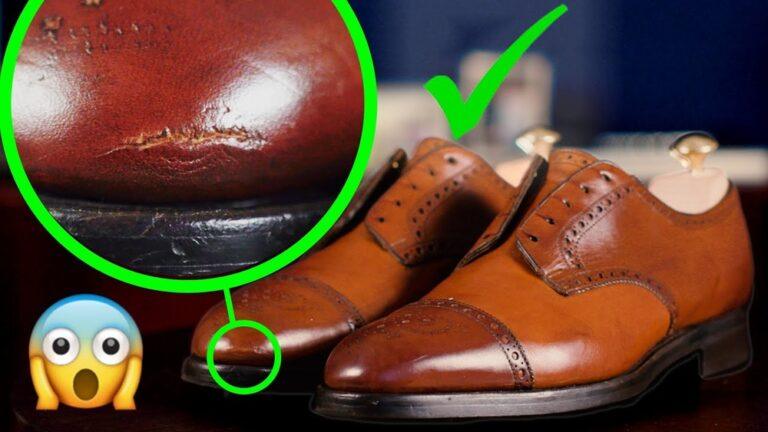
Look closely for scratches, scuffs, and cracks on the leather. Check the sole for wear or holes. Notice if the stitching is loose or broken. Smell the shoe for any mold or bad odor. These signs show where the shoe needs fixing. Spotting these problems early prevents further damage.
Checking Leather Condition
Touch the leather to feel its texture and softness. Dry or stiff leather needs conditioning. Look for discoloration or fading on the surface. Soft spots may mean the leather is weak or rotten. Good leather is flexible and smooth, not brittle. Assessing the leather’s health helps choose the right repair method.

Credit: www.extrapetite.com
Gathering Repair Tools
Gathering the right tools is the first step in repairing leather shoes. The right supplies make the job easier and improve results. Preparing before starting saves time and avoids frustration. Keep your work area clean and well-lit for best performance.
Essential Cleaning Supplies
Cleaning is the base of any repair process. Soft brushes help remove dirt gently. Use a damp cloth to wipe away dust and grime. Mild soap or leather cleaner works well without damage. Avoid soaking the leather; just dampen the cloth.
Leather Repair Kits
Leather repair kits contain materials for fixing cracks and holes. These kits usually have filler compounds, adhesives, and colorants. Choose a kit that matches your shoe color closely. Follow instructions carefully for the best patch and blend.
Polishes And Conditioners
Polishes restore shine and hide small scratches. Select polish that suits your shoe’s leather type. Conditioners keep leather soft and prevent cracking. Apply conditioner evenly and allow drying before polishing. Regular care keeps shoes looking new longer.
Cleaning Leather Shoes
Cleaning leather shoes is the first step in any repair process. Dirt and stains can hide damages or make repairs less effective. Proper cleaning helps restore the shoe’s original look. It also prepares the surface for any glue or polish used later. Taking time to clean leather shoes improves their lifespan and appearance.
Removing Dirt And Stains
Start by brushing off loose dirt with a soft brush. Use a damp cloth to wipe away surface dust. For stains, mix mild soap with water. Dip a cloth in the solution, then gently rub the stained area. Avoid soaking the leather, as too much water can damage it. Let the shoes dry naturally, away from direct heat or sunlight.
Preparing Surface For Repair
After cleaning, check the shoes for rough spots or peeling layers. Use fine sandpaper or a leather preparation pad to smooth these areas. This step helps glue and polish stick better. Wipe off any dust from sanding with a dry cloth. Make sure the leather is completely dry before starting any repair work.

Credit: www.reddit.com
Fixing Scratches And Scuffs
Scratches and scuffs on leather shoes are common and can make them look old. Fixing these marks helps shoes look fresh and new again. It also protects the leather from damage and extends the shoe’s life. Simple tools and products can repair most scratches and scuffs at home.
Start by cleaning the shoe surface gently. Remove dirt and dust to see the scratches clearly. This step ensures better results when applying repair materials. Let the leather dry before moving to the next steps.
Using Leather Fillers
Leather fillers are ideal for deep scratches or gouges. They fill in the damaged areas to create a smooth surface. Apply a small amount of filler with a spatula or your finger. Press it into the scratch gently and spread it evenly. Allow the filler to dry fully before touching the shoe. You may need to apply more than one layer for best results. Once dry, lightly sand the area with fine sandpaper to blend the filler.
Blending With Color
After filling scratches, color the repaired spots to match the shoe. Use leather dye or a color cream that matches your shoe’s shade. Apply color with a soft cloth or brush in thin layers. Let each layer dry before adding another. This method hides repairs and makes scratches less visible. Finish by applying a leather conditioner or polish to restore shine and protect the shoe.
Repairing Cracks And Tears
Cracks and tears in leather shoes can make them look old and worn out. Fixing these damages helps bring back the shoe’s original look. Repairing small cracks and tears requires careful steps and the right materials. This process strengthens the leather and prevents further damage.
Applying Patch Techniques
Start by cleaning the damaged area with a soft cloth. Remove dirt and dust gently. Cut a leather patch slightly larger than the crack or tear. Use leather glue to attach the patch under the tear. Press the patch firmly to avoid air bubbles. Smooth out edges to blend the patch with the shoe. Let the glue settle for better hold.
Sealing And Drying
After the patch is in place, apply a thin layer of leather sealer. This step protects the repair and prevents moisture entry. Use a brush or sponge for even sealing. Allow the shoe to dry naturally at room temperature. Avoid direct sunlight or heat sources. Drying may take several hours to a full day. Check the patch for firmness before wearing the shoes again.

Credit: www.youtube.com
Restoring Shoe Shape
Leather shoes often lose their shape after regular use. Restoring their shape brings back comfort and style. This step is key to making old shoes look better and last longer.
Using Shoe Trees
Shoe trees keep leather shoes firm and in shape. Insert them after wearing shoes to stop wrinkles. They absorb moisture, which helps prevent leather damage. Use cedar shoe trees for a fresh smell and natural drying.
Reinforcing Weak Areas
Check for soft or stretched spots on your shoes. Add small leather patches or glue inside for support. Use strong thread to sew weak seams carefully. Reinforcing these areas keeps shoes stable and prevents further damage.
Conditioning And Polishing
Conditioning and polishing are key steps in repairing leather shoes. They help keep the leather soft and protect it from cracks. Proper care also brings back the shoe’s shine and color. These steps extend the life of your shoes and make them look new again.
Selecting The Right Conditioner
Choose a conditioner made for leather shoes. Avoid products with harsh chemicals. Look for natural oils like mink oil or beeswax. Test the conditioner on a small hidden area first. This prevents damage or color change. Apply a small amount with a soft cloth. Let the conditioner soak into the leather fully.
Achieving A Smooth Finish
After conditioning, use a clean cloth to polish the shoes. Rub the leather in small circles. This spreads the conditioner evenly and removes excess. Use a soft brush or cloth to buff the shoes. Buffing creates a smooth, shiny surface. Repeat polishing for extra shine and protection.
Preventing Future Damage
Preventing future damage is key to keeping leather shoes looking good and lasting longer. Small steps taken daily protect the leather from wear and tear. These steps save money and time by avoiding costly repairs.
Proper Storage Tips
Store leather shoes in a cool, dry place. Avoid direct sunlight, which can cause fading and cracking. Use shoe trees to keep the shape and prevent creases. If shoe trees are not available, stuff shoes with clean paper. Keep shoes away from damp areas to stop mold and mildew. Use dust bags or boxes to protect shoes from dust and dirt.
Regular Maintenance Routine
Clean shoes after each use with a soft brush or cloth. Apply leather conditioner every few weeks to keep the leather soft and flexible. Use a shoe polish that matches the shoe color to cover scratches and restore shine. Check soles and heels regularly for wear and get repairs done early. Avoid wearing the same pair every day to let them air out and dry properly.
Frequently Asked Questions
How Do I Fix Scuffed Leather Shoes At Home?
Clean the shoe with a damp cloth first. Apply a leather conditioner or polish to the scuffed area. Buff gently with a soft cloth to restore shine and color.
What Materials Are Needed To Repair Leather Shoes?
You need leather glue, a patch (if needed), leather conditioner, polish, and a soft cloth. These materials help fix tears, scratches, and restore the shoe’s look.
Can I Repair Worn-out Soles On Leather Shoes?
Yes, worn soles can be replaced by a cobbler or DIY with sole adhesive and new soles. Proper repair extends the shoe’s life and comfort.
How To Prevent Leather Shoes From Cracking?
Regularly clean and condition your leather shoes. Store them in a cool, dry place away from direct sunlight to keep leather supple and prevent cracks.
Conclusion
Repairing leather shoes keeps them looking good longer. Small fixes stop bigger problems later. Clean the shoes gently before starting repairs. Use the right products to protect the leather. Regular care helps shoes stay soft and strong. Fixing shoes at home saves money and time.
Enjoy wearing your shoes after a simple repair. Practice makes the process easier and faster. Keep your shoes in good shape with these tips. Your shoes will thank you with better wear.

Madison Clark is a footwear expert and the voice behind MyStyleGrid.com. She specializes in honest shoe reviews, style tips, and practical guides to help readers find the perfect pair for any occasion. With years of experience in blogging and content creation, Madison makes footwear knowledge simple, stylish, and easy to follow.